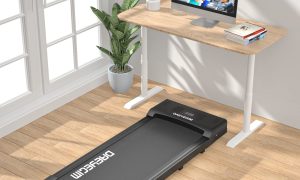

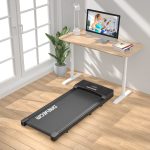


Aploda.com – You should lubricate your under desk treadmill belt every 3 to 6 months depending on usage frequency, or approximately every 40 to 50 hours of walking time to ensure motor longevity and prevent belt friction.
Maintaining an under desk treadmill is often overlooked because these machines are designed for convenience and low-profile use. However, the belt and deck require consistent lubrication to function correctly. Without proper maintenance, the friction between the belt and the deck increases significantly, which places unnecessary strain on the motor and can lead to premature mechanical failure.
Why Lubrication is Non-Negotiable
The primary reason for applying lubricant is to reduce the coefficient of friction. When you walk, your weight presses the belt against the deck. If the surface is dry, the motor has to work much harder to pull the belt across the deck. This resistance generates heat, which can damage the electronic components and the motor’s internal wiring.
Beyond motor health, a dry belt can cause the treadmill to stutter or jerk while you are walking. This is not only annoying but can also be a safety hazard, potentially causing a loss of balance. Furthermore, a dry deck can lead to “belt drag,” where the belt begins to fray at the edges or creates a squeaking noise that becomes increasingly loud over time.
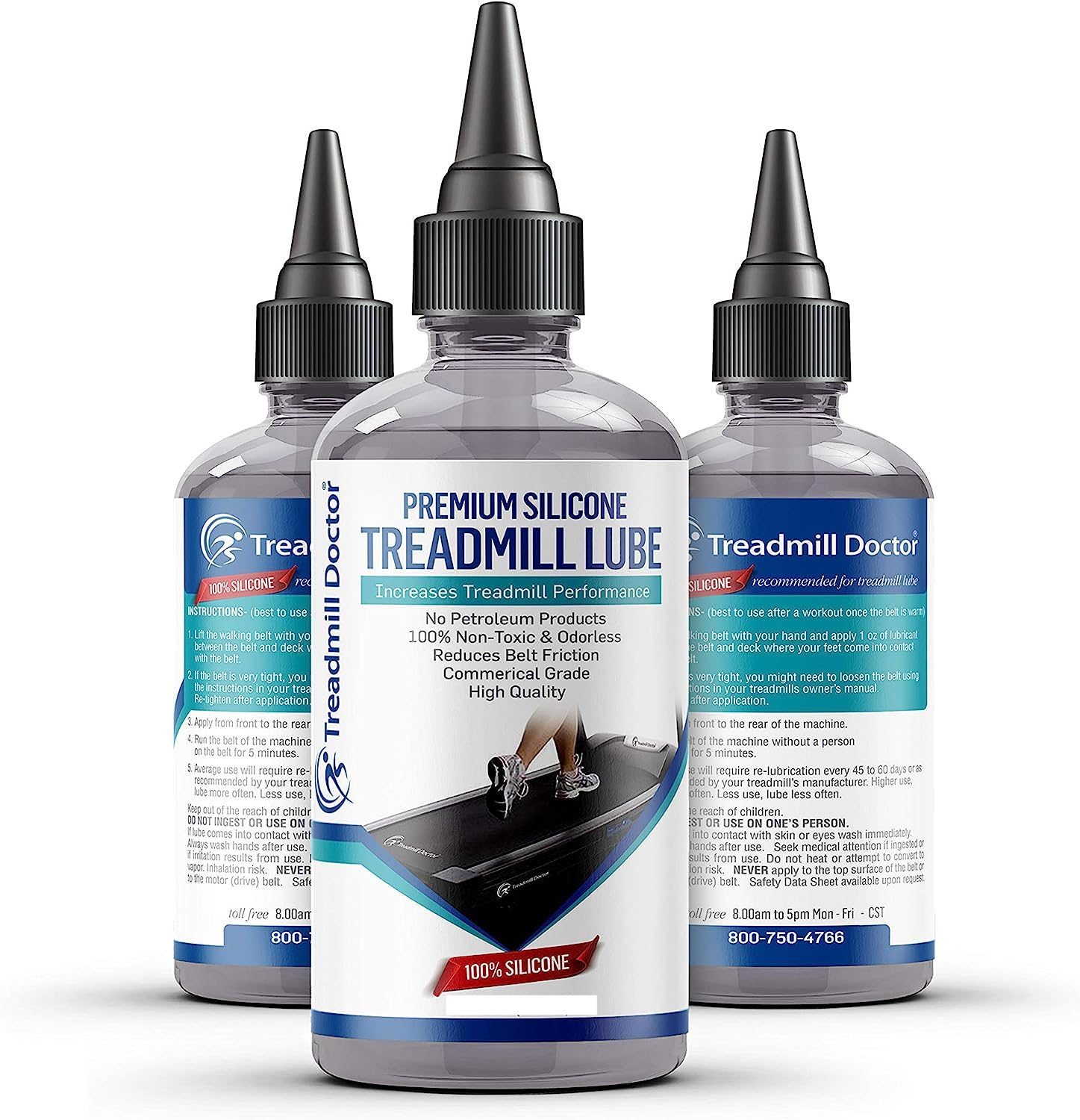
📷 Photo by treadmilldoctor.com
Recognizing the Signs of a Dry Belt
You do not always need to rely on a calendar to know when it is time to lubricate. Your treadmill will often provide physical feedback. If you notice a burning smell, it is a critical sign that friction has become dangerous. Similarly, if the belt feels like it is sticking or “grabbing” under your feet during a session, the lubrication layer has likely evaporated or worn away.
Another simple test is the “finger test.” Reach under the side of the belt toward the center of the deck. If the surface feels completely dry or dusty, it is time for maintenance. If you feel a slight, oily residue, you can likely wait another few weeks before applying more.
Standard Lubrication Schedule
The frequency of your maintenance routine should align with how often you use your desk treadmill. The following table provides a general guideline based on typical office usage patterns.
| Usage Level | Weekly Walking Hours | Recommended Lubrication Interval |
|---|---|---|
| Light | 1–3 hours | Every 6 months |
| Moderate | 4–8 hours | Every 3 months |
| Heavy | 9+ hours | Every 1–2 months |
How to Properly Lubricate Your Treadmill
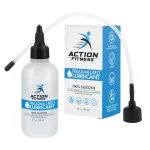
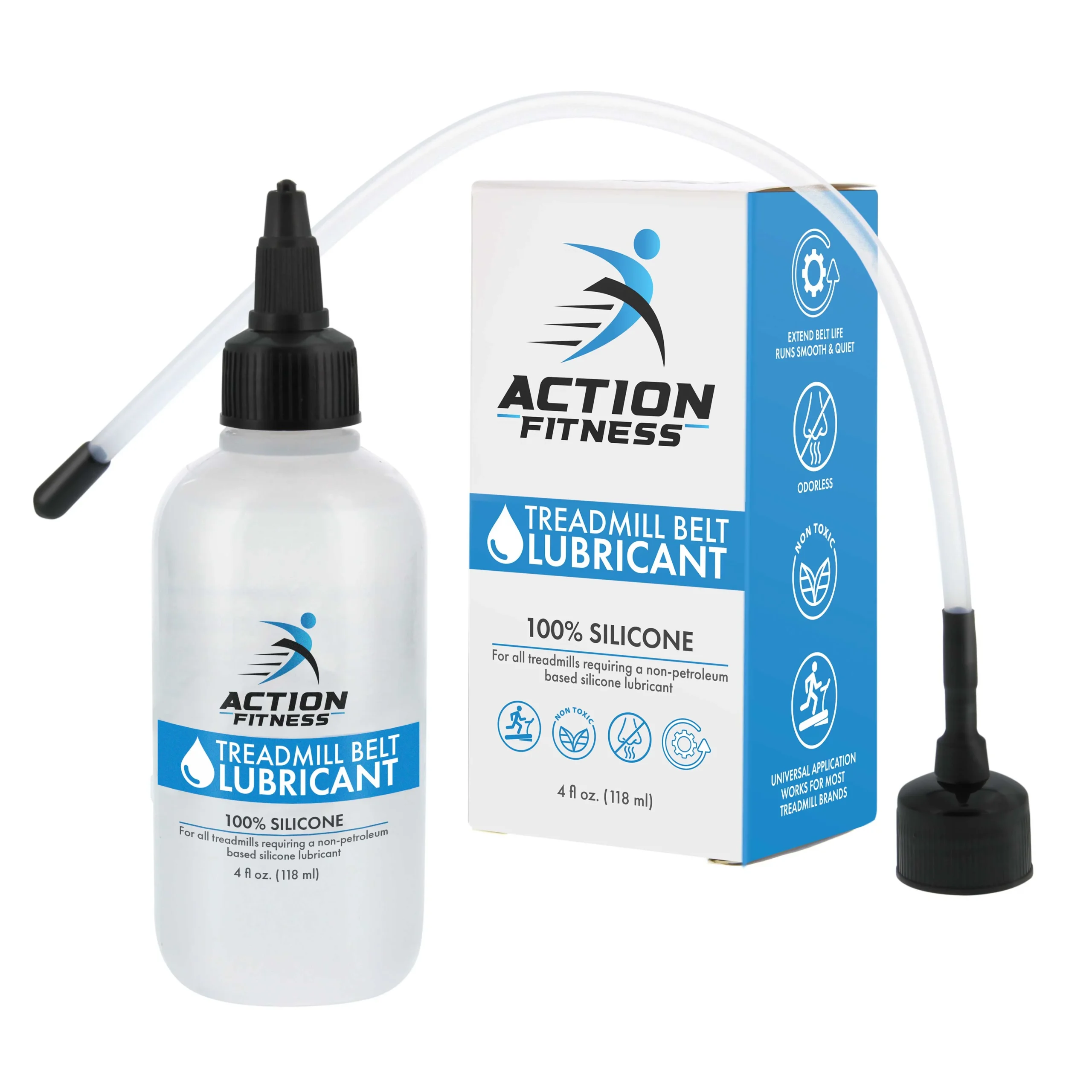
Applying lubricant is a straightforward process, but you must use the correct type of product. Always use 100% silicone treadmill lubricant. Never use WD-40, oil-based sprays, or petroleum jelly, as these can degrade the belt material and cause permanent damage to the treadmill deck.
- Turn off the treadmill and unplug it from the power source to ensure absolute safety.
- Loosen the belt adjustment bolts at the rear of the treadmill if the belt is too tight to lift, though most under desk models allow for enough slack to lift the belt slightly by hand.
- Lift the edge of the belt and wipe the deck surface with a clean, dry cloth to remove any accumulated dust or debris.
- Apply a thin, consistent stream of silicone lubricant under the belt, starting from the front and moving toward the back, focusing on the area where your feet typically land.
- Repeat the process on the other side of the belt.
- Plug the treadmill back in and run it at a slow speed (about 1 to 2 mph) for 3 to 5 minutes to allow the belt to distribute the lubricant evenly across the entire deck surface.
- Wipe away any excess lubricant that may have squeezed out at the edges to prevent slipping or staining your carpet or floor.
Common Mistakes to Avoid
One of the most common errors users make is over-lubricating. More is not better. Applying too much silicone can create a slippery surface that makes the belt slide around the rollers, causing tracking issues. It can also attract dust and pet hair, creating a thick, gummy residue that is much harder to clean than dry dust.
Another mistake is neglecting the underside of the belt itself. While the deck is the priority, the underside of the belt can become dry and brittle. If you are doing a deep clean, ensure you are cleaning the edges of the belt to prevent fraying. Always ensure that the area around the motor housing is kept free of dust, as the motor needs to breathe to stay cool during operation.
The Importance of Environment
Your office environment plays a major role in how often you need to lubricate. If your treadmill is located in a room with high amounts of dust or carpet fibers, the lubricant will dry out or become contaminated much faster. If you use the treadmill on a hardwood floor, consider placing a mat underneath it. This prevents dust from being kicked up into the motor and keeps the belt cleaner for longer periods, ultimately extending the intervals between maintenance sessions.
Q: Can I use regular spray lubricants like WD-40?
A: No. Never use standard WD-40 or petroleum-based products. These will damage the treadmill deck and belt material, often voiding your manufacturer’s warranty.
Q: What happens if I don’t lubricate my treadmill at all?
A: The friction will eventually cause the treadmill to overheat, leading to a blown motor, a burnt-out circuit board, or the belt snapping, all of which are expensive to repair or replace.
Q: Should I tighten the belt after applying lubricant?
A: Only if the belt was slipping before you started. If the belt tension was correct before, you do not need to adjust it after lubrication; simply run the machine to distribute the product.
Consistent maintenance is the secret to getting years of use out of your under desk treadmill. By sticking to a schedule and using the correct silicone-based products, you protect your investment and ensure that your walking sessions remain smooth, quiet, and safe for your joints.
📷 Photo by walmart.com