



Aploda.com – Choosing the right electric standing desk for your height requires ensuring the desk’s height adjustment range accommodates both your seated and standing positions, typically requiring a range of at least 22 to 48 inches for most adults. A desk that does not reach your optimal ergonomic height will lead to poor posture, neck strain, and long-term musculoskeletal issues.
Understanding the Ergonomic Height Requirement
The golden rule of desk ergonomics is that your elbows should be at a 90-degree angle while typing, whether you are sitting or standing. If the desk is too low, you will hunch over, putting excessive pressure on your lumbar spine. If the desk is too high, you will shrug your shoulders, leading to tension headaches and shoulder pain.
To calculate your ideal height, stand comfortably with your arms at your sides and bend your elbows to 90 degrees. Measure the distance from the floor to your elbows. This measurement is your target desk height for standing. For sitting, the calculation remains the same, but you must account for the height of your chair seat and your own torso length.
Key Factors for Selecting Your Desk
Height range is the most critical specification, but not the only one. You must consider the travel speed of the motor, the weight capacity, and the stability of the legs at maximum height. Many budget desks become wobbly when fully extended, which can be distracting and damaging to your equipment over time.
Another often overlooked factor is the desk’s frame construction. T-frame desks are standard, but C-frame desks provide more legroom, which is particularly beneficial for taller individuals who might otherwise hit their knees on the support bar. If you are taller than six feet, look for frames with three-stage legs rather than two-stage legs, as they offer a broader adjustment range and smoother transitions.
Comparison of Desk Leg Mechanisms
| Feature | Two-Stage Legs | Three-Stage Legs |
|---|---|---|
| Adjustment Range | Limited (approx. 27-46 inches) | Wide (approx. 22-50 inches) |
| Stability | Good at lower heights | Excellent at all heights |
| Motor Speed | Standard | Faster and quieter |
| Best For | Average heights (5’4″ – 5’10”) | Tall or short users |
Step-by-Step Guide to Finding Your Perfect Desk
Follow these steps to ensure you choose a desk that fits your body type and workspace needs:
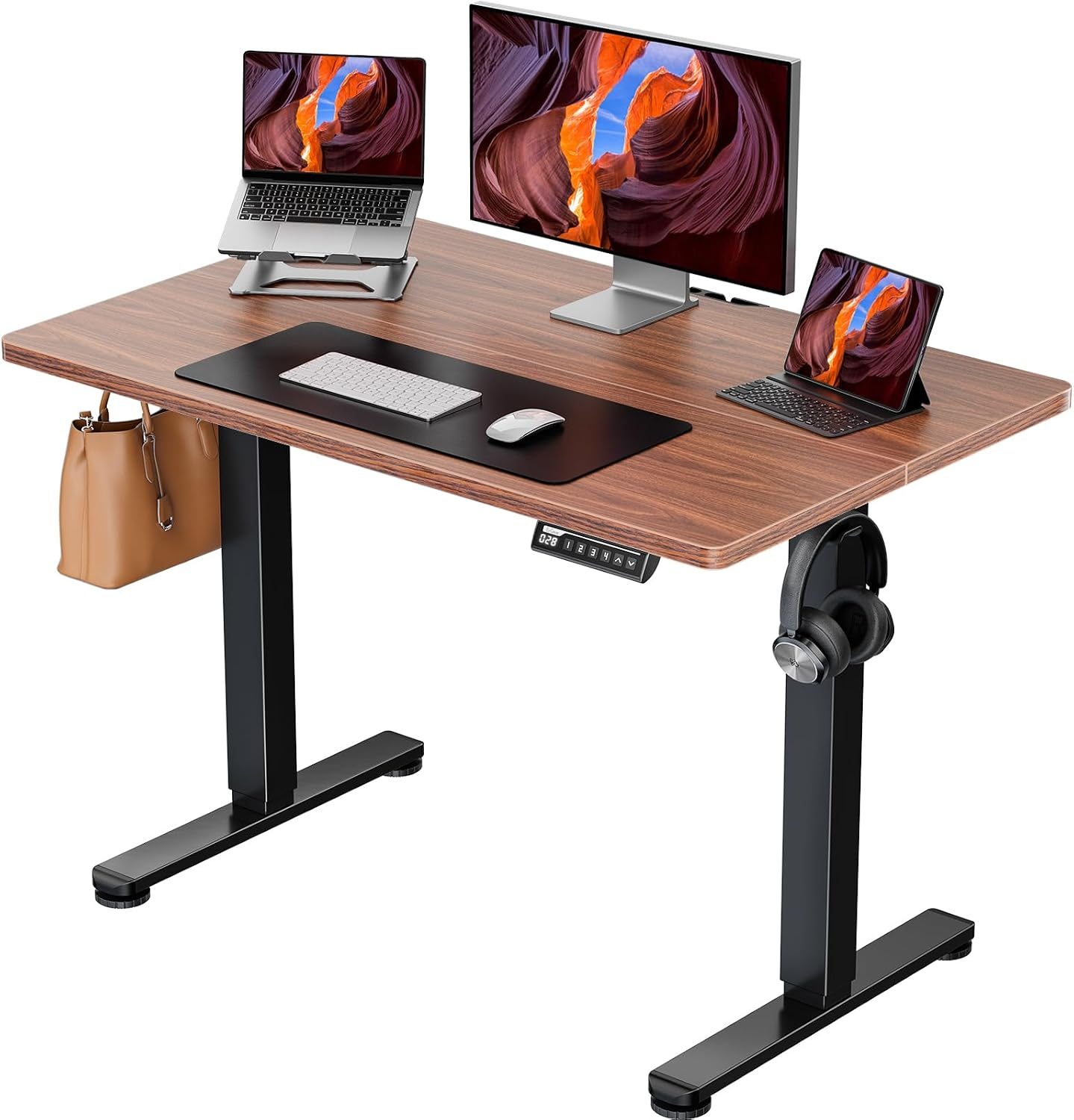
📷 Photo by amazon.com
- Measure your elbow height while standing in your preferred posture, ensuring your shoulders are relaxed and not hunched.
- Check the manufacturer’s specification sheet for the “Height Range” specifically, excluding the thickness of the desktop itself if the frame is sold separately.
- Evaluate the weight capacity of the desk; ensure it can handle your monitors, PC tower, and heavy accessories without straining the motor.
- Test the stability by applying downward pressure on the desk when it is at its maximum height to ensure there is no excessive shaking.
- Prioritize desks with a memory preset controller, which allows you to save your exact standing and sitting heights, making the transition effortless throughout the day.
Common Mistakes to Avoid
A frequent error is failing to account for the thickness of the desktop. If a frame has a minimum height of 24 inches and you add a 1.5-inch thick wooden top, your minimum height is now 25.5 inches. This might be too high for shorter users who prefer a lower typing position.
Another mistake is prioritizing aesthetics over cable management. A standing desk requires cables to move freely. If your cables are too short, they will pull on your equipment when the desk rises. Always invest in an under-desk cable tray or a flexible cable spine to prevent accidents and keep your workspace organized.
The Role of Stability and Wobble
Wobble is the silent killer of productivity. As you raise a desk, the center of gravity shifts. Desks with crossbars are inherently more stable but can limit your leg movement. If you want a clean look without a crossbar, ensure the desk has thicker, telescopic columns. High-quality electric desks often use reinforced steel to minimize lateral movement. If you do a lot of precision work, such as graphic design or gaming, prioritize stability over a slightly lower price point.
Frequently Asked Questions
Q: How do I know if a desk is too wobbly?
A: When the desk is at its maximum height, place your hands on the edge and apply firm pressure. If the desk sways significantly or causes your monitors to shake, the frame is likely not rigid enough for your height requirements.
Q: Can I use a standing desk if I am very tall?
A: Yes, but you must select a three-stage leg frame. These frames are specifically designed to extend higher than standard two-stage models, often reaching up to 50 inches or more, which is necessary for individuals over 6’2″.
Q: Does the motor type matter for the desk’s longevity?
A: Yes, dual-motor systems are generally more durable and quieter than single-motor systems. They distribute the weight evenly across both legs, reducing wear and tear on the internal gears over time.
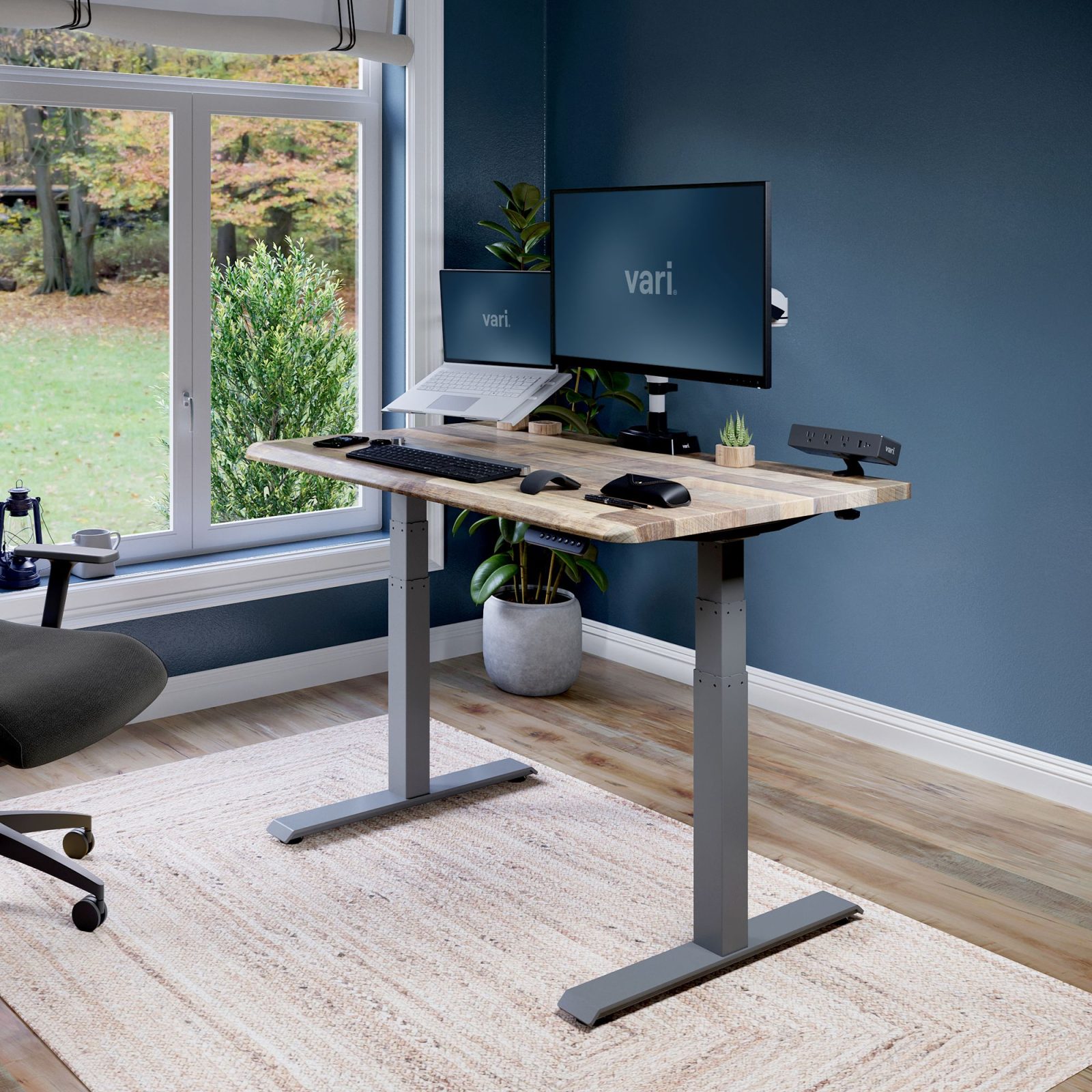
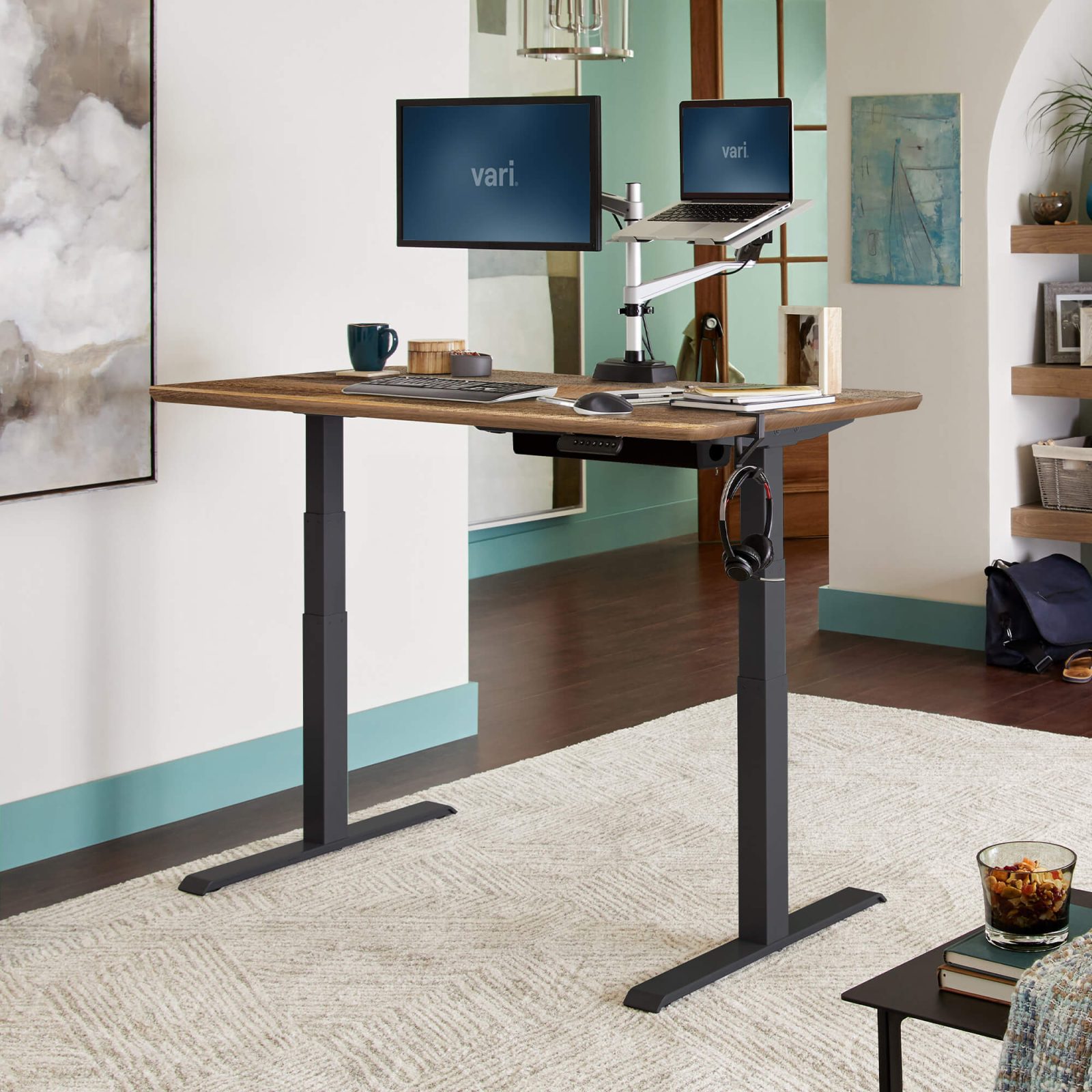
📷 Photo by vari.com
Final Considerations for Long-Term Comfort
Remember that a standing desk is only part of the equation. To truly benefit from your purchase, consider adding an anti-fatigue mat to cushion your feet and joints. Standing on a hard floor for hours can lead to foot pain, which might discourage you from using your standing desk. By combining the right desk height with supportive footwear or a mat, you create an environment that promotes health, focus, and sustained energy throughout your workday.
📷 Photo by vari.com