


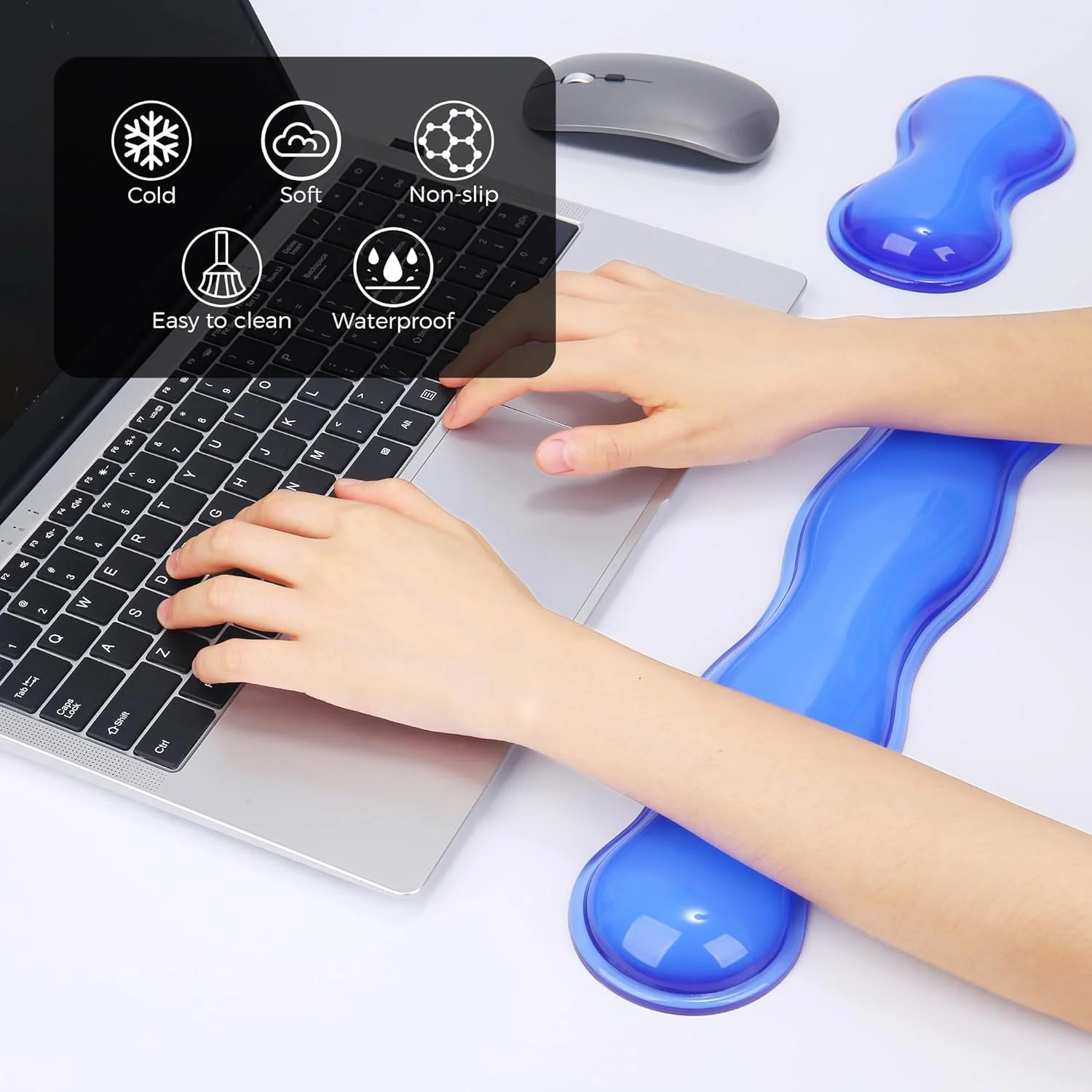
Aploda.com – Choosing between gel and foam wrist rests for a standing desk depends on your need for cooling pressure redistribution versus soft, conforming support to alleviate carpal tunnel symptoms. While gel pads offer a firm, ergonomic lift that keeps wrists neutral, foam rests provide a plush, cushioning effect that minimizes pressure points during extended typing sessions.
Understanding the Ergonomic Necessity
Carpal tunnel syndrome is often exacerbated by repetitive strain and improper wrist positioning, especially when standing. When you stand, your center of gravity shifts, and your posture can change, often leading to increased reliance on your wrists for stability while typing. A wrist rest is not merely a comfort accessory; it is a critical tool to ensure your wrists remain in a neutral, straight position rather than being bent upward or downward.
Gel Wrist Rests: The Firm Support Choice
Gel wrist rests are highly popular due to their ability to provide consistent support. The gel material is denser than foam, which means it does not compress as easily under the weight of your hands. This firmness is beneficial for users who tend to rest their wrists heavily on the desk while typing, as it prevents the wrists from sinking into a position that might strain the carpal tunnel.
Many users appreciate the cooling sensation that gel provides, which can be particularly refreshing during long hours of standing work. However, the surface of gel rests can sometimes feel slightly sticky or clammy in warmer environments. They are also generally easier to clean, as the smooth, non-porous exterior can be wiped down with a damp cloth.
Foam Wrist Rests: The Comfort-Focused Alternative
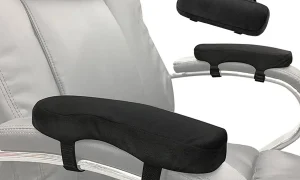
Foam wrist rests, particularly those made from memory foam, offer a different tactile experience. They excel at conforming to the unique shape of your wrists, which distributes pressure more evenly across the palm and wrist area. For individuals with sensitive skin or those who find firm surfaces uncomfortable, foam provides a gentle, cloud-like support that reduces the feeling of hard edges against the skin.
The primary downside to foam is its tendency to lose its shape over time, especially with heavy daily use. Once the foam begins to collapse, it no longer provides the necessary lift to maintain neutral alignment. Furthermore, foam is more porous and can trap sweat or dust, making it slightly more difficult to maintain hygiene compared to gel alternatives.
Comparison Table: Gel vs. Foam
| Feature | Gel Wrist Rest | Memory Foam Wrist Rest |
|---|---|---|
| Support Level | Firm and consistent | Soft and conforming |
| Durability | High; retains shape well | Moderate; may flatten over time |
| Temperature | Cooling effect | Can retain body heat |
| Cleaning | Easy; wipe-clean surface | Requires more effort; can absorb sweat |
| Best For | Heavy typists needing firm lift | Users needing pressure relief |
Practical Steps to Prevent Carpal Tunnel
Selecting the right wrist rest is only one part of an ergonomic setup. To effectively mitigate the risk of carpal tunnel syndrome while working at a standing desk, follow these steps to optimize your workstation:
- Adjust your standing desk height so that your elbows are at a 90 to 100-degree angle while your hands rest on the keyboard.
- Place your keyboard and mouse on the same level to avoid reaching or awkward wrist angling.
- Use the wrist rest only during breaks or pauses in typing; do not rest your wrists on it while actively typing to avoid compressing the carpal tunnel.
- Ensure your wrist rest is placed slightly in front of the keyboard so that the heel of your palm, rather than the wrist itself, is supported.
- Take micro-breaks every 30 minutes to stretch your fingers, wrists, and shoulders to maintain blood flow and reduce muscle tension.
Common Mistakes to Avoid
One of the most frequent errors users make is positioning the wrist rest too far back. If the rest is under your wrist, it can actually press into the carpal tunnel, which is exactly what you want to avoid. The rest should support the base of your palm, keeping the wrist elevated and floating slightly above the desk surface.
Another common oversight is ignoring the desk edge. If your desk has a sharp, hard edge, a wrist rest can protect you, but only if the rest is thick enough to clear the edge. If the rest is too thin, you are essentially resting your wrists on a pivot point, which can increase nerve compression. Always test the thickness of the rest against your specific keyboard height.
When to Seek Professional Advice
If you are experiencing persistent tingling, numbness, or weakness in your hands, these may be signs of advanced carpal tunnel syndrome. While a wrist rest can help with posture, it cannot cure existing nerve damage. In such cases, it is essential to consult with an occupational therapist or a physical therapist who can provide targeted exercises and evaluate your specific workspace configuration.
Frequently Asked Questions
Q: Should I use a wrist rest while I am actively typing?
A: No, you should ideally use the wrist rest only during pauses. While typing, your wrists should hover to allow for fluid movement and to prevent constant pressure on the nerves within the carpal tunnel.
Q: How do I know if my wrist rest is the right height?
A: Your wrist rest is the correct height if your hands remain in a straight line with your forearms while you type. If you have to bend your wrists upward to reach the keys, the rest is too low; if your wrists are forced downward, the rest is too high.
Q: Can I use a wrist rest for both a standing and sitting desk?
A: Yes, but keep in mind that your posture and desk height often change between sitting and standing. You may find that a rest with a medium-firm density works best for both, as it adapts well to minor changes in your arm angle.
Final Thoughts on Ergonomic Longevity
Investing in your workstation is an investment in your long-term health. Whether you choose the firm, cool support of gel or the soft, adaptive nature of memory foam, the goal remains the same: keeping your wrists in a neutral position. By combining the right equipment with good posture habits, you can significantly reduce the strain associated with modern office work and maintain your productivity for years to come.
📷 Photo by walmart.com