


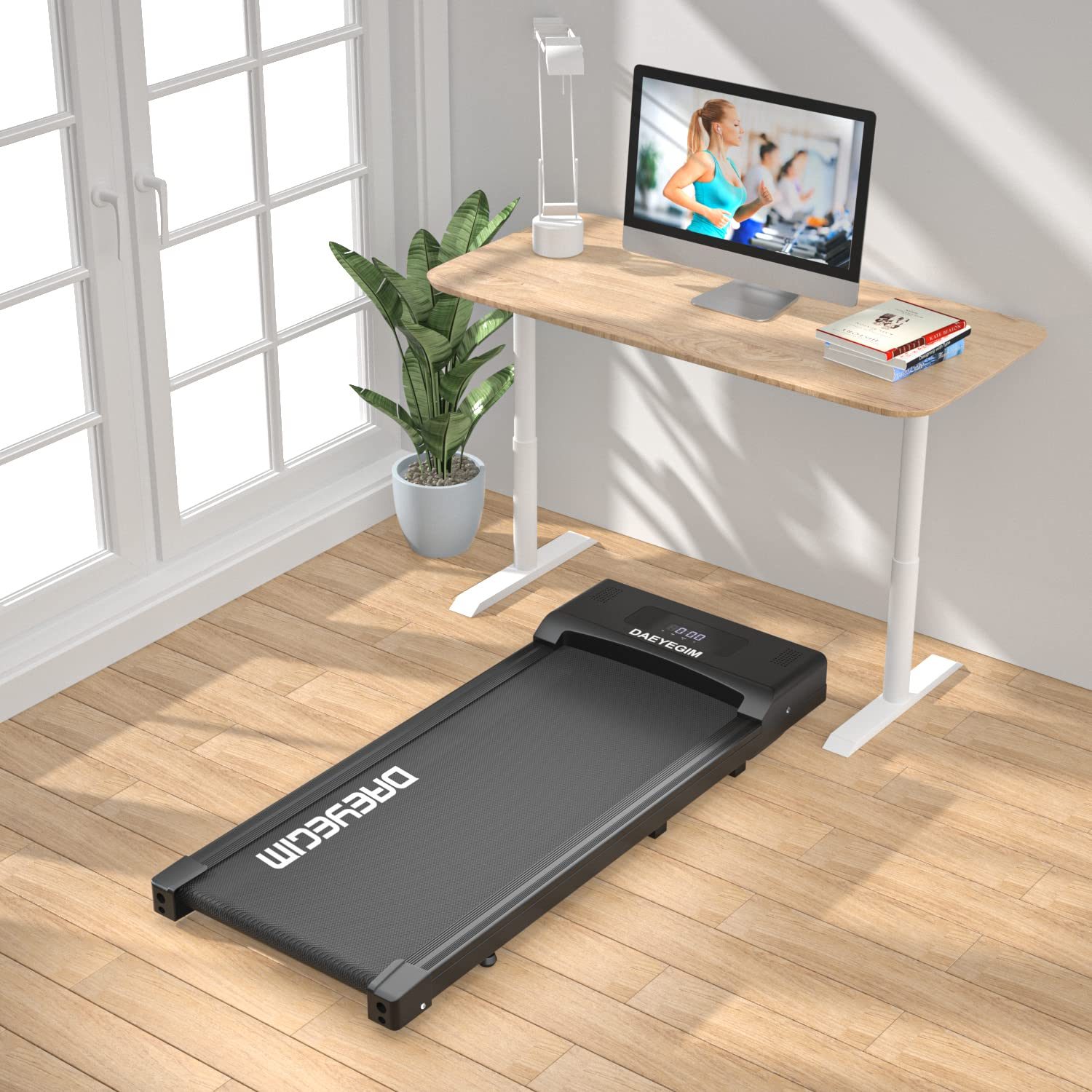
Aploda.com – Preventing shin splints while using an under-desk treadmill requires a gradual transition to walking, the use of supportive footwear, and consistent calf-strengthening exercises to manage the repetitive impact on your lower legs.
Understanding the Mechanics of Shin Splints
Medial Tibial Stress Syndrome, commonly known as shin splints, occurs when the muscles, tendons, and bone tissue around your tibia become overworked. When you introduce an under-desk treadmill into your daily routine, you are often transitioning from a sedentary state to a repetitive motion state without proper preparation. The constant, low-intensity impact of walking on a treadmill belt can cause inflammation if your lower leg muscles are not conditioned to handle the increased volume of steps.
Many office workers make the mistake of starting a full eight-hour walking routine immediately. This rapid increase in volume is the primary cause of shin pain. Your musculoskeletal system requires time to adapt to the new stress of weight-bearing activity, particularly if you are wearing standard office shoes that lack the necessary cushioning and arch support required for prolonged walking.
The Importance of Footwear and Surface
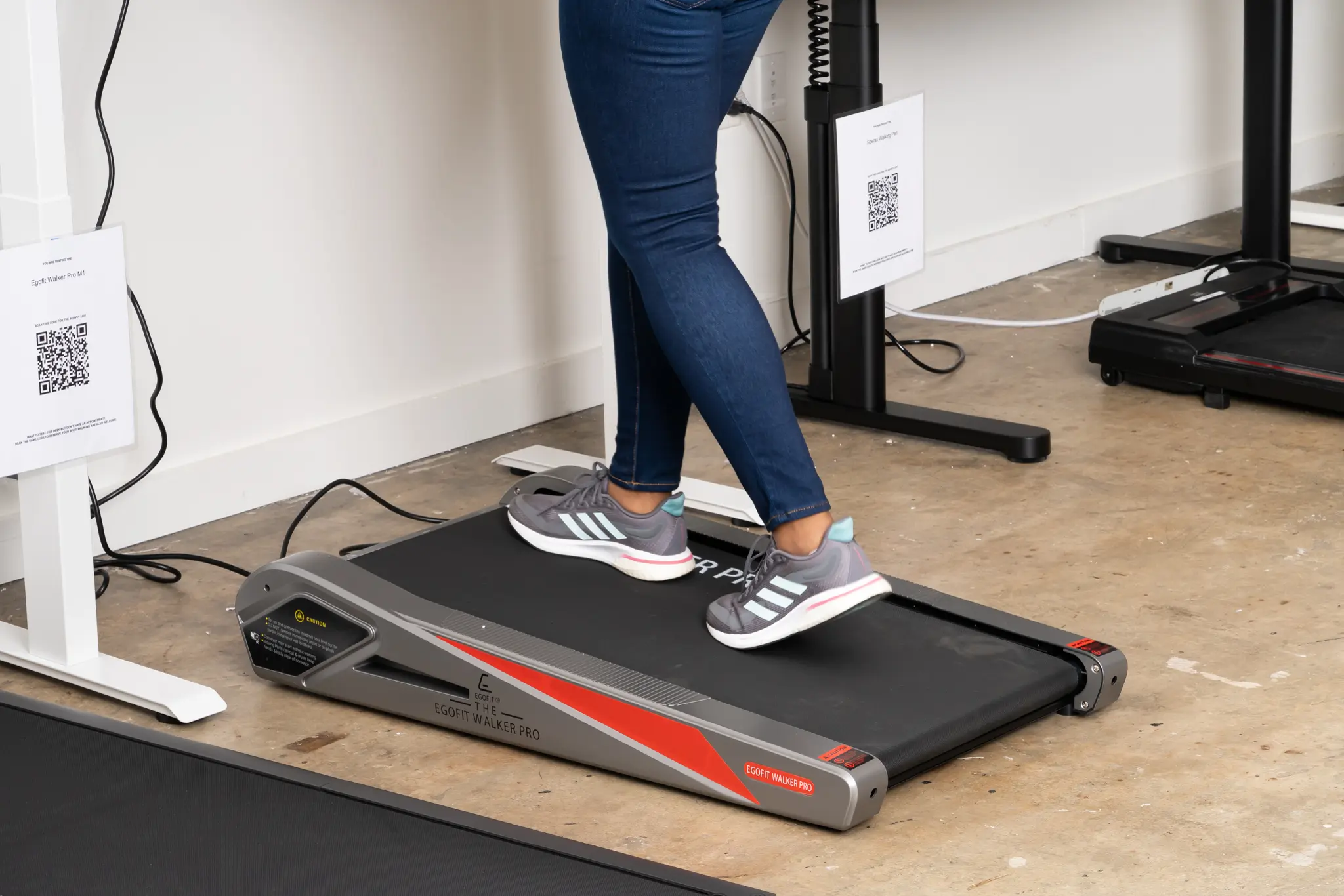
The shoes you wear at your desk are often the culprit behind persistent shin pain. Dress shoes, loafers, or flat-soled sneakers provide little shock absorption, forcing your shins to bear the brunt of every step. Investing in high-quality running or walking shoes with proper arch support is non-negotiable. If your office dress code is strict, consider keeping a pair of cushioned athletic shoes under your desk and switching into them specifically when you are using the treadmill.
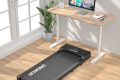
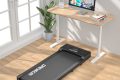
Furthermore, the treadmill belt itself plays a role. While most under-desk units are designed to be low-impact, they are often thinner than gym-grade machines. Ensure your treadmill is placed on a flat, stable surface. Using a thick, shock-absorbing mat underneath the treadmill can provide an extra layer of cushioning that protects your joints and reduces the vibration traveling through your legs.
Strategic Implementation Guide
To integrate an under-desk treadmill successfully without suffering from injury, follow this structured approach to build your tolerance safely.
- Start with 15-minute sessions twice a day, rather than one long block of time.
- Maintain a slow, steady pace between 1.0 and 1.5 mph to focus on form rather than speed.
- Implement a “rest day” every other day during your first two weeks to allow tissues to recover.
- Perform calf stretches and toe-taps at your desk every 30 minutes to prevent muscle tightness.
- Increase your total daily walking time by no more than 10 percent each week.
Comparison of Risk Factors
| Factor | High-Risk Behavior | Low-Risk Behavior |
|---|---|---|
| Footwear | Dress shoes or flat sneakers | Cushioned running/walking shoes |
| Walking Volume | Continuous 4-hour blocks | Intervals of 20-30 minutes |
| Surface | Directly on hard office carpet/tile | On a shock-absorbing treadmill mat |
| Muscle Prep | No warm-up | Pre-work calf and ankle mobility |
Correcting Common Form Mistakes
📷 Photo by verywellfit.com
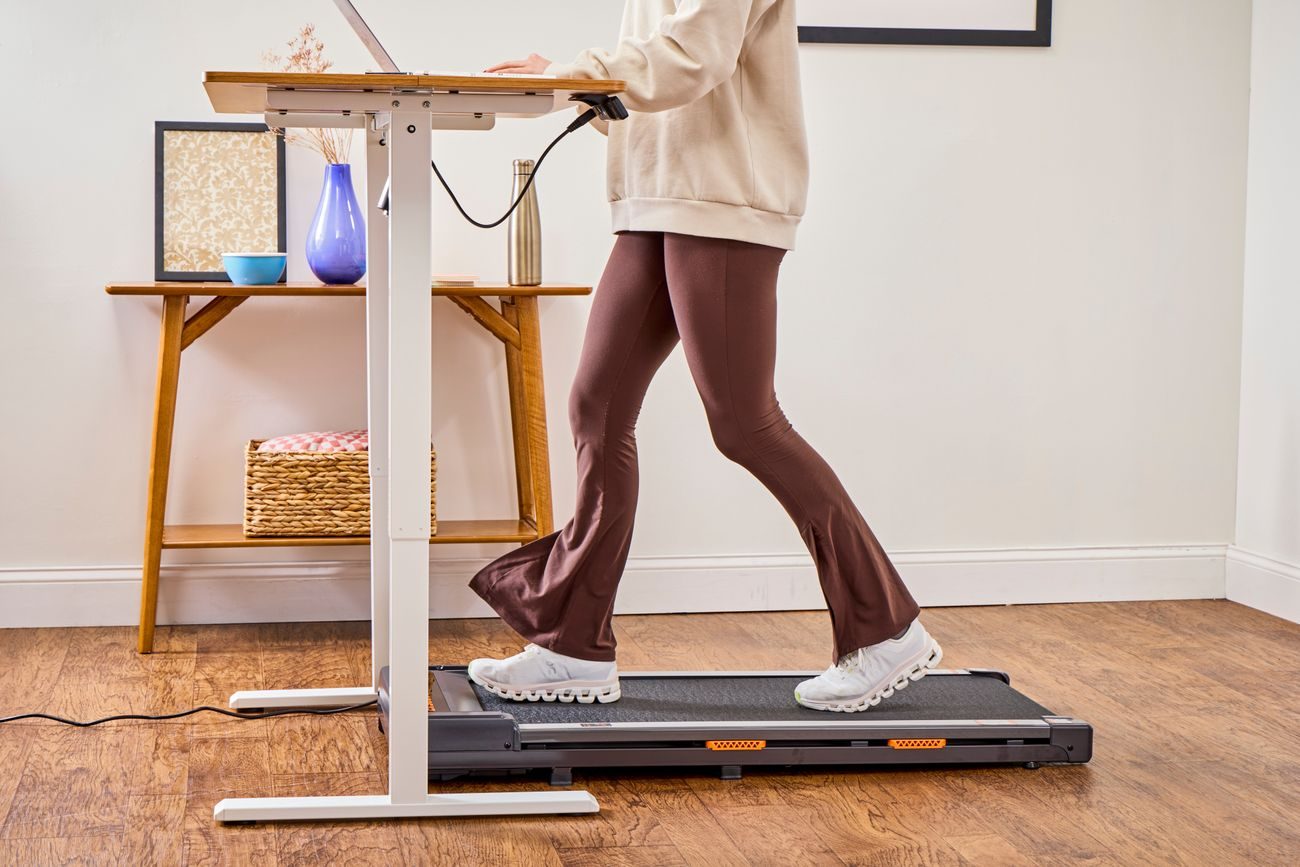
How you walk while working matters as much as how long you walk. Many people unconsciously change their gait when they are concentrating on a computer screen. A common mistake is “dragging” the feet or taking heavy, flat-footed steps. This increases the force transmitted to the shins. Instead, focus on a natural heel-to-toe roll with every step. Keep your posture upright, looking forward at your monitor rather than downward at your feet, which helps maintain proper alignment.
Tight calf muscles are another frequent contributor to shin splints. When your calves are tight, they pull on the connective tissues attached to your tibia, leading to discomfort. Incorporating simple desk-side stretches—such as standing on the edge of a step or using a foam roller before you start your day—can significantly reduce the tension in your lower legs. If you feel sharp, localized pain during your walk, stop immediately; pushing through this type of pain often leads to stress fractures.
Read also: Using a Balance Board Standing Desk with Bare Feet vs Tennis Shoes
Monitoring Your Progress
Tracking your activity is vital. Using a pedometer or the treadmill’s built-in monitor helps you stay within your limits. If you notice swelling, redness, or pain that persists even when you are resting, you should pause your treadmill usage for several days. Applying ice to the affected area for 15 minutes after your shift can help manage minor inflammation, but it should not be used as a substitute for addressing the underlying cause of your discomfort.
Listen to your body’s signals. Mild muscle soreness is a normal part of building endurance, but sharp or stabbing pain in the front of the lower leg is a warning sign. By prioritizing a slow build-up and investing in the right equipment, you can enjoy the health benefits of an active office lifestyle without the setback of chronic shin pain.
📷 Photo by nytimes.com
Frequently Asked Questions
Q: Should I wear compression socks while using my under-desk treadmill?
A: Yes, compression socks can help improve circulation and reduce muscle vibration, which may alleviate some of the strain on your lower legs during long sessions.
Q: How long does it take for shin splints to heal if I already have them?
A: Depending on the severity, it typically takes two to four weeks of rest and reduced activity for the inflammation to subside, provided you address the cause of the injury.
Q: Is it better to walk barefoot on an under-desk treadmill?
A: Generally, no. Walking barefoot on a treadmill belt lacks the necessary shock absorption and support, which significantly increases the risk of both shin splints and foot fatigue.
📷 Photo by snapklik.com