


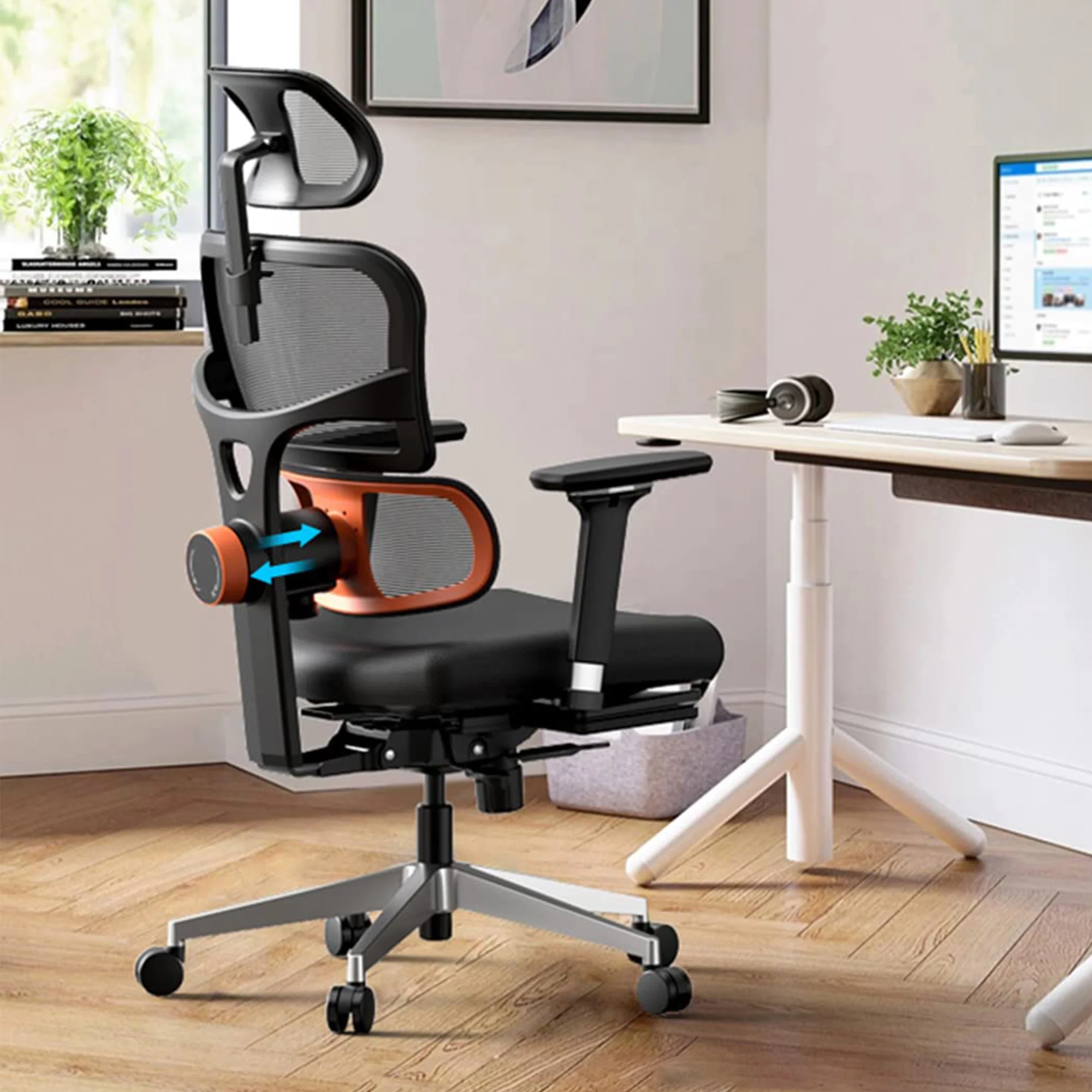
Aploda.com – High back ergonomic office chairs are superior for chronic neck pain relief because they provide continuous support for the cervical spine and head, whereas mid-back chairs often leave the upper traps and neck unsupported during reclined positions.
Choosing the right office chair is a critical decision for anyone spending more than four hours a day at a desk. Neck pain is rarely an isolated issue; it is almost always a byproduct of poor posture radiating from the thoracic spine. When you sit for extended periods, the muscles in your neck and upper back fatigue, leading to the “forward head” posture that causes tension headaches and chronic soreness. Understanding the structural differences between high-back and mid-back chairs can be the difference between a productive workday and a debilitating evening of recovery.
The Structural Anatomy of a High-Back Chair
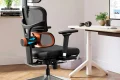
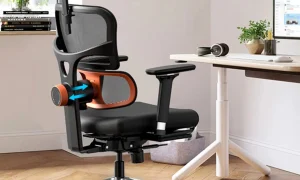
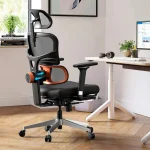
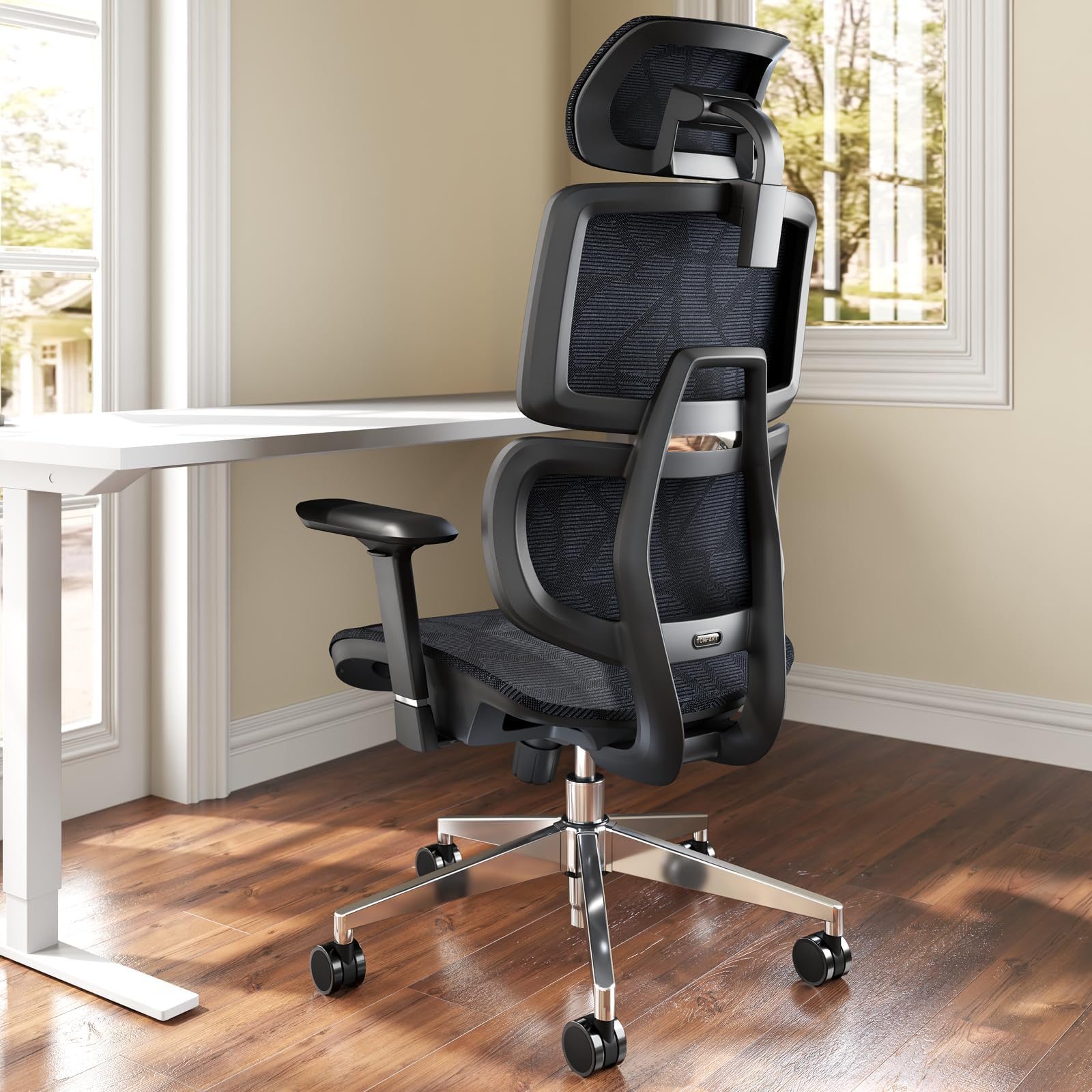
A high-back ergonomic chair is designed to extend from your lumbar region all the way up to your shoulders or head. The primary advantage here is the inclusion of a headrest or an extended backrest that allows your neck muscles to disengage completely. When you lean back to take a phone call or read a document, a high-back chair ensures that your cervical vertebrae remain in a neutral, supported position.
For individuals suffering from acute neck pain, the “cradle effect” provided by a high-back chair is essential. It prevents the head from hanging unsupported, which places massive strain on the levator scapulae and trapezius muscles. By maintaining a natural curve in the neck, these chairs reduce the mechanical stress that leads to inflammation and stiffness by the end of the day.
The Limitations and Benefits of Mid-Back Chairs
Mid-back chairs typically stop at the shoulder blades. While they are often more aesthetically pleasing and better suited for smaller office spaces, they force the user to rely entirely on their own muscular strength to keep the head upright. If you have any underlying neck weakness, a mid-back chair provides no “reset” point for your neck muscles.
However, mid-back chairs can be beneficial for those who are highly active at their desk, constantly leaning forward to type or interact with clients. Because they do not restrict movement, they can encourage a more dynamic range of motion. The risk, however, is that as you grow tired, your posture will inevitably slump, and without a headrest to catch your weight, your neck takes the full impact of that collapse.
Comparison of Ergonomic Features
| Feature | High-Back Chair | Mid-Back Chair |
|---|---|---|
| Neck/Head Support | Full (Cervical support) | None (Thoracic support only) |
| Recline Comfort | High (Allows for resting) | Low (No head support) |
| Best For | Chronic neck/back pain | Active, dynamic work |
| Footprint | Large/Bulky | Compact/Minimalist |
Common Mistakes When Adjusting Your Chair
Even the most expensive high-back chair will fail to relieve neck pain if it is adjusted incorrectly. The most common error is positioning the headrest too low, which forces the neck into a forward-leaning (kyphotic) position. Another mistake is failing to adjust the lumbar support first. If your lower back is not properly supported, your entire spine will round, making it physically impossible for your neck to remain in a neutral alignment.
Read also: Bamboo vs Solid Wood vs Laminate Desktop: Durability Comparison
Always ensure your feet are flat on the floor and your knees are at a 90-degree angle before adjusting the backrest. If your chair has a headrest, it should sit comfortably at the base of your skull, not behind your neck. This placement allows the headrest to support the weight of your head, taking the load off your cervical discs.
Step-by-Step Guide to Optimizing Your Chair for Neck Relief
- Adjust the seat height so that your feet are planted firmly on the floor and your thighs are parallel to the ground.
- Set the lumbar support to fit the natural inward curve of your lower back, ensuring your pelvis is tilted slightly forward.
- Adjust the armrests so that your elbows are at a 90-degree angle, which prevents the shoulders from shrugging and pulling on the neck muscles.
- Position the headrest (if using a high-back chair) to cradle the back of your head, keeping your ears aligned with your shoulders.
- Test the recline tension; it should be firm enough to support your weight when you lean back but flexible enough to allow for micro-movements.
Why Neck Pain Often Originates Lower
It is a common misconception that neck pain is entirely a “neck problem.” In many cases, it is a compensation for a weak core or poor thoracic mobility. If your mid-back is stiff, your neck will attempt to compensate for the lack of movement by over-extending. This is why high-back chairs are generally recommended for chronic sufferers; they provide a structural anchor that forces the thoracic spine into a better position, which in turn allows the neck to relax.
If you find that your neck pain persists regardless of the chair you use, consider integrating desk-side stretches. Simple chin tucks and shoulder blade squeezes every hour can help reset the muscles that the chair supports. A chair is a tool, not a cure; it must be used in conjunction with healthy movement patterns to be truly effective.
Frequently Asked Questions
Q: Does a headrest actually help with neck pain?
A: Yes, provided it is adjusted correctly. A headrest allows the muscles of the neck to rest during periods of inactivity or while reading, preventing the strain caused by holding the head up against gravity for hours.
Q: Can I add a headrest to a mid-back chair?
A: Generally, no. Most chairs are engineered with specific mounting points. Adding a third-party headrest often compromises the structural integrity of the chair and rarely provides the ergonomic alignment necessary for medical relief.
Q: How do I know if my chair is the cause of my pain?
📷 Photo by storage.googleapis.com
A: If your pain is significantly worse at the end of the workday compared to the morning, and if you feel relief when standing or moving, your chair is likely failing to provide adequate support for your specific spinal anatomy.
Ultimately, investing in a high-back ergonomic chair is a proactive measure against long-term spinal issues. While mid-back chairs have their place in minimalist office designs, they simply do not offer the comprehensive support required to mitigate the physical toll of modern sedentary work. If your goal is pain management, prioritize the high-back model with adjustable lumbar and cervical support to ensure your neck remains protected throughout the day.
📷 Photo by eurekaergonomic.com