


Aploda.com – Transitioning from sitting to standing without foot fatigue is achieved by engaging your core muscles to stabilize your posture, distributing weight evenly across the entire surface of your feet, and avoiding the common habit of locking your knees.
Many people experience foot fatigue not because of standing itself, but because of the way they initiate the movement from a seated position. When you move from a sedentary state to an upright position, your muscles often remain dormant, leading to a sudden, jarring shift in weight. By consciously activating your glutes and core before your feet bear the full load, you can significantly reduce the pressure placed on your arches and heels.
The Mechanics of Proper Transitioning
The primary cause of foot pain during this transition is poor weight distribution. When you stand up, you might lean forward too aggressively, causing your body weight to shift primarily onto the balls of your feet or your toes. This forces the small muscles in the feet to compensate for the imbalance immediately. Instead, you should aim for a neutral spine and a deliberate push through the midfoot and heel area to ensure the load is spread across the entire plantar surface.
Another common mistake is locking the knees immediately upon standing. Locking the joints forces the muscles to “turn off,” leaving your ligaments and the structural integrity of your feet to hold your body weight against gravity. Keeping a “soft” knee—a slight, barely perceptible bend—keeps the muscles engaged and acts as a shock absorber for your feet.
Step-by-Step Guide to Fatigue-Free Standing
- Position your feet slightly behind your knees while seated to create a stable base of support.
- Engage your abdominal muscles and glutes before you begin to lift your hips from the chair.
- Lean forward from your hips, not your waist, keeping your chest open and your spine neutral.
- Push through your heels rather than your toes to activate the larger muscles in your legs.
- Once fully upright, ensure your weight is evenly distributed between the ball of the foot, the outer edge, and the heel.
- Maintain a micro-bend in your knees to prevent joint locking and ensure muscular engagement.
Comparing Standing Techniques
| Technique | Impact on Foot Fatigue | Recommended For |
|---|---|---|
| Toe-Heavy Push | High (causes strain on arches) | Avoid at all costs |
| Knee-Locking Stand | Medium (joint and ligament stress) | Short, infrequent bursts |
| Heel-Focused Stand | Low (optimal weight distribution) | Daily use and long-term health |
| Core-Engaged Stand | Minimal (best support) | All body types and ages |
Common Causes of Foot Fatigue
Foot fatigue often stems from a lack of support or improper footwear, but the transition phase is frequently overlooked. If your footwear lacks adequate arch support, the transition from sitting to standing acts as a sudden impact event. This impact sends a shockwave through the plantar fascia, which is why your feet might feel sore even if you have not been walking long.
📷 Photo by storage.googleapis.com
Furthermore, poor posture while sitting can exacerbate the issue. If you sit with your legs crossed or tucked under the chair for long periods, you restrict blood flow and increase muscle tension. When you finally stand, these muscles are already compromised, making them less capable of supporting your weight effectively. Regularly stretching your calves and ankles while seated can prime your feet for a smoother transition.
Tips for Long-Term Foot Health
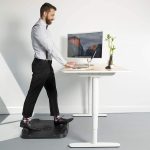
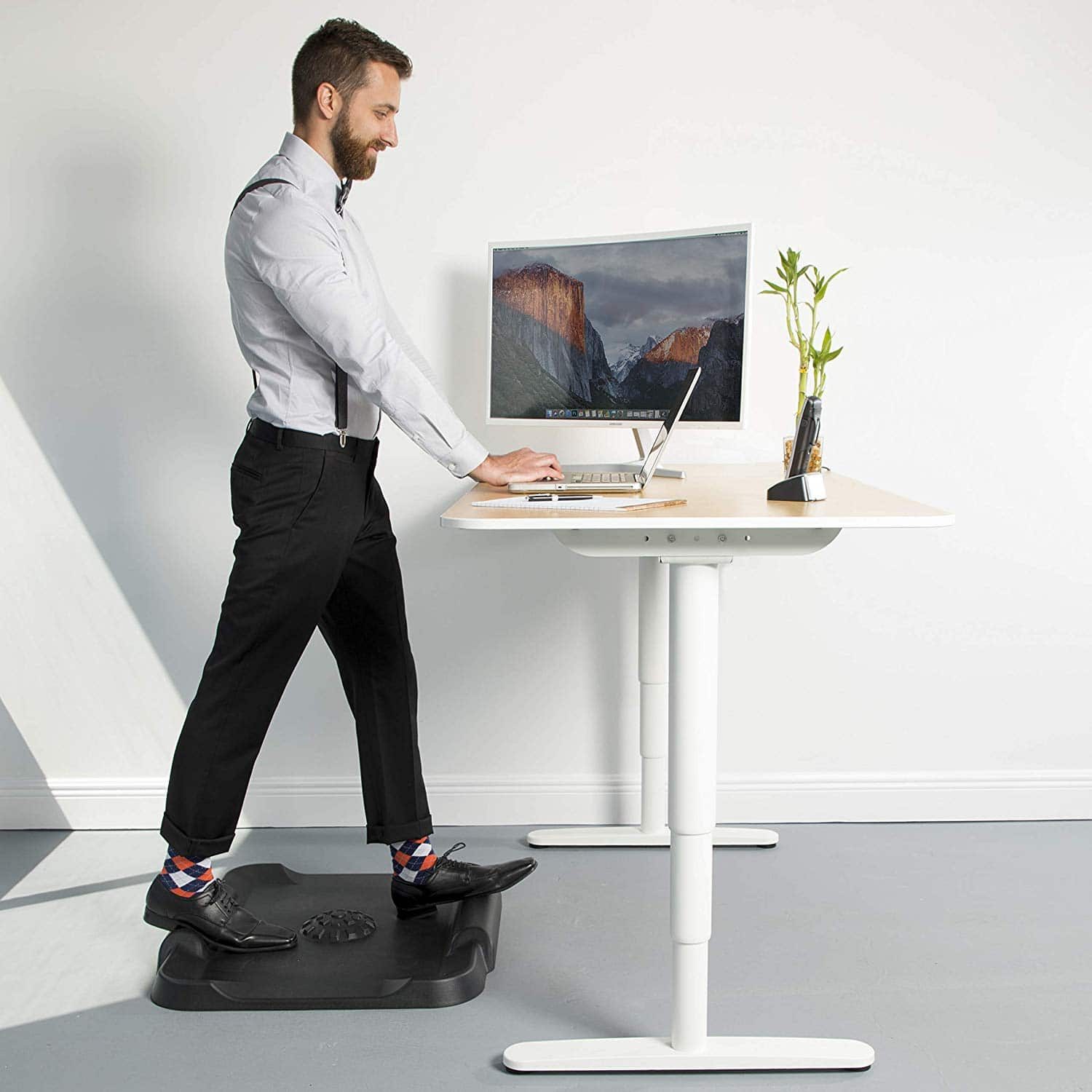
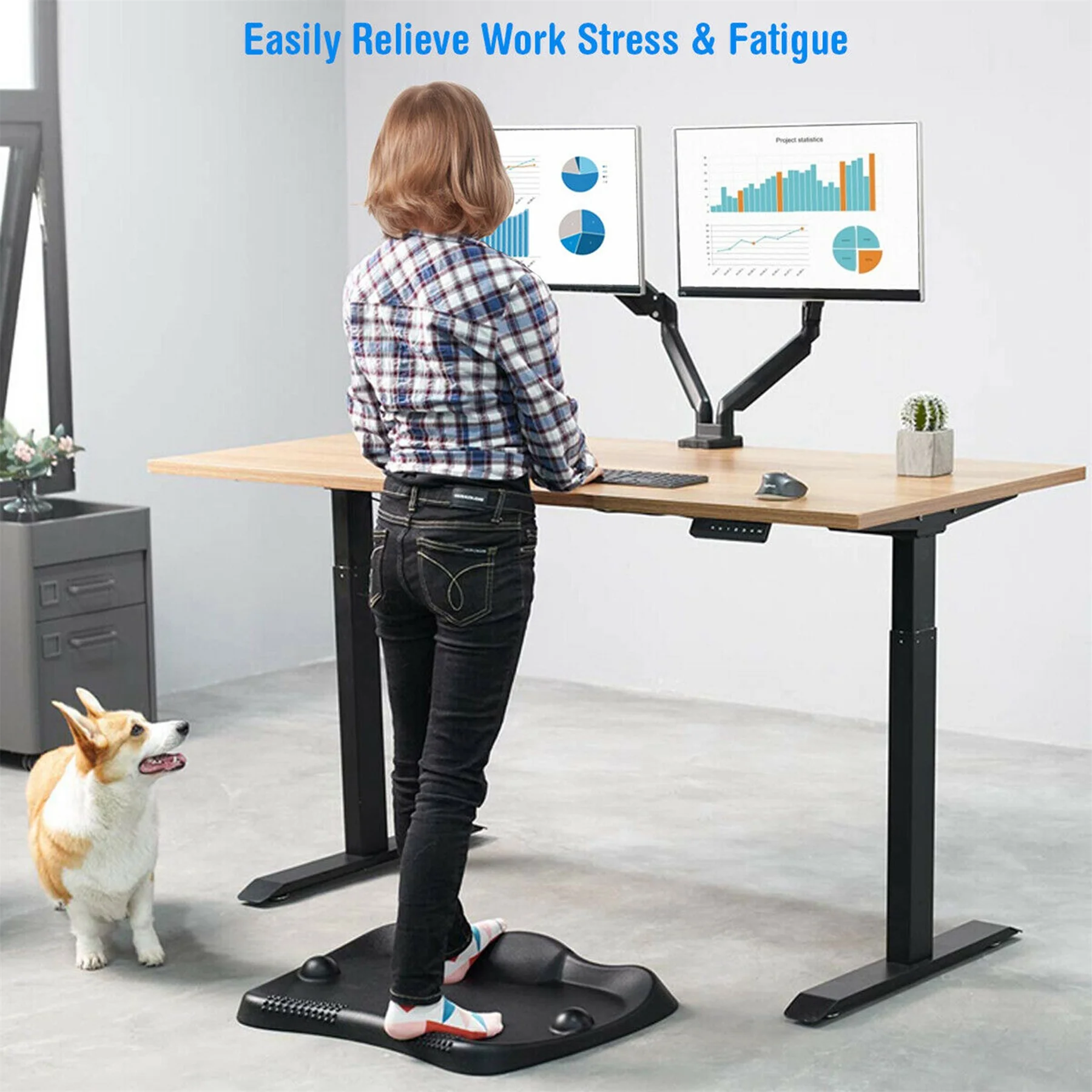
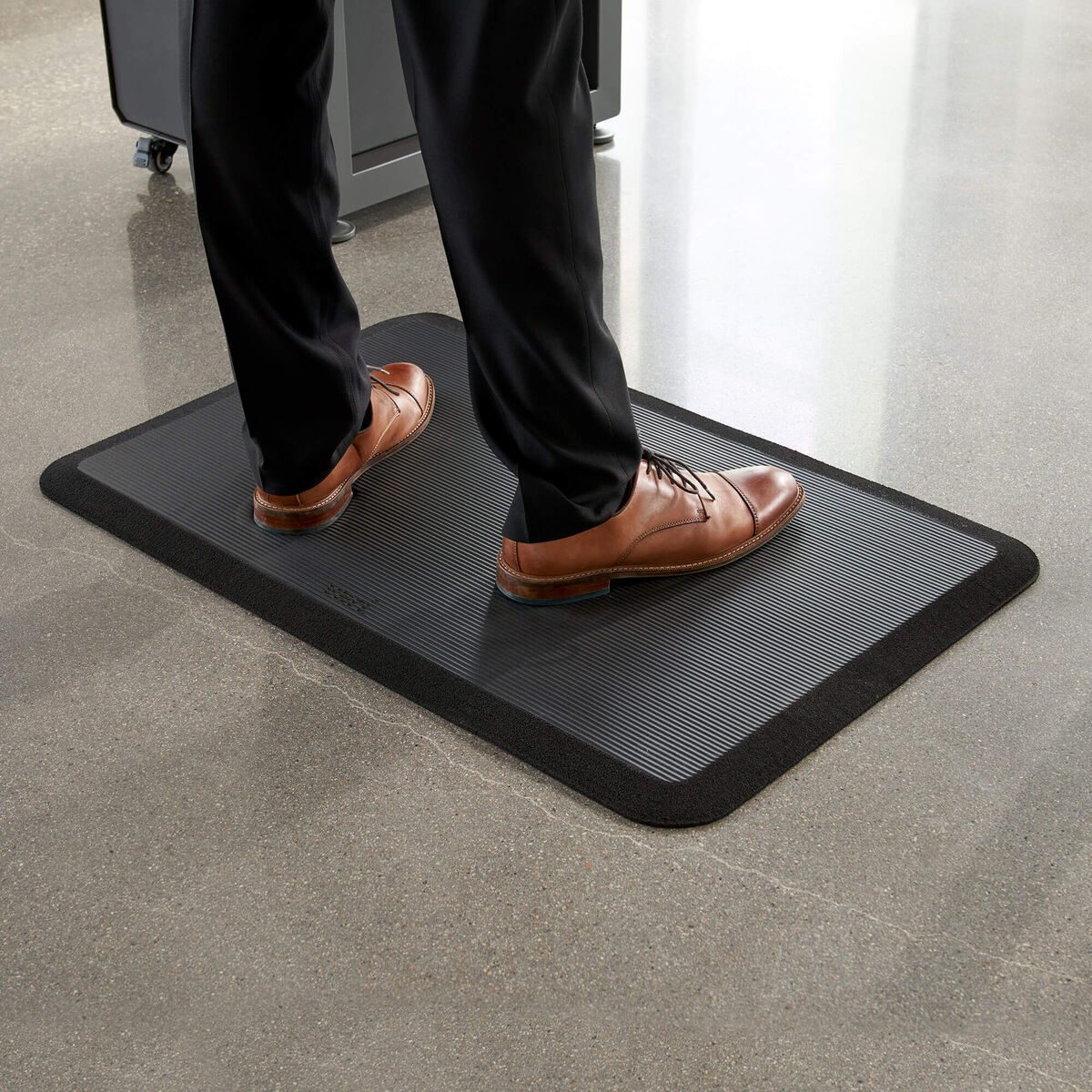
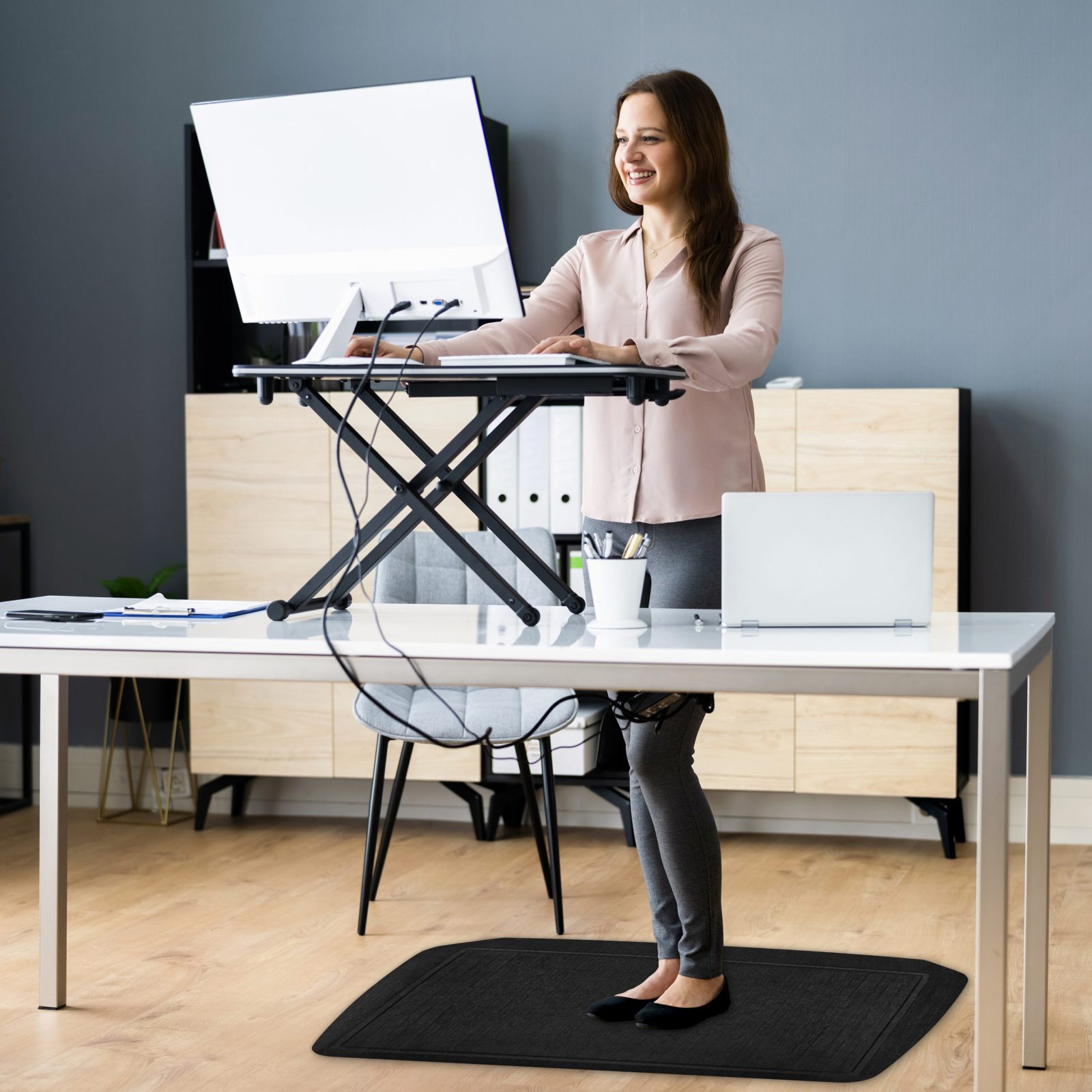
To further minimize fatigue, consider the surface you are standing on. Hard surfaces like concrete or thin tiles provide zero shock absorption, forcing your feet to do all the work. If you work at a standing desk, an anti-fatigue mat is not a luxury; it is a necessity that allows for subtle micro-movements, which keep blood circulating and prevent static loading of the foot tissues.
Additionally, pay attention to the width of your stance. Standing with your feet too close together limits your base of support, forcing your ankles to work harder to stabilize your body. A hip-width stance is generally the most ergonomic, as it allows your body weight to be supported by your skeletal structure rather than relying solely on muscular effort.
Frequently Asked Questions
Q: Why do my feet burn immediately after I stand up?
A: This burning sensation is often caused by a sudden rush of blood to the feet combined with the pressure of your body weight hitting the plantar fascia all at once. Engaging your core and standing up slowly can help mitigate this.
📷 Photo by vari.com
Q: Does the type of chair I use affect foot fatigue?
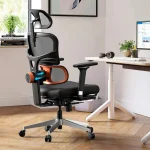
A: Yes, a chair that is too low forces your knees to be higher than your hips, making the transition to standing more difficult and putting excessive strain on your lower legs and feet. Ideally, your hips should be at the same level or slightly higher than your knees.
📷 Photo by buymats.com
Q: Should I wear shoes while indoors to prevent fatigue?
A: If you have hard floors, wearing supportive indoor footwear or slippers with arch support can prevent the repetitive micro-trauma that leads to chronic foot fatigue, especially when transitioning from sitting to standing frequently throughout the day.
By implementing these small, deliberate changes in how you move, you can prevent the cumulative stress that leads to end-of-day foot pain. Focus on the engagement of your larger muscle groups and the distribution of your weight, and your feet will thank you with increased stamina and comfort.
Read also: High Back vs Mid Back Ergonomic Office Chair for Neck Pain Relief
📷 Photo by storage.googleapis.com