




Aploda.com – Choosing between an ergonomic office chair and a balance ball chair depends on your specific spinal health needs, as ergonomic chairs provide essential lumbar support for long hours, while balance balls are best reserved for short, active sitting bursts to engage core muscles.
Lower back pain has become the modern professional’s most persistent shadow. As we spend upwards of eight hours a day tethered to our desks, the furniture we choose determines whether we finish the day feeling invigorated or crippled by stiffness. The debate between the traditional ergonomic office chair and the trendy balance ball chair is not merely about aesthetics; it is a fundamental question of spinal alignment versus muscular endurance.
The Case for Ergonomic Office Chairs
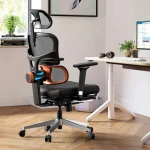
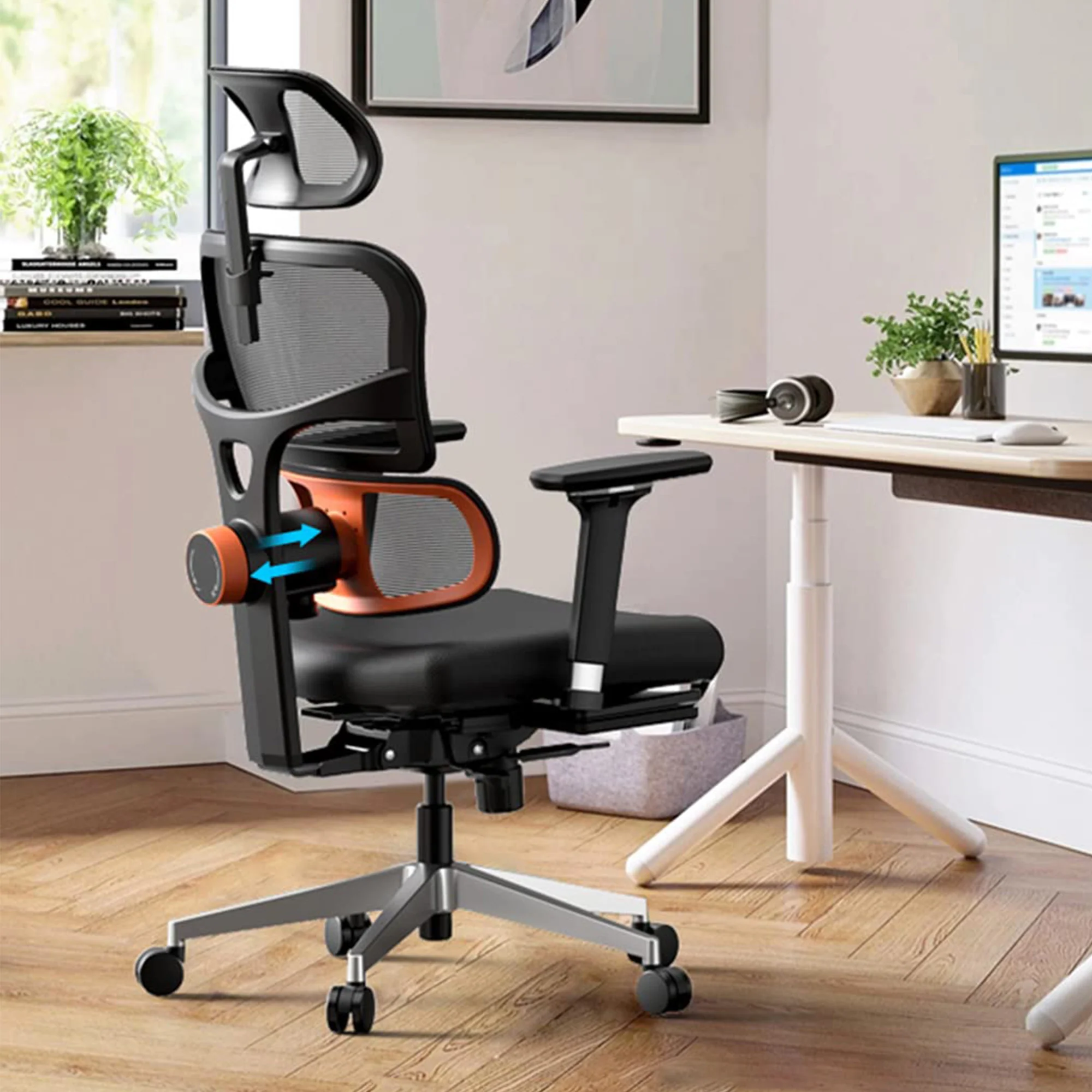
Ergonomic chairs are engineered with the human anatomy in mind. Their primary function is to maintain the natural S-curve of the spine, reducing the pressure on the intervertebral discs. When you sit in a high-quality ergonomic chair, you are receiving passive support. This allows your muscles to relax, which is crucial when you are performing deep work that requires intense concentration for extended periods.
The hallmark of a good ergonomic chair is adjustability. You can modify the seat height, armrest position, and lumbar depth to fit your unique body proportions. By keeping the pelvis in a neutral position, these chairs prevent the “slouch” that leads to chronic lower back pain. For those already suffering from disc issues or sciatica, the stability offered by an ergonomic chair is often the medically recommended path.
The Reality of Balance Ball Chairs
Balance ball chairs, or stability balls, were popularized as a way to “sit actively.” The logic is that by sitting on an unstable surface, your core muscles are forced to engage to maintain balance. Proponents argue that this constant micro-adjustment prevents muscle atrophy and improves posture. However, the reality for many office workers is quite different.
The main issue with balance balls is fatigue. Humans are not designed to maintain core engagement for eight hours straight. As the day progresses and your muscles grow tired, your posture inevitably collapses. Without the backrest of an ergonomic chair, this collapse often leads to even worse spinal rounding than you would experience in a standard chair. Furthermore, balance balls lack the necessary support to keep the spine in a neutral position during periods of mental fatigue.
Comparison Table: Ergonomic Chair vs. Balance Ball
| Feature | Ergonomic Office Chair | Balance Ball Chair |
|---|---|---|
| Primary Benefit | Spinal alignment and support | Core engagement and activity |
| Ideal Usage Time | Full working day (8+ hours) | Short bursts (15–30 minutes) |
| Muscle Fatigue | Low (passive support) | High (constant engagement) |
| Adjustability | High (height, tilt, lumbar) | None (fixed size) |
| Best For | Chronic back pain relief | Active breaks and posture cues |
How to Transition Safely to Active Sitting
If you decide to incorporate a balance ball into your workspace, do not replace your ergonomic chair entirely. Instead, use the ball as a supplementary tool to break up sedentary periods. Follow these steps to ensure you do not aggravate your back pain during the transition.
- Start with small increments of time, beginning with only 15 minutes in the morning and afternoon.
- Ensure your desk height is adjusted so that your elbows remain at a 90-degree angle while sitting on the ball.
- Keep your feet flat on the floor, shoulder-width apart, to provide a stable base for your pelvis.
- Listen to your body; if you feel pain or excessive strain in your lower back, return to your ergonomic chair immediately.
- Never use the balance ball for tasks requiring high precision or long periods of typing, as you will lose focus on your posture.
Common Mistakes That Exacerbate Back Pain
Regardless of the chair you choose, the way you sit matters more than the equipment itself. One of the most common mistakes is the “static posture trap.” Even in the most expensive ergonomic chair, sitting perfectly still for four hours will cause blood flow to stagnate and muscles to tighten. You must incorporate movement into your routine, such as standing up every hour to stretch your hip flexors.
Another frequent error is improper lumbar placement. Many people place the lumbar support of their chair too high or too low. It should rest firmly in the curve of your lower back, just above your belt line. If the support is pushing on your rib cage or your sacrum, you are actually creating tension rather than relieving it.
The Verdict for Chronic Sufferers
If your primary goal is the management of existing lower back pain, the ergonomic office chair remains the superior choice. It provides the structural integrity needed to protect your spine while you work. The balance ball chair should be viewed as a piece of exercise equipment, not a replacement for a workstation chair. Using it for short sessions can help wake up your core muscles, but it is an unreliable tool for long-term spinal health.
Frequently Asked Questions
Q: Can a balance ball chair cure my chronic back pain?
A: No. While it may strengthen your core, it does not provide the structural support required for the spine during extended periods of sitting and can actually increase pain if used incorrectly.
Q: Should I get a balance ball chair if I have a herniated disc?
A: It is generally advised against. Consult with a physical therapist before using an unstable surface like a balance ball, as the lack of back support can increase the pressure on already compromised discs.
Q: What is the most important adjustment I can make to my ergonomic chair?
A: The seat height. Ensuring your knees are at a 90-degree angle with your feet flat on the floor is the foundation for all other ergonomic adjustments, preventing excessive pressure on the lumbar spine.
Investing in your workspace is an investment in your long-term health. By prioritizing supportive seating and supplementing with movement, you can mitigate the risks of the sedentary professional lifestyle. Remember, your body craves variety; the best chair is the one that allows you to change positions frequently throughout the day.
📷 Photo by eurekaergonomic.com