

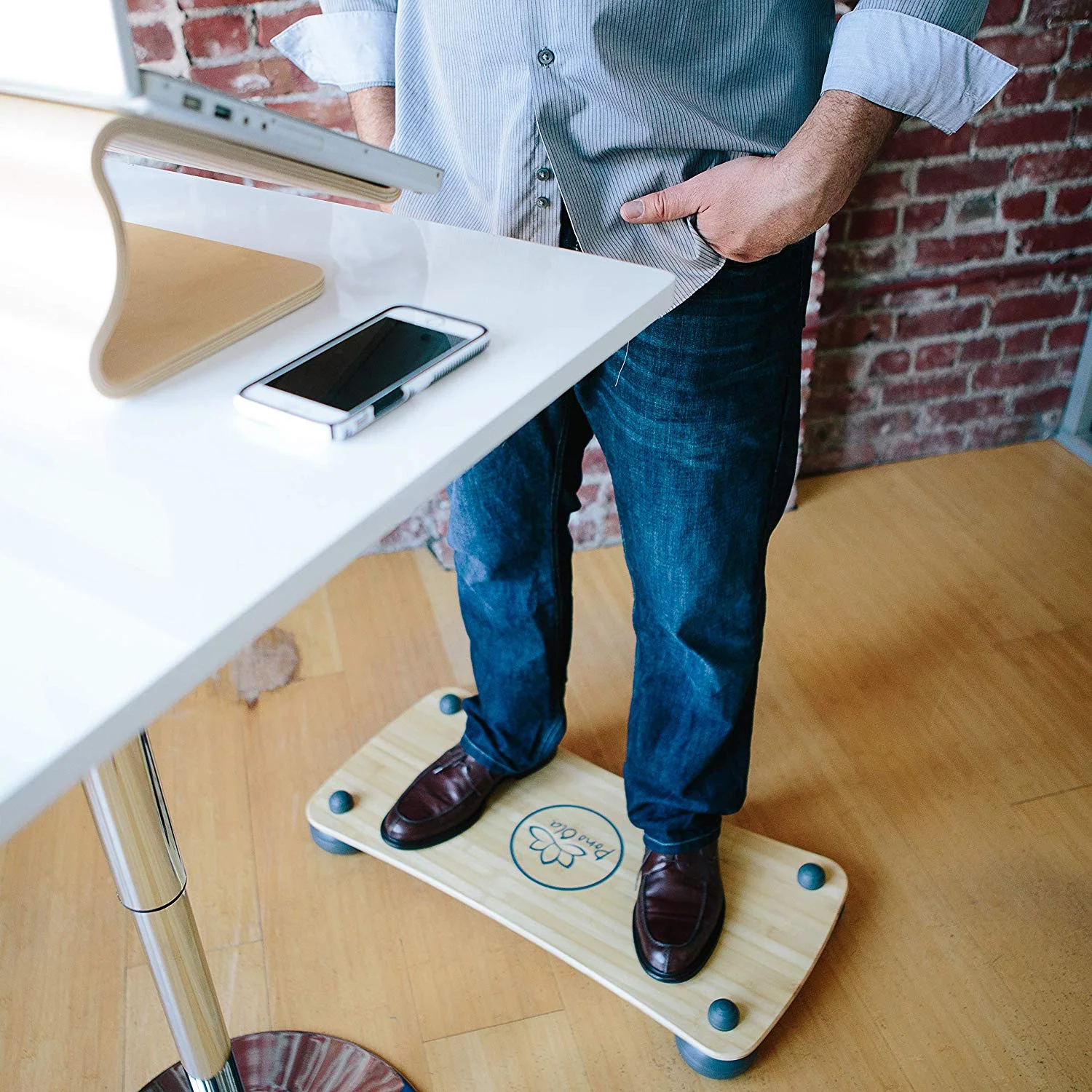
Aploda.com – A desk footrest provides ergonomic support to reduce lower back strain during sedentary hours, while a balance board promotes micro-movements to improve core stability and blood circulation while standing.
Choosing between a desk footrest and a balance board depends entirely on your primary work posture and your long-term health goals. Many office workers struggle with the “sitting disease,” where prolonged immobility leads to poor posture and muscle atrophy. By understanding the specific mechanics of both tools, you can transform your workspace into a dynamic environment that supports rather than hinders your physical well-being.
The Ergonomic Benefits of a Desk Footrest
A desk footrest is primarily designed for those who spend the majority of their day seated. Its main purpose is to correct the angle of your legs and feet, which often dangle or rest at awkward angles when a chair height is not perfectly matched to desk height. When your feet are properly supported, your knees, hips, and lower back align naturally.
Without a footrest, many people cross their legs or tuck their feet under their chair. Both habits are detrimental. Crossing your legs restricts blood flow and creates an imbalance in your pelvis, while tucking feet underneath puts unnecessary pressure on the knee joints. A high-quality footrest encourages a neutral spine position, which is the cornerstone of preventing chronic back pain.
The Dynamic Nature of Balance Boards
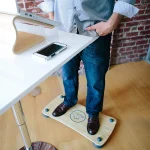
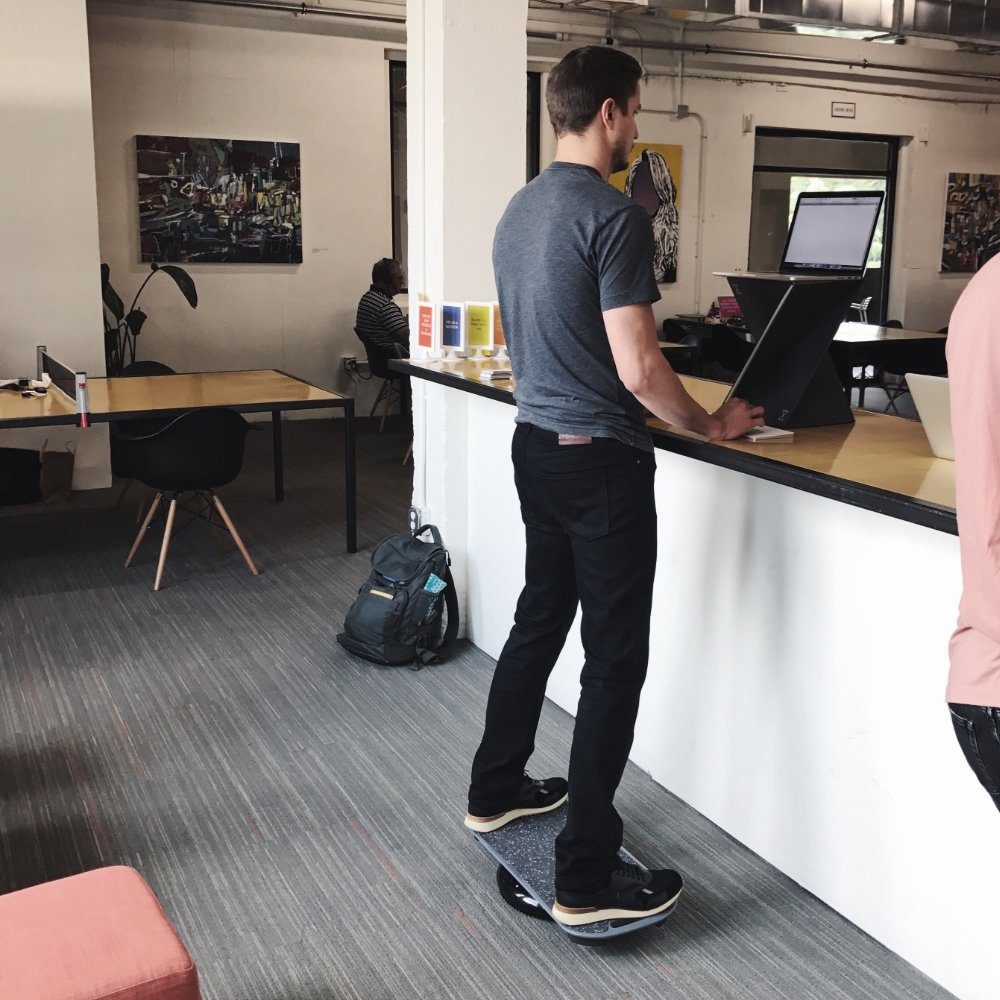
Balance boards are designed specifically for the standing portion of your workday. They are not meant to be used while sitting. By introducing an unstable surface, a balance board forces your core muscles to engage continuously to keep you upright. This active engagement prevents the “static standing” trap, where you lock your knees and put excessive strain on your lumbar spine.
Using a balance board improves proprioception—the body’s ability to sense its position in space. It also increases metabolic rate slightly compared to standing perfectly still. The constant micro-adjustments keep your joints lubricated and prevent the blood pooling in the lower extremities that often occurs during long periods of standing.
Comparing Ergonomic Tools
| Feature | Desk Footrest | Balance Board |
|---|---|---|
| Primary Use | Seated Work | Standing Work |
| Main Benefit | Posture Alignment | Core Engagement |
| Muscle Impact | Reduces Spinal Load | Strengthens Stabilizers |
| Ideal For | Sedentary Office Roles | Active Standing Desks |
| Movement Level | Low (Stationary) | High (Dynamic) |
How to Integrate These Tools Effectively
If you have a sit-stand desk, you might wonder if you need both. The answer is yes, if you want to optimize both postures. However, implementation is key. You should not attempt to use a balance board for eight hours straight, just as you should not use a footrest to justify poor seating posture.
Follow these steps to transition effectively between these two tools:
- Assess your chair height so that your feet rest flat on the floor or a footrest with your knees at a 90-degree angle.
- Use the footrest during the first two hours of your morning session to maintain spinal alignment while you focus on deep work.
- Switch to a standing position for 30–45 minutes, placing your balance board under your feet to encourage gentle, rhythmic movement.
- Avoid using the balance board while wearing heels or restrictive footwear; opt for flat shoes or socks for better grip and stability.
- Limit balance board usage if you feel fatigue in your calves or ankles, switching back to a seated position with the footrest to allow muscle recovery.
Common Mistakes to Avoid
One of the most frequent errors is using a balance board as a toy rather than a tool. You should not be performing complex tricks or intense squats while working, as this distracts from cognitive tasks and increases the risk of injury. Keep the movements subtle and controlled. The goal is “active sitting” or “active standing,” not a gym workout.
📷 Photo by storage.googleapis.com
Conversely, the mistake with footrests is choosing one that is too high or too soft. A footrest that is too high will force your knees upward, causing hip flexion issues. A soft, squishy footrest may feel comfortable for five minutes but lacks the structural integrity to support your weight properly throughout the day. Always prioritize firm, adjustable options.
Addressing Potential Risks
While both tools are beneficial, they are not universal cures. If you suffer from severe chronic pain, you should consult a physical therapist before introducing a balance board. The instability of the board can aggravate existing ankle or knee injuries if your musculoskeletal system is not ready for the challenge. Always start with a balance board for only 10–15 minutes at a time to build tolerance in your stabilizing muscles.
For footrests, the risk is usually related to ergonomics. If you adjust your footrest but continue to slouch in your chair, the footrest will not save your back. You must maintain an upright posture with your monitor at eye level for any ergonomic tool to be effective. The footrest is a support, not a replacement for good posture habits.
Q: Can I use a balance board while sitting?
A: No, balance boards are strictly designed for standing. Attempting to balance on one while sitting can lead to instability, potential falls, and improper strain on your lower back.
Q: Is a footrest necessary if I have a high-quality office chair?
A: If your chair allows your feet to rest flat on the floor with your thighs parallel to the ground, you may not need a footrest. However, if your desk is too high and forces you to raise your chair to a point where your feet no longer touch the floor, a footrest is essential.
Q: How long should I spend on a balance board each day?
A: Start with intervals of 15–20 minutes. Total daily usage should rarely exceed two hours to avoid over-fatiguing the stabilizing muscles in your legs and core.
Choosing the right tool is about listening to your body. If you feel lethargic while sitting, a footrest helps you maintain the energy of a proper posture. If you feel stiff while standing, a balance board provides the necessary movement to keep your circulation flowing. By alternating between these tools, you create a balanced, ergonomic environment that sustains your productivity throughout the entire workday.
Read also: Corner L-Shaped Electric Standing Desk: Best Layouts for Productivity
📷 Photo by deskadvisor.org