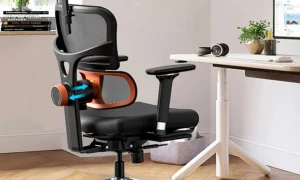
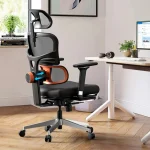



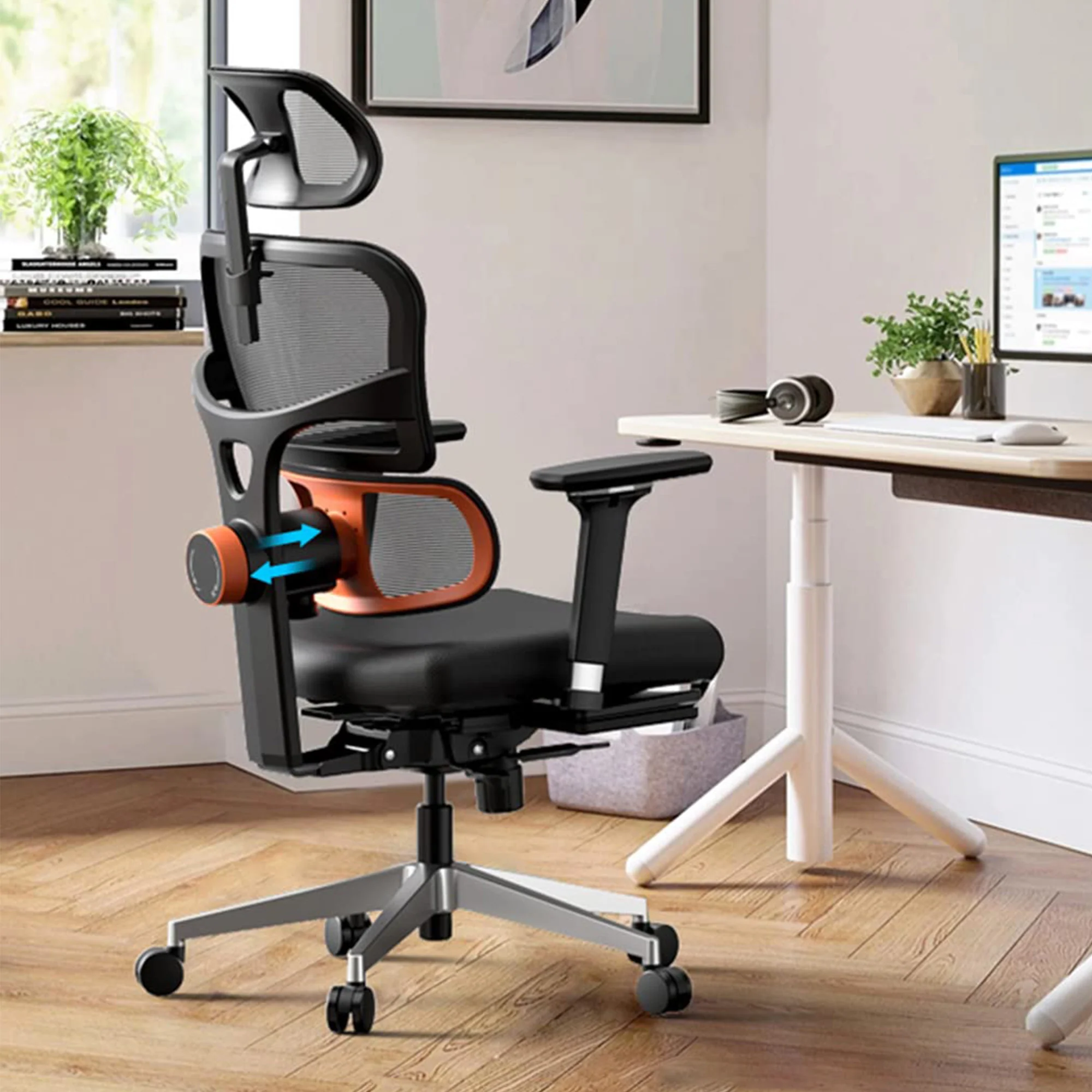
Aploda.com – An ergonomic headrest is essential for users who frequently recline or suffer from neck strain, but it remains optional for those who maintain a strict upright posture throughout the workday.
The debate between choosing a chair with or without a headrest often boils down to how you interact with your workstation. While many high-end ergonomic chairs come standard with a headrest, they are not a universal requirement for everyone. Understanding your specific postural habits is the first step in deciding whether this feature will support your spine or simply become an unused piece of plastic.
The Primary Purpose of a Headrest
The main function of a headrest is to provide support for the cervical spine when you are in a reclined position. When you tilt your chair back to take a break, read a document, or attend a virtual meeting, your neck muscles often work to keep your head aligned with your spine. A properly adjusted headrest acts as a cradle, allowing your neck muscles to relax and reducing the risk of tension headaches and upper shoulder fatigue.
However, if your work requires you to lean forward toward a monitor for long periods, a headrest will likely never touch your head. In this scenario, the headrest might even be a hindrance, pushing your head forward if it is poorly designed or incorrectly adjusted, which leads to the dreaded “forward head posture.”
Comparing Chair Configurations
To determine if you need a headrest, consider the following comparison of usage scenarios and physical requirements.
| Feature | Chair with Headrest | Chair without Headrest |
|---|---|---|
| Primary Use Case | Reclining, relaxing, long meetings | Upright, active task-oriented work |
| Neck Support | High (when reclined) | Minimal (relies on posture) |
| Space Requirements | Requires more clearance behind | Compact, fits under small desks |
| Best For | Tall users, chronic neck pain | Short users, restricted workspaces |
When You Actually Need a Headrest
You should prioritize a headrest if you fall into one of these three categories. First, if you have a history of neck pain or cervical spine issues, the added support can provide significant relief by unloading the weight of your head from your neck muscles. Second, if your chair has a deep recline function that you use frequently, a headrest is almost mandatory to prevent your head from dangling unsupported.
Third, taller individuals often find that headrests provide a structural anchor for their upper back. For many, the physical sensation of having something behind the head promotes a sense of security and encourages better overall alignment during intermittent breaks from intense focus.
Read also: Three-Stage vs Two-Stage Legs on Electric Standing Desks
How to Properly Adjust Your Headrest
Many people complain that headrests are uncomfortable, but this is usually due to improper adjustment. If you decide to invest in a chair with a headrest, follow these steps to ensure it serves its purpose rather than causing discomfort:
- Sit fully back in the chair with your spine firmly against the lumbar support.
- Adjust the chair height so your feet are flat on the floor and your thighs are parallel to the ground.
- Slide the headrest vertically until the center of the cushion rests against the curve of your neck, just above your shoulders.
- Adjust the tilt or depth of the headrest so it gently touches the back of your head when you lean back slightly.
- Avoid locking the headrest so far forward that it forces your chin toward your chest.
Common Mistakes When Choosing Chairs
One of the most frequent mistakes buyers make is assuming that a headrest is a “one-size-fits-all” solution. Some headrests are fixed and cannot be adjusted for height or angle. If you are exceptionally tall or short, a fixed headrest will likely hit your shoulders or the base of your skull, causing more harm than good. Always check the specifications to see if the headrest has height and depth adjustability.
Another mistake is prioritizing the headrest over lumbar support. A chair with a perfect headrest but poor lumbar support is an ergonomic failure. Your lower back is the foundation of your posture; if the foundation is weak, no amount of neck support will save your back from long-term damage. Always ensure the lumbar support is adjustable and suits your spine’s natural curve before worrying about the headrest.
The Role of Task-Specific Ergonomics
If you are a creative professional, such as a video editor or a programmer, you likely switch between intense focus and passive reviewing. In these cases, a chair with an adjustable headrest provides the versatility needed for both modes. You can keep it pushed back or removed while coding, and pull it forward when you shift into “review mode” and lean back to watch your progress.
Conversely, if you work in a high-speed data entry role where you are constantly typing and looking down at a keyboard or document, a headrest might feel like a cage. In these environments, the best ergonomic chair is one that allows for maximum freedom of movement in the upper body and shoulders. If you rarely recline, you are likely better off saving the extra cost of a headrest and putting that budget toward higher-quality upholstery or better seat foam.
Addressing Common Concerns
Q: Does a headrest prevent forward head posture?
A: No, it often worsens it if the user is not actively sitting back. Forward head posture is primarily caused by screen placement and lack of core engagement, not by the absence of a headrest.
Q: Can I add a headrest to a chair that doesn’t have one?
A: While some aftermarket kits exist, they are rarely as stable or as effective as an integrated headrest. It is usually better to purchase a chair designed with a headrest from the start.
Q: Is a headrest necessary for shorter people?
A: Often, no. Shorter individuals may find that headrests are positioned too high even at their lowest setting, which can push their head forward and create discomfort. Testing the chair in person is critical for shorter users.
Ultimately, the decision rests on your personal comfort. If you find yourself frequently trying to rest your head against the back of your chair, you need a headrest. If you never feel the urge to lean back, save your money and focus on finding a chair with superior lumbar support and seat depth adjustability.
📷 Photo by eurekaergonomic.com