


Aploda.com – Leg fatigue during your first week of a standing desk transition is a normal physiological response to increased muscular engagement, which can be effectively managed by alternating postures, wearing supportive footwear, and implementing a gradual incremental standing schedule.
Transitioning from a sedentary seated position to a standing desk is a significant lifestyle change for your musculoskeletal system. When you sit for eight hours a day, your core muscles, glutes, and calves essentially go dormant. Suddenly demanding that these muscles support your entire body weight for extended periods during your first week creates immediate stress, leading to the sensation of heavy, tired, or aching legs.
The Physiology Behind the Ache
The primary reason for leg fatigue is the sudden shift in circulatory demand. When you sit, your heart does not have to work as hard to pump blood back up from your lower extremities against gravity. When you stand, your leg muscles must engage in constant, micro-adjustments—a process known as postural sway—to keep you balanced. If your muscles are not conditioned for this, they tire rapidly, leading to lactic acid buildup and fluid pooling in the feet and ankles.
Another common culprit is poor footwear. Many people attempt to stand on hard office flooring with flat, unsupportive dress shoes or sneakers that have lost their cushioning. Without proper arch support and shock absorption, the impact of standing is transferred directly into the bones and soft tissues of your feet, radiating upward into your calves and knees.
Practical Strategies for a Smoother Transition
To survive your first week, you must treat standing like a physical training program rather than a static state. The goal is to build endurance gradually rather than forcing your body to adapt overnight. Follow these steps to minimize discomfort and prevent injury during your initial adaptation phase:
- Start with a 20-minute standing, 40-minute sitting ratio to allow your muscles to acclimate without overexertion.
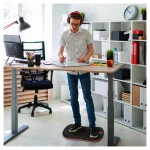
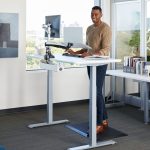
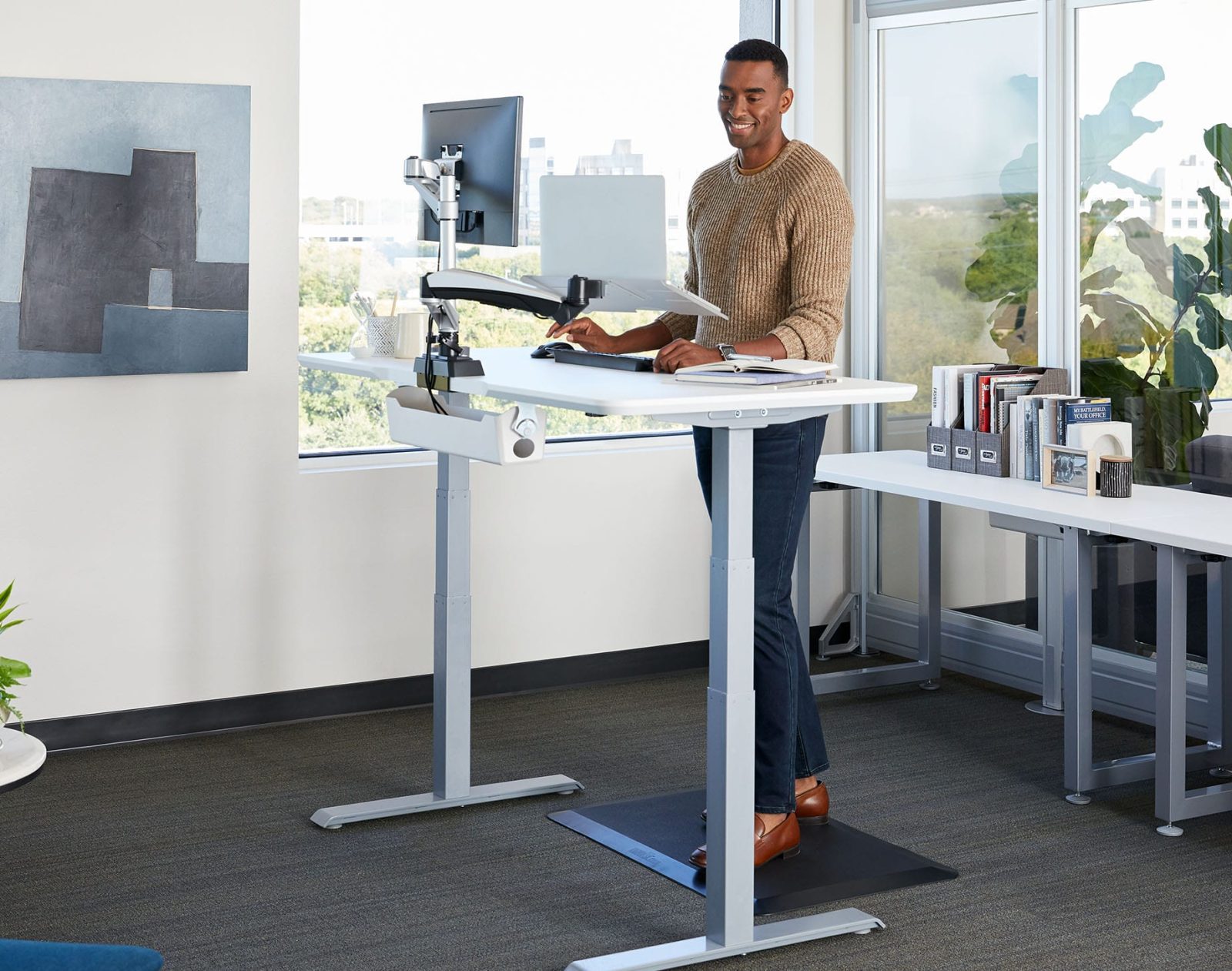
- Invest in a high-quality anti-fatigue mat, which provides a cushioned surface that encourages subtle movement and reduces pressure on the heels.
- Wear supportive, ergonomic footwear with adequate arch support, avoiding completely flat shoes or high heels.
- Implement the “dynamic standing” technique by shifting your weight from one foot to the other every few minutes.
- Perform seated calf stretches and ankle rolls during your transition periods to maintain blood flow and muscle flexibility.
- Increase your standing intervals by 10 minutes each day as your stamina improves, rather than jumping to full-day standing.
Comparison of Standing Surface Impacts
The surface you stand on significantly alters how much fatigue your legs experience by the end of the day. The following table illustrates the impact of different surfaces on leg comfort during prolonged standing.
| Surface Type | Fatigue Level | Impact on Joints | Recommended Use |
|---|---|---|---|
| Hard Concrete/Tile | Very High | High impact, joint stress | Avoid without a mat |
| Standard Office Carpet | Moderate | Low cushioning | Use with supportive shoes |
| Anti-Fatigue Mat | Low | Excellent shock absorption | Essential for standing desks |
| Hardwood Floor | High | Moderate impact | Requires rubber-soled footwear |
Common Mistakes to Avoid
One of the most frequent mistakes new users make is locking their knees. When you stand with your knees fully extended and locked, you restrict blood flow and place unnecessary strain on the joint capsules. Always maintain a “soft knee” posture, keeping your knees slightly bent to allow the muscles to take the load instead of the joints.
Read also: How to Lubricate Silicone Oil on an Under Desk Treadmill Deck
Another mistake is failing to adjust the desk height. If your desk is too low, you will lean forward, causing neck and back strain that compounds the leg fatigue. If it is too high, your shoulders will hunch, creating tension that migrates downward. Your elbows should be at a 90-degree angle, and your screen should be at eye level, allowing your legs to remain stable and relaxed.
Recognizing When to Rest
Listen to your body. There is a distinct difference between the mild muscle fatigue of adaptation and the sharp, localized pain of an injury. If you experience tingling, numbness, or shooting pains in your lower back or legs, sit down immediately. These are signs that your nerves or joints are being compressed. Do not try to “power through” sharp pain; your goal is to build a sustainable habit, not to force a physical breakdown.
Hydration also plays a silent role in leg fatigue. Proper hydration keeps your muscles pliable and helps your circulatory system function efficiently. Dehydration can lead to cramping, which is exacerbated by the strain of standing. Keep a water bottle at your desk and ensure you are drinking consistently throughout the day.
Q: Should I stand for the entire day once I get used to it?
A: No. Even experienced standing desk users benefit from a mix of sitting and standing. The ideal approach is to switch positions every 30 to 60 minutes to maximize comfort and productivity.
Q: Why do my feet swell after standing for a few hours?
A: Standing causes blood and fluid to pool in the lower extremities due to gravity. Using an anti-fatigue mat and moving your feet frequently helps the calf muscles pump that fluid back up, reducing swelling.
Q: Is it okay to stand on my toes occasionally to stretch?
A: Yes, performing gentle calf raises is highly recommended. It engages the calf muscles, which helps pump blood back toward the heart, effectively acting as a “second heart” to combat fatigue.
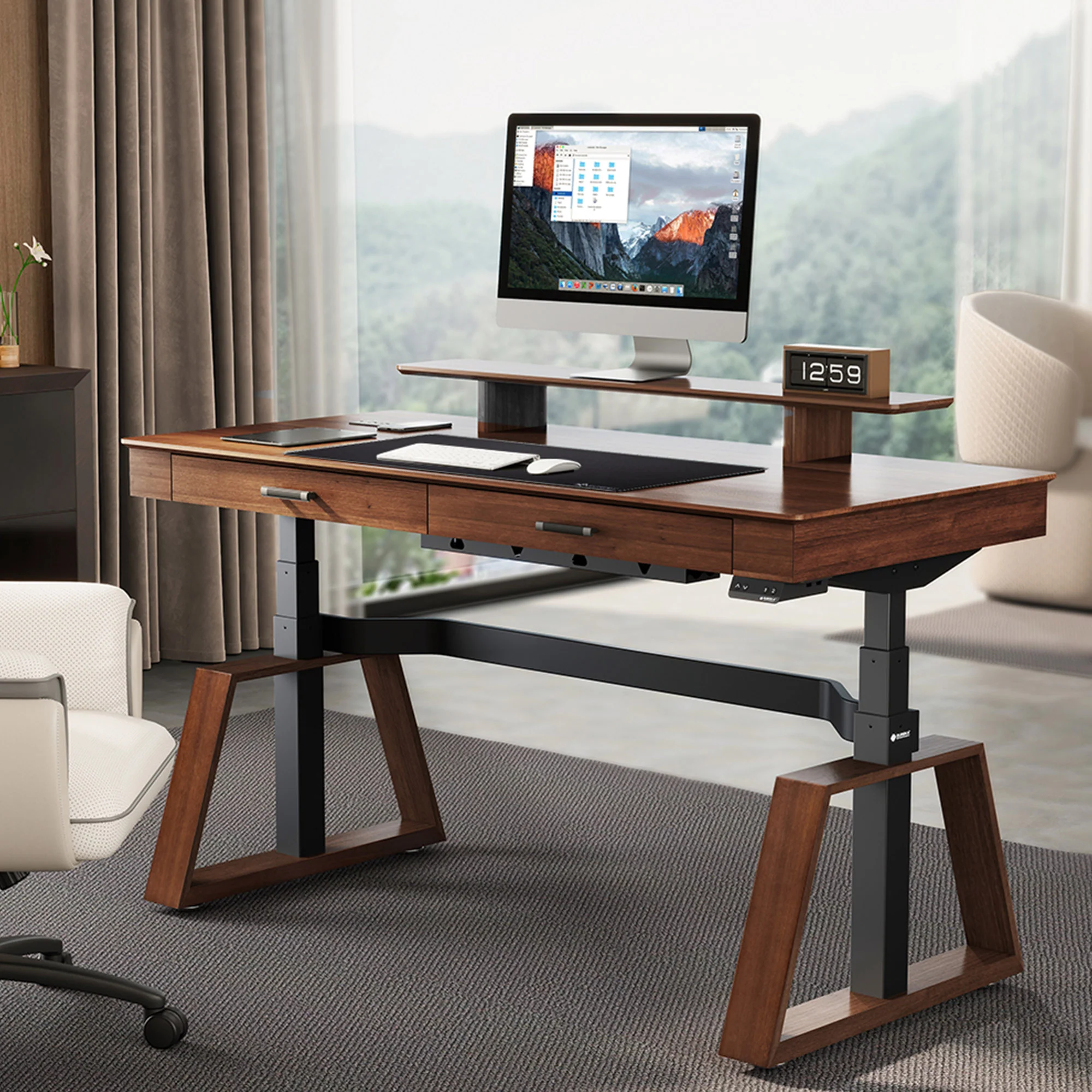
📷 Photo by bestes-von-becker.de
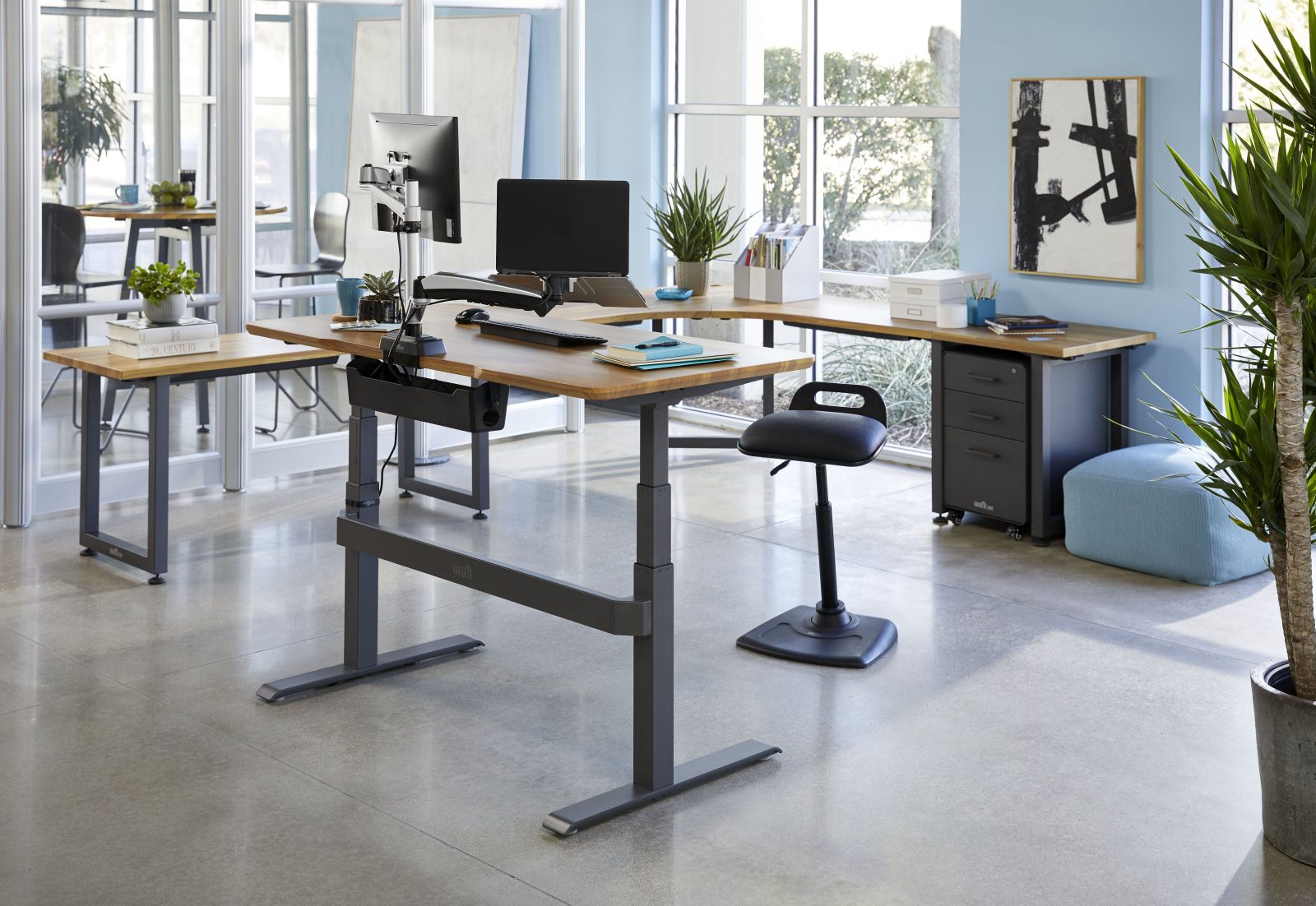
📷 Photo by pinterest.com
Ultimately, the first week is about observation. Pay attention to which shoes feel best, how your body reacts to different standing intervals, and where you feel the most tension. By making small, consistent adjustments, you will find that the initial leg fatigue fades, replaced by the increased energy and improved posture that come with a well-integrated standing desk routine.
📷 Photo by vari.com