


Aploda.com – A dedicated lumbar support pillow offers superior customization and targeted pressure relief for specific spinal curves, whereas built-in lumbar adjustment provides a more integrated, aesthetic, and stable solution for those who prefer a “set-and-forget” ergonomic experience.
Choosing the right support for your lower back is a critical decision for anyone spending long hours at a desk. Lower back pain is the most common musculoskeletal complaint among office workers, often caused by the natural inward curve of the lumbar spine flattening out during prolonged sitting. While both lumbar pillows and built-in chair adjustments aim to maintain this natural lordosis, they serve different needs based on body type, chair quality, and personal preference.
Understanding Built-In Lumbar Adjustment
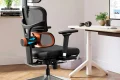
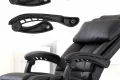
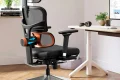
Built-in lumbar support is a feature engineered into the frame of a high-end office chair. These systems usually operate via a knob, lever, or sliding mechanism that pushes a section of the backrest forward or adjusts its height. The primary advantage of this design is seamless integration; the support moves with the chair’s backrest, ensuring that the pressure remains consistent even if you recline or shift your position.
However, built-in systems have limitations. If you are particularly tall or short, the range of motion of the built-in support might not align with your specific spinal anatomy. Furthermore, cheaper office chairs often feature “fixed” lumbar support that is non-adjustable, which can sometimes dig into the wrong part of the back, causing more discomfort than relief.
The Case for Lumbar Support Pillows
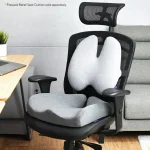
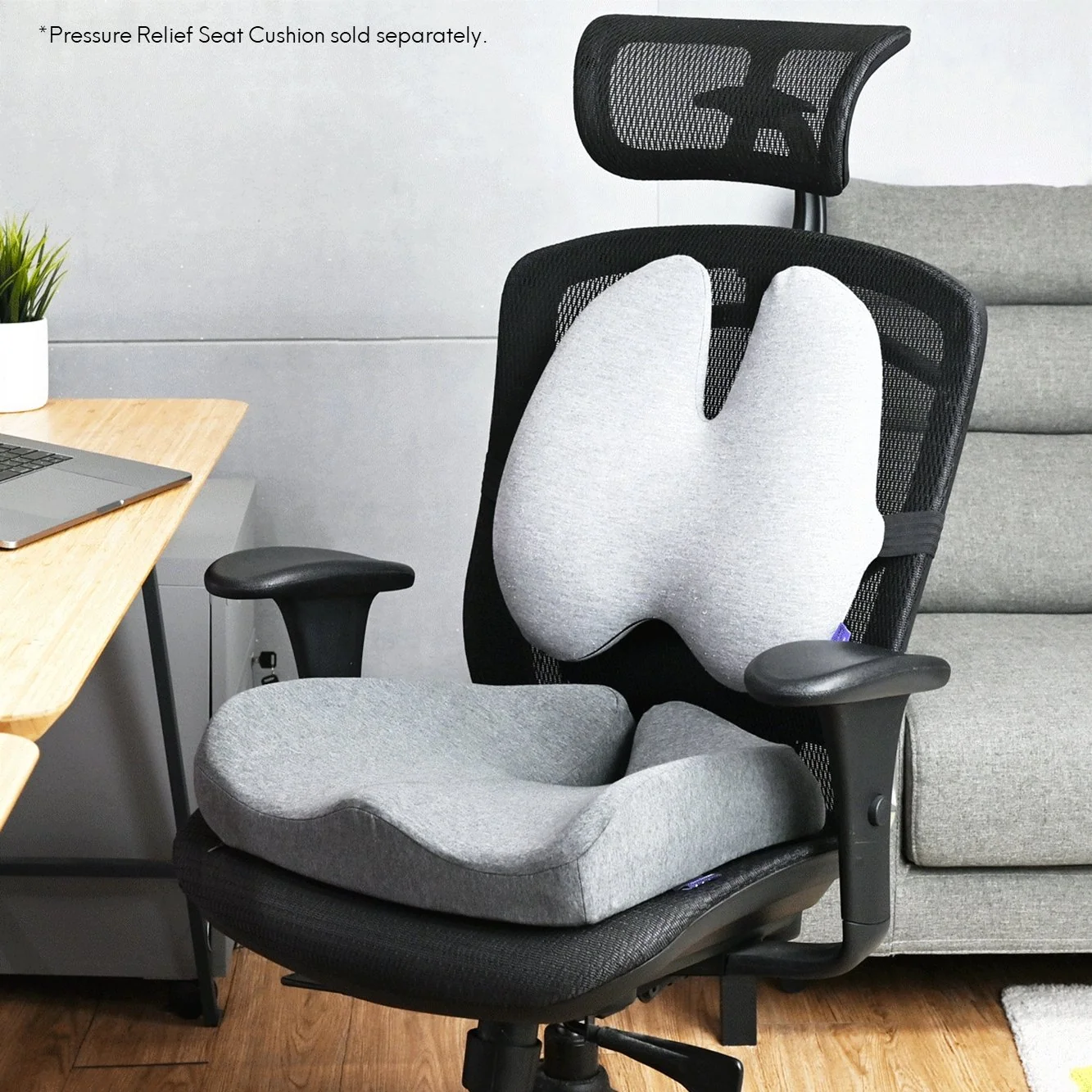
Lumbar support pillows, typically made of memory foam or high-density polyurethane, offer a level of adaptability that built-in systems often lack. Because you can place the pillow exactly where your spine needs the most support, it is highly effective for individuals with unique spinal shapes, such as those with hyperlordosis or specific disc issues.
Portability is another major benefit. If you frequently switch between different workstations or work from home using a dining chair, a pillow allows you to bring your ergonomic support with you. The downside is that pillows can shift during the day, requiring constant readjustment. They may also trap heat, as the dense foam can reduce airflow between your back and the chair’s mesh or fabric.
Comparative Analysis: Pillows vs. Built-In Support
| Feature | Lumbar Support Pillow | Built-In Adjustment |
|---|---|---|
| Customizability | High (Adjustable placement) | Moderate (Fixed range) |
| Stability | Low (May shift/slide) | High (Locked in place) |
| Portability | Excellent | None |
| Breathability | Variable (Can be warm) | Often superior (Mesh compatible) |
| Cost | Low to Moderate | High (Included in chair) |
How to Properly Position Your Lumbar Support
Regardless of whether you use a pillow or a built-in mechanism, the effectiveness of the support depends entirely on placement. Follow these steps to ensure you are protecting your spine correctly:
- Sit back fully into your chair so your pelvis touches the rear of the seat pan.
- Identify the curve of your lower back, typically located just above the belt line and below the rib cage.
- Adjust your support (or place your pillow) so that it fills the gap between your lower spine and the backrest.
- Check for “passive” support; you should feel firm pressure against your spine without having to lean back aggressively.
- If using a pillow, use the straps (if available) to secure it to the chair frame to prevent it from sliding downward throughout the day.
Common Pitfalls to Avoid
One of the most frequent mistakes users make is placing lumbar support too high. If the support is positioned at the mid-back (thoracic region), it forces your shoulders forward, leading to a hunched posture and neck strain. Another error is over-stuffing; using a pillow that is too thick will push your pelvis too far forward, causing you to sit on the edge of your seat and losing the benefits of the chair’s seat depth.
You should also be wary of “cushion fatigue.” If you choose a pillow, ensure it is made of high-quality memory foam that retains its shape over time. A flattened, cheap pillow provides zero ergonomic value and can actually contribute to poor posture by creating an uneven surface for your back.
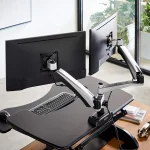
Read also: How to Set Up an Ergonomic Monitor Arm on an Electric Standing Desk
Risks of Neglecting Lumbar Support
Ignoring the need for lumbar support leads to “slouching,” where the pelvis rotates backward. This posture puts excessive pressure on the intervertebral discs, potentially leading to herniation or chronic sciatica over time. By maintaining the natural “S” curve of your spine, you distribute your body weight more evenly across the chair, reducing the load on individual vertebrae and minimizing muscle fatigue in the core and back.
Frequently Asked Questions
Q: Can I use a lumbar pillow with a chair that already has built-in support?
A: Generally, no. Adding a pillow to a chair with built-in support often creates too much protrusion, which forces your spine into an unnatural arch and causes more pain than it solves.
Q: How do I know if my lumbar support is the right firmness?
A: The support should feel firm enough to hold your spine in a neutral position, but soft enough to be comfortable for long periods. If you find yourself fidgeting or if your lower back feels sore after an hour, the support is likely too hard or improperly positioned.
Q: Is a mesh chair better for lumbar support than a padded chair?
A: Mesh chairs are excellent for breathability, but they sometimes lack the structural density of padded chairs. If you choose a mesh chair, ensure it has a high-quality, adjustable lumbar frame, as mesh alone cannot provide the necessary spinal support.
Ultimately, the choice between a pillow and a built-in adjustment comes down to your specific environment. If you own a high-quality ergonomic chair, utilize the built-in features first. If you are working with a basic office chair or dealing with chronic back pain that requires a very specific fit, a high-quality lumbar pillow is a cost-effective and highly functional upgrade.
📷 Photo by namibian.com.na