

Aploda.com – Manual standing desk converters typically rely on gas springs or counterbalancing mechanisms that require physical effort to lift, whereas electric converters use motorized systems to adjust height with the simple press of a button, making electric models significantly easier and more precise to operate for most users.
Understanding the Core Mechanism
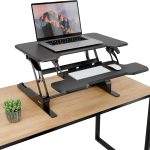
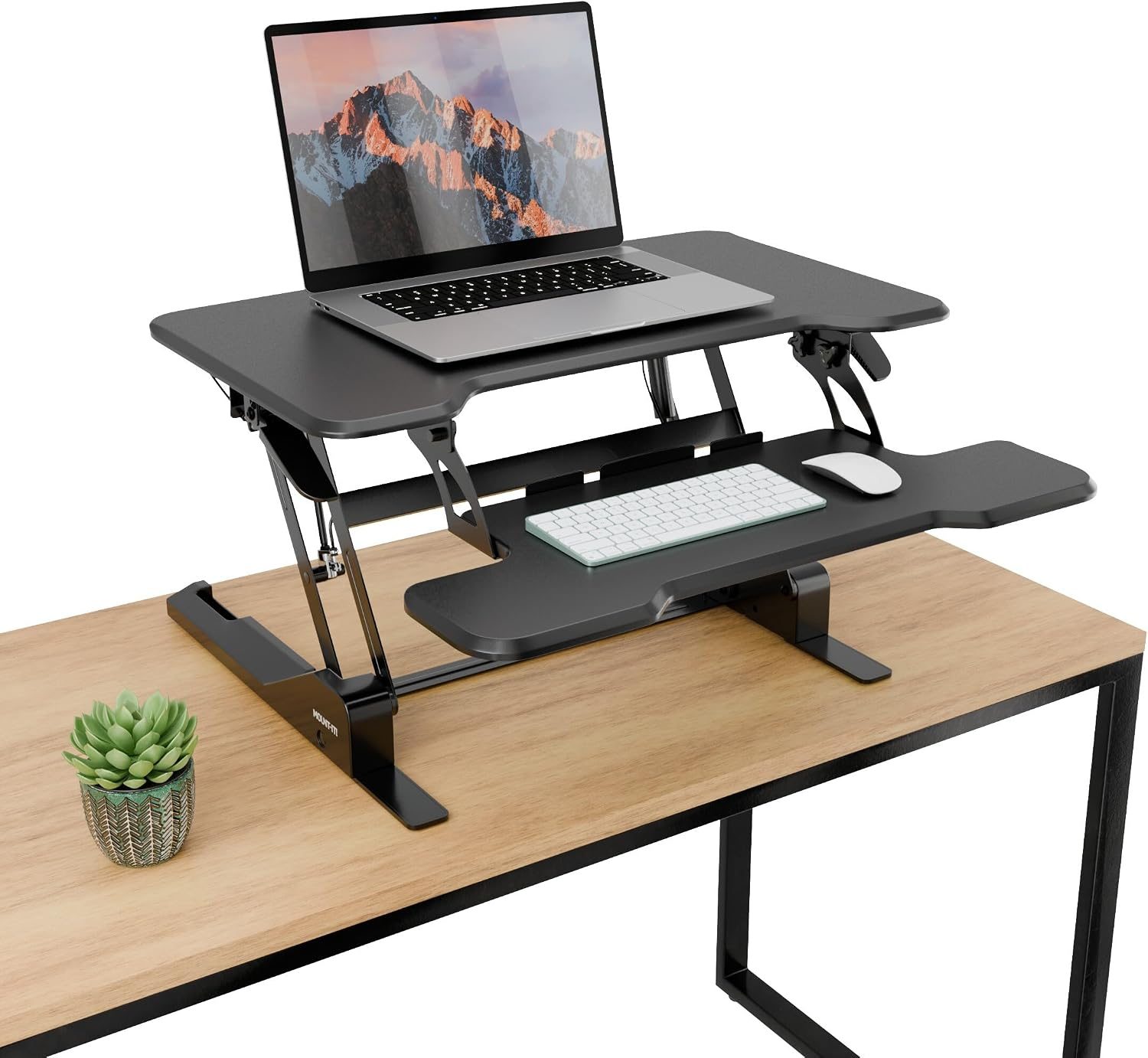
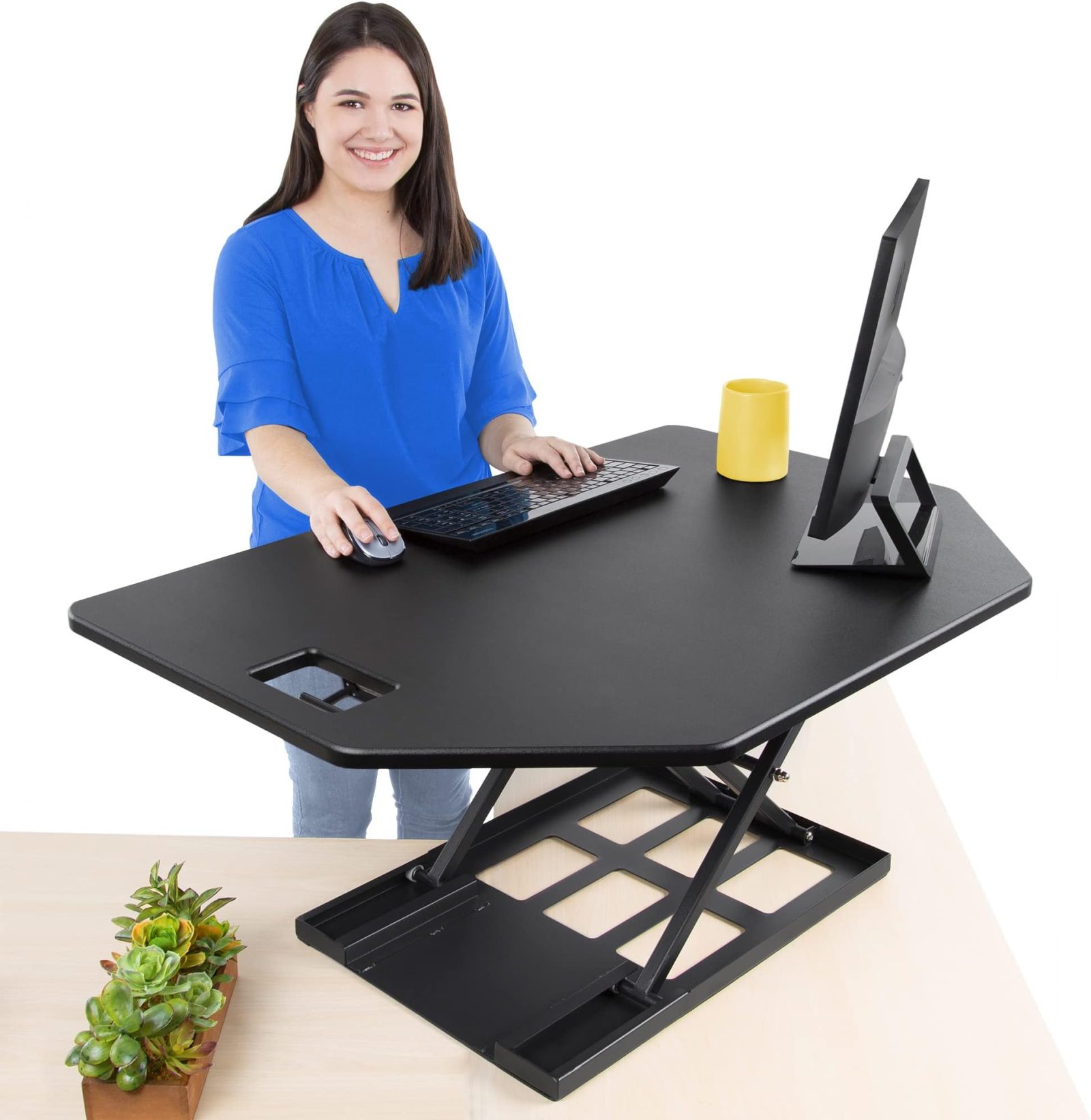
The primary difference between manual and electric standing desk converters lies in how they overcome gravity. A manual converter usually features a lever or a handle that disengages a locking mechanism. Once unlocked, you must use your own arm strength to push the desk up or pull it down. While modern gas-spring designs make this movement relatively smooth, it still requires a consistent amount of force, which can be challenging if you have a heavy monitor setup or limited upper-body mobility.
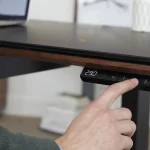
In contrast, an electric standing desk converter removes the physical burden entirely. These units are equipped with a small but powerful motor integrated into the base. By pressing a button, the desk lifts or lowers itself at a consistent speed. This ensures that you do not have to worry about the weight of your equipment or the force required to move the platform, providing a seamless transition between sitting and standing throughout the workday.
Comparing Features and User Experience
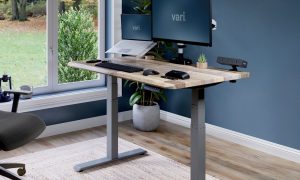
📷 Photo by amazon.com
When deciding which type fits your workspace, it is essential to look at the specific trade-offs regarding convenience, setup, and reliability. Below is a comparison table to help you visualize the differences between these two systems.
| Feature | Manual Converter | Electric Converter |
|---|---|---|
| Adjustment Effort | Moderate (requires physical force) | Minimal (button operation) |
| Power Requirement | None (cordless) | Requires AC power outlet |
| Height Precision | Set increments/Locking positions | Infinite adjustability |
| Noise Level | Silent | Low hum during motor operation |
| Price Point | More affordable | Higher investment |
Why Electric Converters Often Win on Ease of Use
The most significant advantage of an electric converter is the elimination of “stiction,” or the initial force required to get the desk moving. With manual units, you often have to overcome a bit of resistance to trigger the gas spring. If your desk is loaded with heavy accessories, this can lead to jerky movements that might unsettle your coffee or delicate equipment. Electric motors provide a controlled, consistent glide, which is far gentler on your peripherals.
Furthermore, electric models often come with memory presets. This is a game-changer for ergonomics. Instead of fiddling with the height to find your “sweet spot” every time you stand up, you can simply press a button, and the desk will move to your pre-programmed height. This feature encourages more frequent movement, as the barrier to switching positions becomes almost non-existent.
Practical Steps to Switch Your Converter
Regardless of which model you choose, proper installation and adjustment are key to avoiding strain. Follow these steps to ensure your converter is working optimally for your ergonomic health:
- Clear your existing desk surface of all debris to ensure the converter has a stable, flat base.
- Place the converter on the desk and test the range of motion before loading any monitors or laptops to ensure the mechanism is not obstructed.
- For manual units, adjust the tension screw (if available) to match the weight of your equipment; this prevents the desk from shooting up too fast or sinking under weight.
- For electric units, locate a power outlet nearby and ensure the power cable has enough slack to accommodate the highest setting of the desk.
- Perform a “test drive” by raising and lowering the desk three times to ensure the movement is smooth and the locking mechanisms (or motor) engage correctly.
Common Pitfalls and Risks
A common mistake users make with manual converters is overloading the platform. Every model has a maximum weight capacity; exceeding this can cause the gas springs to fail prematurely, making the desk difficult or dangerous to operate. Always check your monitor weight and add the weight of any docking stations or heavy accessories before purchasing.
With electric converters, the most common risk is cable management. Because the desk moves vertically, your monitor cables, power cords, and mouse cables must have enough length to travel with the desk. If a cable is too short, you risk pulling equipment off the desk or snapping a connection when you raise the converter to a standing position. Always use cable ties or a cable management sleeve to keep cords organized and safe.
Ergonomic Considerations
Ease of adjustment is not just about convenience; it is about adherence to ergonomic best practices. If a desk is too difficult to adjust, you are less likely to switch between sitting and standing, which defeats the purpose of buying a converter. The easier the transition, the more likely you are to stand for short, frequent intervals, which is scientifically proven to be better for circulation and musculoskeletal health than standing for long, unbroken periods.
If you suffer from back pain, shoulder issues, or general fatigue, the electric converter is almost always the superior choice. It removes the need for awkward reaching or pulling motions that could aggravate existing conditions. For those working in shared office spaces, the silent operation of manual desks might be a slight benefit, but the modern electric motor is usually quiet enough that it will not disturb colleagues.
Frequently Asked Questions
Q: Can I use an electric standing desk converter if I don’t have a power outlet nearby?
A: Most electric converters require a standard wall outlet. Unless you purchase a specific model with a rechargeable battery pack, you will need to be positioned near a power source.
Q: Is it difficult to assemble a standing desk converter out of the box?
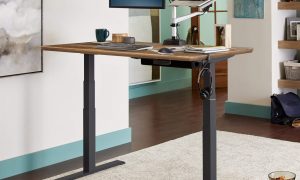
📷 Photo by storage.googleapis.com
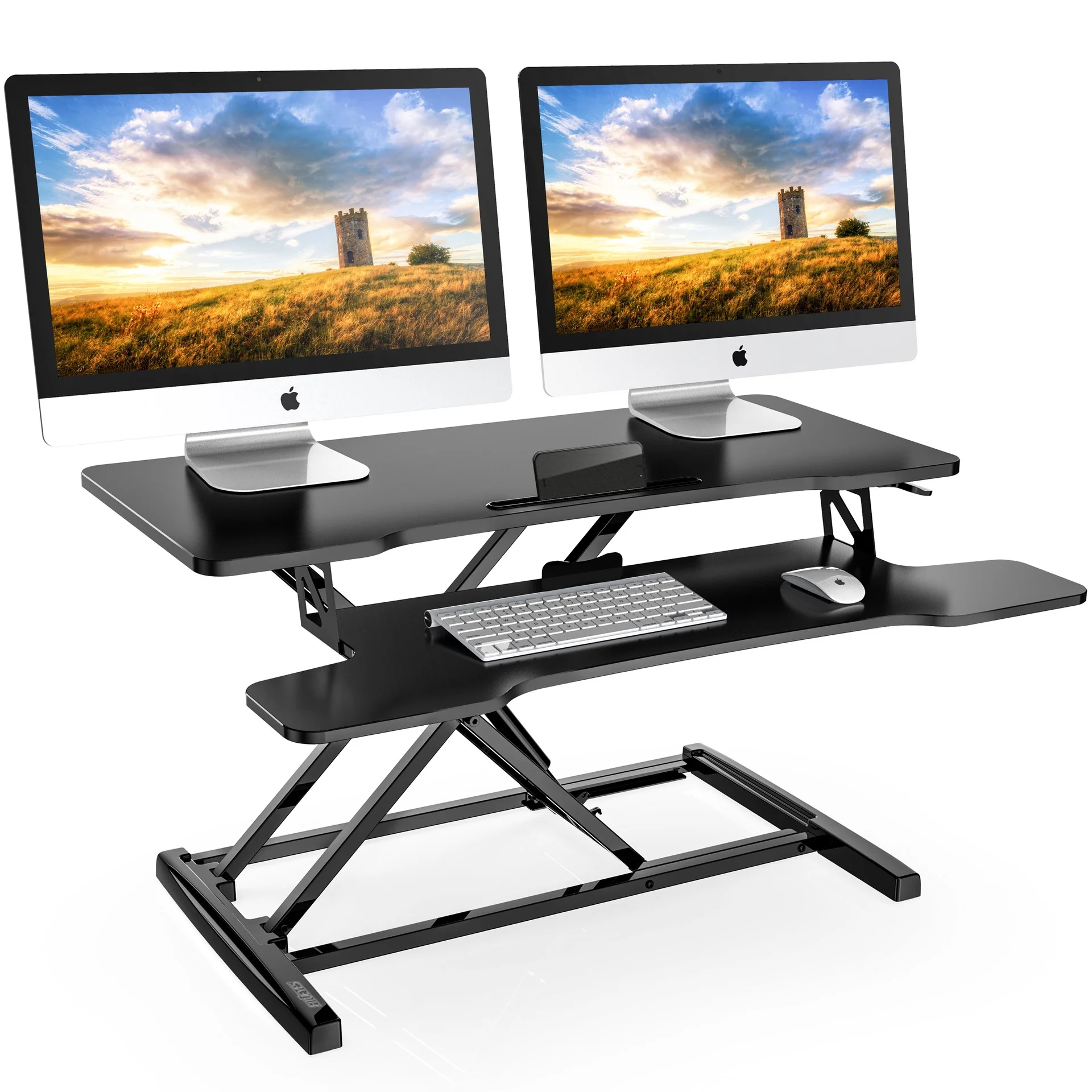
A: Most converters come pre-assembled. Usually, you only need to attach a keyboard tray or a monitor mount, which takes less than 15 minutes with basic tools.
Q: Do manual converters lose their lifting power over time?
A: Yes, the gas springs inside manual converters can lose pressure after several years of heavy use, making it harder to lift the desk as time goes on.
Final Verdict
📷 Photo by ergomaker.com
If your budget allows and you prioritize efficiency and consistent ergonomics, an electric standing desk converter is the clear winner for ease of adjustment. The motorized lift removes the physical strain and allows for precise height settings that manual converters simply cannot match. However, if you are looking for a budget-friendly, reliable solution that requires no power cords and offers a minimalist aesthetic, a well-balanced manual converter remains a highly effective tool for any modern workstation.
📷 Photo by amazon.com