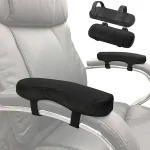




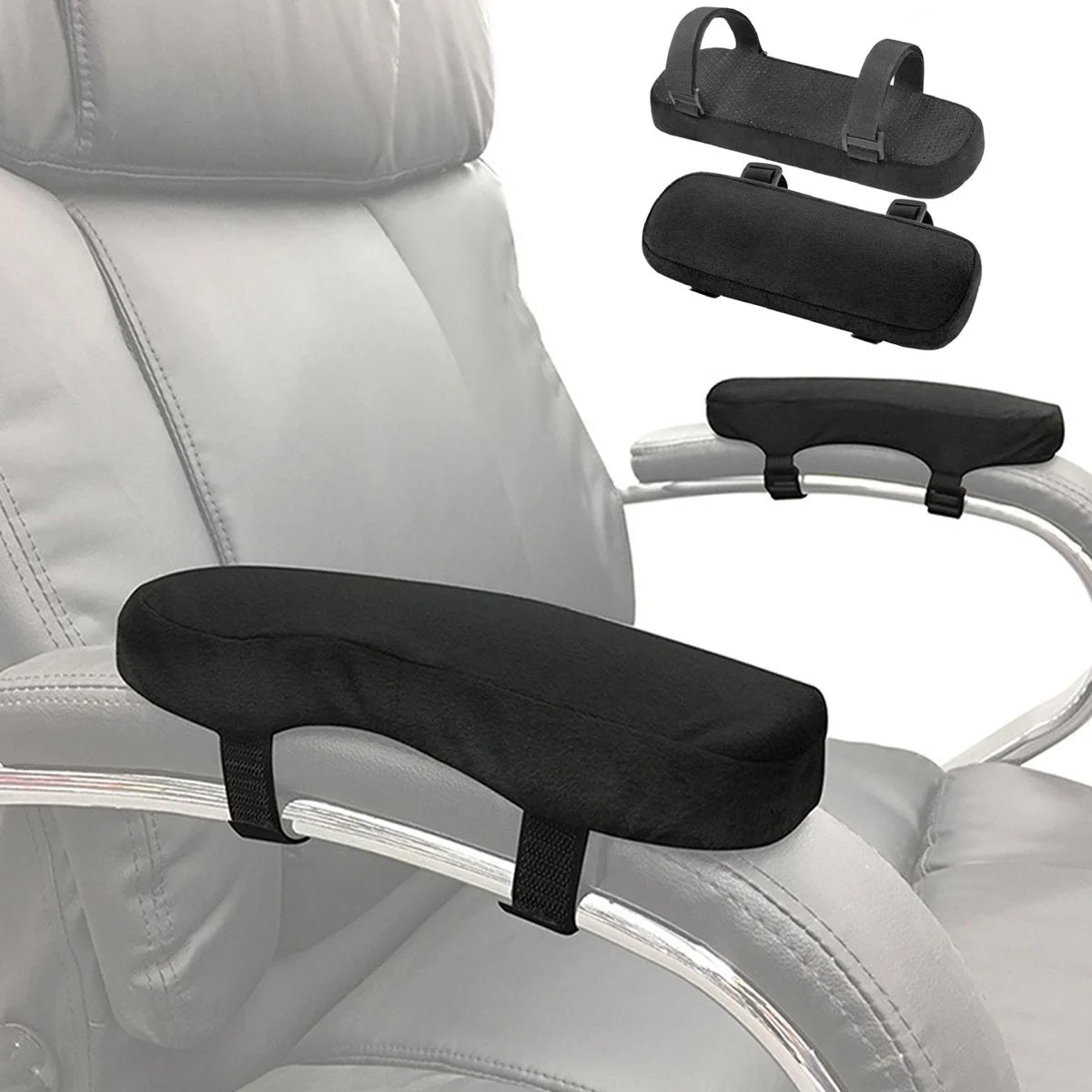
Aploda.com – Ergonomic office chair armrest caps serve as a crucial upgrade to alleviate elbow pain and shoulder strain, with gel pads offering superior cooling and pressure distribution, while memory foam pads provide personalized contouring and plush comfort.
Choosing between gel and memory foam armrest pads is often the deciding factor in whether your workday ends with muscle fatigue or physical comfort. Many standard office chairs come with hard plastic or thin, worn-out padding that fails to support your ulnar nerve. Over time, this lack of cushioning leads to contact stress, which can manifest as tingling in the fingers, elbow soreness, or poor posture as you unconsciously adjust your seating position to avoid discomfort.
Understanding Gel Armrest Pads
Gel-infused pads are engineered for those who prioritize temperature regulation and consistent support. Unlike traditional foam, gel does not compress to the point of bottoming out. The viscous nature of the gel allows it to shift under your elbows, effectively distributing the pressure across a wider surface area. This is particularly beneficial for users who tend to lean heavily on their armrests while typing or using a mouse.
The standout feature of gel pads is their thermal properties. They often feel cool to the touch, which is a major advantage during long hours in warmer office environments. They are generally more durable than foam, resisting permanent indentations or “flattening” even after years of daily use. However, some users find them slightly firmer, which might take a few days of adjustment if you are used to a softer surface.
The Appeal of Memory Foam Pads
Memory foam armrest caps are designed for users who crave a “sink-in” feeling. This material is temperature-sensitive, reacting to your body heat to soften and mold precisely to the shape of your elbows. This creates a custom fit that cradles the joint, significantly reducing pressure points. For individuals with sensitive joints or those recovering from minor repetitive strain injuries, memory foam provides a gentle, forgiving interface.
The primary downside to memory foam is its tendency to retain heat. Because it hugs your skin closely, it may feel warm after extended periods of contact. Additionally, lower-density memory foam can eventually lose its “rebound” ability, becoming permanently compressed over time. Opting for high-density foam helps mitigate this, but it is a factor to consider if you work in a non-air-conditioned space.
Comparative Analysis: Gel vs Memory Foam
| Feature | Gel Pads | Memory Foam Pads |
|---|---|---|
| Pressure Relief | High (Fluid distribution) | High (Contoured support) |
| Temperature | Cooling/Neutral | Retains body heat |
| Durability | Excellent (Resistant to flattening) | Moderate (May compress over time) |
| Surface Feel | Firm but flexible | Soft and plush |
| Maintenance | Easy to wipe clean | Often requires removable covers |
How to Upgrade Your Chair Armrests
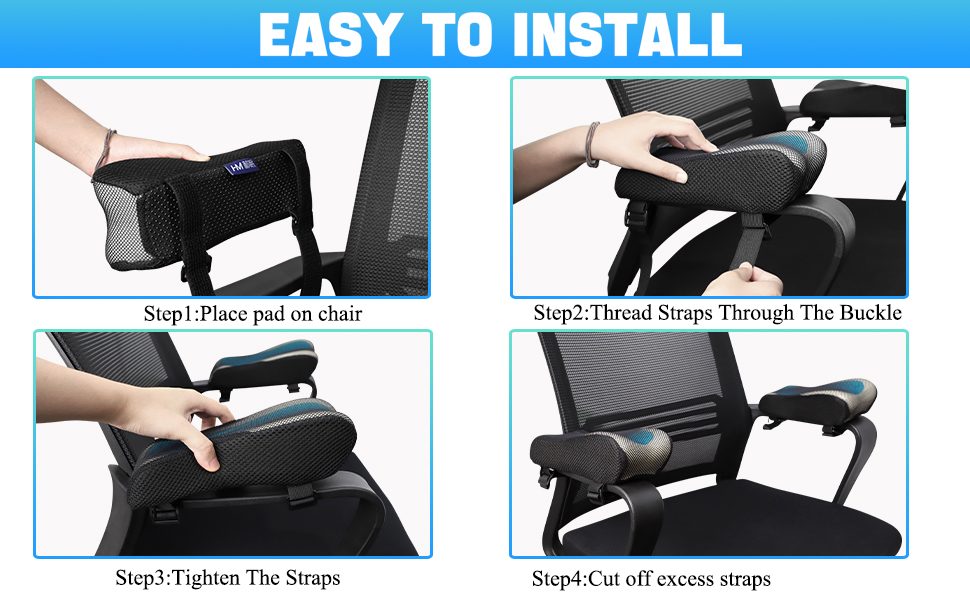
Replacing or adding pads to your existing office chair is a straightforward process that requires minimal tools. Follow these steps to ensure a secure and ergonomic fit:
- Measure your current armrests carefully, noting both the length and width to ensure the new pads will fit without overlapping or leaving too much exposed plastic.
- Check the mounting mechanism of your current chair; if the armrests are screwed into the frame, ensure your new pads have compatible mounting holes or universal straps.
- Clean the existing armrest surface thoroughly with isopropyl alcohol to remove skin oils and dust, which ensures that adhesive-backed pads stick firmly.
- Align the new pads, starting from the back of the armrest and working forward, ensuring the contour of the pad matches the natural resting position of your elbow.
- Test the range of motion of your chair to ensure the new, thicker pads do not interfere with your desk height or prevent the chair from sliding under your workstation.
Common Mistakes to Avoid
One of the most frequent errors users make is neglecting the height of the chair in relation to the new pads. Adding thick gel or foam pads increases the effective height of your armrests. If you do not lower your chair or adjust your desk height accordingly, you may end up with “shrugged” shoulders, which leads to tension headaches and neck pain. Always verify that your elbows remain at a 90-degree angle with your shoulders relaxed after installation.
Another mistake is ignoring the material of the outer cover. While the internal material (gel or foam) handles the pressure, the outer fabric determines your skin comfort. Look for breathable mesh or velvet covers that are removable and machine washable. If you choose a synthetic leather finish, be aware that it may cause sweating during the summer months, regardless of whether the interior is gel or foam.
Addressing Potential Risks
While armrest pads are ergonomic aids, they are not a substitute for proper posture. Over-relying on armrests can lead to “static loading,” where your muscles remain tense because you are leaning too heavily on one side. Use the pads as a secondary support rather than a primary weight-bearing surface. If you experience persistent numbness despite using high-quality pads, it may be a sign of nerve compression in the elbow (cubital tunnel) or wrist (carpal tunnel) that requires medical attention rather than just a cushion upgrade.
Q: Can I use gel pads if I have very sensitive skin?
A: Yes, provided you choose a pad with a hypoallergenic, breathable fabric cover. Avoid direct contact with the raw gel material, as some users may experience irritation from prolonged exposure to synthetic polymers.
Q: How often should I replace these pads?
A: High-quality gel pads can last 3-5 years, while memory foam pads typically show signs of wear or compression after 1-2 years of heavy daily use. Replace them once you notice the material no longer provides a spring-back response or if the outer cover begins to fray.
📷 Photo by amazon.com
Q: Will these pads fit any office chair?
A: Most aftermarket pads are designed as “universal,” utilizing adjustable straps or standard screw patterns. However, always check the product dimensions against your specific chair model, especially if you have a chair with unique, non-rectangular armrest shapes.
Read also: Real Wood Standing Desk Tops: Preventing Warping and Cracking
📷 Photo by walmart.com