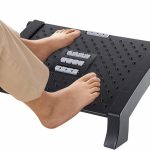



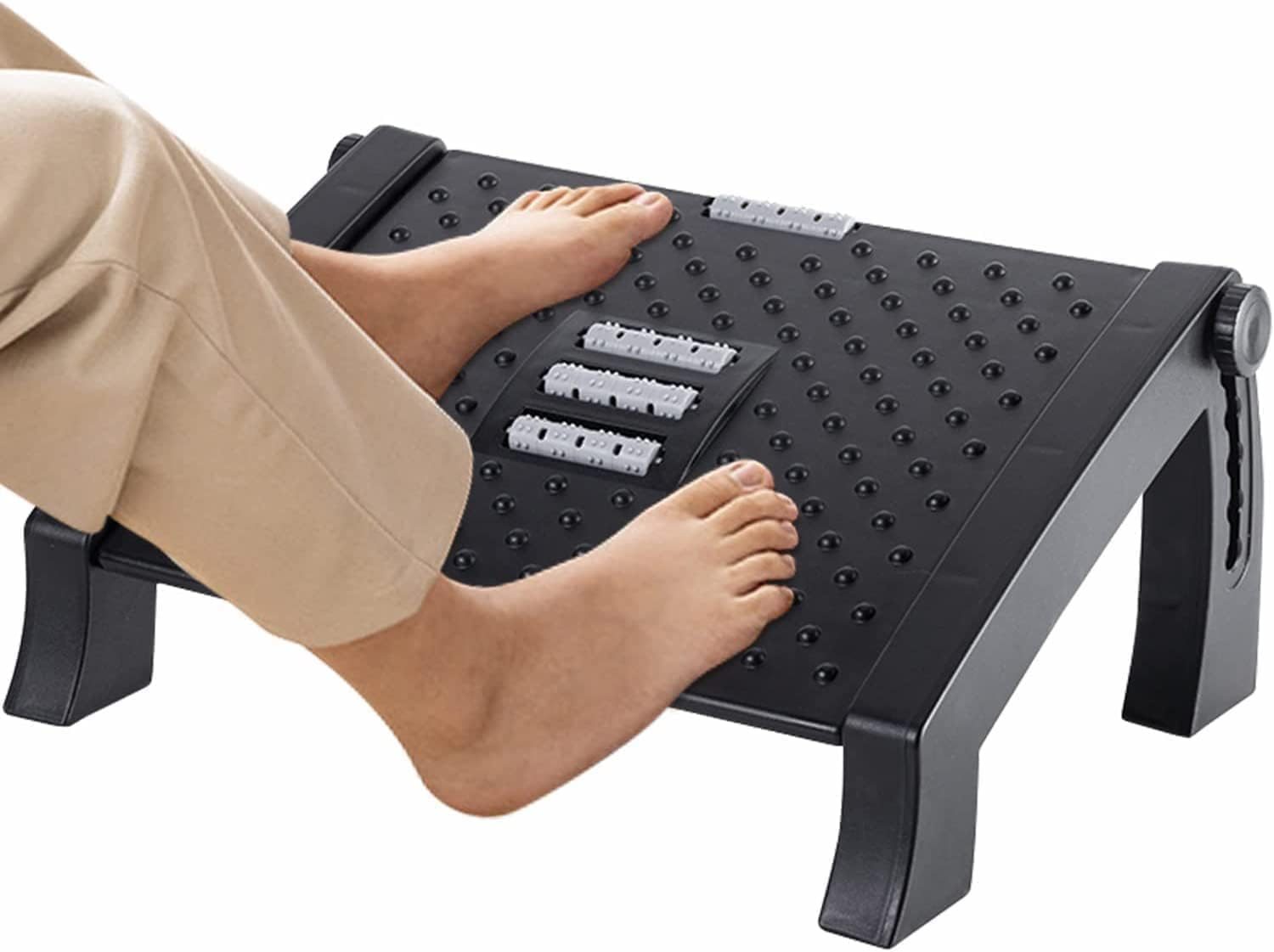
Aploda.com – A rocking footrest provides dynamic movement that promotes blood circulation and reduces sedentary fatigue, whereas a fixed slanted footrest offers consistent, rigid support designed to maintain a specific posture for those who prefer stability. The choice between them depends on whether your priority is active micro-movements or structural alignment.
The Importance of Foot Support in Ergonomics
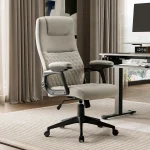
Ergonomics is not just about a high-end chair or a monitor at eye level. Proper foot support is the foundation of a healthy sitting posture. When your feet dangle or rest flat on the floor without support, your lower back often compensates, leading to pelvic tilt and lumbar strain. A footrest is designed to bridge the gap between your feet and the floor, ensuring your knees remain at a 90-degree angle and your weight is evenly distributed.
Understanding the Rocking Footrest
The rocking footrest is essentially a dynamic tool. It is designed with a curved base that allows the user to oscillate their feet back and forth or side to side while seated. This design is rooted in the concept of active sitting. By allowing the ankles to move, the device encourages muscle engagement in the lower legs, which helps pump blood back toward the heart. This is particularly beneficial for professionals who spend eight or more hours at a desk, as it prevents the feeling of heavy or swollen legs by the end of the day.
The Benefits of Fixed Slanted Footrests
In contrast, the fixed slanted footrest is a static solution. It is built to hold your feet at a specific, ergonomic angle, typically between 10 to 20 degrees. This provides a constant, reliable surface that forces your feet into a neutral position. For individuals recovering from foot injuries or those who suffer from chronic ankle instability, the fixed nature of this tool provides a sense of security that a rocking model might lack. It is the ergonomic equivalent of a solid foundation, ensuring that no matter how much you shift in your chair, your feet have a stable platform.
Comparison of Ergonomic Footrest Features
| Feature | Rocking Footrest | Fixed Slanted Footrest |
|---|---|---|
| Movement | Dynamic/Active | Static/Stable |
| Primary Benefit | Circulation improvement | Posture correction |
| Best For | Active desk users | Users with chronic pain |
| Ease of Use | Requires coordination | Set and forget |
How to Choose the Right Footrest
Selecting the right equipment requires an assessment of your daily habits and physical needs. If you find yourself constantly tapping your feet or shifting your legs, a rocking footrest is likely a better fit for your energy levels. However, if you have specific medical requirements or find that you lose focus when your feet are moving, a fixed slanted option is the safer, more ergonomic choice.
Steps to Optimize Your Footrest Setup
Follow these steps to ensure your footrest is providing the maximum ergonomic benefit:
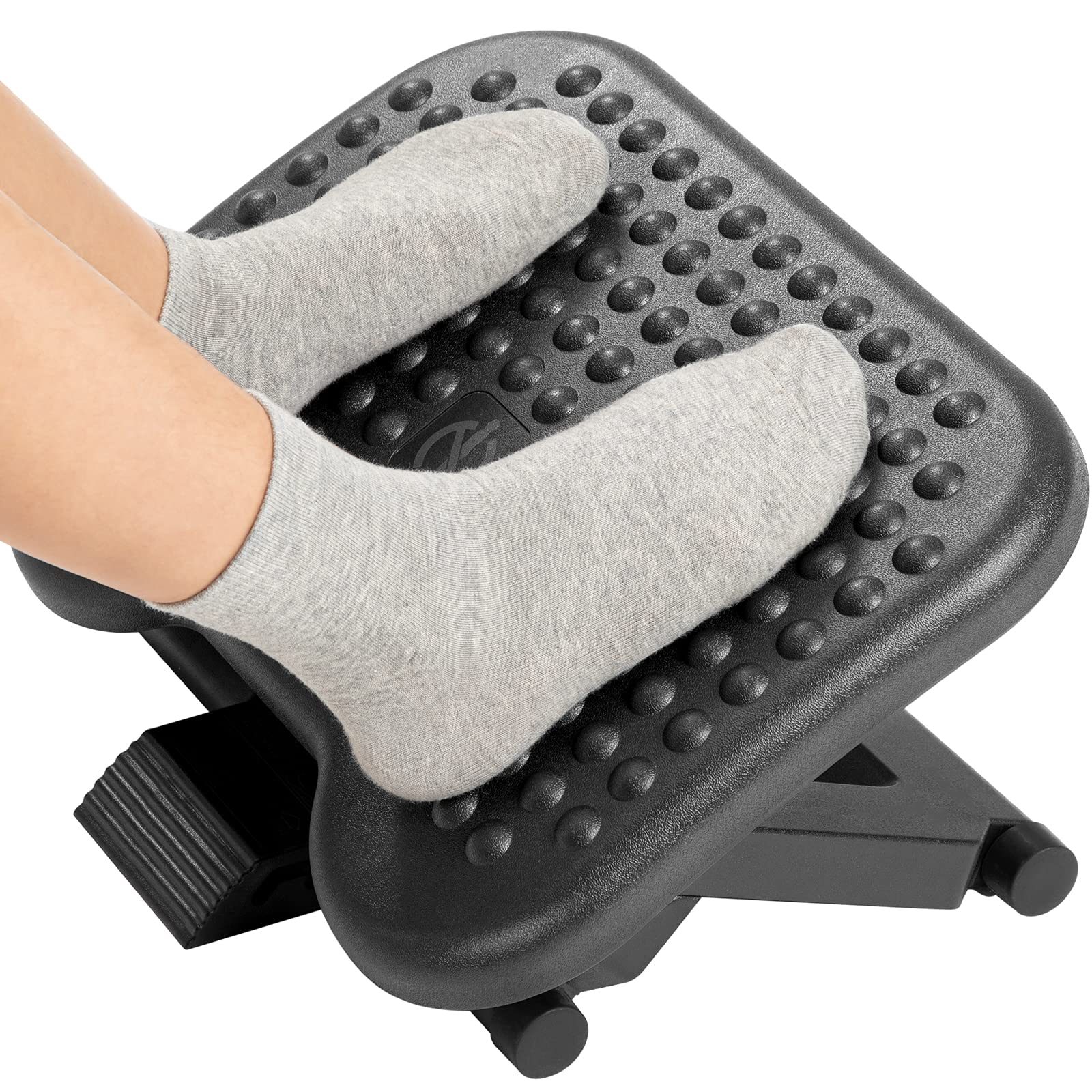
📷 Photo by desertcart.in
- Adjust your chair height first so that your feet are flat on the floor or the footrest surface.
- Position the footrest so that your knees form a comfortable 90-degree angle, ensuring no pressure is placed on the back of your thighs.
- For fixed models, adjust the angle until your ankles feel neutral and supported without strain.
- Test the placement; the footrest should be positioned directly under your desk, allowing you to sit back in your chair without hunching forward.
- Re-evaluate your position every two hours; even with a footrest, periodic standing breaks are essential for spinal health.
Common Mistakes to Avoid
Read also: Ergonomic Office Chair Tailbone Relief: U-Shaped Seat Cushion Test
One of the most common mistakes is placing the footrest too far away from the chair. This forces the legs to extend, which can actually increase tension in the hamstrings and lower back rather than relieving it. Another error is neglecting the surface texture. If you work in an office where you frequently kick off your shoes, ensure the footrest has a non-slip, textured surface to prevent your feet from sliding off unexpectedly.
The Role of Movement in Sedentary Work
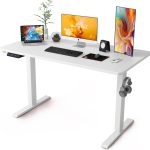
The modern sedentary lifestyle is often criticized for the “sitting disease,” which is characterized by metabolic slowdown and reduced muscle activity. While a rocking footrest cannot replace a standing desk or regular exercise, it serves as a “fidget tool” that keeps the lower body active. The constant, subtle motion helps maintain joint lubrication in the ankles and knees, which can mitigate the stiff feeling that often sets in after hours of static work. Choosing the right tool is not just about comfort; it is about maintaining long-term musculoskeletal integrity.
FAQ Section
Q: Can a rocking footrest be used with all types of office chairs?
A: Yes, they are generally compatible with most chairs, but ensure you have enough clearance under your desk to allow for the rocking motion without hitting the desk frame or drawers.
Q: Is a fixed slanted footrest better for back pain?
A: For many users, a fixed slanted footrest is superior for back pain because it enforces a consistent, neutral pelvic position, which prevents the slouching that often triggers lower back discomfort.
Q: Should I wear shoes while using these footrests?
A: It is recommended to wear shoes or at least supportive slippers. Using them barefoot can be comfortable, but the hard plastic or metal surfaces of some footrests may become uncomfortable or slippery without footwear.
Final Considerations
Ultimately, the effectiveness of either footrest depends on your commitment to using it correctly. A high-quality ergonomic tool is only as good as the posture it supports. If you choose a rocking model, embrace the movement as a way to stay alert during long meetings. If you choose a fixed slanted model, view it as a structural guide that keeps your spine aligned. Regardless of the type, ensure that the height and angle are adjusted to your specific body proportions, as a “one size fits all” approach rarely works in ergonomics.
📷 Photo by amazon.com