

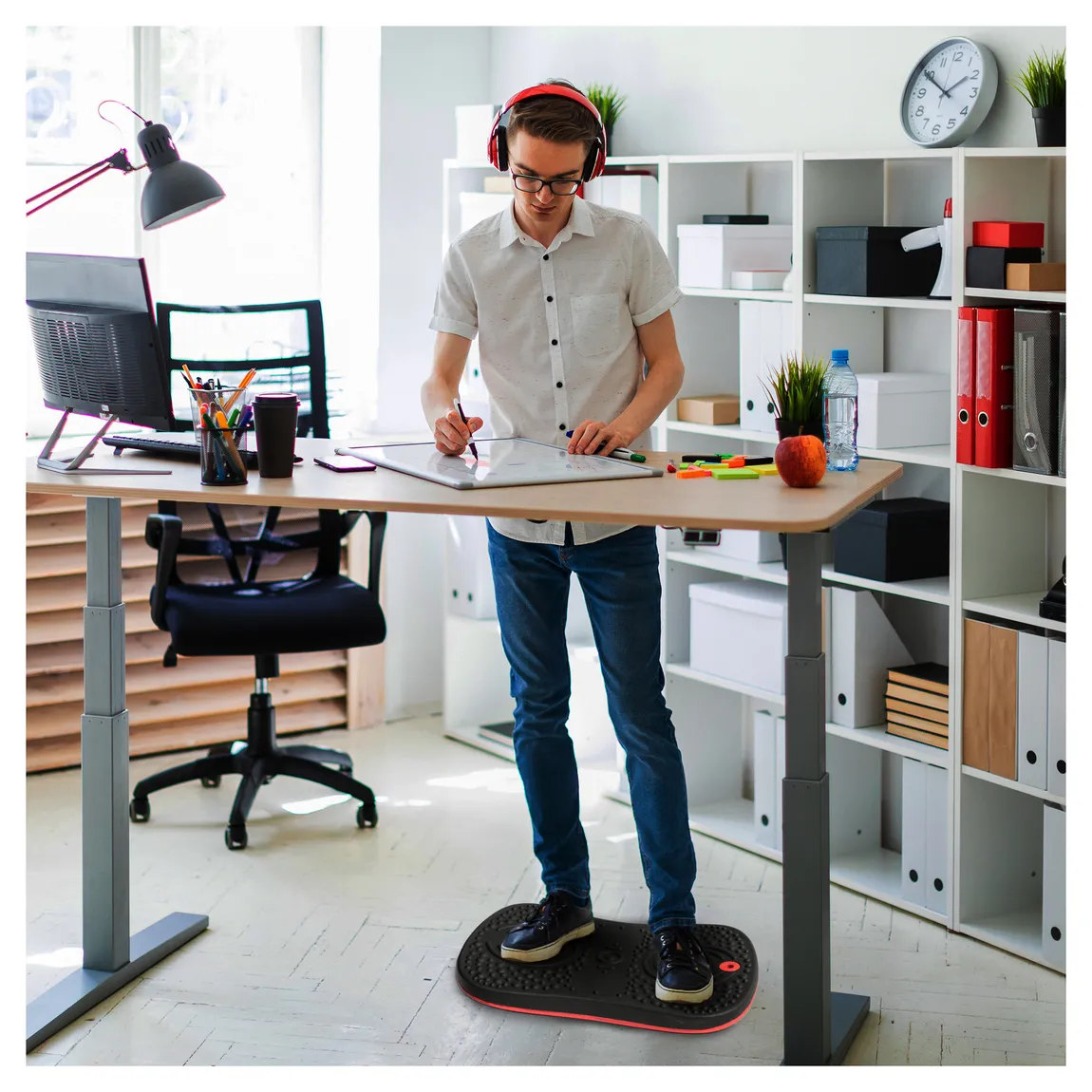
Aploda.com – A balance board under-desk footrest is a dynamic ergonomic tool that promotes active sitting and standing by engaging core muscles and encouraging micro-movements, effectively reducing the sedentary risks associated with static office work.
The modern workspace has evolved significantly, yet the physical toll of office work remains largely unchanged. Many professionals transition between sitting and standing, but even standing still for hours can lead to joint stiffness, poor circulation, and lower back pain. A balance board designed for desk use acts as a bridge between complete inactivity and physical exercise, keeping the body in a state of constant, subtle motion.
The Mechanics of Active Ergonomics
Traditional footrests are static, providing a fixed angle for your feet to rest upon. While they offer some ergonomic relief, they do not address the stagnation of the musculoskeletal system. A balance board introduces instability, which forces the body to make constant, involuntary adjustments to maintain equilibrium. This process, known as active ergonomics, keeps the muscles engaged and the joints lubricated throughout the workday.
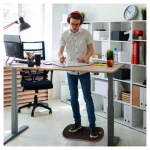
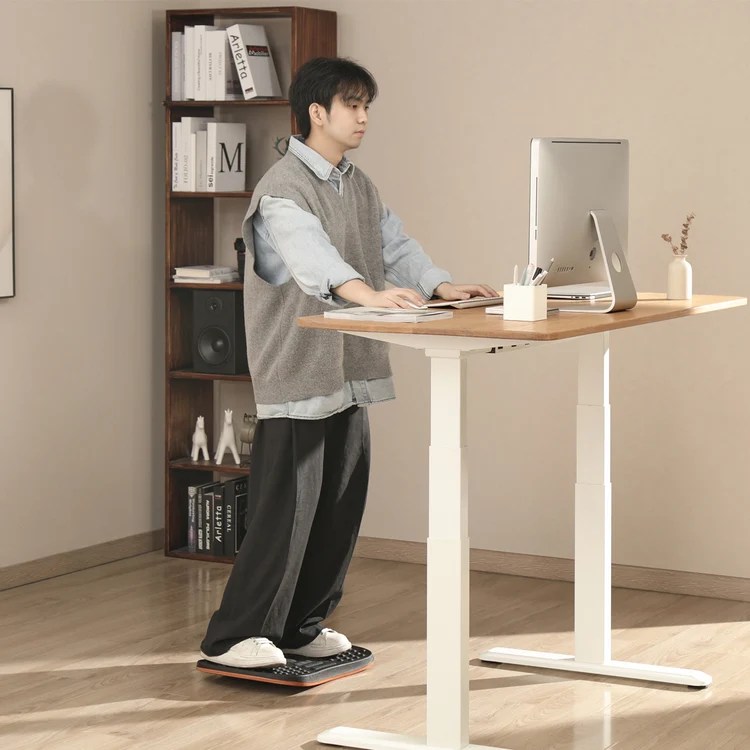
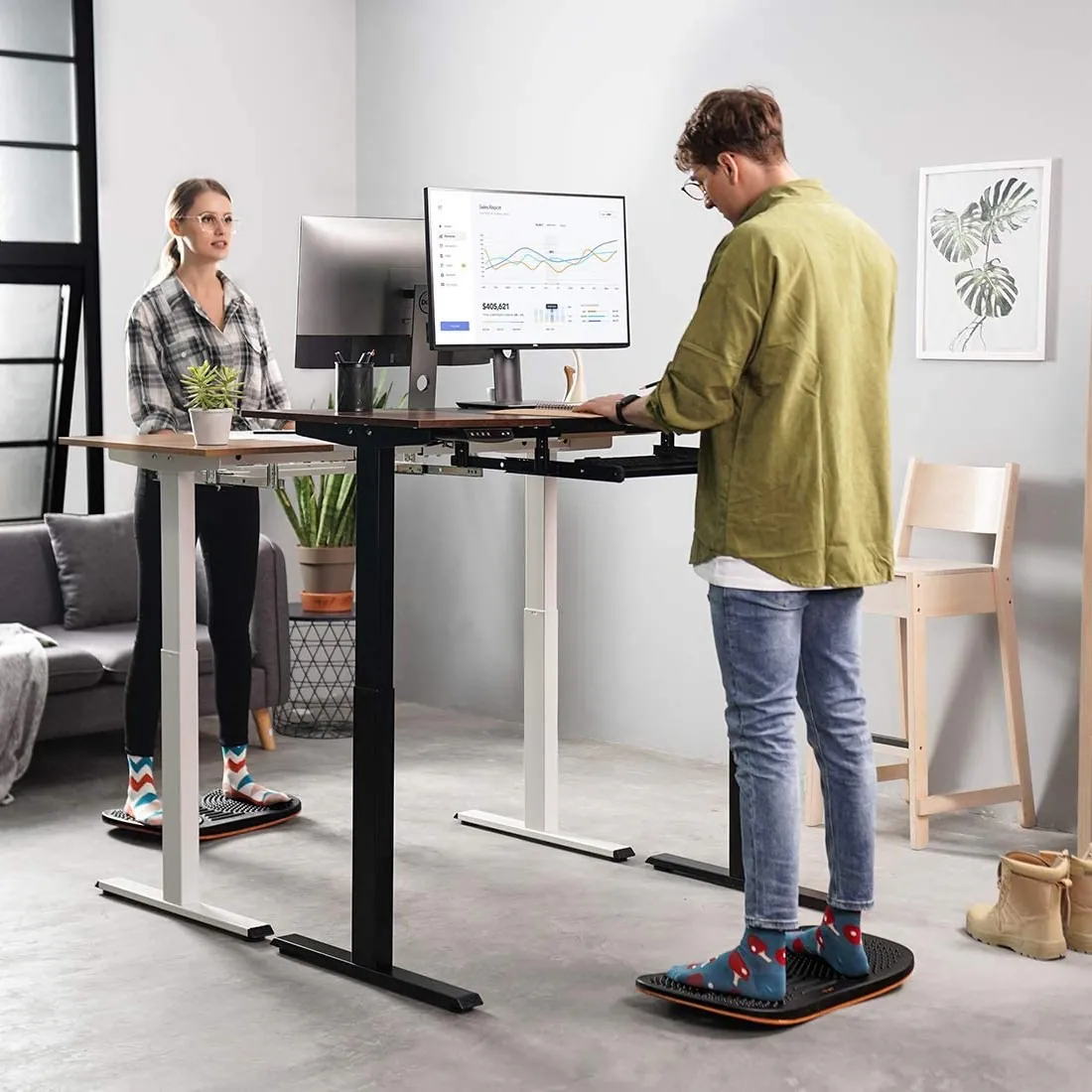
When you use a balance board while standing, your calves, ankles, and core muscles are constantly firing. This improves blood flow back to the heart, preventing the pooling of fluid in the legs that often occurs during long periods of standing. When used while sitting, the board acts as a rocker, allowing you to move your feet and ankles, which prevents the “heavy leg” sensation that often comes from sitting for hours at a time.
Key Benefits of Incorporating Motion
The primary advantage of these tools is the reduction of static load on the spine. When standing perfectly still, the lower back bears the brunt of your body weight, often leading to fatigue. By shifting your weight back and forth or side to side on a balance board, you distribute that pressure more evenly across your muscles rather than your skeletal structure.
Furthermore, these boards improve focus. Research suggests that small amounts of physical activity, or “fidgeting,” can increase dopamine and norepinephrine levels in the brain, which are essential for concentration. By providing a controlled outlet for movement, a balance board can help you stay alert during long meetings or deep-work sessions.
Choosing the Right Equipment
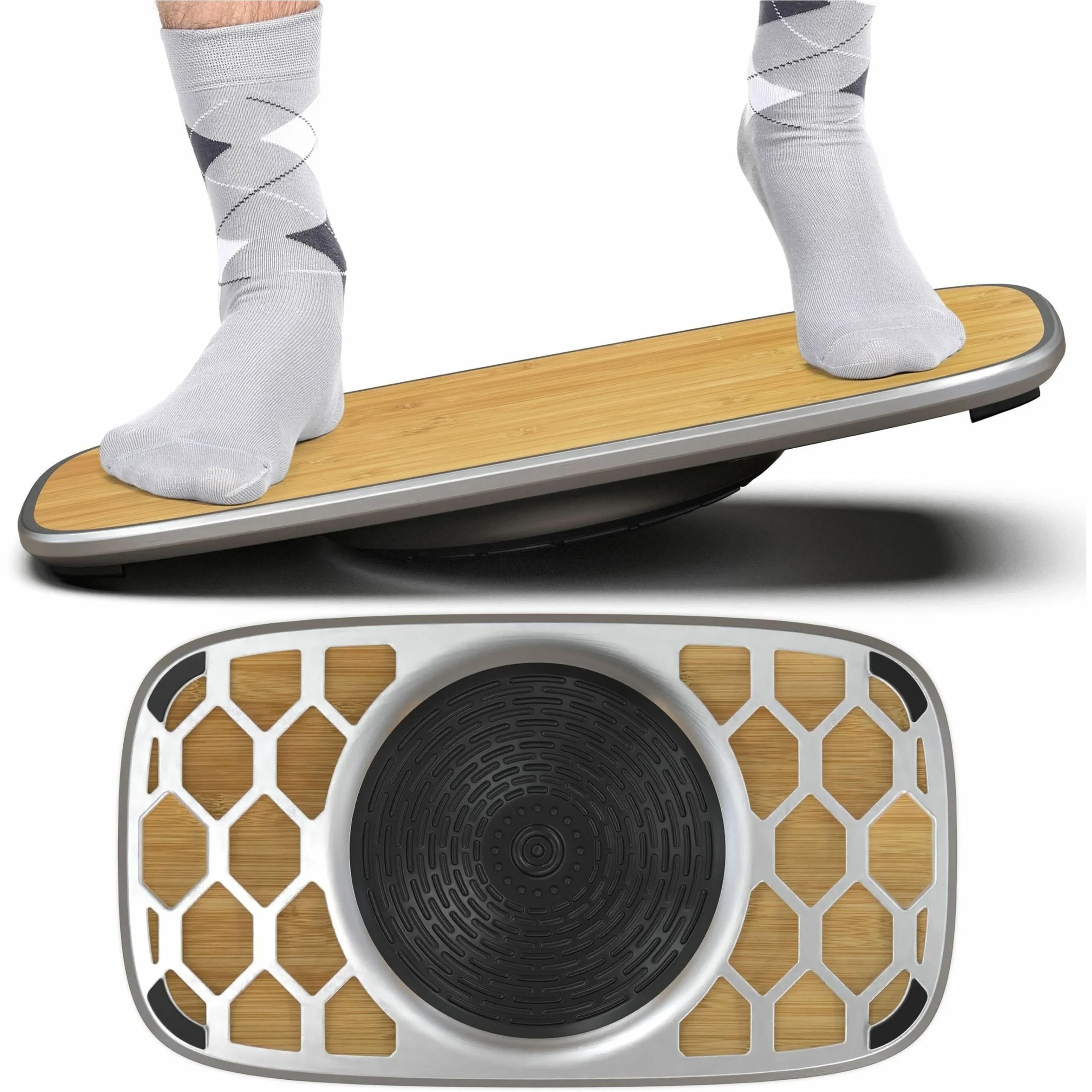
Not all balance boards are created equal. Some are designed specifically for fitness training and offer a high degree of difficulty, while others are engineered specifically for office environments with safety and stability in mind. For office use, look for boards that offer a limited range of motion and a non-slip surface to ensure you can stay productive without needing to focus entirely on balancing.
| Feature | Standard Footrest | Active Balance Board |
|---|---|---|
| Primary Goal | Static Comfort | Dynamic Movement |
| Muscle Engagement | None | Core and Lower Body |
| Blood Circulation | Minimal | High/Active |
| Work Productivity | Neutral | Enhanced Focus |
| Difficulty Level | Zero | Beginner to Intermediate |
How to Integrate a Balance Board into Your Workflow
Transitioning to active work tools should be done gradually to avoid muscle soreness. Your body needs time to adapt to the constant micro-adjustments required by the board. Follow these steps to integrate the tool safely and effectively:
- Start with short intervals: Use the board for only 10 to 15 minutes at a time during your standing sessions to allow your stabilizer muscles to adjust.
- Prioritize footwear: Wear flat-soled shoes or work barefoot if the board surface is comfortable; avoid high heels or thick-soled running shoes that might reduce your connection to the board.
- Check desk height: Ensure your desk is adjusted so that your elbows are at a 90-degree angle, as the board may raise your standing height by one or two inches.
- Listen to your body: If you feel significant fatigue or discomfort, switch back to a flat surface immediately; the goal is movement, not exhaustion.
- Increase duration slowly: Once you feel comfortable, gradually add 5-10 minutes to your usage time each week until you can comfortably use it for longer periods.
Common Mistakes to Avoid
One of the most frequent errors users make is trying to balance on the board for the entire day. Even standing desks are not meant to be used for eight hours straight; similarly, balance boards should be used in cycles. Overusing the board can lead to calf strain or foot fatigue, which defeats the purpose of ergonomic support.
Another mistake is neglecting the surface beneath the board. If you have carpet, ensure the board has a base that won’t sink, or use a thin, hard mat to provide a stable foundation. Using a board on an overly plush carpet can make the movement unpredictable and potentially dangerous, increasing the risk of a fall.
Long-Term Health Implications
The long-term benefits of using a balance board extend beyond simple comfort. By maintaining muscle engagement, you are effectively fighting the “sitting disease” that has become a hallmark of modern sedentary life. Regular movement helps in maintaining healthy glucose metabolism and can assist in preventing the chronic lower back pain that plagues many office workers. By turning your workstation into a place of active recovery, you are making an investment in your long-term mobility and structural health.
📷 Photo by desky.ca
Q: Can I use a balance board if I have poor balance?
A: Yes, many office-specific balance boards are designed with a limited tilt range, making them accessible even for beginners. Start by holding onto your desk for support while you get used to the sensation.
📷 Photo by unicun.com
📷 Photo by walmart.com
Q: How often should I use the board during the day?
A: Use it in 20-minute bursts throughout the day rather than continuously. This keeps your muscles engaged without causing excessive fatigue or distraction from your core work tasks.
Q: Will this help with my back pain?
A: Many users report significant relief because the board encourages pelvic movement and core engagement, which prevents the spinal compression associated with static standing or slouching while sitting.
Ultimately, the balance board is a tool for longevity. It transforms your desk from a static prison into a dynamic environment that respects your body’s innate need for movement. By choosing the right equipment and implementing it with patience, you can turn your daily grind into a healthier, more energized experience.
Read also: Standing Desk 20-8-2 Rule: How Long Should You Sit, Stand, and Walk?
📷 Photo by madisonliquidators.com