




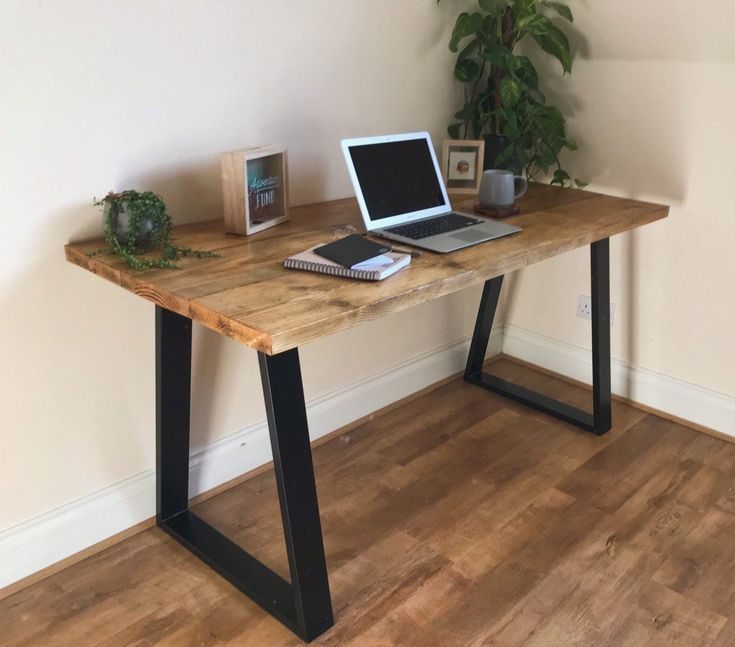
Aploda.com – Real wood standing desk tops are prone to warping and cracking because wood is a hygroscopic material that naturally expands and contracts in response to ambient humidity levels. To prevent these structural defects, you must prioritize proper acclimatization, utilize stable joinery techniques, and apply a high-quality protective finish to seal the wood fibers from atmospheric moisture.
Understanding the Nature of Wood Movement
Wood is never truly dead; it remains an active, living material that exchanges moisture with its environment. When the humidity in your home or office rises, the wood cells absorb water and swell. Conversely, when the air becomes dry—particularly during winter months when heating systems are running—the wood loses moisture and shrinks. This constant cycle of movement is the primary culprit behind desk top warping, cupping, and splitting.
The core issue is that wood does not expand or contract uniformly. It moves significantly more across its width (tangential direction) than along its length (longitudinal direction). If a large, solid wood slab is constrained by a rigid metal standing desk frame without room to breathe, the internal stresses will eventually overcome the grain, leading to a crack or a permanent bow.
The Critical Importance of Acclimatization
One of the most common mistakes DIY enthusiasts and furniture buyers make is installing a wood top immediately upon arrival. If the wood was stored in a warehouse with different humidity levels than your office, the shock of the transition can cause immediate warping. You must allow your new desk top to sit in the room where it will be used for at least 48 to 72 hours. This period allows the moisture content of the wood to reach equilibrium with your specific environment.
Comparison of Common Wood Species for Standing Desks
| Wood Species | Stability Rating | Risk of Warping | Best Use Case |
|---|---|---|---|
| Hard Maple | High | Low | Modern, clean aesthetic |
| Walnut | Very High | Very Low | Premium, durable, stable |
| White Oak | Medium | Moderate | Rustic, heavy-duty use |
| Pine/Softwoods | Low | High | Budget, requires extra care |
Step-by-Step Guide to Mounting a Desk Top for Movement
To ensure your desk top remains flat over its lifespan, you must provide a mounting system that holds the wood securely while allowing it to move laterally. Follow these steps for professional-grade installation:
- Measure your desk frame mounting holes and verify they are slotted or oversized. If they are not, use a drill bit to create slightly elongated holes that provide horizontal clearance.
- Place the desk top upside down on a soft, clean surface to prevent scratching.
- Position the frame on the desk top and mark the center points of your mounting holes.
- Use a drill to create pilot holes. Ensure these holes are slightly larger than the shank of the screws you are using to allow for minor shifting.
- Use Z-fasteners, figure-eight fasteners, or washers with oversized holes to attach the frame. Never drive a screw tightly through a small hole directly into the wood, as this acts as an anchor that forces the wood to crack when it tries to shrink.
- Tighten the screws until they are snug, then back them off by a quarter turn to ensure the wood can slide underneath the fastener head as it expands.
The Role of Finishing in Moisture Control
The finish you choose is your first line of defense against atmospheric changes. A common misconception is that a finish makes the wood waterproof; in reality, it serves as a moisture retardant, slowing down the rate at which wood gains or loses moisture. By slowing this exchange, you give the wood enough time to adjust to humidity changes without undergoing violent structural shifts.
For standing desks, oil-based polyurethanes or hard-wax oils are highly recommended. These finishes penetrate the grain and provide a flexible barrier. It is vital to finish both the top and the bottom of the slab equally. If you apply three coats of finish to the top but leave the bottom raw, the wood will absorb moisture from the bottom at a different rate than the top, causing the desk to cup like a potato chip.
Managing Environmental Factors
Even with the best construction methods, you must manage the room environment. If your office is in a basement with high humidity, consider using a dehumidifier. If your office is extremely dry, a humidifier can prevent the wood from becoming brittle and cracking. Avoid placing your desk directly against a heating vent or in front of a sunny window where UV rays and heat can accelerate moisture loss.
Read also: Under Desk Treadmill Remote Control Replacement and App Sync Fixes
Common Mistakes to Avoid
Many users make the mistake of using “breadboard ends” incorrectly. While these can provide a finished look, if they are glued along the entire length rather than using pinned mortise and tenon joinery, they will inevitably rip the desk top apart as the main panel shrinks. Additionally, avoid using thick, non-breathable sealants like epoxy on only one side of the wood; this traps moisture inside and leads to uneven internal pressure.
Frequently Asked Questions
Q: Can I fix a warped desk top after it has already started to bow?
A: Yes, you can sometimes flatten a warped top by placing it on a flat surface with the concave side facing up and applying weight, or by wetting the convex side and allowing it to slowly dry, though this is a delicate process that requires patience and experience.
Q: Why is my desk cracking even though I followed all the rules?
A: Sometimes, wood contains internal stresses from the drying process at the sawmill. If the wood was not kiln-dried properly or if the grain direction was not accounted for during the glue-up process, the wood may crack despite your best maintenance efforts.
Q: How often should I re-oil my wood desk top?
A: For hard-wax oils, a light maintenance coat every 6 to 12 months is usually sufficient to maintain the moisture barrier and keep the wood looking vibrant and protected.
Final Considerations for Longevity
Investing in a real wood standing desk is a commitment to quality, but it requires a basic understanding of how the material behaves. By selecting stable species, allowing for seasonal movement in your mounting hardware, and maintaining a consistent indoor climate, you can enjoy a piece of furniture that lasts for decades rather than years. Treat the wood as a living entity, and it will reward you with beauty and structural integrity.
📷 Photo by pinterest.com