







Aploda.com – Solid rubberwood offers superior density, natural durability, and a premium aesthetic for heavy electric standing desks, whereas engineered wood provides a more budget-friendly, warp-resistant, and uniform alternative that may lack the long-term structural integrity required for heavy-duty setups.
Choosing the right desktop material is a critical decision when building or purchasing a heavy electric standing desk. Because these desks rely on motorized legs to support significant weight, the desktop material must be both rigid enough to prevent sagging and durable enough to withstand the mechanical stress of constant height adjustments. The debate between solid rubberwood and engineered wood often centers on the trade-off between natural longevity and manufactured consistency.
The Case for Solid Rubberwood
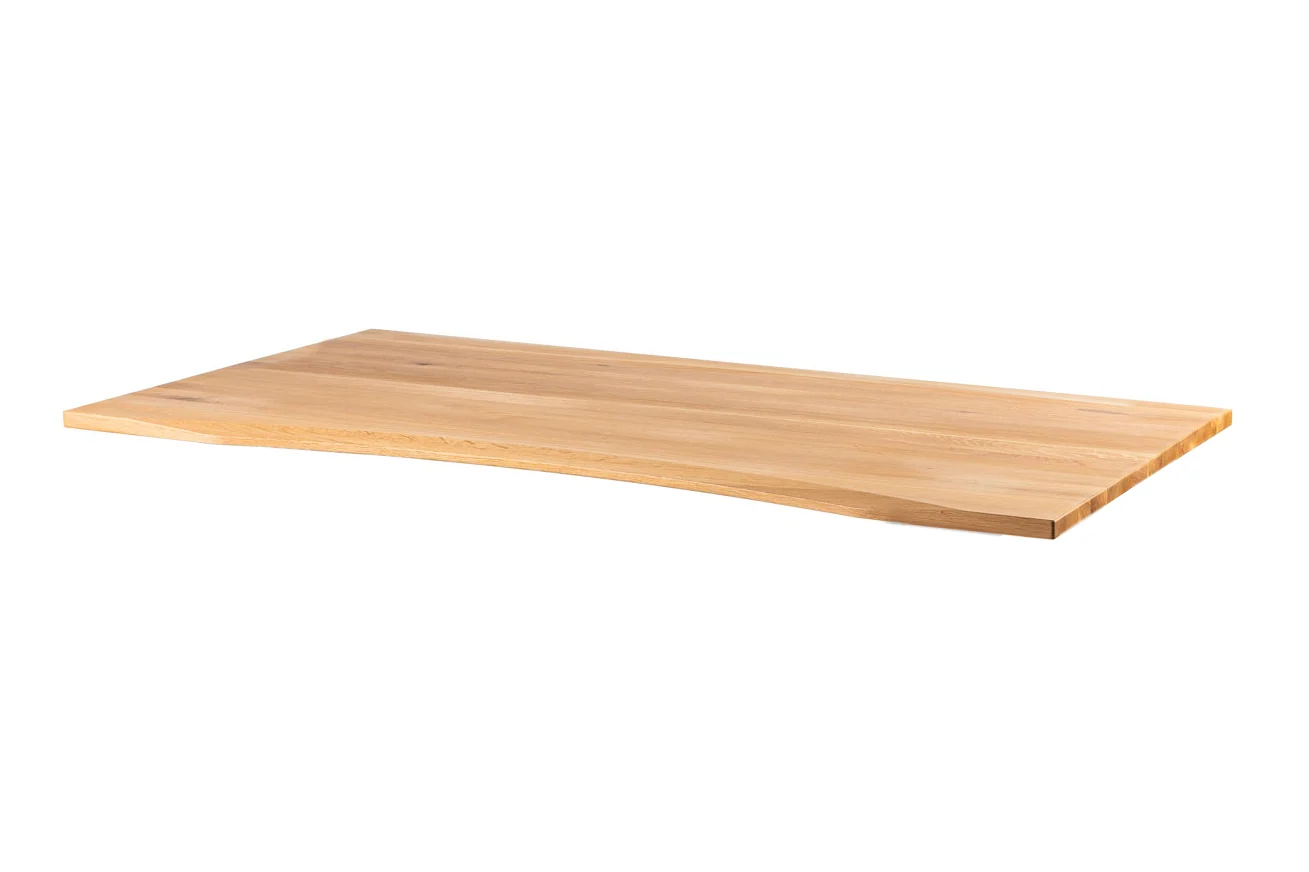
Rubberwood is a byproduct of the latex industry, making it an eco-friendly choice that is surprisingly robust. It is classified as a hardwood, offering a dense cellular structure that holds screws and threaded inserts exceptionally well. This is particularly important for electric standing desks, as the metal frame must be bolted firmly into the wood to ensure stability. If the screw holes strip or the material is too soft, the frame will eventually wobble, potentially damaging the expensive lifting motors.
Beyond structural integrity, rubberwood provides a natural grain aesthetic that appeals to many office users. It is less prone to cracking than other solid woods because it has relatively low shrinkage levels after kiln drying. For heavy setups—such as those featuring multiple monitors, heavy microphone arms, or large PC towers—the weight-bearing capacity of solid rubberwood is generally superior to that of particleboard or medium-density fiberboard (MDF).
Understanding Engineered Wood
Engineered wood, which includes particleboard, MDF, and plywood, is created by binding wood fibers or veneers together with resins and adhesives. The primary advantage of this material is its uniformity. Because it is manufactured in a controlled environment, it does not have the knots, grain irregularities, or moisture-related expansion issues that can affect solid wood. This makes it an ideal candidate for mass-produced furniture where price is the primary driver.
However, engineered wood is significantly heavier and more susceptible to moisture damage. If the protective laminate or veneer surface is chipped, liquid can seep into the core, causing the material to swell and crumble. For a standing desk, this is a major risk. If the desk experiences vibration from the motors, the mounting points for the legs can loosen over time, as the composite material does not have the same “grip” on metal hardware as natural timber.
Comparison of Desktop Materials
| Feature | Solid Rubberwood | Engineered Wood (MDF/Particleboard) |
|---|---|---|
| Structural Integrity | High (Holds screws firmly) | Moderate (Prone to stripping) |
| Warp Resistance | Moderate | High |
| Longevity | Excellent (Refinishable) | Limited (Surface dependent) |
| Cost | Mid-Range | Budget-Friendly |
| Eco-Friendliness | High (Renewable resource) | Variable (Depends on adhesives) |
Key Factors for Heavy-Duty Desks
When you are mounting a heavy frame, you must consider the “pull-out strength” of the material. Solid rubberwood allows for the use of threaded inserts, which distribute the weight of the desk frame across a larger surface area inside the wood. With engineered wood, the integrity of the connection relies entirely on the density of the core. If you are using a dual-motor system that lifts over 100 kilograms, the mechanical stress on the underside of the desk is immense.
Read also: Under Desk Treadmill Weight Capacity: Heavy Duty Walking Pads Compared
Another factor is the environmental impact on the desk. Electric standing desks are often placed in home offices where humidity levels fluctuate. While engineered wood is technically more dimensionally stable, it is not “waterproof.” If you live in a climate with high humidity, an unfinished solid rubberwood top might warp if not properly sealed with a polyurethane or oil finish. However, once sealed, rubberwood remains more resilient than composite materials.
Step-by-Step Selection Guide
Follow these steps to determine which material is right for your specific setup:
- Assess your total load: Calculate the weight of your monitors, PC, and peripherals. If the total weight exceeds 50kg, prioritize solid wood for its structural reliability.
- Check the frame mounting points: Review the desk legs installation manual. If it requires wood screws rather than machine bolts with inserts, solid rubberwood is safer to prevent the screws from tearing out.
- Evaluate your budget: If you are on a strict budget, engineered wood is acceptable, provided you reinforce the mounting points with extra washers or T-nuts.
- Consider the finish: If you want a desk that lasts a decade, choose solid rubberwood so you can sand and refinish the surface if it becomes scratched or dented.
- Check the desk thickness: Regardless of material, ensure the desktop is at least 25mm thick for heavy-duty applications to prevent bowing in the center.
Common Mistakes to Avoid
One of the most frequent errors users make is over-tightening the bolts on an engineered wood desk. Because the material is compressed wood dust, it is easy to “over-torque” the bolts, which destroys the threading inside the board. Once the internal structure is compromised, the desk will forever be unstable. Always use a manual screwdriver rather than an electric drill when installing the frame to the desktop.
Another mistake is ignoring the importance of surface sealing. If you opt for a raw rubberwood slab, you must apply a high-quality sealant. Without it, the wood will absorb oils from your skin and humidity from the air, leading to uneven staining and potential warping. Never leave the underside of the desk unfinished, as moisture absorption from the bottom can cause the entire board to bow upwards, effectively ruining the desk’s level surface.
Frequently Asked Questions
Q: Can I use an aftermarket monitor arm on an engineered wood desk?
A: Yes, but you must use a large steel reinforcement plate on the underside to distribute the clamping force, otherwise the concentrated pressure will crack or crush the composite material.
Q: Does rubberwood require special maintenance compared to engineered wood?
📷 Photo by ergohide.com
A: Yes, solid rubberwood should be lightly oiled or polished every six months to keep the wood fibers hydrated, whereas engineered wood only requires a damp cloth wipe-down.
Q: Will a heavy desk frame cause solid wood to crack over time?
A: It is unlikely if the wood is properly kiln-dried and sealed, as solid wood is naturally designed to handle structural loads much better than the adhesives used in engineered board.
Ultimately, the choice depends on your long-term goals. If you view your standing desk as a permanent piece of office infrastructure, investing in solid rubberwood is the wiser financial and functional decision. If you need a temporary or secondary workspace, engineered wood will suffice, provided you treat the mounting areas with care and avoid moisture exposure.
📷 Photo by freepik.com