



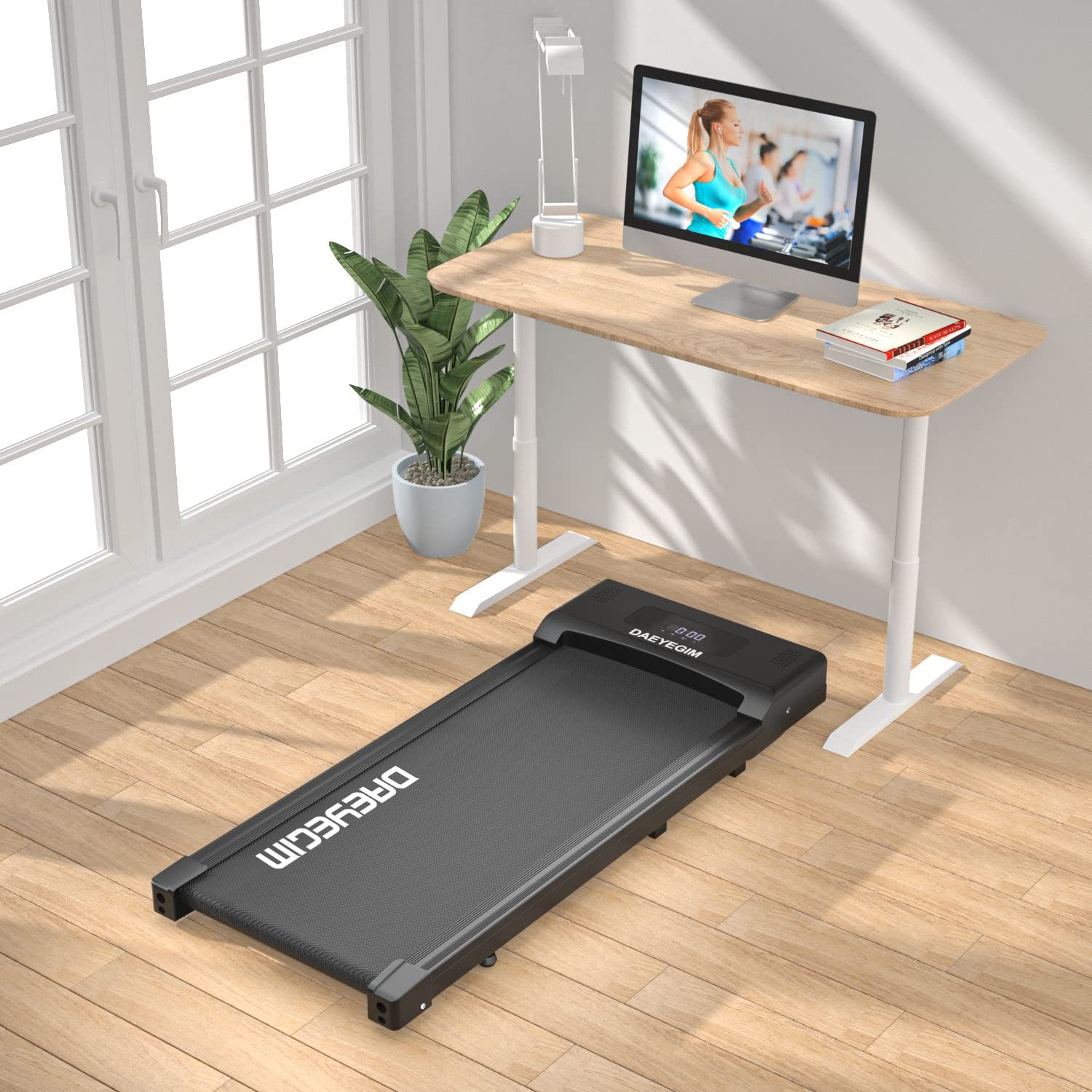
Aploda.com – Under desk treadmill weight capacity typically ranges from 200 to 300 pounds, but users exceeding 250 pounds should prioritize models with reinforced steel frames and high-torque motors to ensure mechanical longevity and user safety.
Selecting the right under desk treadmill is not merely about finding a device that fits under your workstation; it is a structural decision. When you walk, the force exerted on the treadmill belt is significantly higher than your static body weight. If your weight is near the machine’s maximum capacity, you risk burning out the motor prematurely and wearing down the belt deck, leading to frequent maintenance issues or catastrophic mechanical failure.
Understanding Weight Capacity Ratings
Manufacturers determine weight capacity based on the integrity of the frame, the power of the motor, and the durability of the deck. A treadmill rated for 220 pounds is designed for light, occasional use by individuals who stay well under that limit. If you are a heavier user or plan to use the treadmill for several hours daily, you must account for the “dynamic load” factor. Constant friction and impact require a higher tolerance level than what the base rating suggests.
Many budget-friendly walking pads use plastic components or thin steel tubing to keep shipping costs low. These units often struggle to maintain a consistent belt speed under heavier loads, which manifests as stuttering or stalling while you walk. Investing in a heavy-duty model with a weight capacity of at least 300 pounds provides a “buffer zone” that ensures the motor operates efficiently without overheating.
Key Comparison of Treadmill Categories
| Category | Weight Capacity Range | Best For | Frame Material |
|---|---|---|---|
| Ultra-Slim/Portable | 190 – 220 lbs | Light office use, occasional walkers | Lightweight Aluminum/Plastic |
| Standard Office | 240 – 265 lbs | Daily walkers, shared office spaces | Reinforced Steel |
| Heavy-Duty/Pro | 300 – 350+ lbs | Frequent users, long-duration walking | Industrial Grade Steel |
Risks of Exceeding Capacity
Ignoring the manufacturer’s weight limit is a common mistake that leads to rapid degradation. When a user exceeds the weight capacity, the belt experiences excessive friction against the deck. This forces the motor to draw more amperage, which leads to overheating. Over time, this heat can melt internal wiring or damage the controller board.
Beyond mechanical failure, there is the risk of deck snapping. The walking deck is essentially a board suspended over the frame. If the board is not thick enough or the frame lacks proper support crossbars, the deck will bow under pressure. This creates an uneven walking surface that can lead to ankle strain, knee pain, and poor posture—the exact opposite of the health benefits you are trying to achieve.
Steps to Safely Choose and Maintain Your Walking Pad
- Assess your true weight and add a 20% safety margin to ensure the motor never runs at maximum capacity.
- Check the frame material specifications; look for “heavy-duty steel” or “reinforced alloy” rather than generic plastic housings.
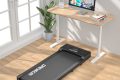
- Measure your workspace to ensure that higher-capacity, bulkier machines will physically fit under your standing desk setup.
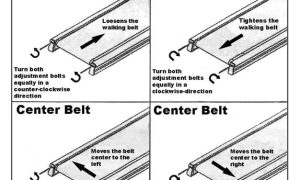
- Lubricate the walking belt every 3 to 6 months. Heavier users should lubricate more frequently to reduce the friction load on the motor.
- Listen for unusual sounds. Grinding or clicking noises under load are early indicators that the internal bearings or the motor are struggling.
Common Mistakes to Avoid
One of the most frequent errors is assuming that all walking pads are built with the same internal components. A machine might look identical to a higher-end model, but the motor size (often measured in horsepower or CHP) and the deck quality are where the differences lie. Always verify the Continuous Horsepower (CHP) rating. A motor with 2.0 CHP or higher is generally required for consistent, heavy-duty usage.
Another mistake is neglecting the surface area. Heavier individuals often have a longer, more impactful stride. If the walking pad is too short, you may find yourself constantly adjusting your gait to avoid stepping on the motor cover, which ruins the natural rhythm of walking and increases the risk of tripping.
FAQ Section
Q: Does a higher weight capacity mean the treadmill is physically larger?
A: Generally, yes. Higher capacity units require thicker steel frames and larger, more powerful motors, which increase the overall footprint and weight of the unit compared to ultra-slim entry-level models.
Q: Can I use a treadmill that is slightly below my weight?
A: It is strongly discouraged. Running or walking on a machine that is under-rated for your weight will void the warranty and lead to mechanical failure within a few months of consistent use.
Q: How do I know if my walking pad is struggling?
A: If the belt hesitates or slows down when your foot strikes the deck, the motor is underpowered for your weight or the belt requires urgent lubrication and tension adjustment.
Final Considerations
Ultimately, your under desk treadmill is an investment in your long-term health. Do not compromise on the weight capacity to save a small amount of money. By selecting a machine that comfortably accommodates your weight, you ensure a smoother, quieter, and safer experience. Always prioritize models that offer transparent weight ratings and robust frame construction, as these are the hallmarks of a device built to withstand the rigors of daily office life.
Read also: Anti-Slip Grip Tape vs Bare Wood on Standing Desk Balance Boards
📷 Photo by snapklik.com