



Aploda.com – Cleaning a mesh ergonomic office chair requires a gentle approach using a vacuum with a soft brush attachment and a mild soap solution to prevent damaging the delicate tensioned fabric. Regular maintenance, such as tightening bolts and deep cleaning the mesh every six months, is essential to prolonging the lifespan of your chair and maintaining proper ergonomic support.
Why Mesh Chairs Require Specialized Care
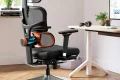
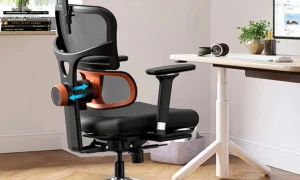
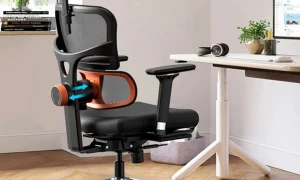
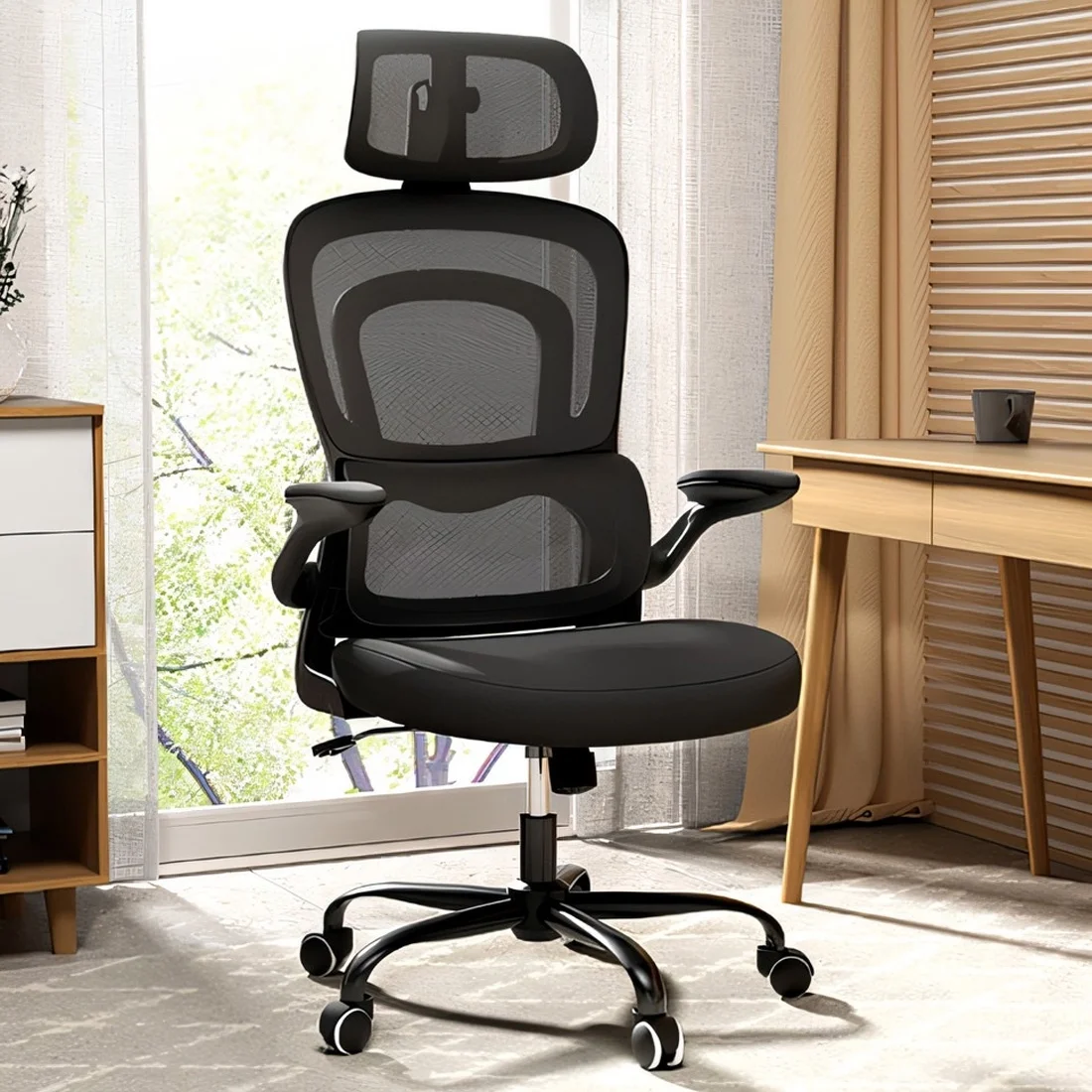
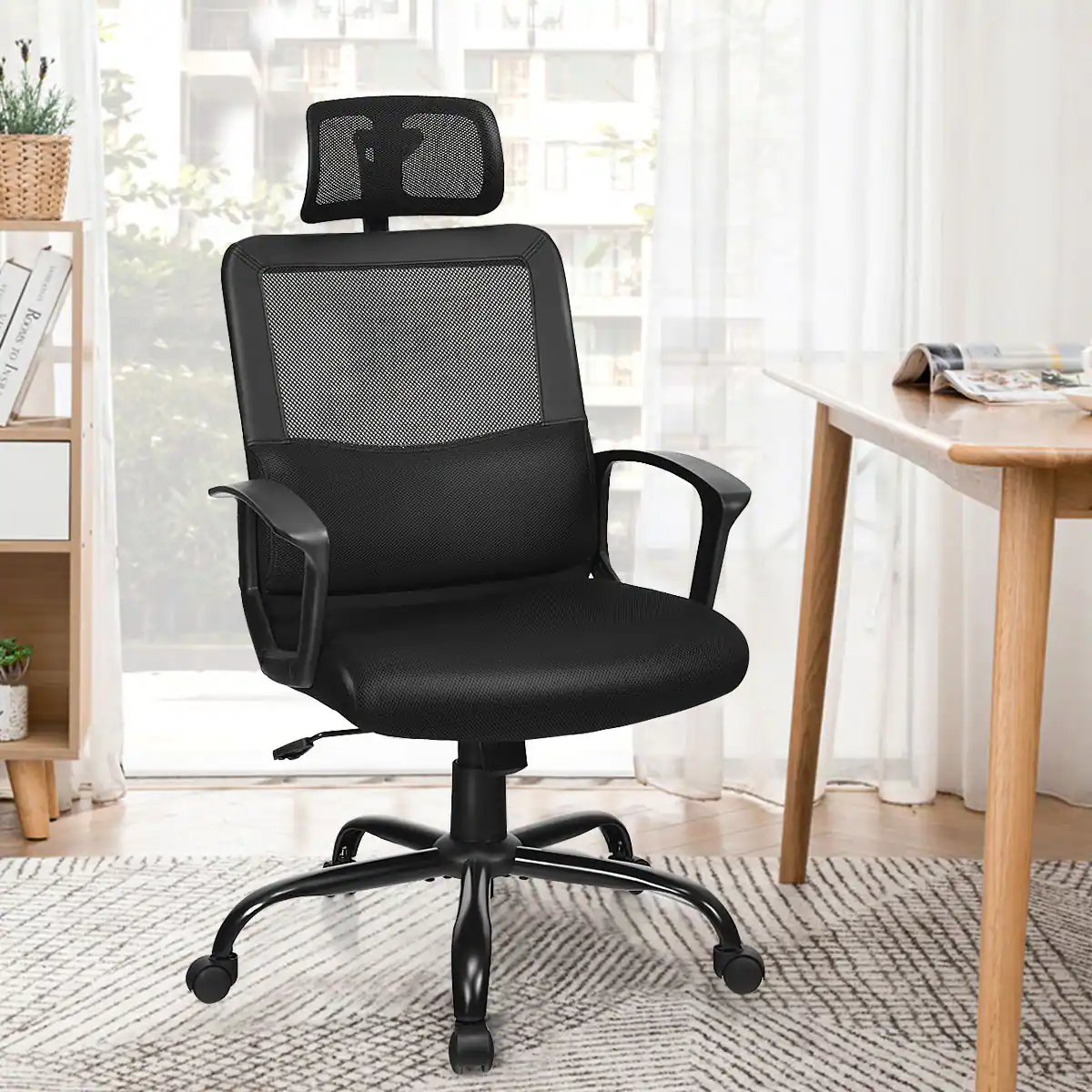
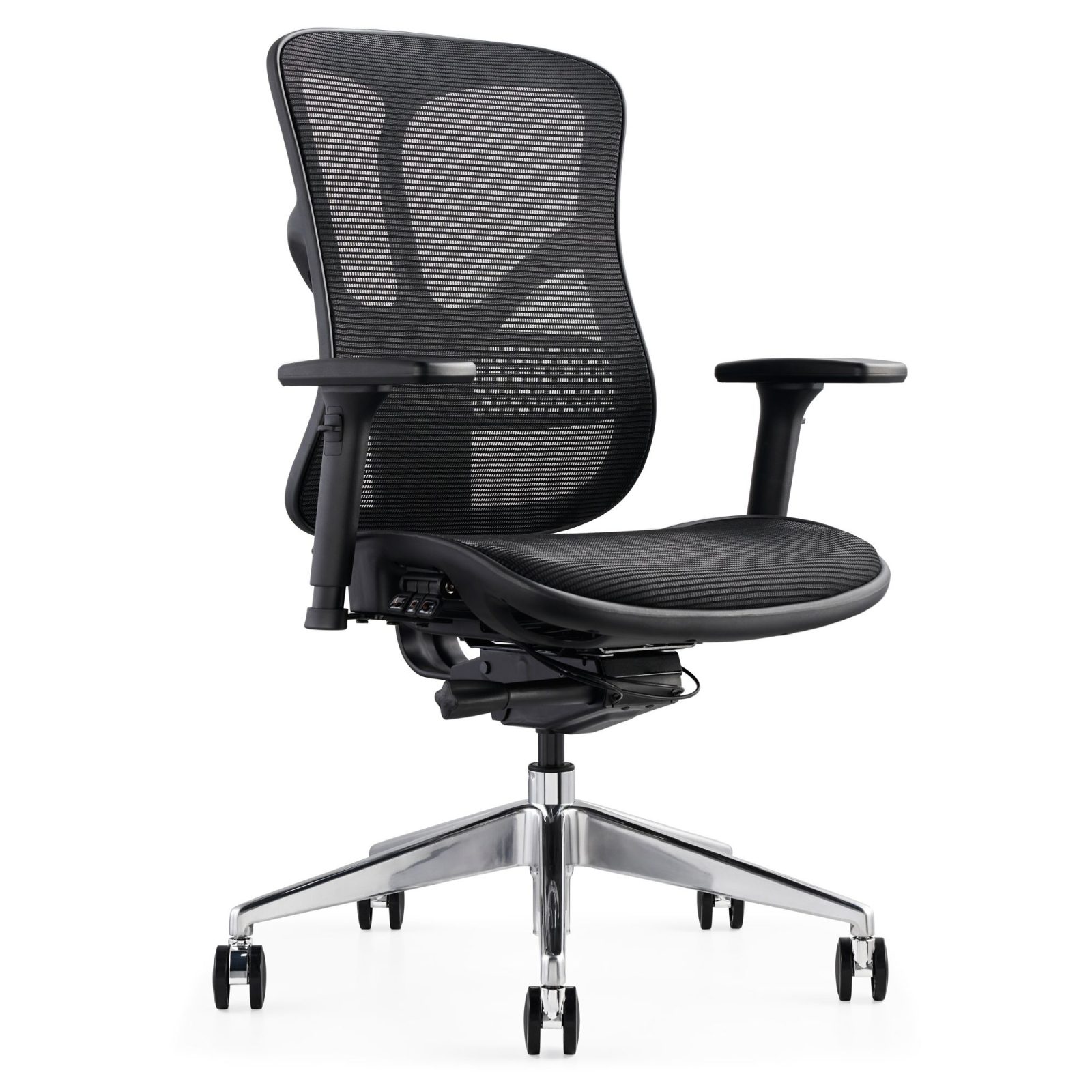
Mesh office chairs are popular because they offer superior breathability and comfort, but the material is susceptible to dust accumulation and sagging over time. Unlike leather or fabric-upholstered chairs, mesh is a suspended fabric that relies on consistent tension to support your spine. When dirt, skin cells, and oils clog the pores of the mesh, it can lose its flexibility and eventually tear or lose its shape, leading to a loss of ergonomic integrity.
📷 Photo by bestbuy.com
The frame of a mesh chair is typically constructed from high-strength plastic or aluminum, which can also harbor grime. Keeping these components clean ensures the adjustment levers function smoothly. Neglecting maintenance often leads to squeaking, stiff recline mechanisms, and an unsightly appearance that can degrade the professional look of your workspace.
Essential Maintenance Checklist
Maintaining your chair is not just about aesthetics; it is about protecting your investment and your physical health. Use the following table to track your maintenance schedule to ensure your chair remains in top condition throughout the year.
| Maintenance Task | Frequency | Reason |
|---|---|---|
| Vacuuming Mesh | Weekly | Prevents dust from grinding into fibers |
| Wipe Down Frame | Bi-weekly | Removes oils and grime buildup |
| Check/Tighten Bolts | Monthly | Prevents structural wobbling |
| Deep Clean Mesh | Bi-Annually | Removes deep-set stains and allergens |
| Lubricate Mechanism | Annually | Ensures silent and smooth reclining |
Step-by-Step Cleaning Guide
Read also: Solid Rubberwood vs Engineered Wood for Heavy Electric Standing Desks
📷 Photo by bestbuy-officechairs.co.uk
To perform a thorough cleaning of your mesh office chair without damaging the material, follow these practical steps. Ensure the chair is unplugged if it has any electronic components and work in a well-ventilated area.
- Vacuum the entire surface of the mesh, including the seat and backrest, using a soft upholstery brush attachment to dislodge loose debris and dust.
- Mix a mild solution of lukewarm water and a few drops of gentle dish soap or fabric cleaner in a bowl, avoiding harsh bleach or ammonia-based products.
- Dampen a clean microfiber cloth with the solution, ensuring it is not dripping wet, and gently blot the mesh surface to lift stains rather than scrubbing aggressively.
- Use a soft-bristled toothbrush to reach into the crevices of the frame and the tight corners where the mesh meets the plastic housing.
- Rinse the cloth with plain water, wring it out completely, and wipe the mesh again to remove any lingering soap residue that could attract future dust.
- Allow the chair to air dry completely in a shaded area away from direct sunlight, as UV rays can weaken the mesh material over time.
Common Mistakes to Avoid
Many users inadvertently shorten the life of their chair by using improper cleaning techniques. One of the most common mistakes is using a vacuum with a stiff nozzle or a vacuum power setting that is too high, which can stretch the mesh fibers or cause them to fray. Always use a soft brush attachment to distribute the suction pressure across a wider area.
Another frequent error is using excessive water. Because mesh is a tensioned fabric, soaking it can cause it to lose its structural elasticity. If the mesh gets too wet, it may sag once it dries, failing to provide the firm support your back requires. Furthermore, avoid using heat sources like hair dryers to speed up the drying process, as high heat can warp the plastic frame or melt synthetic mesh fibers.
Addressing Mechanical Issues
Beyond cleaning, the mechanical parts of an ergonomic chair require attention. If your chair begins to squeak, it is usually a sign that the metal-on-metal components, such as the tilt mechanism or the gas cylinder, need lubrication. Use a silicone-based lubricant spray rather than oil-based products, as oil tends to attract dust and create a sticky mess over time.
If you notice the chair feels unstable, flip it over and inspect the underside. Check the screws connecting the seat plate to the chair base. Vibrations from daily use can loosen these over time. Tightening them with an Allen wrench is usually a quick fix that significantly improves the overall stability and safety of the chair.
Frequently Asked Questions
Q: Can I use a steam cleaner on my mesh chair?
A: It is generally not recommended. High-pressure steam can penetrate the mesh too deeply and damage the adhesive holding the fabric to the frame or compromise the tension of the synthetic fibers.
Q: How do I remove stubborn stains from the mesh?
A: For tougher stains, create a paste using baking soda and a small amount of water. Apply it gently to the spot, let it sit for 10 minutes, and then blot it away with a damp cloth. Always test a small, inconspicuous area first to ensure colorfastness.
Q: Why does my mesh chair still smell after cleaning?
A: Odors often get trapped in the foam padding underneath the mesh seat. If cleaning the mesh does not help, the odor might be deep within the seat cushion, which may require a professional upholstery cleaner or a dedicated foam-safe deodorizer.
By following these guidelines, you ensure that your ergonomic chair remains a supportive and hygienic tool for your workspace. A little bit of consistent care prevents the need for expensive repairs or premature replacement, allowing you to focus on your work without the discomfort of a degraded seat.
📷 Photo by business.walmart.com