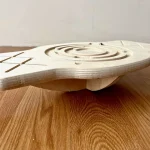


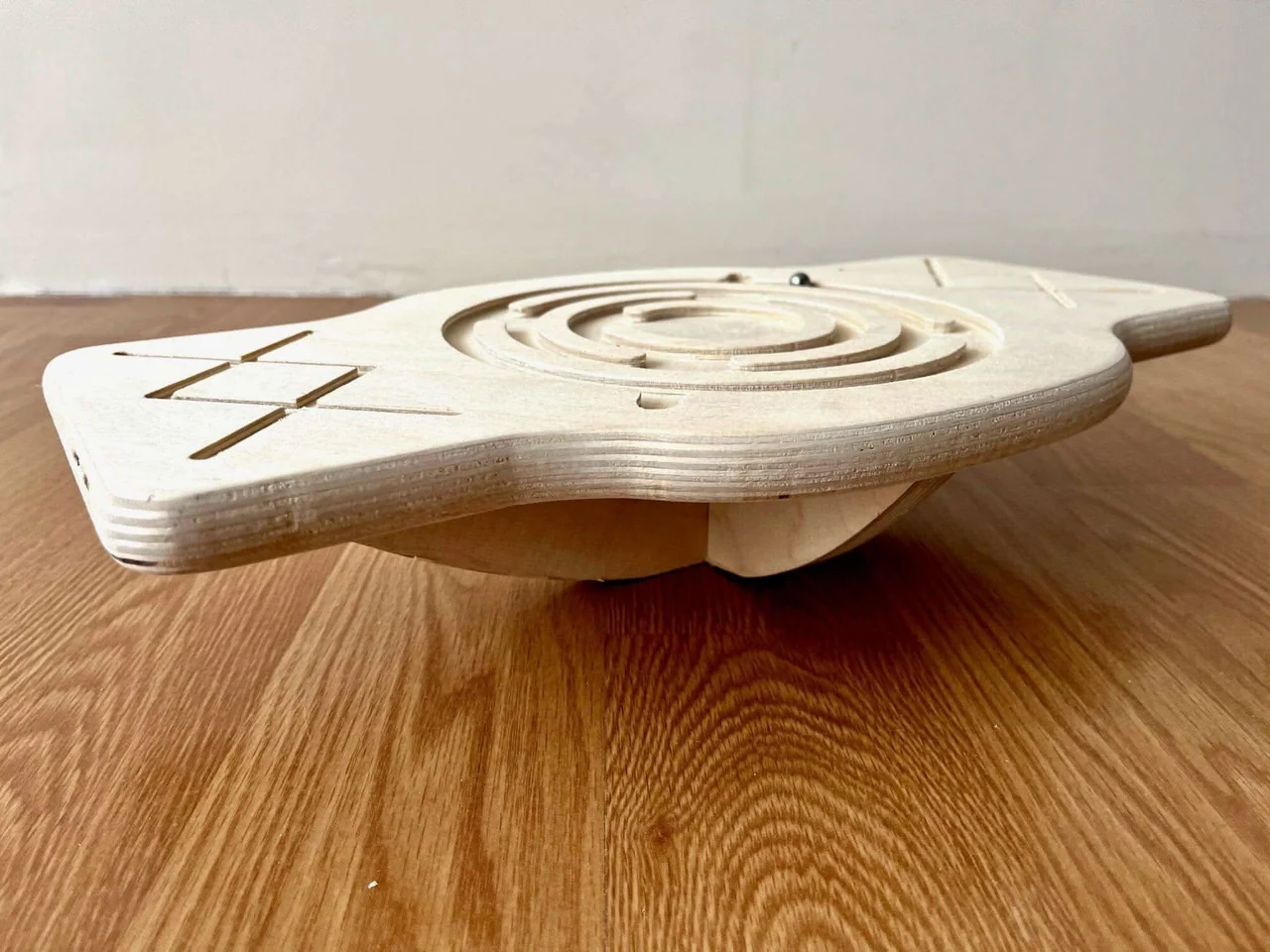
Aploda.com – A rocker style balance board provides a linear, predictable motion ideal for fundamental stability training, whereas a curved wobble board offers multi-directional instability that challenges core engagement and dynamic balance.
Choosing between a rocker board and a curved wobble board often comes down to your specific fitness goals and comfort level with instability. While both tools are staples in physical therapy and fitness training, they serve different primary functions. Understanding these differences is the first step toward improving your balance safely and effectively.
The Mechanics of Rocker Style Balance Boards
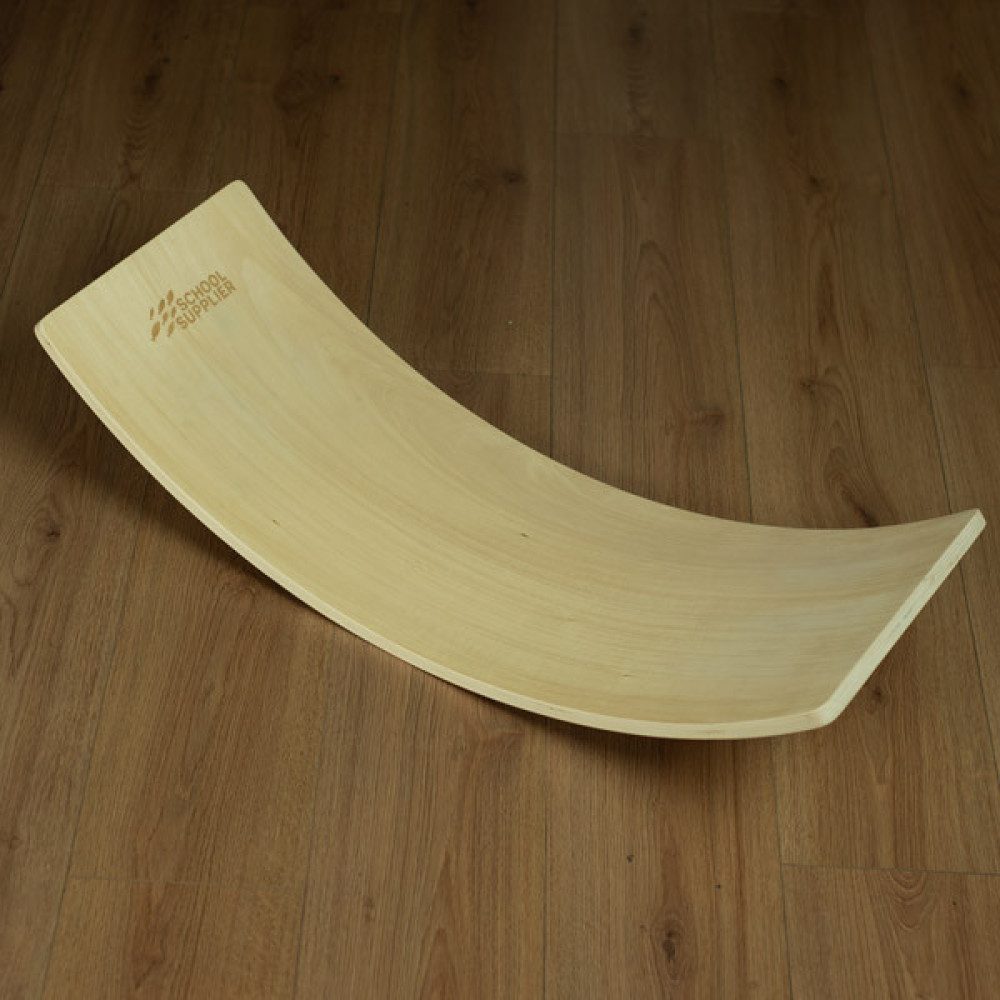
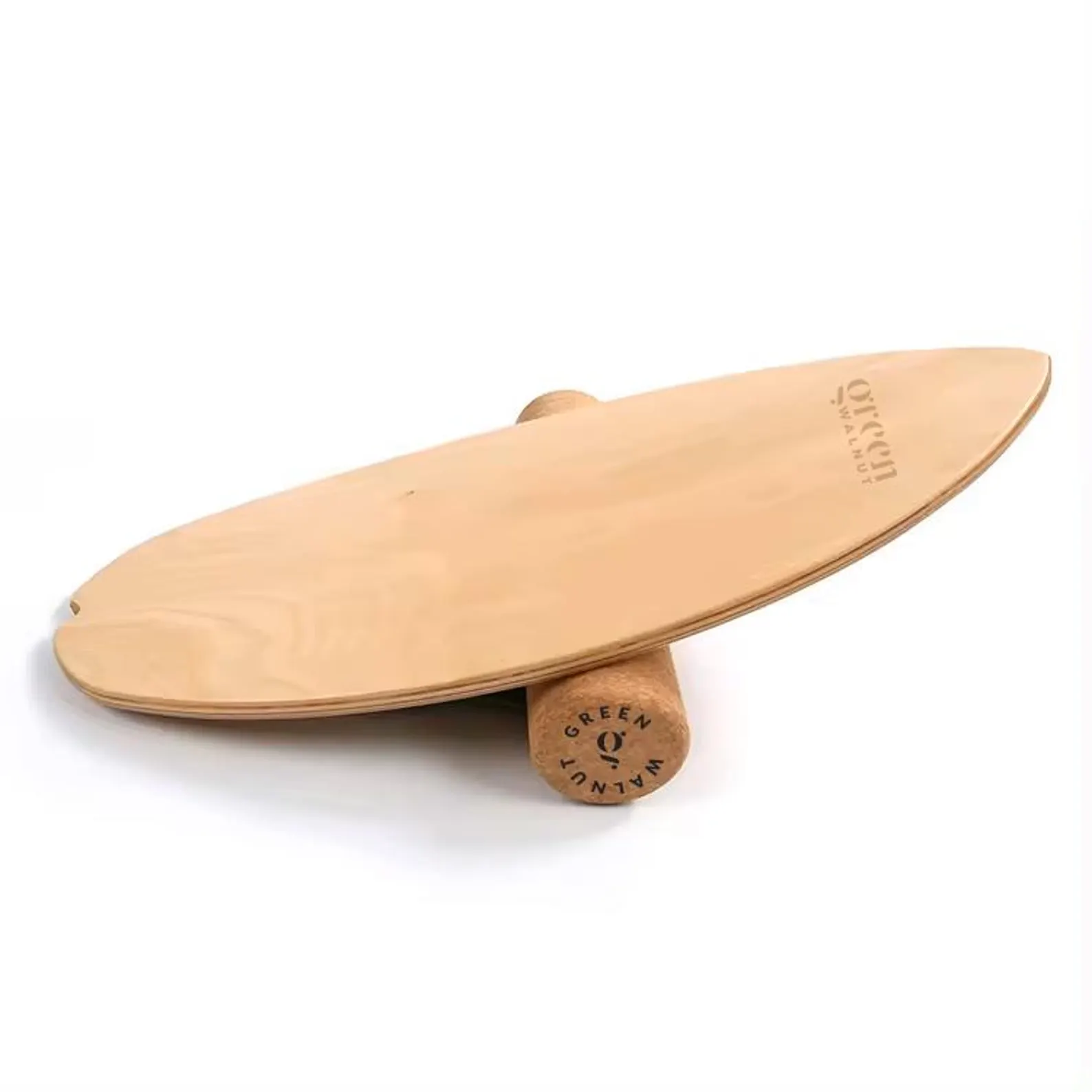
The rocker style board is characterized by a single axis of motion. Because it only tilts back and forth or side to side, it is significantly more predictable than other balance tools. For beginners, this predictability is a massive advantage. It allows you to focus on your posture and weight distribution without having to manage the complex, unpredictable movements associated with circular or floating boards.
These boards are excellent for ankle rehabilitation and learning basic weight shifts. If you are recovering from an injury or are completely new to balance training, the linear movement provides a controlled environment. You can gradually increase your speed and range of motion as your confidence grows, making it a reliable tool for long-term progression.
The Challenge of Curved Wobble Boards
Curved wobble boards, often featuring a rounded base, offer a 360-degree range of motion. This design creates a much higher level of instability, as the board can tilt in any direction at any moment. This requires constant, rapid micro-adjustments from your core muscles, ankles, and stabilizer muscles throughout your legs.
While this is more challenging, it is also more effective for functional training. The human body rarely moves in a perfectly straight line, and the wobble board mimics real-world scenarios where balance is constantly tested. Beginners may find them frustrating initially, but the neuro-muscular benefits of reacting to multi-directional instability are profound.
Comparison of Key Features
| Feature | Rocker Style Board | Curved Wobble Board |
|---|---|---|
| Motion Axis | Single Axis (Linear) | Multi-Axis (360-degree) |
| Difficulty Level | Beginner-Friendly | Intermediate/Advanced |
| Primary Benefit | Ankle Rehab & Stability | Core Activation & Reflexes |
| Predictability | High | Low |
How to Choose the Right Board for Your Progress
To make the right choice, consider your current physical condition and your primary objective. If your goal is simply to improve your standing balance or recover from an ankle sprain, the rocker board is the superior choice. Its linear nature allows for a safer learning curve, reducing the risk of a sudden fall or strain.
However, if you are an athlete or someone looking to improve your agility and core strength, the curved wobble board is the better investment. The initial difficulty is a temporary hurdle that leads to faster improvements in overall body coordination. Many users eventually own both, starting with the rocker board to build foundational strength before transitioning to the wobble board for advanced training.
Practical Steps for Beginners
Regardless of which board you choose, you must approach your training with caution and consistency. Follow these steps to ensure a safe and effective start to your balance journey:
- Clear your training area of any sharp objects or furniture that could cause injury if you lose your balance.
- Place your board on a flat, non-slip surface like a yoga mat or rubber gym flooring to prevent the board from sliding out from under you.
- Start by standing near a wall or a sturdy chair so you have something to grab onto if you feel unstable.
- Step onto the board with your feet shoulder-width apart, keeping your knees slightly bent to absorb the movement.
- Focus your gaze on a fixed point at eye level in front of you; looking down at your feet often causes you to lose your center of gravity.
- Aim for short, frequent sessions of 3 to 5 minutes rather than one long, exhausting workout to keep your muscles fresh and responsive.
Common Mistakes to Avoid
One of the most frequent mistakes beginners make is locking their knees while on the board. A locked-knee position prevents your body from making the micro-adjustments necessary to stay upright, making it much easier to lose control. Always keep your knees soft and flexible.
📷 Photo by shop.schoolsupplier.co.uk
Another common error is trying to “conquer” the board too quickly. Pushing yourself into advanced movements before you have mastered standing still is a recipe for frustration. Patience is required. Your nervous system needs time to learn how to communicate with your stabilizer muscles effectively. If you feel shaky, that is actually a sign that your body is working hard and learning; do not be discouraged by initial wobbliness.
Risks and Safety Considerations
While balance training is generally safe, it is not without risk. The primary concern is falling, which can lead to wrist or ankle injuries. Always ensure your environment is clear, and consider wearing supportive footwear until you are confident enough to practice barefoot. If you have a history of vertigo, inner ear issues, or severe joint problems, consult a physical therapist before incorporating these tools into your routine.
📷 Photo by etsy.com
FAQ
Q: Can I use a balance board every day?
A: Yes, short daily sessions are actually more effective for building neuromuscular memory than long, infrequent workouts.
Q: Which board is better for kids?
A: Rocker boards are generally safer and more intuitive for children as they provide a clear, predictable movement that is less intimidating than a multi-directional wobble board.
Q: Should I wear shoes while using these boards?
A: Wearing shoes provides extra grip and support, which is recommended for beginners. Advanced users often prefer barefoot training to improve tactile feedback and strengthen the intrinsic muscles of the feet.
By understanding the mechanical differences between rocker and curved boards, you can tailor your training to fit your specific needs. Whether you prioritize the stability and rehab-focused nature of the rocker board or the dynamic challenge of the curved wobble board, the consistent practice of balance training will yield significant improvements in your overall physical coordination and long-term joint health.
📷 Photo by kidodido.com