





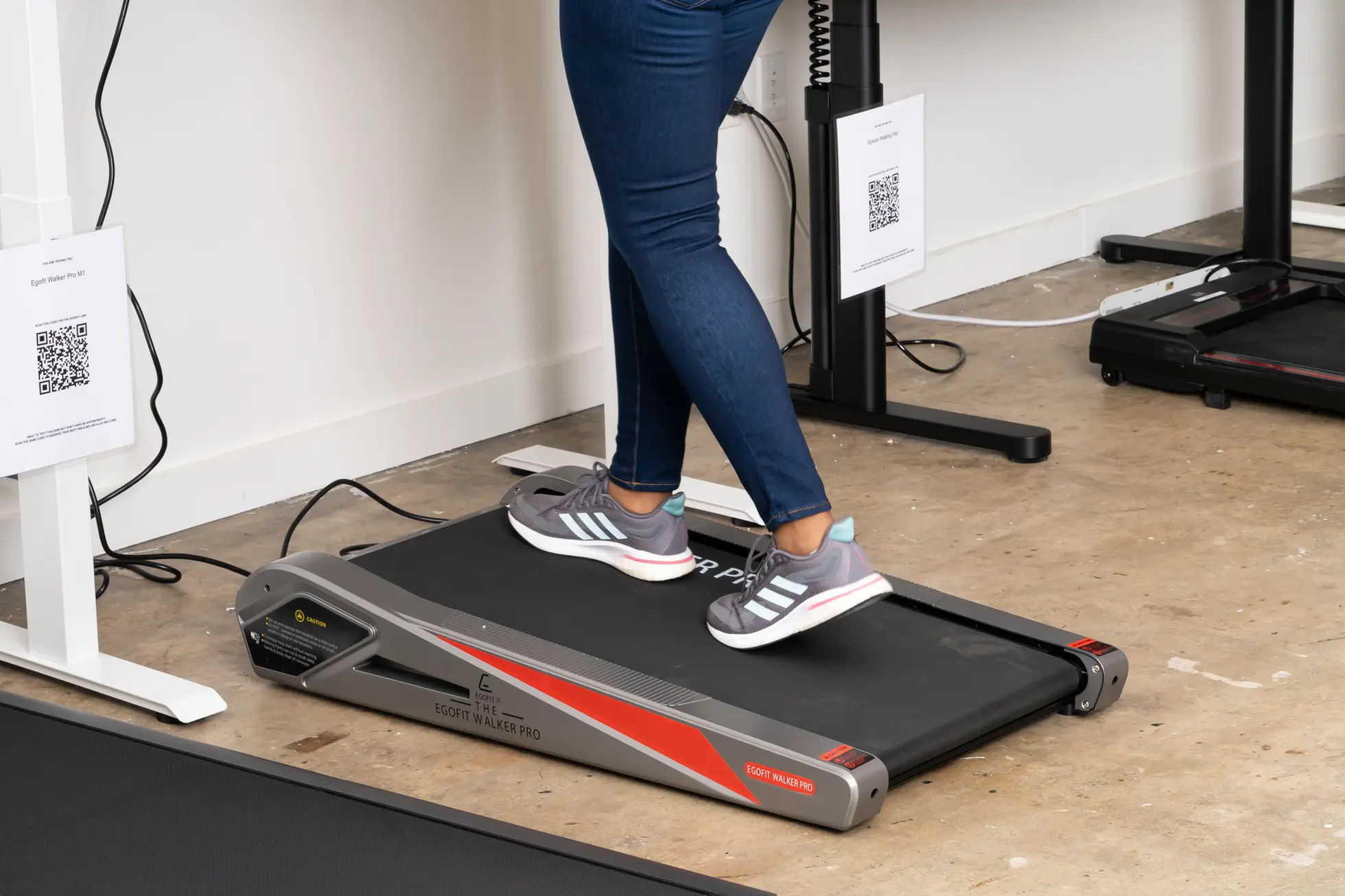
Aploda.com – Static electricity on under-desk treadmills is primarily caused by friction between the moving belt and the deck, which can be effectively neutralized by maintaining proper humidity levels, using silicone-based lubricants, and ensuring the equipment is correctly grounded.
Understanding the Mechanism of Static Buildup
Static shocks occur when electrical charges accumulate on the surface of the treadmill belt and then discharge into your body when you touch a metal component or step off the machine. This phenomenon, known as the triboelectric effect, is intensified by dry indoor air and the specific materials used in treadmill construction, such as rubber belts and plastic decks. When these surfaces rub together, electrons transfer, creating a buildup that seeks an immediate path to ground—which, unfortunately, is often you.
The severity of these shocks is usually higher in office environments where climate control systems strip moisture from the air. While these shocks are generally harmless, they can be startling and disruptive to your workflow. Addressing the issue requires a multi-faceted approach that targets both the environment and the mechanical operation of the treadmill itself.
Environmental and Mechanical Factors
The most common culprit for persistent static is low relative humidity. When the air is dry, static charges cannot dissipate into the atmosphere, causing them to linger on the belt until you provide a contact point. Additionally, if your treadmill belt is dry or worn, the friction increases exponentially. A well-lubricated belt not only runs smoother but also reduces the amount of static electricity generated during every rotation.
Another often overlooked factor is the flooring beneath your treadmill. Carpets are notorious for generating static, especially when synthetic fibers are involved. If your treadmill is placed directly on a carpet, the static buildup from the floor can compound with the static generated by the treadmill, leading to frequent and painful shocks.
Comparison of Mitigation Strategies
| Strategy | Effectiveness | Difficulty | Primary Benefit |
|---|---|---|---|
| Silicone Lubrication | High | Medium | Reduces friction and heat |
| Humidifier Use | High | Low | Dissipates charges naturally |
| Anti-Static Mat | Medium | Low | Isolates the treadmill from carpet |
| Anti-Static Spray | Low | Low | Temporary surface treatment |
Step-by-Step Guide to Eliminating Static Shocks
Follow these practical steps to minimize or eliminate static electricity while using your under-desk treadmill:
- Apply Silicone Lubricant: Ensure the underside of your treadmill belt is properly lubricated with a 100% silicone treadmill lubricant. Follow the manufacturer’s instructions to lift the belt slightly and apply the lubricant evenly along the deck.
- Install a Floor Mat: Place a dedicated treadmill mat or a hard-surface chair mat underneath the unit. This creates a barrier between the treadmill and carpeted surfaces, preventing static transfer from the floor.
- Increase Room Humidity: Use a portable humidifier in your workspace to keep relative humidity between 40% and 50%. This moisture level allows static charges to dissipate into the air rather than building up on the belt.
- Check Electrical Grounding: Ensure your treadmill is plugged into a properly grounded three-prong outlet. Avoid using ungrounded extension cords or power strips, as a lack of a proper ground path forces the static charge to dissipate through the user.
- Wear Natural Fibers: Choose to wear cotton or other natural fiber clothing while walking. Synthetic fabrics like polyester or nylon are highly prone to static buildup and can worsen the frequency of shocks.
Common Mistakes and Best Practices
One of the most frequent mistakes users make is using oil-based lubricants instead of silicone. Petroleum-based products can damage the belt material and cause the treadmill to overheat, which paradoxically increases friction and static. Always verify that your lubricant is specifically formulated for treadmill belts.
Another error is neglecting the deck surface. Dust and debris trapped between the belt and the deck act like sandpaper, increasing friction and electrical resistance. Regularly vacuuming around the treadmill and wiping down the belt with a damp cloth can significantly reduce the potential for static generation. If you find that the static persists despite these measures, consider wiping the belt surface with a diluted fabric softener solution—though this should be a last resort, as some chemicals can degrade the belt surface over time.
The Role of Grounding
Many under-desk treadmills feature a metal frame or console. If the power cord is not properly grounded, these metal parts act as capacitors, holding a charge until you touch them. If you are experiencing consistent shocks from the metal frame, use a multimeter to check the wall outlet’s ground connection. If the outlet is fine, the issue may lie within the internal wiring of the treadmill, in which case you should contact the manufacturer for a professional inspection.
Frequently Asked Questions
Q: Will using an anti-static spray on the treadmill belt damage it?
A: Most commercial anti-static sprays are safe, but avoid sprays containing harsh solvents or high alcohol concentrations. It is best to test a small, inconspicuous area of the belt first to ensure the material does not become tacky or discolored.
Q: Why do I only get shocked when the air conditioning is running?
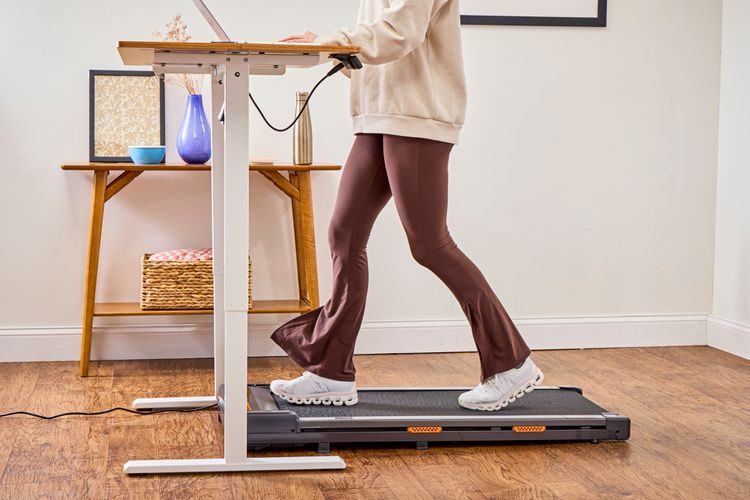
📷 Photo by verywellfit.com
A: Air conditioning units act as dehumidifiers, removing moisture from the air as they cool the room. This drop in humidity prevents static charges from grounding themselves naturally through the air, causing them to accumulate on your treadmill instead.
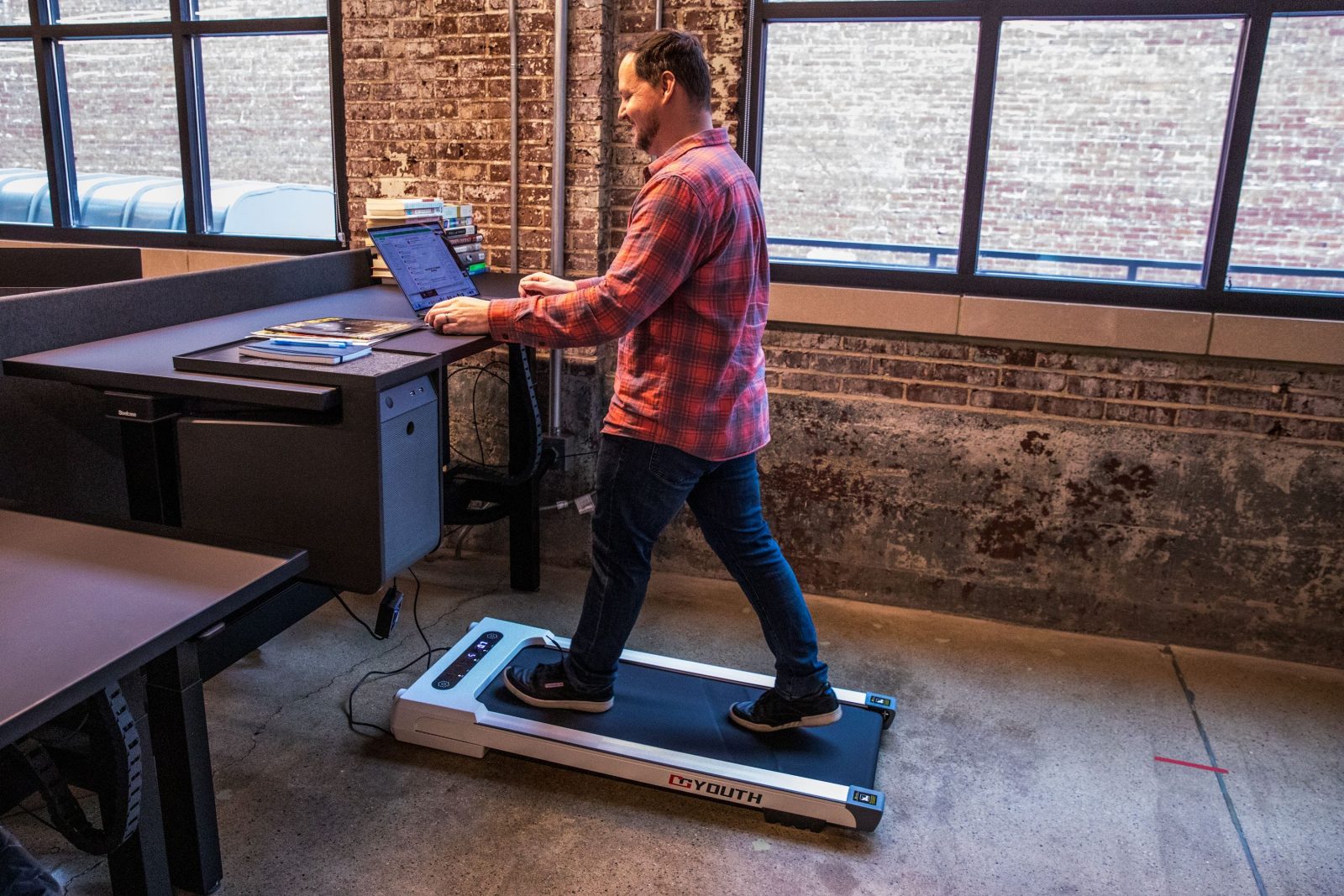
📷 Photo by runnersworld.com
Q: Is it dangerous to get shocked by my treadmill?
A: While the static discharge is annoying and can cause a “snap,” it is generally not dangerous to your health or the treadmill’s electronics. However, excessive static can occasionally cause the treadmill’s display to flicker or reset, so it is worth resolving the issue to protect the sensitive internal control board.
📷 Photo by nytimes.com