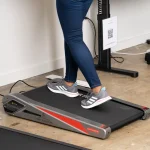



Aploda.com – Under desk treadmills generally burn significantly more calories than under desk ellipticals because they facilitate walking or jogging, which requires greater muscle recruitment and a higher metabolic rate than the seated or standing pedaling motion of an elliptical. While both devices promote movement, the weight-bearing nature of a treadmill forces your body to work harder against gravity, leading to a higher energy expenditure per hour.
Understanding Caloric Expenditure
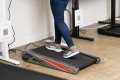
When choosing between these two pieces of office fitness equipment, the primary differentiator is the intensity of the workout. An under desk treadmill allows for a natural gait, engaging your glutes, hamstrings, and calves to propel your body weight forward. In contrast, an under desk elliptical is designed primarily for seated or light standing use, focusing on repetitive, low-impact leg motions that rarely elevate the heart rate into a significant fat-burning zone.
The caloric burn is not just about the device itself; it is about the posture and level of exertion. Most users find it difficult to perform deep, high-intensity pedaling while seated, which limits the total calorie count. A treadmill, even at a slow walking pace, keeps the body upright and in constant motion, which is inherently more taxing for the cardiovascular system.
Comparative Analysis of Energy Output
To provide a clearer picture of how these devices stack up, we can look at the estimated energy expenditure for a 150-pound individual over one hour of continuous, low-to-moderate intensity use.
| Activity Type | Estimated Calories Burned (Per Hour) | Primary Muscle Focus |
|---|---|---|
| Seated Under Desk Elliptical | 100 – 150 kcal | Calves, Shins |
| Standing Under Desk Elliptical | 150 – 220 kcal | Calves, Quads, Glutes |
| Slow Walking Treadmill (1.5 mph) | 200 – 280 kcal | Glutes, Hamstrings, Core |
| Brisk Walking Treadmill (3.0 mph) | 300 – 400+ kcal | Full Leg Chain, Core, Heart |
The Mechanics of Movement
The under desk elliptical is a fantastic tool for fidgeting and keeping joints lubricated, but it does not provide a robust cardiovascular workout. Because you are often seated, your core does not need to stabilize your body as much as it would during walking. This “passive” movement is excellent for blood flow, but it is not a replacement for a structured workout session.
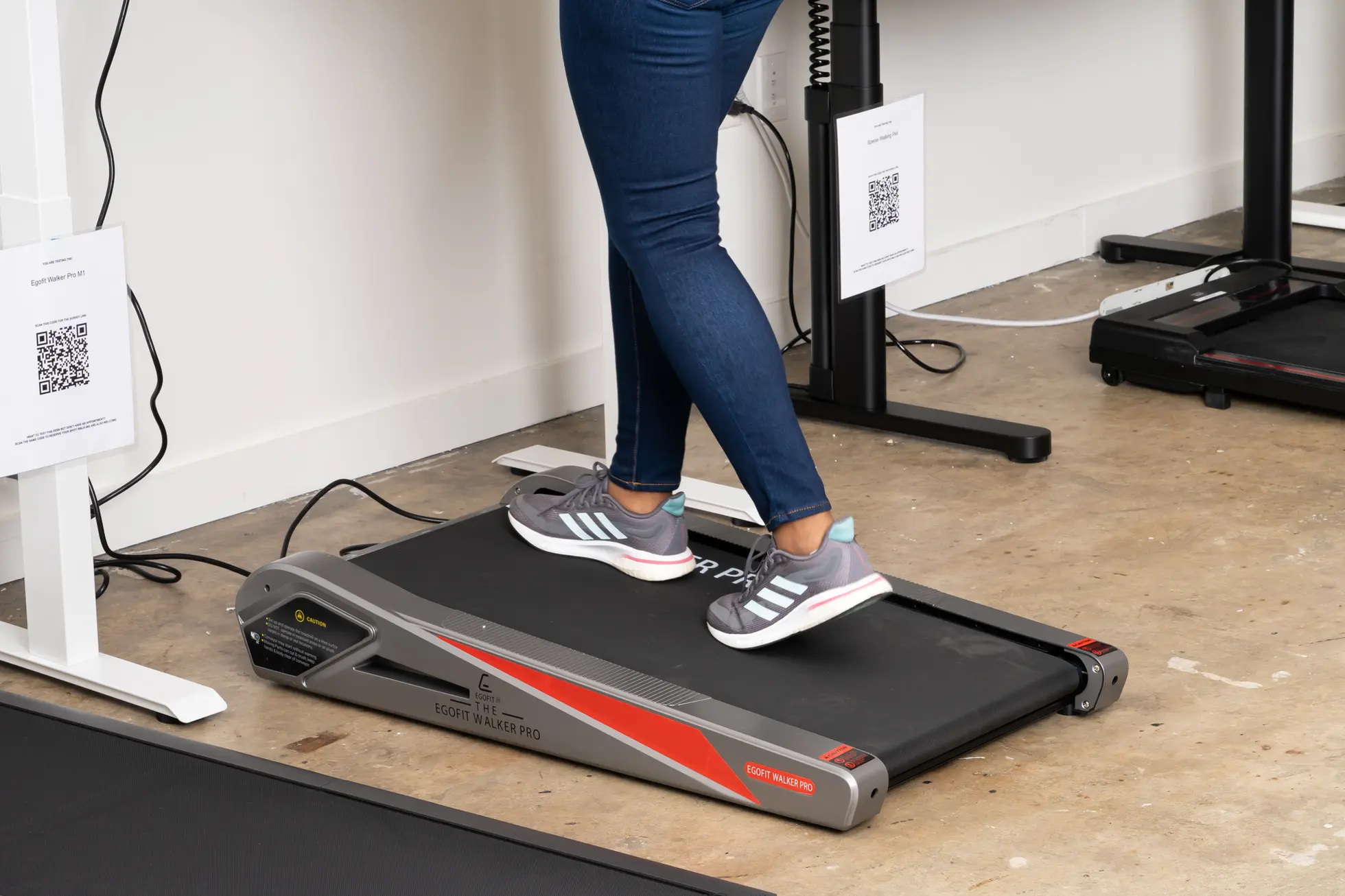
Under desk treadmills, however, require you to be upright. This constant balancing act engages your core muscles, which contributes to a higher metabolic rate. Even at a leisurely pace, the act of walking involves shifting your entire body weight with every step, which is fundamentally different from the circular, assisted motion of an elliptical pedal.
How to Maximize Calorie Burn While Working
If your goal is weight management or increased energy expenditure, you must approach your equipment with a strategy. Simply moving your legs is not enough; you need to focus on intensity and consistency.
- Assess your workstation ergonomics to ensure you can stand comfortably for at least 30 to 60 minutes at a time.
- Start with a slow pace on your treadmill to get used to typing while walking; do not attempt to multitask at high speeds immediately.
- Increase the intensity of your treadmill sessions by adding short intervals of a slightly higher speed every 20 minutes.
- If you use an elliptical, prioritize standing over sitting to increase the load on your lower body and core.
- Maintain a consistent schedule, aiming for at least three hours of total movement throughout your workday rather than one long, exhausting session.
Common Mistakes and Risks
One of the most frequent mistakes users make is overestimating the calories burned by these devices. Many users assume that because they are “moving,” they can offset poor dietary habits. It is important to remember that these devices are meant to combat sedentary behavior, not necessarily to replace intense gym sessions.
Furthermore, posture is critical. Using an under desk treadmill with poor form—such as leaning heavily on your desk—can lead to back pain and reduce the effectiveness of the exercise. Similarly, using an elliptical with the resistance set too low provides almost no metabolic benefit, serving only as a distraction rather than a health tool.
Read also: Best Balance Board Standing Desk with 360-Degree Fluid Motion
The Role of Consistency and Ergonomics
While the treadmill clearly wins the “calories burned” contest, the elliptical has its own merits. It is much quieter, takes up less space, and is generally safer for those with chronic knee or hip issues. If your office environment is quiet or your space is limited, an elliptical might be the more practical choice for long-term consistency.
Ultimately, the best device is the one you will actually use every single day. A treadmill that gathers dust because it is too loud or cumbersome is less effective than an elliptical that you use for four hours every afternoon. Consider your specific work environment and physical limitations before making a purchase.
Frequently Asked Questions
Q: Can I really lose weight using an under desk treadmill?
A: Yes, if you use it consistently to increase your daily step count and maintain a caloric deficit through your diet, you can see significant weight management results over time.
Q: Are under desk ellipticals a waste of money?
A: Not at all. They are excellent for increasing non-exercise activity thermogenesis (NEAT), improving circulation, and preventing the negative health effects associated with prolonged sitting, even if they don’t burn as many calories as a treadmill.
Q: Is it safe to walk on a treadmill while typing?
A: Most people can safely type at walking speeds of up to 2.0 mph. It requires a brief adjustment period to develop the coordination needed to balance while focusing on a computer screen.
Final Considerations for Your Workspace
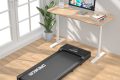
Before investing, measure your desk height and legroom. Many under desk treadmills require a standing desk converter, while some ellipticals may be too tall for shorter desks, causing your knees to hit the underside of the table. Always prioritize a setup that allows you to maintain a neutral spine and relaxed shoulders. Regardless of the device you choose, the greatest benefit comes from breaking up long blocks of stillness, which is the true key to metabolic health in a modern office environment.
📷 Photo by nytimes.com