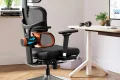

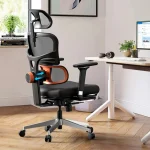


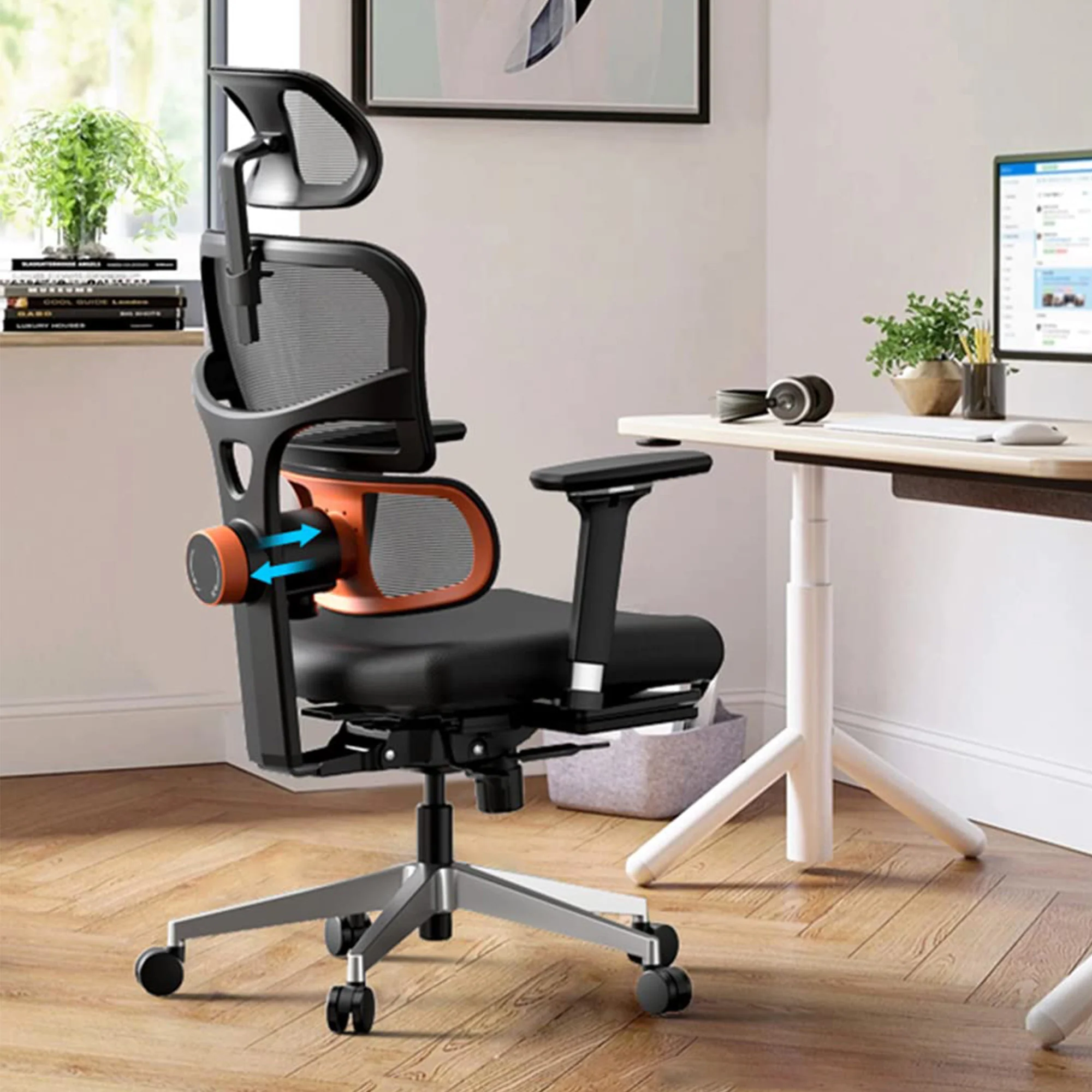
Aploda.com – Seat depth adjustment is the critical ergonomic feature that allows you to align your thighs with the chair pan, preventing pressure behind the knees and ensuring proper backrest support for spinal health. Correct seat depth is the difference between a productive workday and chronic lower back pain caused by poor posture.
Understanding Seat Depth and Its Impact on Health
Seat depth refers to the distance from the front edge of the seat cushion to the backrest. Many people mistakenly believe that their height determines their chair choice, but it is actually the length of your femurs (thigh bones) that dictates the required seat depth. When a chair’s seat is too deep, the front edge presses against the sensitive nerves and blood vessels behind your knees. This restriction often forces you to scoot forward, leaving your lower back unsupported and creating a gap between your lumbar region and the chair.
Conversely, a seat that is too shallow fails to provide enough surface area to support your thighs. This puts excessive pressure on your sit bones (ischial tuberosities), leading to discomfort, numbness, and poor weight distribution across the lower body. Over time, these ergonomic failures contribute to musculoskeletal disorders, including sciatica, hip bursitis, and lumbar strain.
How to Determine the Perfect Seat Depth
Achieving the perfect fit is not about guesswork; it is about following a standardized ergonomic measurement process. You should be able to sit comfortably with your back firmly against the backrest while maintaining a small gap between the edge of the seat and your knee. A general rule of thumb is the “two-finger” or “three-finger” test.
The Step-by-Step Adjustment Guide
- Sit fully back in your chair, ensuring your spine is flush against the lumbar support.
- Locate the seat depth adjustment lever or handle, usually found on the underside of the seat pan.
- Slide the seat forward or backward until there is a gap of approximately two to three inches between the back of your knees and the edge of the seat cushion.
- Test the fit by trying to slide your fingers between the chair edge and your calves; if you cannot fit your hand comfortably, the seat is too deep.
- Lock the seat position into place and ensure the mechanism is secure before resuming your work.
Comparative Analysis of Seat Depth Settings
| Condition | Impact on Body | Risk Factor |
|---|---|---|
| Too Deep | Restricts circulation, forces slouching | Nerve compression, chronic back pain |
| Too Shallow | Insufficient thigh support | Pressure on sit bones, hip fatigue |
| Properly Adjusted | Full thigh support, neutral spine | Improved posture, reduced strain |
Common Mistakes and How to Avoid Them
One of the most frequent mistakes users make is adjusting the seat depth only once and never touching it again. Your posture naturally shifts throughout the day, especially if you alternate between deep-focus work and relaxed reading or phone calls. If your chair allows for it, re-adjusting the seat depth based on your task can provide significant relief.
Another error is ignoring the relationship between seat depth and lumbar support. If you adjust the seat depth correctly but your lumbar support is positioned too high or too low, you still will not achieve a neutral spine. Always adjust your seat depth first, then calibrate your lumbar height to match the natural curve of your lower back. If you are using a chair without an adjustable seat depth, consider using a high-density foam back cushion to fill the gap, though this is a secondary solution to a properly fitted chair.
The Role of Seat Material and Firmness
While the physical depth is critical, the material of the seat also influences how that depth feels. A seat pan with a waterfall edge—a downward curve at the front—is highly recommended. This design helps minimize the pressure on the underside of the thighs, even if you are on the shorter side and struggle to find a chair with a short enough seat depth. If your chair has a flat, rigid edge, the margin for error in seat depth adjustment is much smaller, making the precision of your adjustment even more vital for long-term comfort.
Frequently Asked Questions
Q: Can I use a footrest to compensate for a seat that is too deep?
A: A footrest can help keep your feet grounded, but it does not fix the issue of the seat pan pressing against the back of your knees. It is always better to adjust the seat depth itself rather than trying to compensate with accessories.
Q: How often should I check my seat depth settings?
A: You should check your ergonomic settings whenever you feel discomfort or if you have changed your footwear significantly, as heel height can alter the angle of your legs and how your body interacts with the seat pan.
Q: Does seat depth affect my desk height?
A: Yes, indirectly. If your seat depth is incorrect, you may inadvertently shift your body position, which then changes how your arms reach the desk. Proper seat depth is the foundation of your entire ergonomic setup.
Final Thoughts on Ergonomic Investment
Investing in an office chair with seat depth adjustment is an investment in your long-term mobility. Many entry-level chairs lack this feature, which is why users often find themselves feeling fatigued by mid-afternoon. When shopping for a chair, look for the term “seat slider” or “adjustable seat depth” in the specifications. If you currently have a chair that fits well but lacks this feature, ensure you are utilizing a footrest and taking frequent movement breaks to mitigate the lack of adjustability. Ultimately, your body should dictate the chair’s configuration, not the other way around.
Read also: How to Fix an Uneven Electric Standing Desk Leg Error Code
📷 Photo by eurekaergonomic.com