


Aploda.com – A wooden balance board is best for active core engagement and high-intensity micro-movements, while a foam balance pad is superior for joint-friendly cushioning, static stability, and prolonged comfort during long work hours.
Choosing the right balance tool for your standing desk depends entirely on your specific health goals, your current fitness level, and the type of flooring you have in your workspace. While both tools aim to reduce the sedentary nature of office work, they stimulate the body in fundamentally different ways.
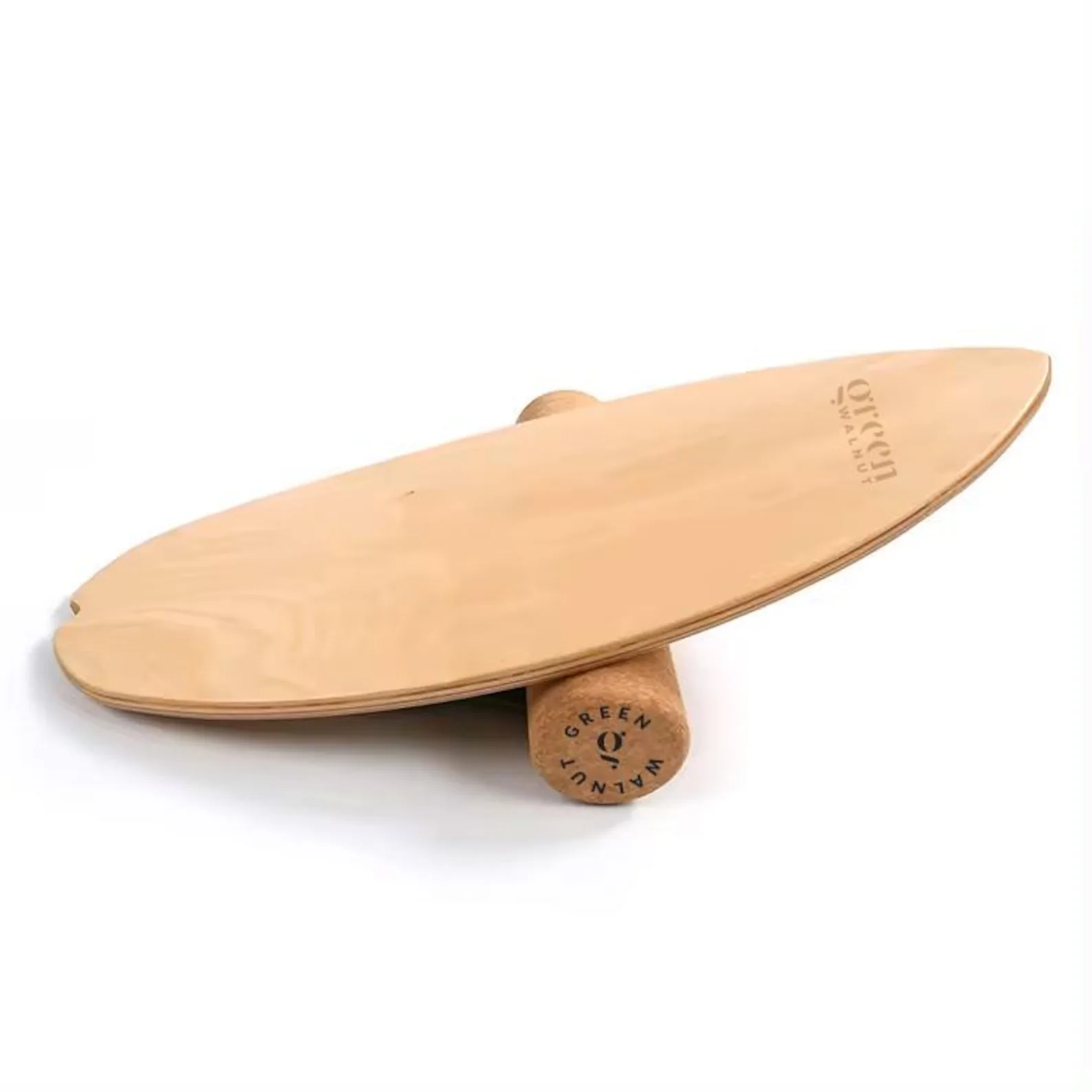
The Mechanics of a Wooden Balance Board
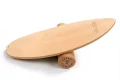
Wooden balance boards are rigid, usually featuring a curved base or a pivot point that forces your ankles and core to constantly adjust to maintain equilibrium. This constant state of micro-balancing keeps the muscles around your ankles, knees, and hips engaged throughout the day. It is essentially a low-impact workout that you can perform while answering emails.
The primary benefit here is proprioception—the body’s ability to sense its position in space. By using a wooden board, you are training your nervous system to stay alert. However, because the surface is hard and the movement is dynamic, some users find it difficult to focus on complex tasks while balancing, as the board demands a higher level of cognitive attention.
The Mechanics of a Foam Balance Pad
A foam balance pad works on the principle of instability through compression. When you stand on the soft, dense foam, your feet sink slightly, creating a “wobble” effect that is far more subtle than that of a wooden board. The primary advantage of the foam pad is its ability to reduce pressure on the soles of your feet and the joints of your lower limbs.
This is an excellent option for individuals who suffer from foot fatigue or plantar fasciitis. Because the foam provides a soft surface, it allows for standing periods that are significantly longer than what a hard wooden surface would permit. It is less about “working out” and more about “active comfort.”
Comparison of Balance Tools
| Feature | Wooden Balance Board | Foam Balance Pad |
|---|---|---|
| Primary Benefit | Core engagement & agility | Joint relief & comfort |
| Difficulty Level | Moderate to High | Low to Moderate |
| Surface Feel | Hard and responsive | Soft and yielding |
| Task Focus | Best for quick tasks | Best for long work hours |
How to Integrate These Tools Into Your Routine
Transitioning to a balance tool requires a gradual approach to avoid overworking your stabilizing muscles. If you jump into a full eight-hour day of balancing, you will likely experience muscle soreness or even fatigue-related posture collapse.
Read also: Seat Depth Adjustment: Why It Matters for Ergonomic Office Chair Fit
- Start by placing the tool at your standing desk but continue using your regular floor mat for the majority of the day.
- Use the tool for only 15-minute intervals, alternating between the balance tool and flat-floor standing every hour.
- Monitor your posture; if you feel yourself slouching or leaning on the desk more than usual, switch back to a flat surface to reset your spine.
- Increase your usage time by 10 minutes each week as your core strength and ankle stability improve.
- Listen to your body, particularly your lower back; if you feel sharp pain, stop immediately and consult with a physical therapist.
Common Mistakes to Avoid
One of the most frequent errors users make is wearing high-heeled shoes or dress shoes while using a balance board. These tools are designed to work best when your feet have natural contact with the surface. Using them in restrictive footwear can lead to ankle rolls or poor weight distribution, which defeats the purpose of the activity.
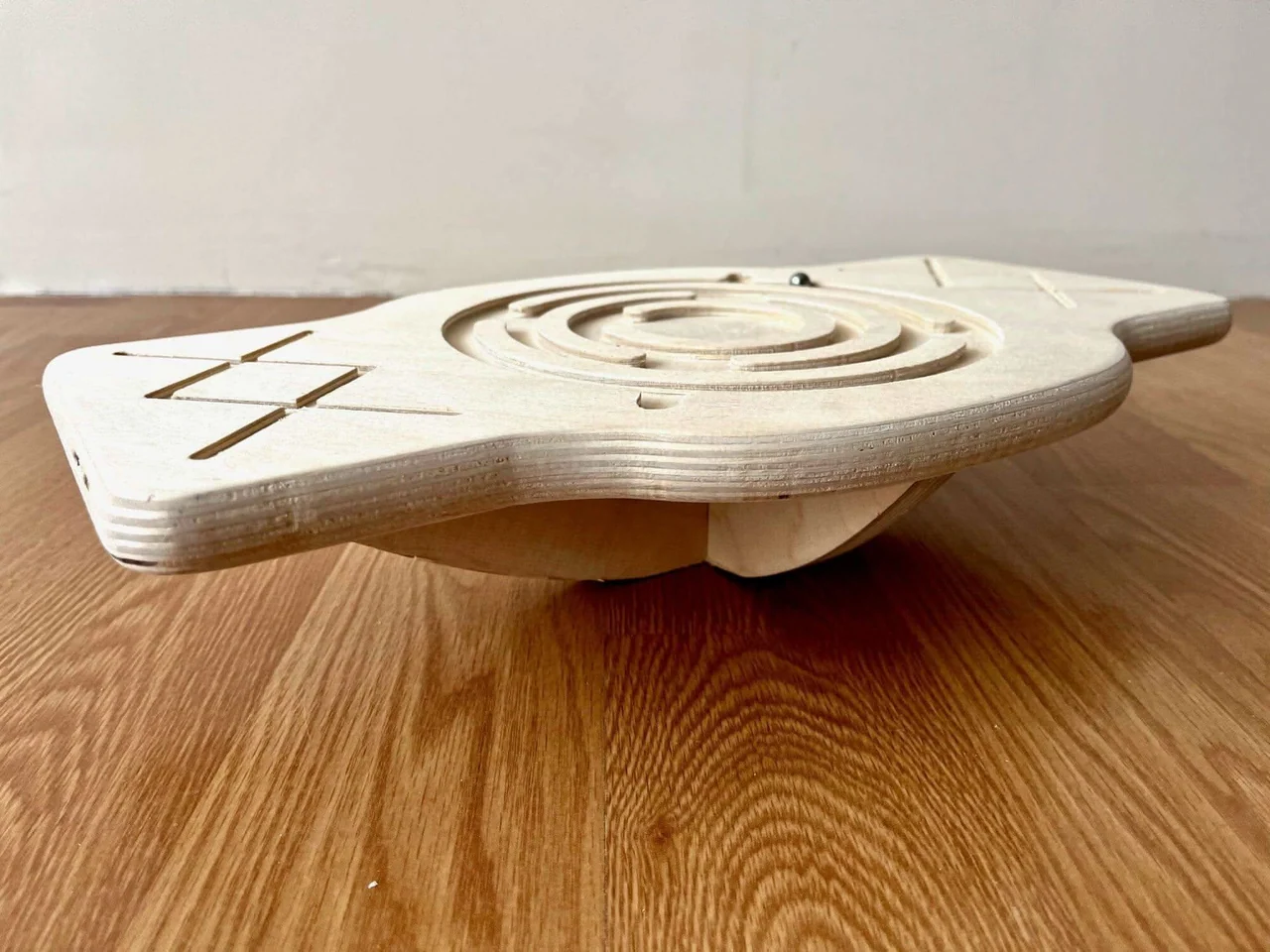
📷 Photo by kidodido.com
Another mistake is neglecting the “static” aspect of standing. Even when using a balance tool, your goal is to maintain a neutral spine. Some users try to perform elaborate tricks or excessive swaying on a wooden board, which can lead to distraction and potential injury. Keep your movements subtle and controlled rather than exaggerated.
Risks and Considerations
While these tools are beneficial, they are not a replacement for ergonomics. A balance tool cannot fix a desk that is at the wrong height. Ensure your monitor is at eye level and your elbows are at a 90-degree angle before you even worry about what is under your feet. If you have a history of ankle sprains, balance disorders, or vertigo, consult a medical professional before incorporating these tools into your office setup.
Furthermore, consider your flooring. A wooden board on a slick hardwood or tile floor can slide unexpectedly. Always ensure you have a non-slip rug or mat underneath the board to prevent accidents. Foam pads are generally safer in this regard, as their material naturally grips most floor types, but they can still slide if the floor is highly polished.
Frequently Asked Questions
Q: Can I use these tools if I have flat feet?
A: Yes, but a foam pad is generally recommended over a wooden board. The foam provides extra support and reduces the impact on the arches, whereas a hard wooden board may cause discomfort for those with structural foot issues.
Q: Will using a balance board help me lose weight?
A: While using a balance board burns slightly more calories than standing still, it is not a weight-loss solution. It is primarily a tool for improving posture, core stability, and circulation during the workday.
Q: How long should I stand on a balance tool each day?
A: There is no set limit, but most experts suggest that you should not exceed 50% of your total standing time on a balance tool. The goal is to introduce movement, not to turn your office into a gym where you are constantly struggling to keep your balance.
Ultimately, the choice between wood and foam comes down to your personal workflow. If you find yourself needing to move to stay awake and sharp, the wooden board is your best ally. If you find yourself needing relief from the hardness of a concrete or tile floor while you grind through long reports, the foam balance pad is the superior choice for your daily comfort.
📷 Photo by etsy.com