

Aploda.com – Anti-slip grip tape provides superior stability and injury prevention for high-intensity balance training on standing desks, whereas bare wood offers a smoother, more tactile surface better suited for casual movement and barefoot comfort.
Choosing between anti-slip grip tape and bare wood for a standing desk balance board is not merely a matter of aesthetic preference; it is a decision that impacts your safety, your footwear choices, and the longevity of the board itself. Both surfaces offer distinct advantages depending on your specific work environment and how you intend to use the board during your workday.
The Case for Anti-Slip Grip Tape
Anti-slip grip tape, similar to what is found on skateboards, is designed for maximum traction. When you are using a balance board at a standing desk, your primary goal is often to maintain a micro-movement state without the constant fear of sliding off. Grip tape creates a high-friction interface between your shoes and the board.
This is particularly beneficial for users who perform more dynamic exercises or those who use their balance boards to increase heart rate during a break. The abrasive surface locks your footwear in place, allowing you to focus on your core engagement rather than stabilizing your feet. However, the downside is that this material is extremely harsh on bare skin and can quickly wear down the soles of your office shoes.
The Case for Bare Wood
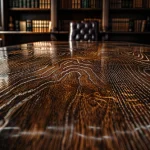
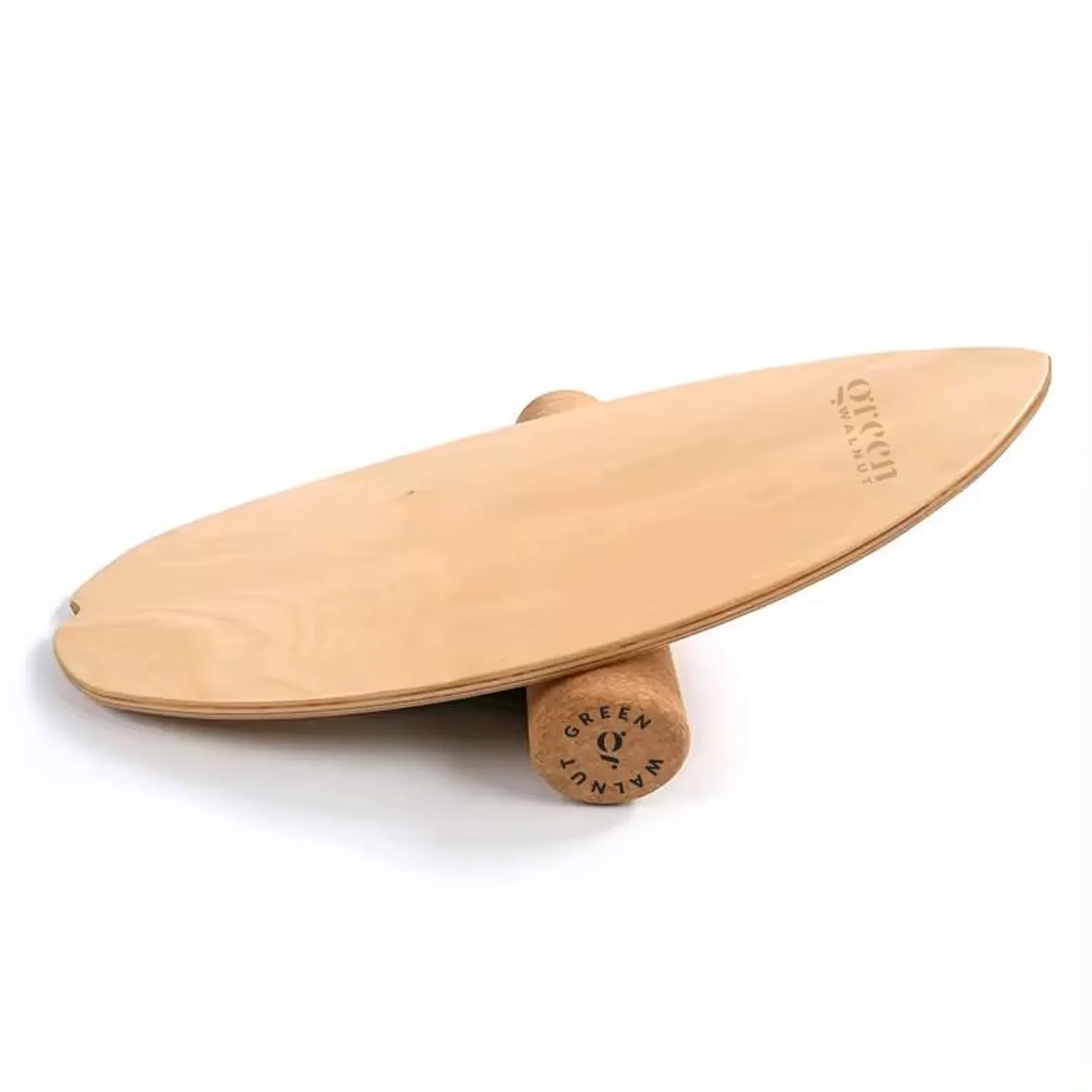
Bare wood, often finished with a light wax or oil, provides a more natural and versatile experience. Many professionals prefer this option because it allows for a wider range of motion, such as shifting feet slightly to adjust posture without needing to lift the foot entirely off the surface. It is the gold standard for those who work barefoot or in socks, as it prevents the skin irritation associated with grit tape.
The aesthetic appeal of bare wood also integrates better into modern office decor. However, the risk factor is higher. If you are wearing slick-soled dress shoes or if your feet become sweaty, the lack of friction on a wooden surface can lead to a sudden slip, which could result in a minor injury or a dropped laptop.
Performance Comparison Matrix
| Feature | Anti-Slip Grip Tape | Bare Wood Surface |
|---|---|---|
| Traction Level | High (Lock-in feel) | Low to Moderate (Sliding allowed) |
| Barefoot Comfort | Low (Highly abrasive) | High (Smooth and natural) |
| Footwear Impact | High (Wears down rubber soles) | Minimal |
| Maintenance | Hard (Collects debris) | Easy (Wipe clean) |
| Best For | Active standing/Athletes | Casual use/Office attire |
How to Transition Between Surfaces
If you have purchased a board and find the surface is not meeting your needs, you can modify it. If you have a bare wood board that feels too slippery, you do not necessarily need to apply permanent grip tape. You can use silicone grip pads or adhesive rubber strips which provide traction without the permanent damage of sandpaper-like tape.
- Assess your primary footwear: If you wear hard-soled dress shoes, avoid aggressive grit tape as it will shred the heels of your shoes.
- Clean the surface thoroughly: Use a damp cloth to remove all dust, oils, and residues from the wood surface before applying any adhesive modifications.
- Test for grip: Stand on the board in a safe environment, such as near a wall or desk, to ensure you can maintain balance without the board sliding out from under you.
- Monitor for wear: If using grip tape, check the edges weekly; if the tape begins to peel, it can become a trip hazard and should be replaced immediately.
Common Pitfalls and Risks
A major mistake users make is overestimating their stability when using bare wood while wearing socks. Socks significantly reduce the coefficient of friction on wood, turning a standard balance board into a potential slip-and-fall hazard. If you must wear socks, ensure the board has some form of integrated rubberized grip or consider using a board with a textured varnish rather than completely smooth wood.
Conversely, the most common issue with grip tape is debris accumulation. Because the tape is essentially fine sandpaper, it traps dust, lint, and particles from your office floor. Over time, this makes the tape less effective and creates a “sandy” mess in your workspace. Regular vacuuming of the board is essential if you opt for a high-grit finish.
Ergonomic Considerations
Balance boards are intended to encourage micro-movements that keep muscles active and blood circulating. If the surface is too grippy, you might find yourself locking your ankles to stay in place, which defeats the purpose of the board. If the surface is too slippery, you may experience muscle fatigue from trying to “claw” the board with your toes. Ideally, the surface should offer just enough resistance to feel secure, but enough slide to allow for natural, fluid adjustments throughout your standing hours.
Frequently Asked Questions
Q: Can I use grip tape on a wooden balance board myself?
A: Yes, you can purchase self-adhesive grip tape rolls. However, be aware that removing it later may strip the wood finish or leave behind a stubborn, sticky residue that is difficult to clean.
Q: Is barefoot use recommended for grip-tape boards?
A: It is strongly discouraged. High-grit tape is designed to grip rubber and leather; it can cause significant skin abrasion, scratches, or even minor cuts on bare feet during prolonged use.
Q: What is the best alternative if I want grip without sandpaper?
A: Consider a board with a laser-etched texture or a thin layer of natural rubber matting. These provide excellent traction without the abrasive nature of traditional grip tape.
Read also: Ergonomic Office Chair Forward Tilt Feature: Is It Good for Typing?
📷 Photo by etsy.com