

Aploda.com – An ergonomic kneeling chair promotes active sitting by shifting weight to the shins to encourage a neutral spine, whereas a standard ergonomic office chair provides full-back support and adjustable features to maintain posture during prolonged stationary tasks.
Choosing the right seating arrangement is one of the most significant decisions for anyone spending six to eight hours a day at a desk. The debate between a kneeling chair and a standard ergonomic office chair is not just about aesthetics; it is about how your body interacts with gravity and load distribution throughout the workday. Understanding the biomechanical differences between these two options is the first step toward reducing chronic back pain and improving your productivity.
The Mechanics of the Kneeling Chair
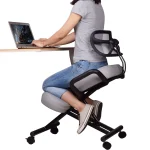
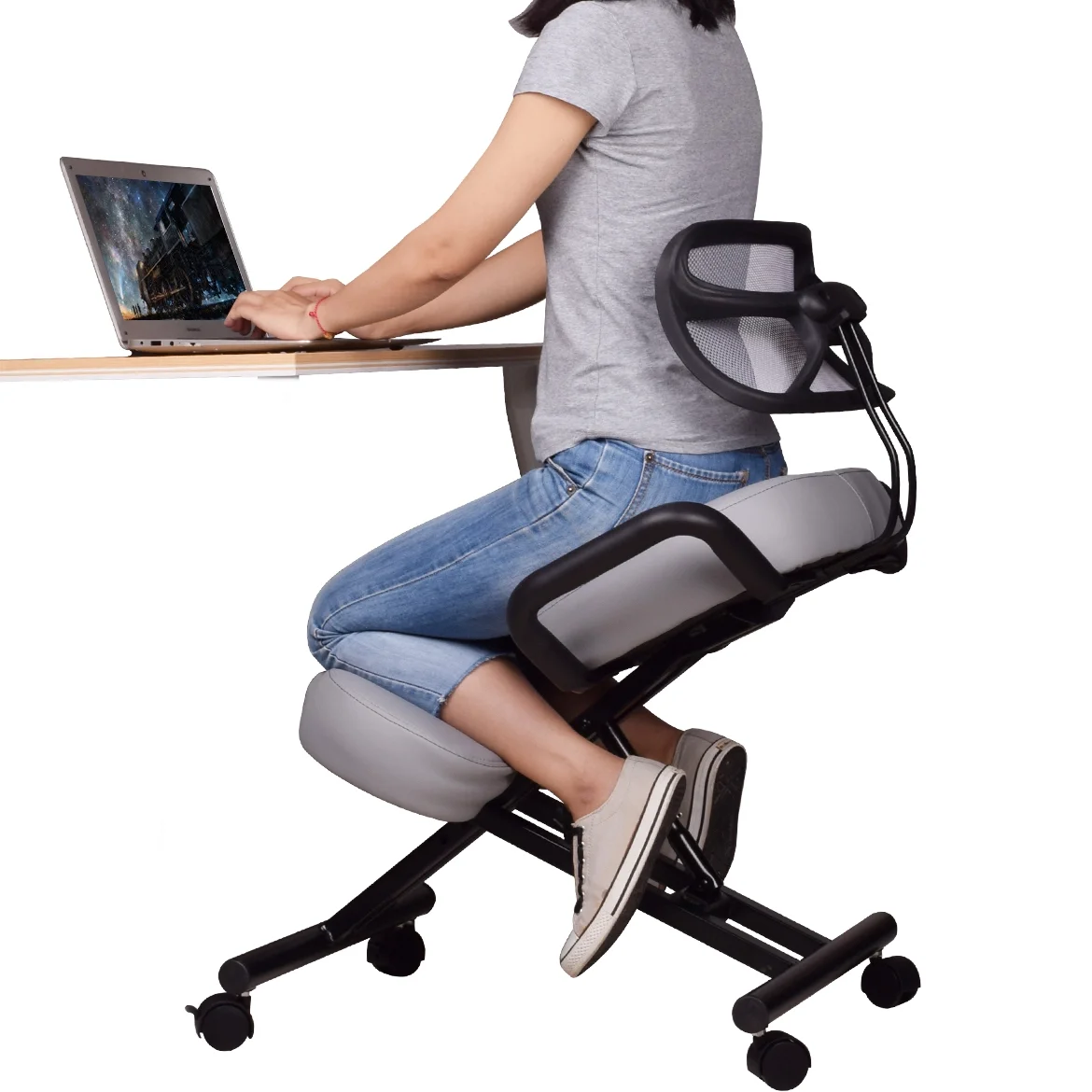
A kneeling chair is designed to mimic the natural curvature of the spine by opening the angle between your torso and your thighs. By placing the user in a position where the hips are tilted forward, the lumbar spine naturally curves inward, which is its healthiest position. This design eliminates the tendency to slouch, which is the most common cause of lower back strain in traditional office seating.
Because the seat is slanted, your body is forced to engage its core muscles to maintain balance. This is what proponents call “active sitting.” Instead of the chair doing all the work, your muscles stay slightly engaged, which can improve circulation and reduce the feeling of lethargy often associated with sedentary work. However, this also means that the chair requires a period of adjustment for the muscles in your lower legs and core.
The Case for the Standard Ergonomic Office Chair
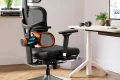
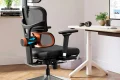
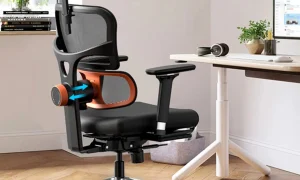
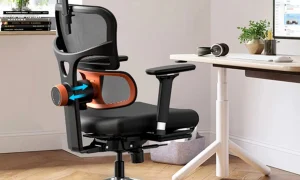
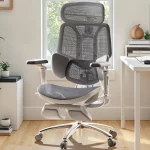
Standard ergonomic office chairs are the gold standard for a reason. They provide a high level of adjustability, including lumbar support, armrest height, seat depth, and tilt tension. This level of customization allows the chair to fit a wide range of body types and accommodate different desk heights. For individuals who need to perform tasks that require intense focus for several hours without moving, the support provided by a backrest is often indispensable.
The primary advantage of a high-quality office chair is its ability to support the weight of the upper body. By providing a backrest, the chair reduces the load on the spinal discs. For those with pre-existing back issues or those who have limited mobility in their knees, a standard chair is often the safer, more sustainable choice.
Read also: Best Power Strip with Surge Protection for Electric Standing Desks
Comparison of Key Features
| Feature | Kneeling Chair | Standard Ergonomic Chair |
|---|---|---|
| Primary Support | Shins and Hips | Back and Spine |
| Posture Influence | Forced neutral spine | Adjustable support |
| Core Engagement | High (Active sitting) | Low (Passive support) |
| Duration Suitability | Short to Medium sessions | Full-day (8+ hours) |
| Adjustability | Limited | Extensive |
How to Transition to a Kneeling Chair
If you decide that a kneeling chair is the right path for your workspace, you cannot simply switch overnight. Your body needs time to adapt to the new distribution of weight. Follow these steps to ensure a smooth transition:
- Start slow by using the kneeling chair for only 30 to 60 minutes during your first few days.
- Alternate between your kneeling chair and your standard chair to give your shins and core muscles a rest.
- Ensure your desk height is compatible; you may need to raise your monitor or desk surface to avoid looking down, which negates the posture benefits.
- Listen to your body. If you feel sharp pain in your knee joints, discontinue use immediately and reassess your setup.
- Gradually increase your time in the kneeling chair as your core strength improves over the course of several weeks.
Common Pitfalls and Risks
One common mistake users make with kneeling chairs is assuming that the chair will automatically fix their posture without conscious effort. Even in a kneeling chair, it is possible to hunch if your monitor is too low. Furthermore, individuals with knee injuries or circulation issues in the lower legs should avoid kneeling chairs entirely. The pressure placed on the kneecaps and shins can exacerbate existing joint pain or lead to numbness if the padding is insufficient.
Conversely, the risk of a standard office chair is complacency. Many people buy expensive ergonomic chairs but never adjust the lumbar support or armrests to match their body measurements. An ergonomic chair is only as good as its configuration. If you sit incorrectly in a high-end chair, you will still experience the same back pain you would in a cheap dining chair.
When to Choose Which
The decision ultimately comes down to your work style and physical health. A kneeling chair is an excellent supplemental tool for individuals who want to break the habit of slouching and improve core engagement during shorter work blocks. It works best for creative tasks or reading where you are not constantly reaching for a keyboard and mouse.
A standard ergonomic office chair remains the best choice for those who need to remain seated for the majority of the day. The ability to lean back and relax your muscles during moments of thought is a luxury that a kneeling chair cannot provide. If you have chronic back pain, consult with a physical therapist before switching to a kneeling chair, as the shift in spinal load can be significant.
Frequently Asked Questions
Q: Will a kneeling chair eliminate my back pain entirely?
A: While a kneeling chair can improve your posture and reduce strain on the lumbar region, it is not a cure-all. Consistent movement and exercise are just as important as the chair you sit in.
Q: Are kneeling chairs suitable for people with knee problems?
A: Generally, no. Kneeling chairs place significant weight on the shins and knees, which can aggravate arthritis, meniscus injuries, or other joint-related issues.
Q: Can I use a kneeling chair with a standing desk?
A: Yes, they are highly compatible. Using a kneeling chair as an intermediate position between standing and sitting in a standard chair can provide the variety your body needs to stay active throughout the day.
Investing in your seating is an investment in your long-term health. Whether you choose the active engagement of a kneeling chair or the structured support of a standard ergonomic chair, ensure that your setup allows for frequent movement. The best posture is always your next posture.
📷 Photo by chairswall.blogspot.com