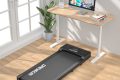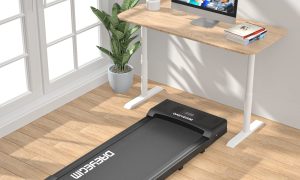




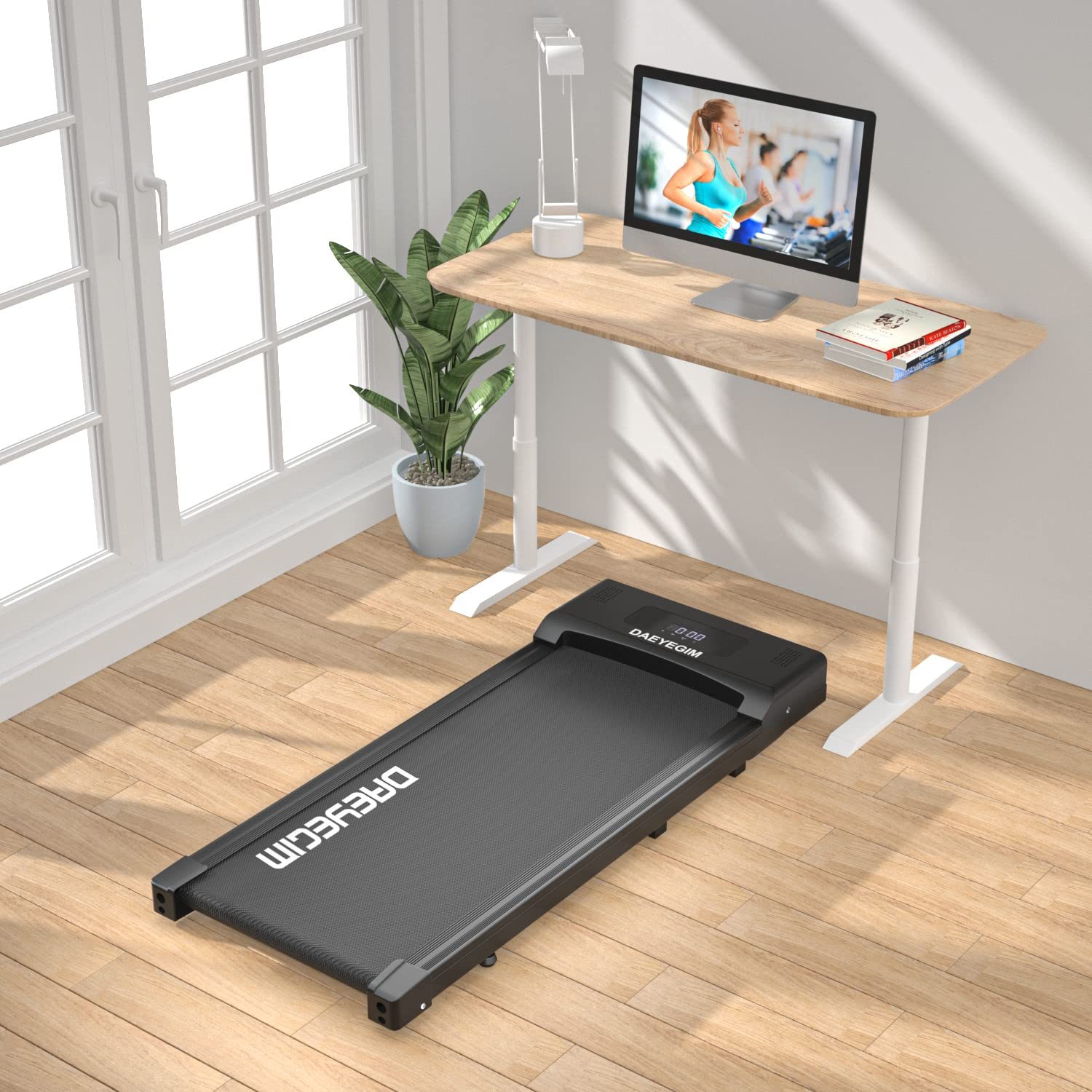
Aploda.com – An under desk treadmill typically consumes between 0.5 kWh and 1.5 kWh of electricity per day, depending on the user’s weight, walking speed, and total daily usage time.
The growing popularity of remote work has led many professionals to integrate movement into their sedentary routines. An under desk treadmill is an excellent tool for this, but as utility costs rise, understanding the energy footprint of these devices is essential for budget-conscious homeowners. Unlike large gym-grade treadmills with heavy-duty incline motors, under desk models are designed for light walking, which inherently makes them more energy-efficient.
Factors Influencing Power Consumption
Several technical and physical variables determine how much power your device pulls from the wall. The motor horsepower is the most obvious factor; most under desk units range from 0.5 HP to 2.25 HP. A smaller motor draws less current at lower speeds, which is perfect for a slow, steady walking pace of 1.0 to 2.0 mph.
Your body weight also plays a significant role in electrical load. When you walk, the motor must work harder to overcome the friction of the belt against the deck, especially if you are heavier or if the belt tension is set too high. If the treadmill is not lubricated properly, the motor draws significantly more amperage to compensate for the increased resistance, leading to higher electricity costs and a shorter lifespan for the machine.
Estimating Your Daily Costs
To calculate the cost, you must multiply the wattage of the treadmill by the number of hours used, then multiply by your local electricity rate. Most under desk treadmills operate at roughly 300 to 600 watts when in active use. If you walk for two hours a day at 400 watts, you are consuming 0.8 kWh of energy. At an average U.S. electricity rate of $0.16 per kWh, your daily cost is approximately 13 cents, or about $3.90 per month.
| Usage Scenario | Avg. Power Draw (Watts) | Daily Usage Time | Est. Daily Consumption |
|---|---|---|---|
| Light Pace (1.0 mph) | 300W | 1 Hour | 0.3 kWh |
| Moderate Pace (2.0 mph) | 500W | 2 Hours | 1.0 kWh |
| Brisk Walk (3.0 mph) | 700W | 3 Hours | 2.1 kWh |
How to Optimize Your Treadmill for Lower Energy Use
Reducing the electrical impact of your walking routine is not just about using the machine less; it is about maintaining efficiency. A well-maintained machine runs smoother and requires less peak power to keep the belt moving.
- Lubricate the walking deck every three to six months to reduce friction between the belt and the platform.
- Ensure the walking belt is properly tensioned; a belt that is too tight forces the motor to work harder than necessary.
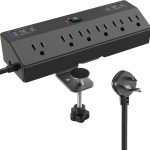
- Unplug the treadmill or use a smart power strip when not in use, as many units draw a small amount of “vampire” power while in standby mode.
- Walk at a consistent, slow speed rather than frequently changing speeds, as the motor consumes more energy during acceleration phases.
- Keep the treadmill on a flat, hard surface to prevent the motor from struggling against an uneven deck.
Common Mistakes That Drive Up Consumption
Many users make the mistake of leaving the treadmill in “standby” mode for 24 hours a day. While the power draw in standby is minimal, it adds up over a year. Another frequent error is using the treadmill on a thick carpet without a protective mat. Carpet fibers can clog the motor housing, restricting airflow and causing the motor to overheat, which forces it to draw more electricity to maintain the set speed.
Additionally, ignoring the weight limit of your specific model is a common oversight. If you exceed the manufacturer’s recommended weight capacity, the motor operates at its peak threshold constantly. This not only spikes your electricity bill but significantly accelerates the wear and tear on the internal components, potentially leading to a costly breakdown.
The Environmental and Financial Perspective
When compared to other household appliances, the under desk treadmill is surprisingly efficient. For instance, a standard coffee maker or a space heater can consume more electricity in one hour than a treadmill does in four. If your goal is to increase physical activity without significantly impacting your carbon footprint, this device is one of the most sustainable fitness investments you can make.
Read also: Clamp-On Standing Desk Converter vs Free-Standing Riser
By monitoring your usage and performing basic maintenance, you can ensure that your health journey remains affordable. Most modern digital consoles also track your time, allowing you to easily log your hours and calculate your exact monthly energy expenditure to keep your budget on track.
Frequently Asked Questions
Q: Do under desk treadmills use electricity when the belt is not moving?
A: Yes, most models draw a small amount of “vampire” power for the digital display and standby sensors unless they are fully unplugged or switched off at the wall.
Q: Does the treadmill use more electricity if I walk at an incline?
A: Most under desk treadmills are flat and do not have an incline feature; however, if yours does, using an incline will increase the load on the motor and consume more electricity.
Q: How do I know if my treadmill is drawing too much power?
A: If you notice a burning smell, the motor sounds unusually loud, or the belt hesitates while you are walking, these are signs of high friction or mechanical strain that will lead to increased power consumption and potential failure.
📷 Photo by snapklik.com