


Aploda.com – The ideal ergonomic office chair tilt tension should provide enough resistance to support your body weight while reclining, allowing you to move fluidly without feeling like you are falling backward or fighting against a rigid backrest. You should set the tension so that the chair balances your weight perfectly, enabling a smooth recline that stops exactly where you want it to.
Understanding the Mechanics of Tilt Tension
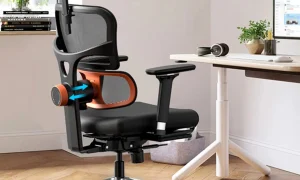
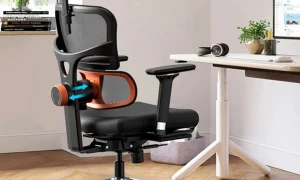
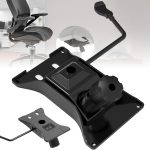
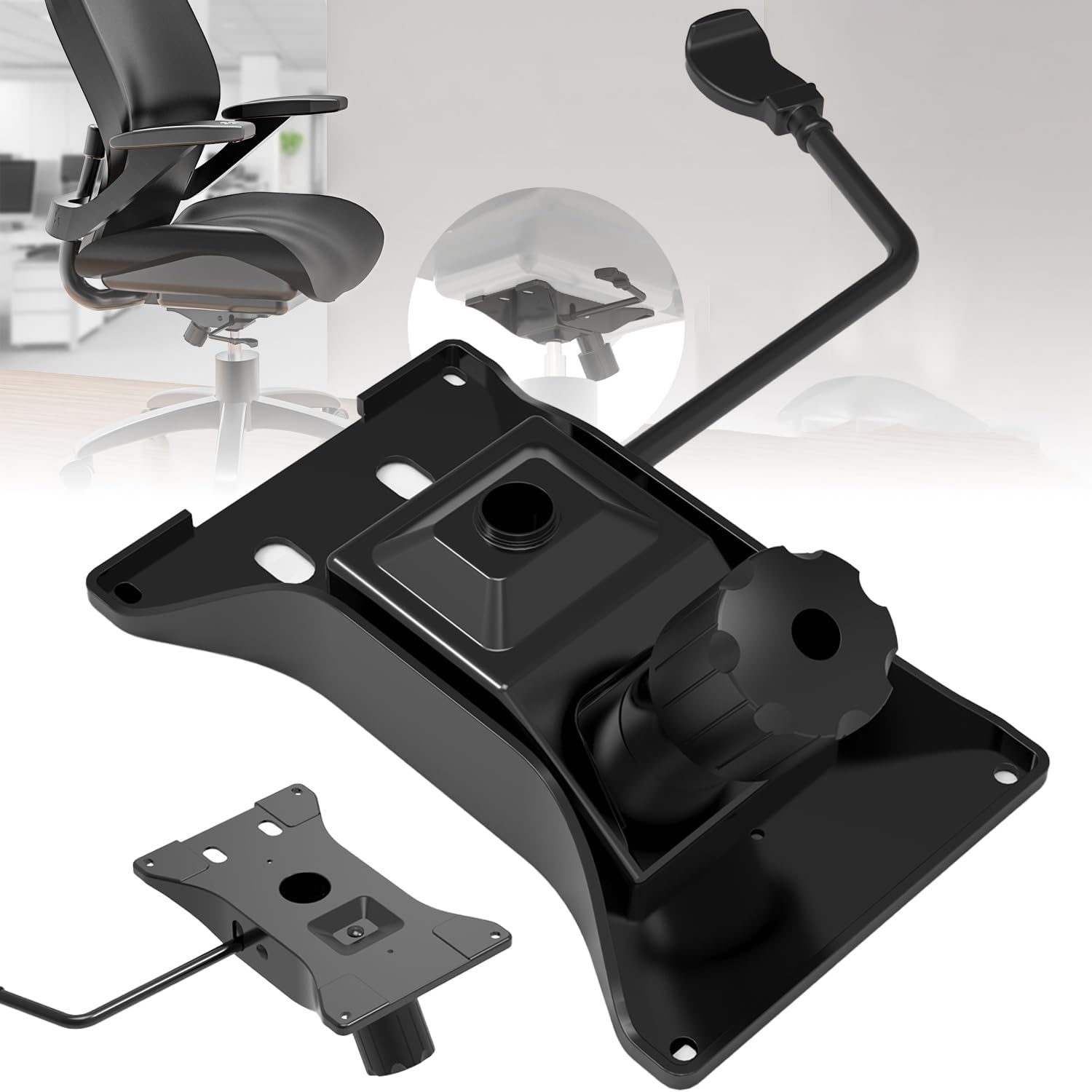
Most ergonomic chairs feature a tension adjustment knob, typically located under the seat, which controls the resistance of the tilt mechanism. This knob compresses or releases a spring hidden inside the chair’s housing. When the spring is tightened, the backrest becomes harder to push back; when loosened, the backrest moves with minimal effort.
Many users make the mistake of leaving the tension at the factory default setting. However, factory settings are calibrated for an “average” weight, which rarely accounts for your specific body mass or preferred seating posture. Failing to adjust this can lead to excessive muscle strain in your core and lower back as you struggle to maintain a comfortable angle.
Signs Your Tilt Tension Is Incorrect
If you find yourself constantly sliding forward, your tension is likely too loose. A loose spring fails to provide the necessary support to keep your back in contact with the chair, forcing you to use your abdominal muscles to prevent falling backward. Conversely, if you feel like you are pushing against a brick wall every time you try to lean back, your tension is too tight.
A chair that is too tight discourages natural movement. Ergonomics is not about sitting perfectly still; it is about “dynamic sitting.” If the tension is so high that you cannot comfortably recline to take a micro-break, you are likely to experience increased spinal pressure, which leads to stiffness and fatigue by the end of the workday.
How to Calibrate Your Chair Tension
Achieving the perfect balance requires a methodical approach. Follow these steps to find your “sweet spot” for ergonomic comfort:
- Sit upright in your chair with your feet flat on the floor and your back firmly against the backrest.
- Locate the tension knob or lever, usually found on the right-hand side under the seat cushion.
- Loosen the tension by turning the knob counter-clockwise until the backrest feels very easy to push backward.
- Test the recline; if you feel like you are falling back too quickly, tighten the knob clockwise in small increments.
- Continue adjusting until you can recline smoothly and the chair supports your weight at any angle without feeling like you are fighting the mechanism.
- Test the “rebound”—the chair should return to an upright position with you when you shift your weight forward.
Comparison of Tension Settings
| Setting | Resistance Level | Best For | Potential Risk |
|---|---|---|---|
| Very Loose | Minimal | Lightweight users, frequent reclining | Uncontrolled falling, loss of posture |
| Balanced | Moderate | General desk work, typing | Optimal spinal support |
| Very Tight | High | Heavyweight users, rigid support needs | Muscle fatigue, restricted movement |
The Role of Body Weight and Posture
Your body weight dictates how much tension you need, but your primary work task also matters. If you spend most of your day typing, you might prefer a slightly tighter setting to keep you in an upright position. If you spend your time taking calls or reading, a looser setting allows for a more relaxed, reclined posture that takes the load off your lumbar spine.
It is also important to remember that chair springs can wear out over time. If you find that you have tightened the knob to the maximum limit and the chair still feels too loose, the internal mechanism may be losing its elasticity. In such cases, the chair may no longer be providing the ergonomic support necessary to prevent long-term musculoskeletal issues.
Common Mistakes to Avoid
One common error is adjusting the tilt tension while you are leaning back. You should always make adjustments while sitting upright or when no one is in the chair. Adjusting under pressure can damage the internal threading of the adjustment mechanism, leading to a jammed knob that won’t turn in either direction.
Read also: Dual Motor Electric Standing Desk Lifting Speed Comparison
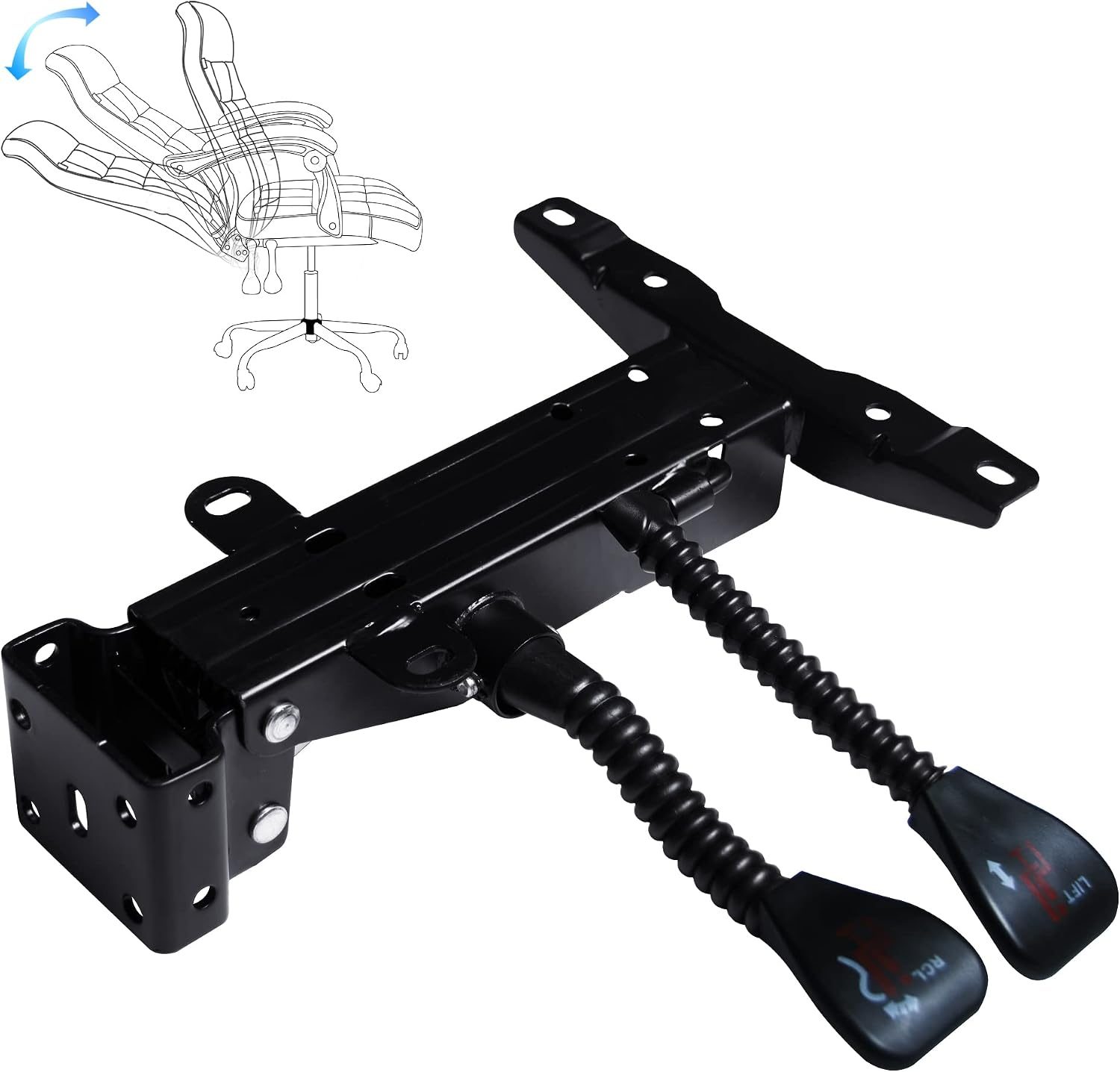
Another mistake is ignoring the tilt lock feature. Many chairs come with a tilt lock that allows you to fix the backrest in a specific position. Do not confuse the tilt lock with the tension knob. The tension knob manages the resistance of the movement, while the lock prevents movement entirely. Using the lock while the tension is set incorrectly can lead to an uncomfortable, rigid experience that negates the benefits of an ergonomic chair.
Why Micro-Movements Matter
The human body is designed to move, not to remain static for eight hours. By setting your tilt tension correctly, you encourage micro-movements. These subtle shifts in posture throughout the day improve blood circulation and prevent the soft tissues in your back from becoming inflamed. When the tension is just right, you are more likely to shift your weight naturally, which acts as a gentle massage for your spinal discs.
If you share a chair with someone else, you must readjust the tension every time you sit down. Never assume that a setting that works for a colleague will work for you. Always take the ten seconds required to recalibrate the tension to your specific weight and preference, as this small habit will pay dividends in your overall comfort and productivity.
Frequently Asked Questions
Q: Does the tilt tension affect the height of the chair?
A: No, the tilt tension only controls the resistance of the backrest recline. The seat height is controlled by a separate pneumatic cylinder lever.
Q: How often should I adjust my tilt tension?
📷 Photo by manuals.plus
A: You should adjust it whenever you change your primary task or if you notice you are slouching. If you feel muscle fatigue in your back, it is a sign that your current tension setting is no longer supporting you adequately.
Q: What if my tension knob is stuck?
A: Do not force it with tools. Try to stand up to take your weight off the chair and then turn the knob. If it remains stuck, the internal spring mechanism may be faulty, and you should contact the manufacturer for a potential repair or replacement.
📷 Photo by grahamandco.org