

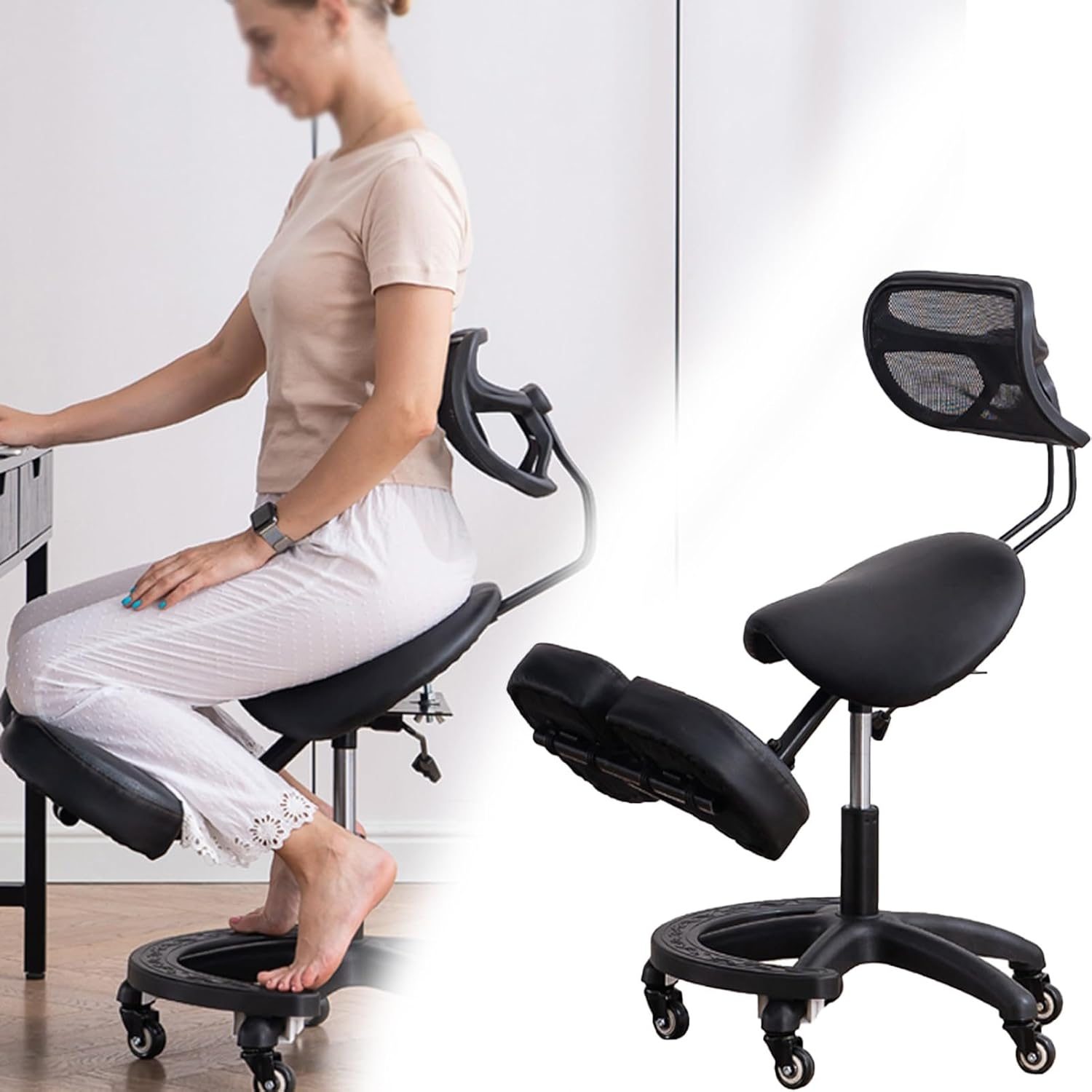
Aploda.com – A saddle stool promotes an open hip angle and active core engagement to maintain the natural lumbar curve, whereas a traditional ergonomic office chair provides structured back support and adjustable features to reduce spinal pressure during prolonged sedentary tasks.
Choosing between a saddle stool and a traditional ergonomic office chair is not merely a matter of aesthetic preference; it is a decision that fundamentally alters how your body interacts with gravity throughout the workday. The primary difference lies in the pelvic tilt. Traditional chairs encourage a posterior or neutral pelvic tilt, relying on the backrest to bear the weight of the torso. In contrast, saddle stools mimic the posture of horseback riding, forcing the pelvis into an anterior tilt that naturally aligns the spine.
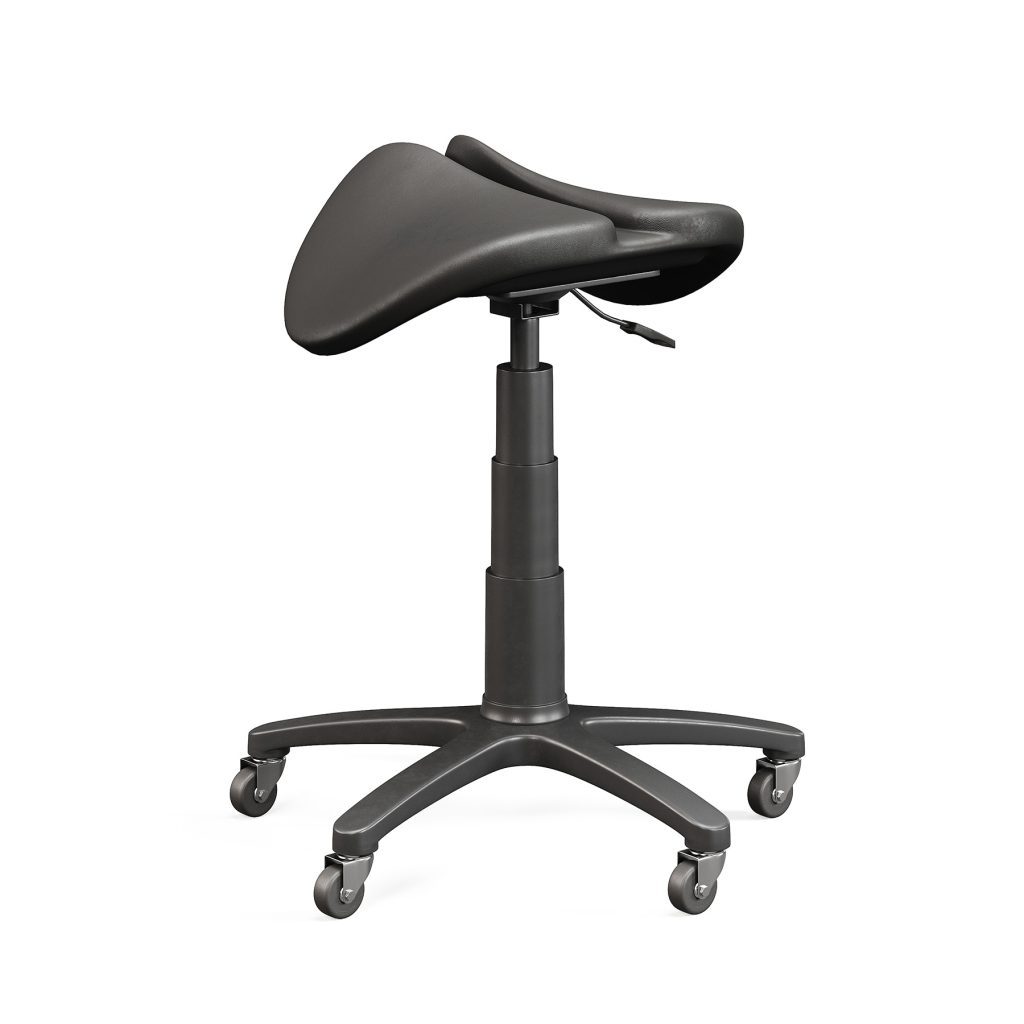
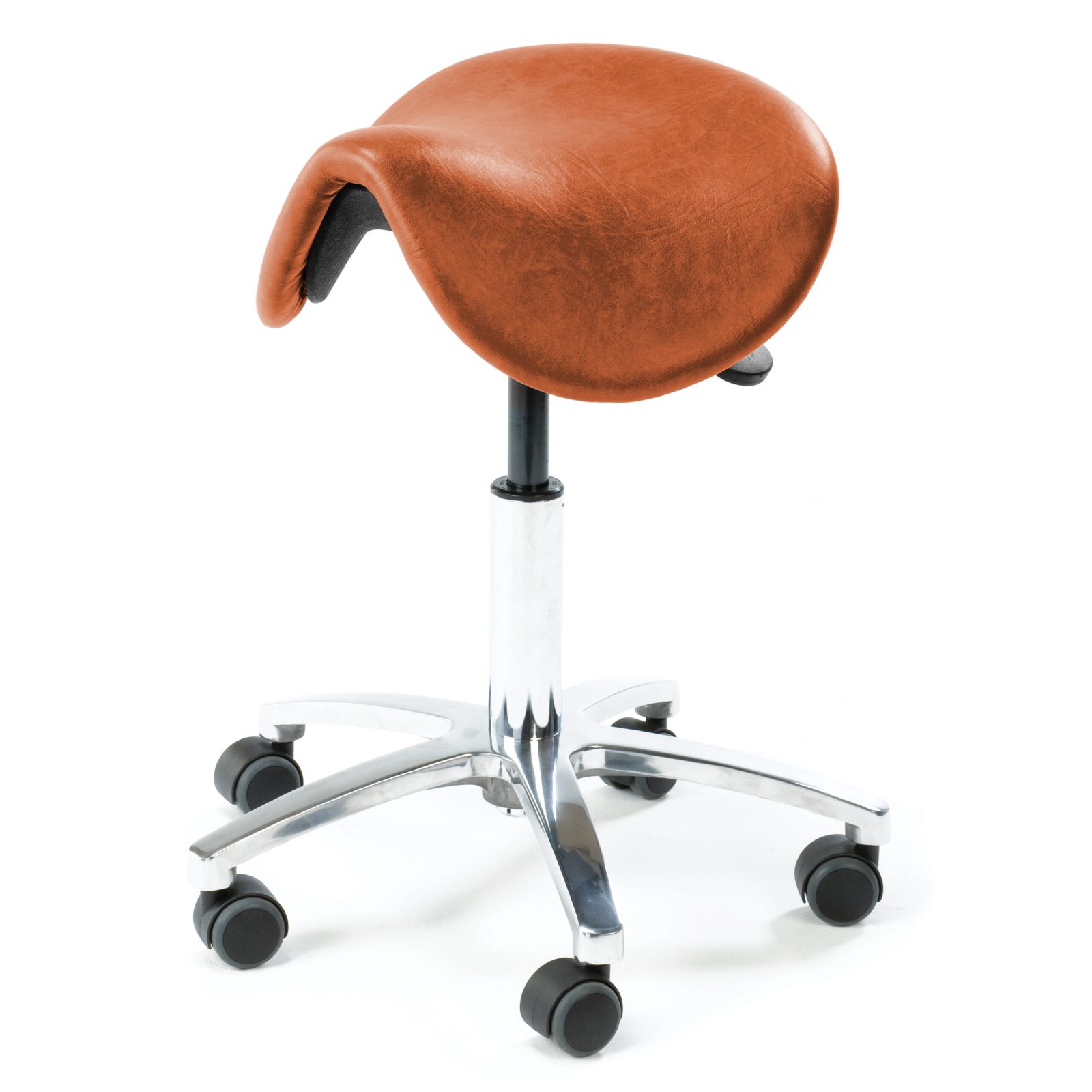
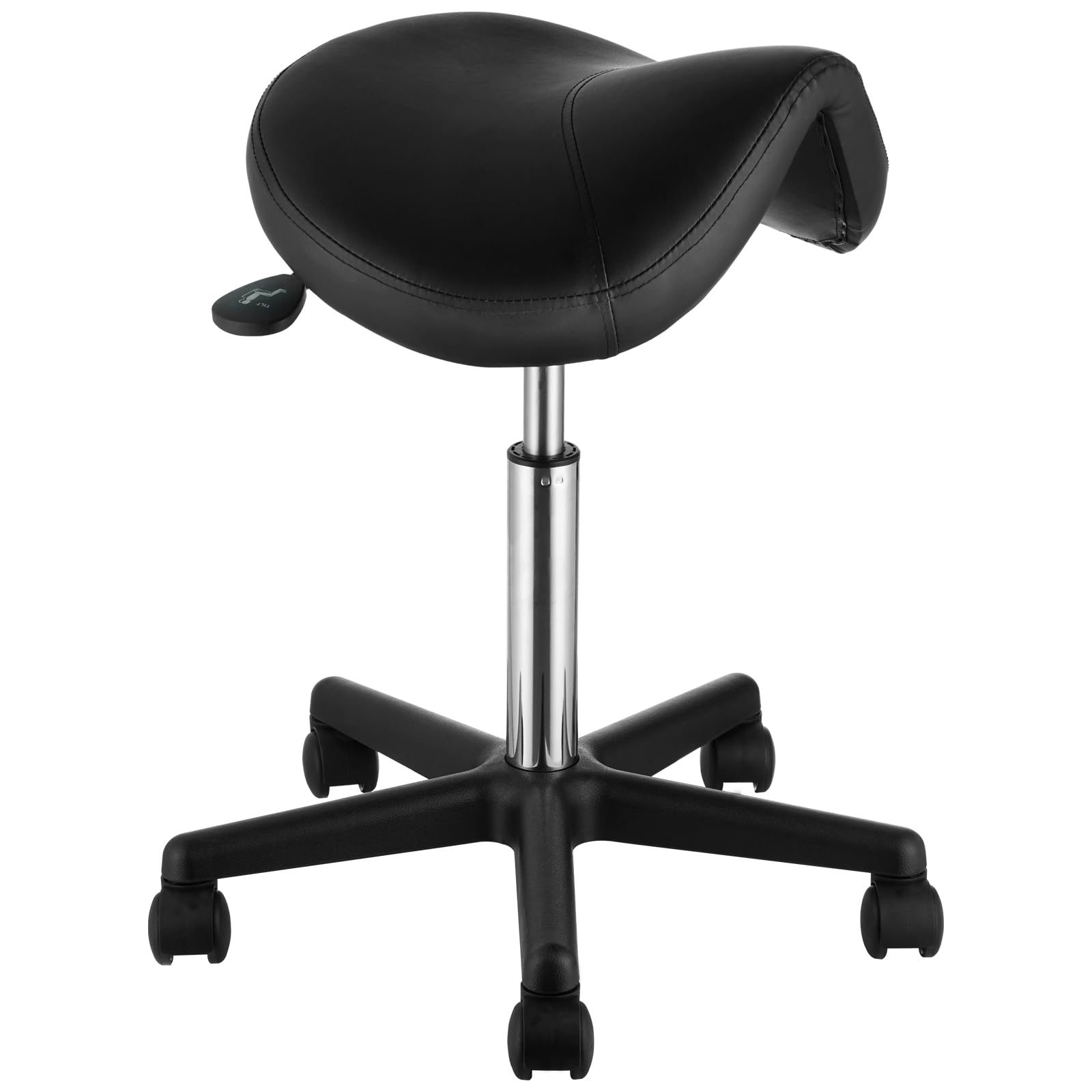
The Mechanics of Saddle Stool Ergonomics
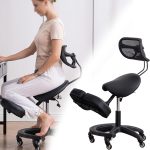
Saddle stools are designed to keep the hips open at an angle of approximately 135 degrees, rather than the 90-degree angle common in standard seating. This open hip angle prevents the hip flexors from tightening, a common issue for office workers that leads to lower back pain. By elevating the hips above the knees, the saddle stool encourages the user to find their own center of gravity, effectively turning sitting into a semi-active process. This constant micro-adjustment engages the core muscles, which can help prevent the muscular atrophy often associated with the “slumping” posture common in traditional chairs.
However, the transition to a saddle stool is rarely seamless. Because the muscles of the core and back are required to do more work, users often experience fatigue during the first few weeks. It is considered a form of ergonomic training rather than a passive support system.
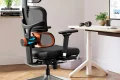
📷 Photo by buydirectonline.com.au
Traditional Ergonomic Chairs: Stability and Support
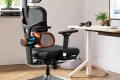
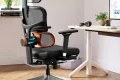
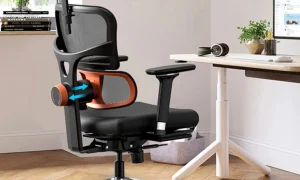
Traditional ergonomic chairs are engineered for comfort over long, static durations. They provide comprehensive support for the lumbar region, shoulders, and neck, allowing the user to offload their weight entirely. For individuals recovering from spinal injuries or those who suffer from chronic fatigue, the ability to recline and lock a backrest provides necessary relief that a saddle stool cannot offer. High-end ergonomic chairs allow for precise adjustments, including seat depth, armrest height, and dynamic lumbar tension, making them highly adaptable to various body types.
Comparison of Ergonomic Seating Features
Read also: How to Fix an E01 or E08 Reset Error on Electric Standing Desks
| Feature | Saddle Stool | Traditional Ergonomic Chair |
|---|---|---|
| Primary Posture | Active, upright, open hip angle | Passive, supported, neutral spine |
| Core Engagement | High (constant stabilization) | Low (supported by backrest) |
| Adjustability | Limited (height only) | Extensive (lumbar, depth, recline) |
| Best For | Short tasks, dentistry, lab work | Long office hours, administrative tasks |
| Learning Curve | Steep (requires muscle conditioning) | Minimal (immediate comfort) |
How to Transition to a Saddle Stool Safely
If you decide to switch to a saddle stool, you must avoid the “all-or-nothing” approach to prevent strain. Follow these steps to ensure your musculoskeletal system adapts correctly:
- Start with short intervals of 30 to 60 minutes per day to allow your hip flexors and core muscles to adjust to the new seating position.
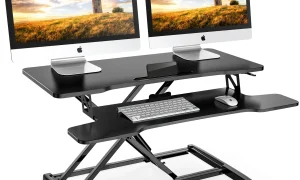
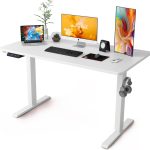
- Ensure your desk height is adjusted; because your hips are higher on a stool, you will need a higher desk surface to prevent hunching your shoulders.
- Focus on “active sitting” by keeping your feet flat on the floor, which acts as an anchor for your pelvis and helps maintain spinal alignment.
- Gradually increase your time on the stool by 15-minute increments each week, monitoring for any sharp pain or excessive fatigue in your lower back.
- Alternate between the saddle stool and a traditional chair throughout the day to maximize the benefits of both styles of support.
Common Pitfalls and Risks
One of the most frequent mistakes users make with saddle stools is failing to adjust their equipment. Using a saddle stool at a standard-height desk is a recipe for neck strain, as the user will inevitably lean forward to reach their keyboard. Furthermore, those with pre-existing conditions like sciatica or herniated discs should consult a physical therapist before switching, as the increased pressure on the ischial tuberosities (the “sit bones”) can aggravate certain nerve issues.
Traditional chairs, conversely, carry the risk of “chair dependency.” When people rely entirely on the backrest, they often lose the ability to maintain their own posture, leading to a weaker core over time. This makes the transition to standing or unassisted sitting more difficult as the years pass.
Which One Should You Choose?
The choice depends on the nature of your work. If your work involves frequent movement, reaching, or high-precision tasks—such as in a laboratory, medical clinic, or art studio—the saddle stool is superior because it offers mobility and a better line of sight. If your work is primarily computer-based and requires long hours of focus without breaks, a high-quality ergonomic chair remains the gold standard for long-term comfort and spinal protection.
Frequently Asked Questions
Q: Can I use a saddle stool for an 8-hour workday?
A: Most ergonomic experts recommend against using a saddle stool for a full 8-hour shift unless you have built up significant core strength, as it can lead to muscle fatigue and discomfort in the sit bones.
Q: Do I need a special desk for a saddle stool?
📷 Photo by seathaven.com
📷 Photo by amazon.ca
A: Yes, because you sit higher than in a traditional chair, you need a height-adjustable desk or a standing desk to ensure your elbows remain at a 90-degree angle to the keyboard.
Q: Will a saddle stool help with my chronic back pain?
A: It may help if your pain is caused by poor posture and tight hip flexors, but it can worsen pain caused by specific structural issues or disc compression, so professional medical advice is recommended.
📷 Photo by amazon.ca