

Aploda.com – A standing desk converter is the most cost-effective solution for users with limited space who want to transition to a sit-stand routine, whereas a full electric standing desk is the superior long-term investment for ergonomics, stability, and workspace aesthetics.
Choosing between a standing desk converter and a full electric standing desk is a common dilemma for remote workers and office professionals. While both aim to reduce sedentary behavior, they represent fundamentally different approaches to workspace design, budget allocation, and ergonomic comfort.
The Standing Desk Converter: Pros and Cons
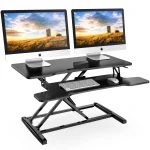
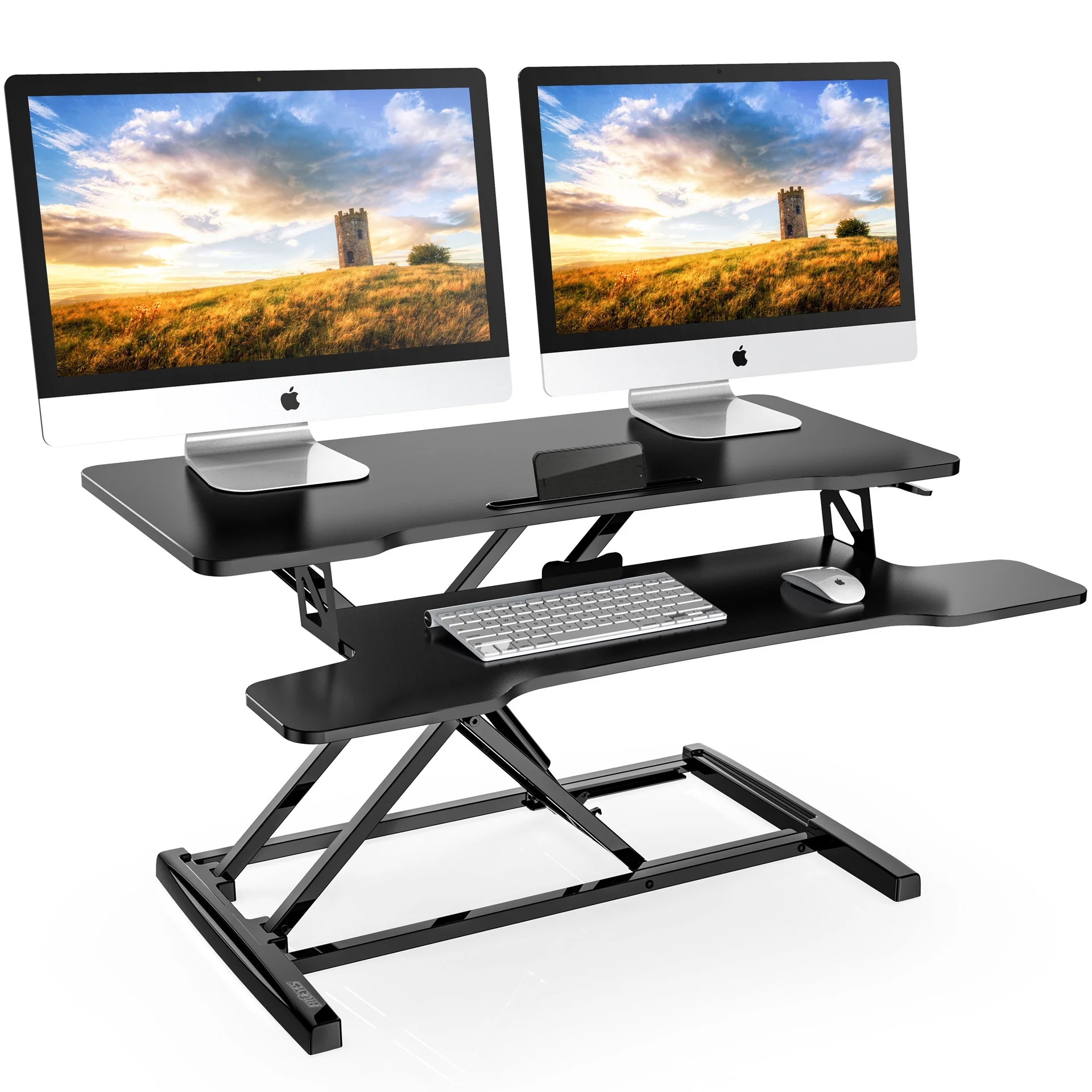
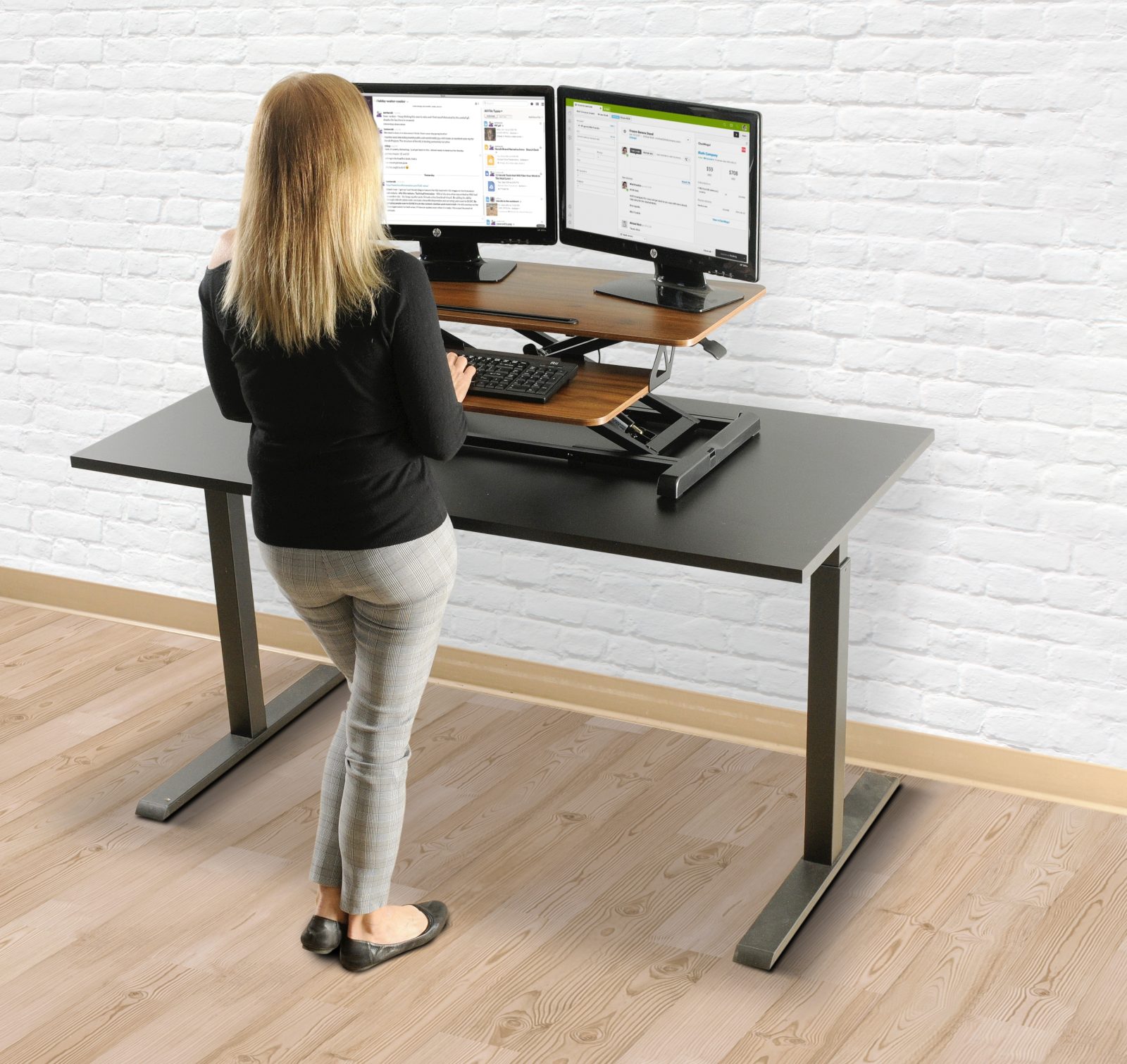
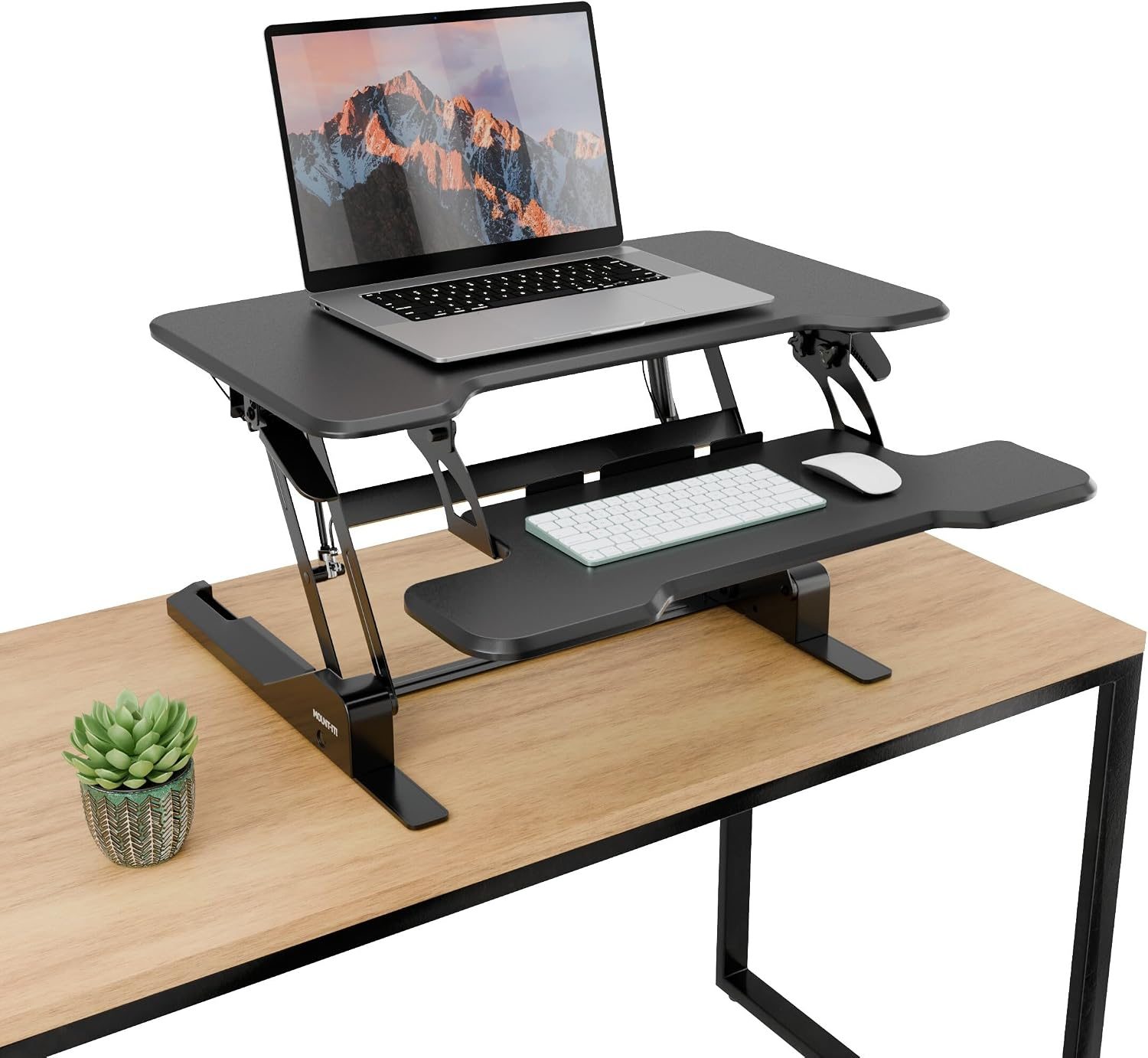
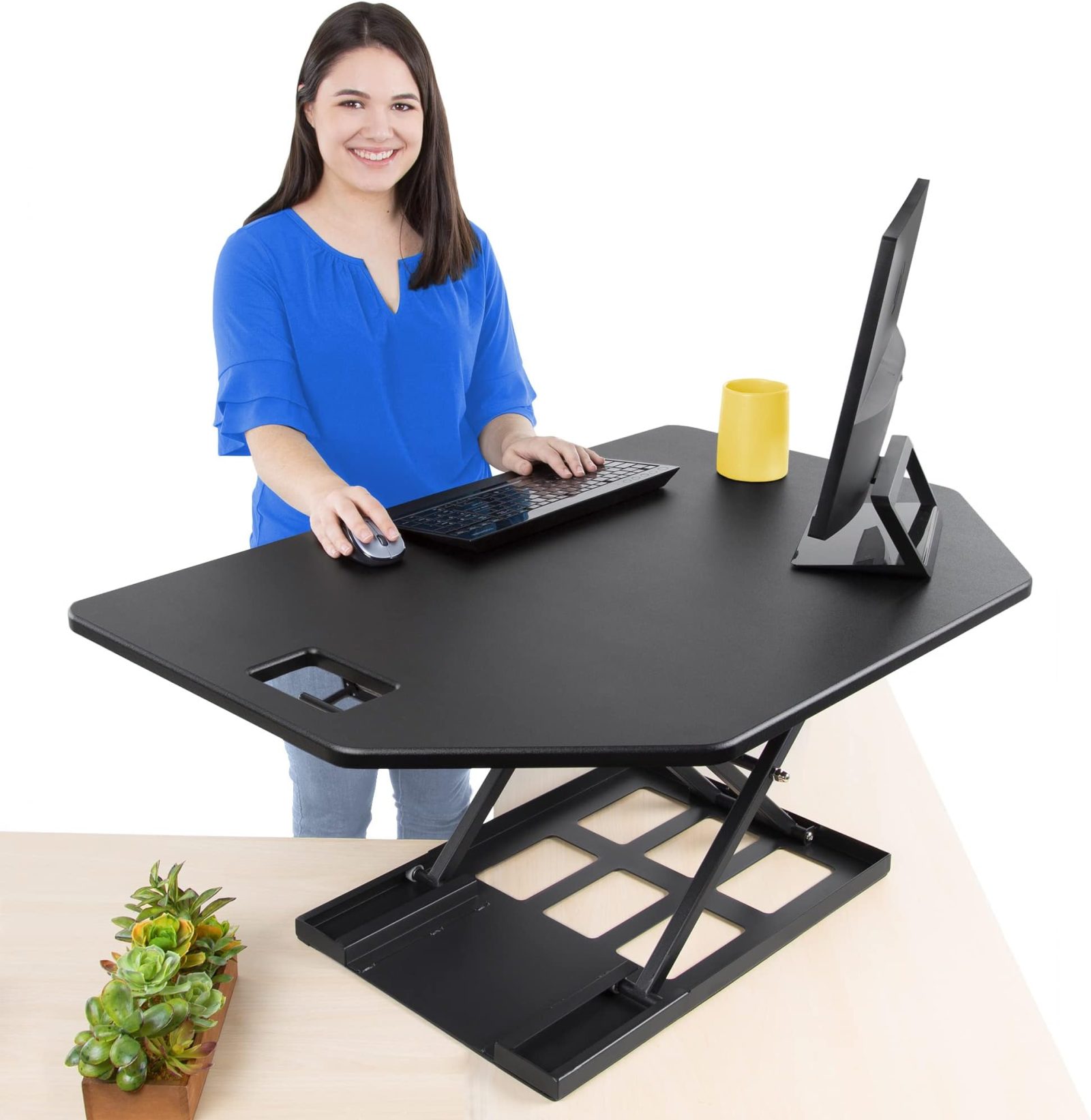
A standing desk converter is an adjustable platform that sits on top of your existing desk. It is the go-to solution for those who already own a high-quality, sturdy desk or who are constrained by a strict budget. The primary advantage is the lower entry price; you are essentially paying for the lifting mechanism rather than an entire piece of furniture.
📷 Photo by storage.googleapis.com
However, converters have significant limitations. Many units have a smaller platform area, which can limit your ability to use multiple monitors or store desk accessories. Furthermore, they can introduce stability issues—if the converter is not heavy enough, it might wobble while you type. They also add “clutter” to your desk, as you are essentially stacking a device on top of your existing workspace, which can negatively impact your room’s visual flow.
The Full Electric Standing Desk: A Holistic Approach
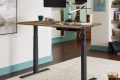
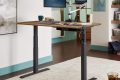
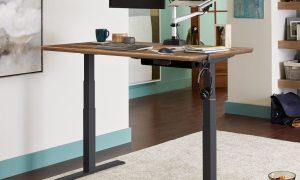
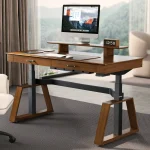
A full electric standing desk replaces your entire current desk with a motorized frame and a tabletop. These desks offer a seamless, minimalist aesthetic that fits well in modern home offices. Because the entire structure moves, you gain the benefit of a clean, unobstructed workspace. The electric motors allow for precise height adjustments with the push of a button, often featuring memory presets that encourage you to switch positions more frequently.
The trade-off is the cost and the logistical challenge of assembly. Full desks are significantly more expensive and require more floor space. You also have to consider the weight and the difficulty of moving such a desk if you live in an apartment or change rooms frequently. Despite these hurdles, for those who spend eight or more hours a day at their computer, the stability and ergonomic range of a full desk are usually worth the premium price.
Cost and Space Comparison Table
| Feature | Standing Desk Converter | Full Electric Standing Desk |
|---|---|---|
| Initial Cost | Low ($100 – $400) | High ($400 – $1,500+) |
| Space Requirement | Minimal (fits on existing desk) | Moderate to High (full floor footprint) |
| Stability | Variable (prone to wobbling) | High (solid base structure) |
| Assembly Time | Very Fast (often pre-assembled) | Slow (requires manual assembly) |
| Aesthetics | Functional/Cluttered | Minimalist/Professional |
Choosing the Right Solution for Your Workflow
To determine which option is better for your specific needs, follow these steps to evaluate your workspace environment:
- Measure your current desk surface depth and width to ensure a converter will fit without overhanging.
- Assess your back and neck health; if you have pre-existing issues, the higher stability of a full desk is medically preferable.
- Calculate your budget; if you cannot afford a high-quality electric desk, a cheap electric desk is often less reliable than a high-quality converter.
- Consider your cable management needs, as full desks offer integrated channels that converters cannot replicate.
- Determine your long-term plans; if you move frequently, a converter is much easier to transport than a heavy motorized frame.
Common Mistakes to Avoid
One of the most frequent errors users make is ignoring the “keyboard tray” height on a converter. If the converter sits too high on your existing desk, you may find your elbows at an awkward angle, which defeats the purpose of ergonomic improvement. Always measure your seated elbow height before purchasing a converter.
Another common oversight is the weight capacity. Many users overload their desk converters with heavy monitor arms or multiple large displays, which can strain the pneumatic or mechanical lift mechanism. Check the manufacturer’s maximum weight limit carefully. For full electric desks, the biggest mistake is choosing a frame with a low-quality motor. Cheap electric motors are often loud and prone to failure after a year or two of heavy use.
Ergonomic Considerations and Risks
📷 Photo by amazon.com
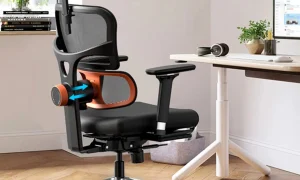
Standing all day is just as harmful as sitting all day. The goal is movement. A full electric desk makes it easier to stand for 30 minutes, then sit, then stand again, because the adjustment process is effortless. With a converter, the physical effort required to lift the platform can lead to “adjustment fatigue,” where you simply stop using the feature altogether. If you struggle with motivation, the automated nature of a full desk is a significant advantage.
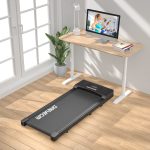
Also, consider the floor space. If you work in a cramped bedroom or a small studio apartment, a full standing desk can dominate the room and make it feel smaller. A converter allows you to maintain the utility of your existing desk while keeping the footprint manageable.
Frequently Asked Questions
Q: Can I use a dual monitor setup with a desk converter?
A: Yes, but you must ensure the converter has a wide enough platform and a high enough weight capacity to support the combined weight of two monitors and the mount.
📷 Photo by amazon.com
Q: Are manual crank desks a middle ground?
A: Yes, manual crank desks are often cheaper than electric ones and more stable than converters, but they require physical effort to adjust, which can become tedious over time.
Q: Do I need a special floor mat for these desks?
A: An anti-fatigue mat is highly recommended regardless of which option you choose, as it significantly reduces joint stress during long periods of standing on hard surfaces.
Ultimately, your choice depends on the balance between your immediate budget and your long-term ergonomic goals. If you are just testing the waters, start with a high-quality converter. If you are committed to a permanent, professional workspace overhaul, invest in a reliable full electric standing desk.
📷 Photo by storage.googleapis.com