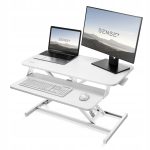


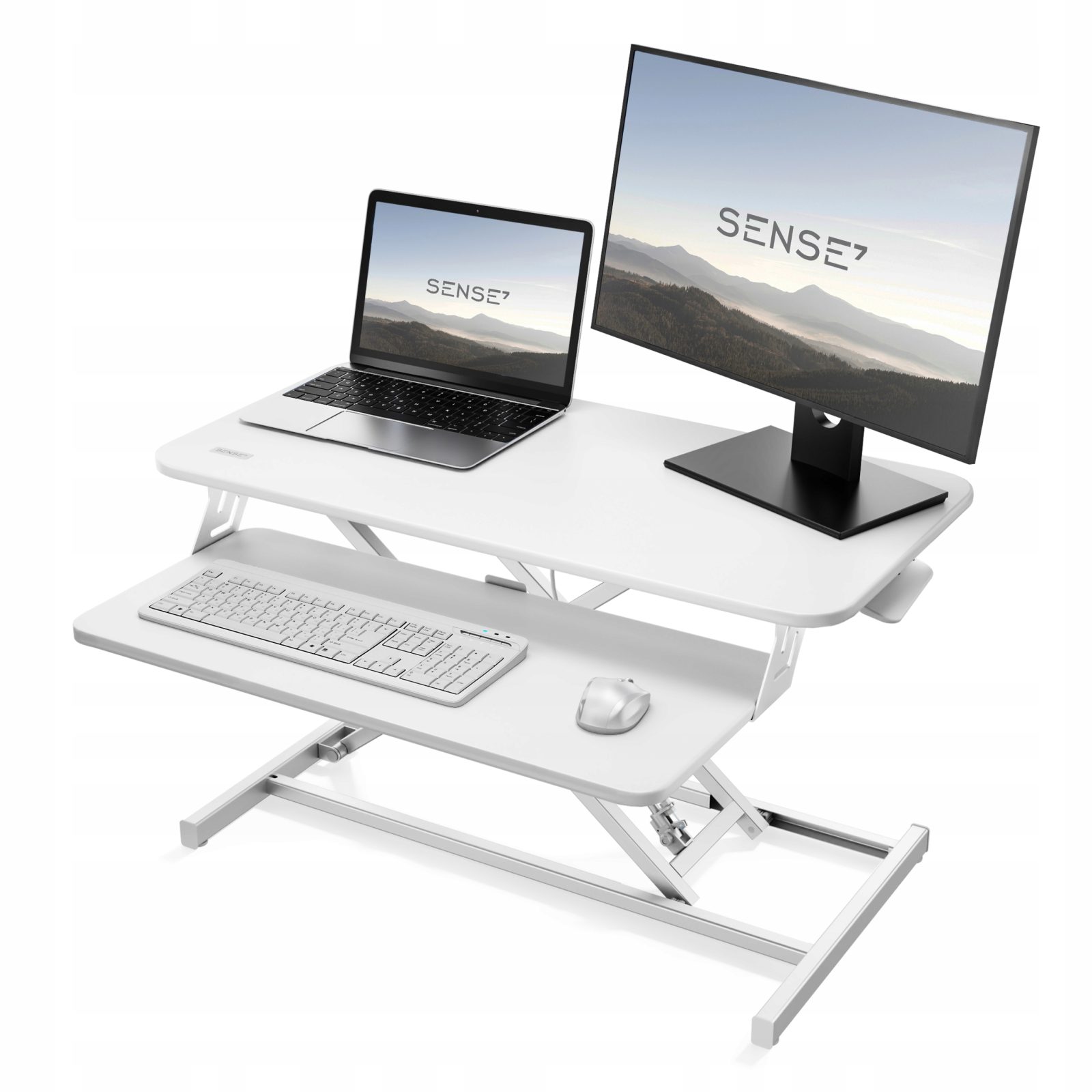
Aploda.com – Spring-loaded standing desk converters rely on mechanical tension springs to assist with height adjustments, whereas pneumatic gas piston models utilize pressurized cylinders to provide a smoother, more fluid motion that requires significantly less physical effort. Choosing between the two depends on your budget, frequency of adjustment, and the weight capacity required for your monitor setup.
Understanding Spring-Loaded Mechanisms
Spring-loaded converters operate on a counterbalanced system using heavy-duty coiled springs. To adjust the height, you typically squeeze a lever that releases the tension, allowing you to manually push or pull the desk platform to your desired position. Because of the mechanical nature of these springs, the movement can sometimes feel “stepped” or slightly jerky if not calibrated correctly to the weight of your equipment.
The primary advantage of this design is durability and simplicity. There are fewer complex seals or pressurized gases that can fail over time. If a spring loses tension after years of heavy use, it is often a straightforward mechanical fix. However, users may find that they have to exert more force to lock the desk into place compared to newer, more advanced pneumatic systems.
The Mechanics of Pneumatic Gas Pistons
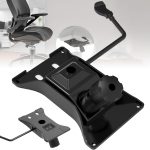
Pneumatic gas piston converters function similarly to the mechanism found in an ergonomic office chair. A sealed cylinder containing compressed gas provides a consistent, fluid lift that does most of the heavy lifting for you. When you engage the release handle, the gas pressure helps the platform glide upward with minimal resistance, making it an ideal choice for users who frequently switch between sitting and standing.
The main benefit here is the “weightless” feeling of the adjustment. You do not need to fight against the desk’s weight, which reduces strain on your wrists and shoulders. The trade-off is that these gas cylinders can eventually lose their seal over several years, leading to a desk that slowly sinks under weight or fails to lift entirely. They are generally priced higher due to the precision engineering required for the internal piston.
Comparison Table: Spring-Loaded vs. Pneumatic
| Feature | Spring-Loaded Converter | Pneumatic Gas Piston |
|---|---|---|
| Adjustment Effort | Moderate (Requires manual force) | Low (Fluid/Assisted motion) |
| Longevity | High (Mechanical parts last longer) | Moderate (Piston seals may wear) |
| Price Point | Budget-friendly | Premium |
| Movement Feel | Stepped or notched | Smooth and continuous |
| Maintenance | Minimal | Potential seal replacement |
Key Factors Influencing Your Choice
When deciding which mechanism fits your workspace, consider your daily routine. If you stand for only an hour or two per day, a spring-loaded model is often more than sufficient and provides better long-term value. If you follow a strict sit-stand protocol—alternating every 30 to 60 minutes—the ergonomic comfort and ease of the pneumatic piston will pay for itself in reduced physical fatigue.
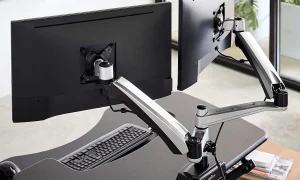
Weight capacity is another critical factor. Always verify the maximum weight limit of the converter against your monitor arm, dual-monitor setup, and heavy keyboard peripherals. Spring-loaded models often have a “sweet spot” for weight; if you load them too lightly, they may spring upward too aggressively, and if you overload them, they become difficult to move.
How to Properly Calibrate Your Converter
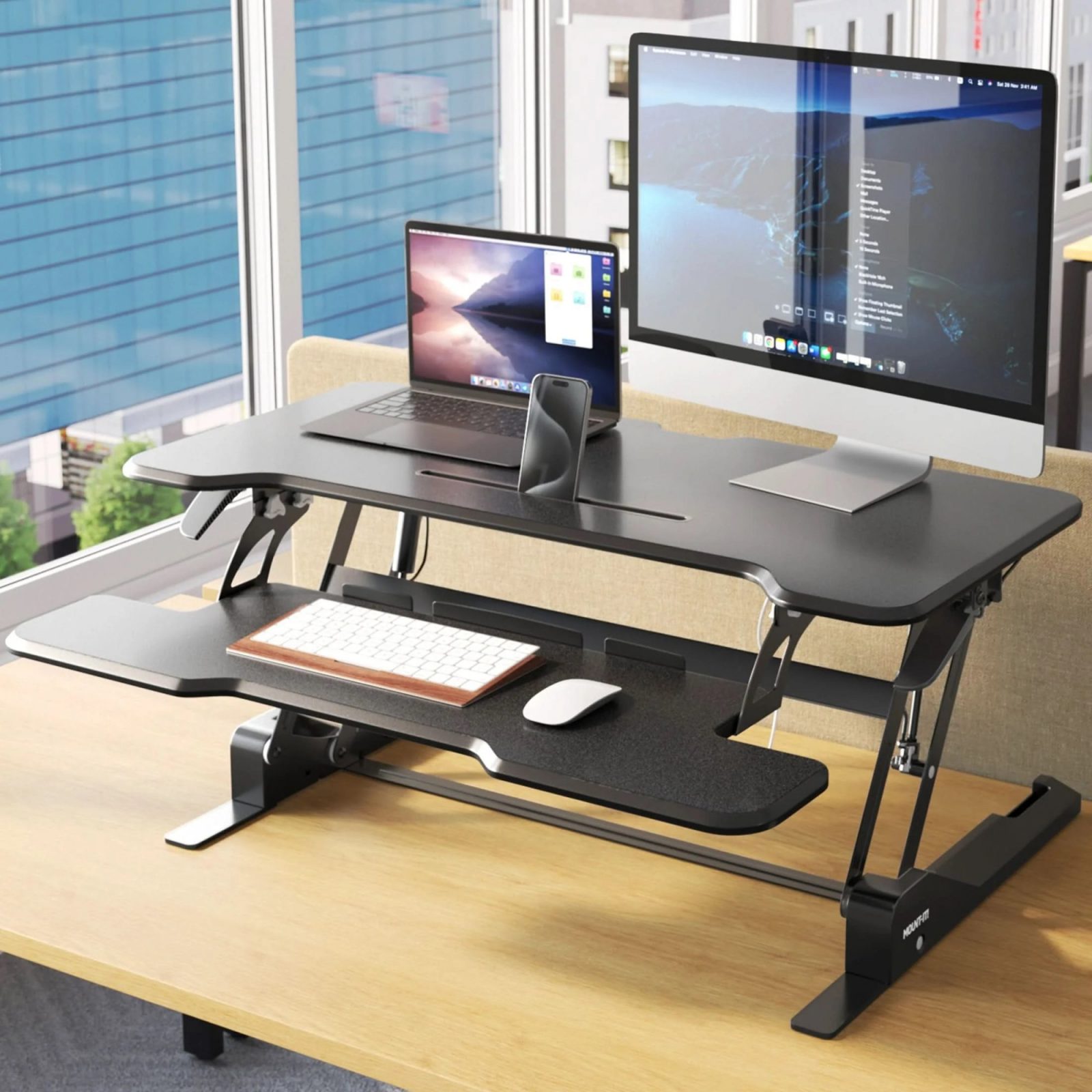
Regardless of the mechanism you choose, proper calibration is essential to prevent injury and ensure the longevity of the desk. Follow these steps to set up your converter safely:
📷 Photo by ergodirect.com
- Clear the desk surface of all equipment to ensure you are starting from a neutral baseline.
- Locate the tension adjustment knob or screw, usually found near the base or the hinge mechanism.
- Place your monitors and hardware back onto the desk platform to simulate the actual working load.
- Test the lifting motion; if the desk shoots up too quickly, tighten the tension knob (clockwise).
- If the desk is difficult to lift or sinks under the weight of your gear, loosen the tension knob (counter-clockwise) until the movement feels balanced and smooth.
Common Mistakes and Risks
One of the most frequent errors users make is ignoring the weight distribution. Placing a heavy monitor on the far edge of a converter can cause the platform to tilt or put uneven stress on the springs or pistons, leading to premature mechanical failure. Always center your heaviest equipment to maintain stability.
Another risk involves “pinch points.” Because these converters move vertically, it is vital to ensure that your peripheral cables (mouse, keyboard, monitor power) have enough slack. A cable that is pulled too taut can get caught in the scissor-lift mechanism, potentially damaging your hardware or causing the desk to snap down unexpectedly.
FAQ
Q: Will a pneumatic gas piston leak gas over time?
A: While rare in high-quality models, gas pistons can lose pressure as the internal seals degrade over many years of use, which may eventually require replacing the cylinder or the entire unit.
📷 Photo by lionavigator.weebly.com
Q: Is a spring-loaded desk harder to assemble?
A: Generally, no. Both types usually arrive mostly pre-assembled, but spring-loaded models can be slightly heavier and require more caution during the initial tension calibration process to avoid sudden movements.
Q: Can I use a dual monitor setup with either type?
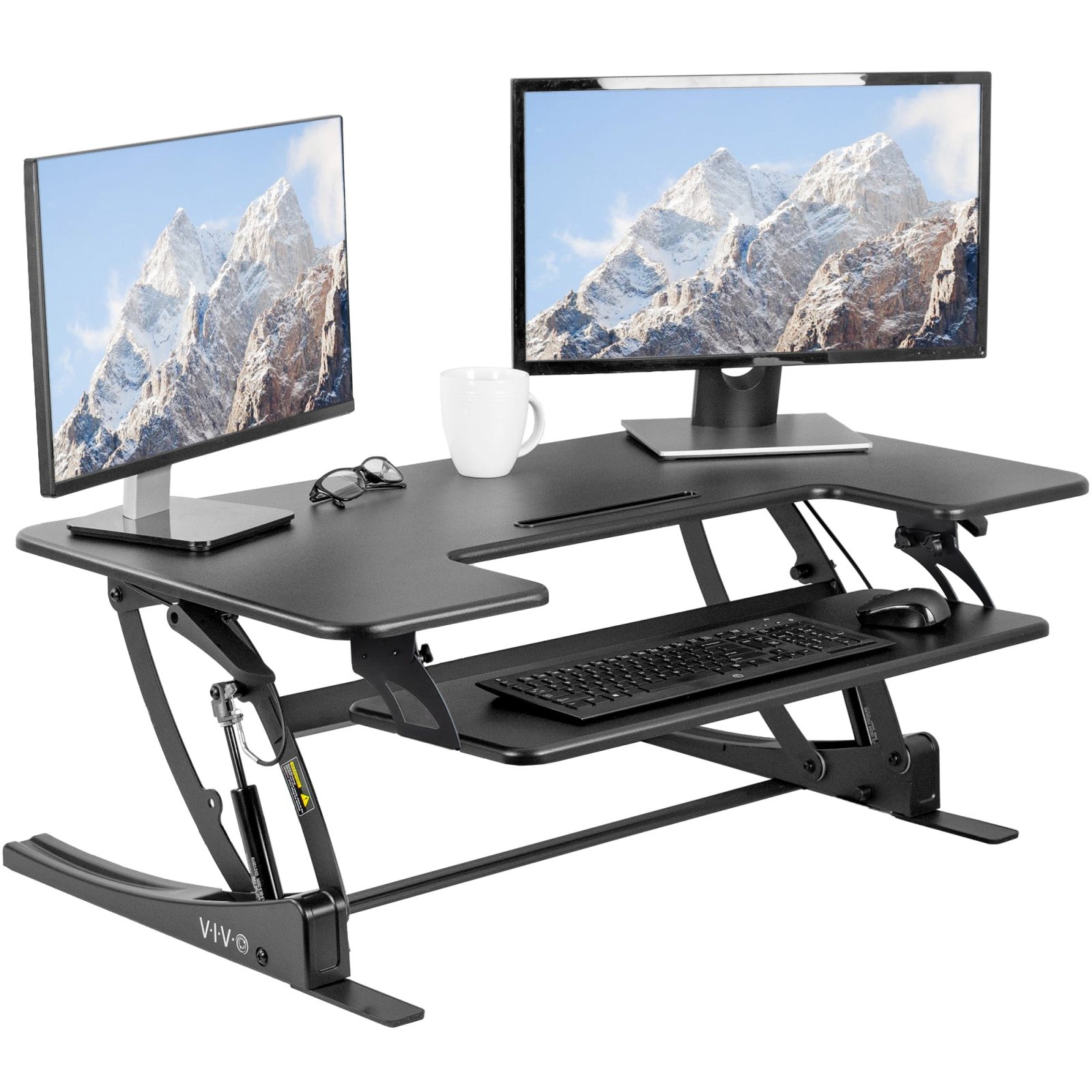
A: Yes, provided the total weight of your monitors and mount does not exceed the manufacturer’s specified weight limit for that specific converter model.
Ultimately, the transition to a standing desk is about ergonomics and health. Whether you choose the reliable, mechanical simplicity of a spring-loaded converter or the premium, effortless glide of a pneumatic system, ensure that your setup allows for neutral wrist positioning and eye-level screen height. Prioritizing these ergonomic standards will yield the greatest benefits for your posture and productivity.
📷 Photo by allegro.pl