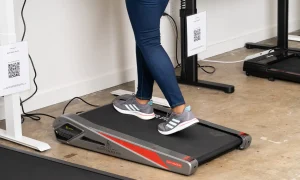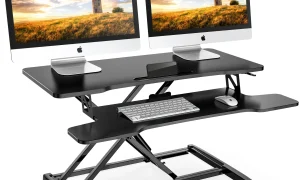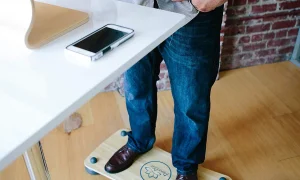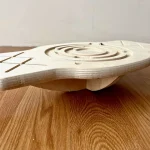


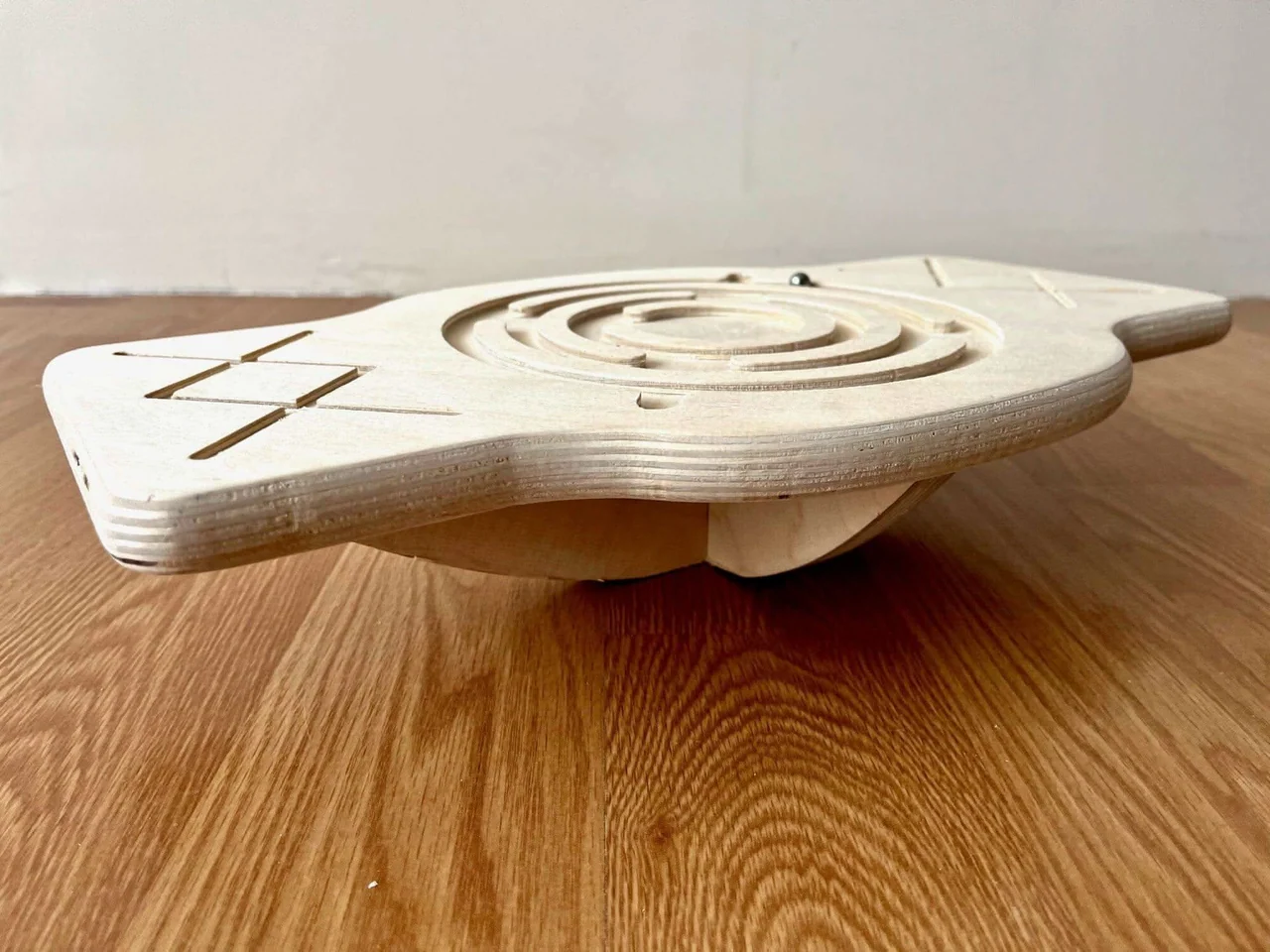
Aploda.com – Standing desk balance boards provide an ideal platform for dynamic calf stretches that increase blood flow and muscle elasticity, effectively neutralizing the stiffness accumulated in your lower legs after a night of rest. By integrating controlled dorsiflexion and plantar flexion on an unstable surface, you engage deep stabilizing muscles while gently lengthening the gastrocnemius and soleus to alleviate morning discomfort.
The Mechanics of Morning Stiffness
Morning stiffness in the calves often results from prolonged periods of inactivity, where the muscles remain in a shortened state for hours. When you transition from a horizontal sleeping position to a vertical standing position, the sudden load on tight calf muscles can lead to micro-tears or localized inflammation. This is compounded if you work at a standing desk, where static posture prevents the “calf pump” mechanism from circulating blood efficiently.
Using a balance board at your standing desk transforms a sedentary station into an active recovery zone. The inherent instability forces your ankles and calves to make micro-adjustments, which naturally prevents the muscles from locking up. Instead of standing like a statue, you are constantly micro-stretching, which keeps the fascia pliable and ready for the day ahead.
Benefits of Dynamic Calf Stretching
Unlike static stretching performed on flat ground, using a balance board introduces a multi-planar movement pattern. This approach is superior for office workers because it addresses the kinetic chain rather than just the isolated muscle. Improved ankle mobility, enhanced proprioception, and reduced risk of plantar fasciitis are among the primary advantages of this habit. Furthermore, by keeping the calves active, you reduce the strain on your lower back, as tight calves often pull on the hamstrings, which in turn affects pelvic tilt and lumbar posture.
Comparison of Stretching Methods
| Method | Mechanism | Effectiveness for Stiffness | Risk Level |
|---|---|---|---|
| Static Wall Stretch | Passive elongation | Moderate | Low |
| Balance Board Rocking | Dynamic, active engagement | High | Low to Moderate |
| Foam Rolling | Myofascial release | Moderate to High | Moderate |
| Ankle Circles | Joint mobilization | Low | Very Low |
Practical Steps to Relieve Stiffness
To maximize the benefits of your balance board without causing further strain, follow this structured routine during your first hour at the desk. Consistency is more important than intensity when dealing with morning tightness.
- Begin by standing on the board with feet hip-width apart, ensuring your knees are slightly unlocked and not hyperextended.
- Slowly shift your weight to the balls of your feet, allowing the board to tilt forward while keeping your heels in contact with the board surface as long as possible.
- Hold the peak of the forward tilt for three seconds, feeling a deep, controlled stretch through the Achilles tendon and the belly of the calf.
- Gently rock back onto your heels, lifting the balls of your feet slightly to engage the tibialis anterior muscle, creating a counter-stretch.
- Repeat this rocking motion for 60 seconds, focusing on rhythmic breathing to encourage muscle relaxation rather than forced tension.
Common Mistakes to Avoid
One of the most frequent errors is over-exerting during the first few minutes of the morning. Because your muscles are cold, aggressive stretching can be counterproductive. Always start with a small range of motion and gradually increase the angle of the board as you feel your tissues warming up. Another mistake is locking your knees; this creates a rigid structure that prevents the calf muscles from effectively stretching, as the knee joint must be slightly bent to isolate the soleus muscle specifically.
Additionally, avoid using the board for the entire duration of your standing time. The goal is to use it as a tool for “active breaks.” Standing on a balance board for four hours straight can lead to muscle fatigue, which might ironically cause more stiffness later in the day. Aim for 10 to 15-minute intervals throughout your morning shift.
Recognizing When to Stop
While discomfort is common during a stretch, sharp or stabbing pain is a warning signal. If you feel a sudden pinch in the back of your ankle or the arch of your foot, stop immediately. This could indicate an underlying issue like tendonitis or a ligament strain that requires rest rather than movement. Always prioritize a dull, “good” stretch sensation over high-intensity strain.
FAQ: Common Concerns
Q: How long should I use the balance board each morning?
A: Use it for 5 to 10 minutes upon starting your workday. This is usually enough to flush out stagnant fluids and wake up the stabilizing muscles in your lower legs.
Q: Can I use a balance board if I have flat feet?
A: Yes, but start with a board that has a wider base and a lower tilt angle. Strengthening the muscles around the ankle through balance training can actually provide better support for those with flat feet over time.
Q: Does this replace my regular gym stretching routine?
A: Think of this as maintenance rather than a replacement. It is a supplemental activity designed to keep your body functional during long hours of office work, not a substitute for a full-body mobility or strength program.
Final Thoughts on Consistency
The key to eliminating morning stiffness is not a single, intense stretch, but rather the cumulative effect of small, frequent movements. By keeping a balance board within reach of your standing desk, you turn a passive work environment into a place of physical care. Over time, you will notice that the transition from your bed to your desk becomes significantly more comfortable, as your calves remain supple and resilient throughout the demands of the workday.
📷 Photo by kidodido.com