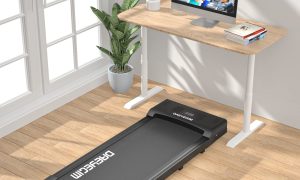
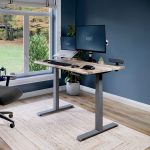
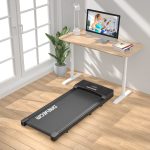
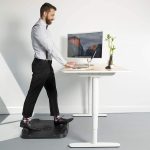


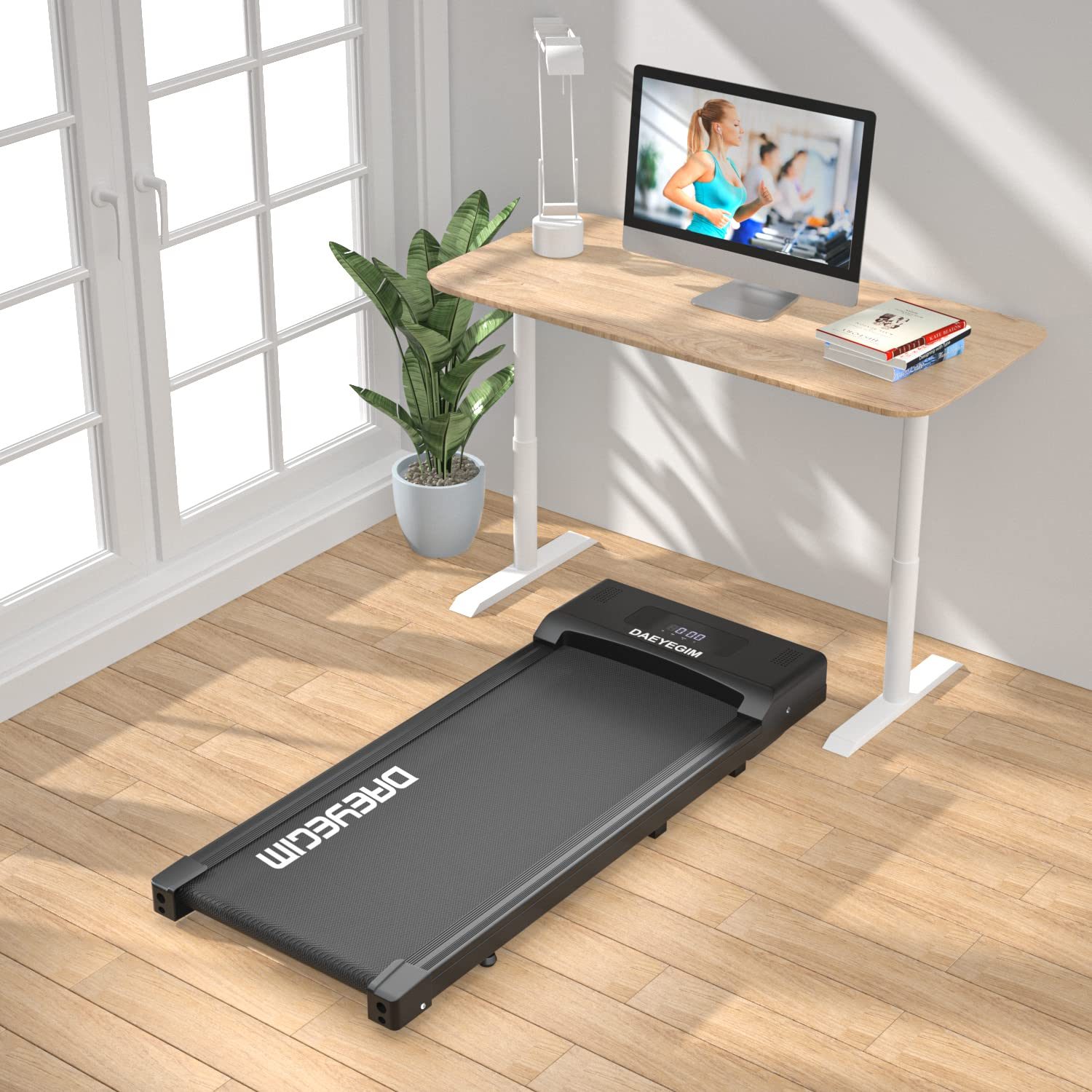
Aploda.com – An under desk treadmill is considered quiet enough for professional Zoom calls if it operates at or below 45 to 50 decibels, which is roughly equivalent to the sound of a quiet library or a gentle whisper. Anything exceeding 60 decibels will likely be detected by sensitive microphones and become a distraction during virtual meetings.
Understanding Decibel Ratings in Office Environments
When shopping for an under desk treadmill, manufacturers often advertise them as “whisper-quiet,” but these marketing terms are rarely backed by objective data. To maintain a professional image, you must understand how decibels (dB) scale. A difference of 10 dB represents a tenfold increase in sound intensity to the human ear. Therefore, a 50 dB treadmill is significantly quieter than a 60 dB model, even though the numbers look close on paper.
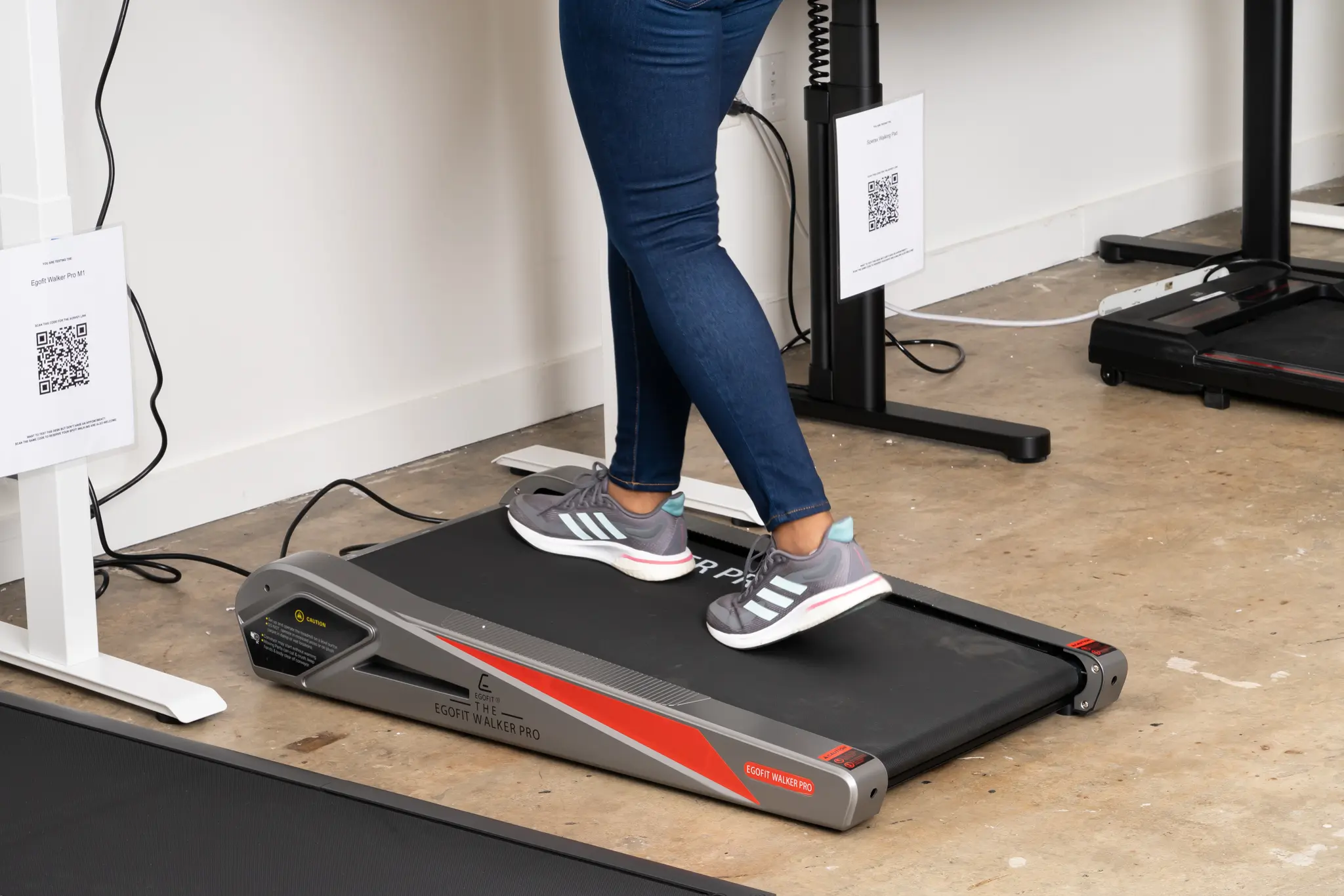
📷 Photo by nytimes.com
Most standard office environments register at about 40 to 50 dB of ambient noise. If your treadmill adds another 50 dB to the room, the cumulative sound can reach 55 to 60 dB, which is the threshold where background noise starts to interfere with voice clarity on digital platforms like Zoom or Microsoft Teams. Modern noise-cancellation software in these applications helps, but it cannot filter out rhythmic mechanical thumping if the treadmill is placed directly on a hard floor.
Key Factors Influencing Treadmill Noise
The noise level is not solely dependent on the motor. Several mechanical and environmental factors contribute to the overall acoustic footprint of your workstation:
- Motor Quality: Brushless DC motors are generally quieter and more durable than traditional brushed motors, as they produce less friction and heat.
- Walking Belt Friction: A belt that is not properly lubricated will generate a high-pitched rubbing sound against the deck, which is particularly irritating to microphone sensors.
- Floor Surface: Hardwood or tile floors act as sounding boards, amplifying the vibrations of the treadmill. Carpet or high-density rubber mats are essential for dampening impact noise.
- User Weight and Gait: Heavier users or those with a “heavy” walking style will naturally create more impact noise, regardless of how quiet the motor is.
Comparison of Noise Levels
The following table provides a reference for how under desk treadmill noise compares to common household and office sounds to help you gauge your own setup.
Read also: How to Transition from Sitting to Standing Without Foot Fatigue
| Sound Source | Approximate Decibel (dB) | Impact on Zoom Calls |
|---|---|---|
| Whisper | 30 dB | Inaudible |
| Quiet Library | 40 dB | Negligible |
| Standard Under Desk Treadmill | 45-50 dB | Acceptable with Noise Suppression |
| Typical Office Conversation | 60 dB | Distracting |
| Vacuum Cleaner | 75 dB | Impossible to conduct a call |
Steps to Minimize Treadmill Noise for Meetings
If you already own an under desk treadmill and find it is slightly too loud for your calls, you do not necessarily need to replace it. Follow these steps to optimize your setup for a quieter experience:
- Install a high-density rubber equipment mat specifically designed for treadmills to decouple the device from the floor structure.
- Apply silicone-based treadmill lubricant under the belt every two to three months to reduce friction-related squeaking.
- Use a directional microphone rather than your laptop’s built-in mic, as directional mics are better at isolating your voice from ambient floor noise.
- Set your Zoom or Teams audio settings to “High” noise suppression to filter out the low-frequency hum of the motor.
- Avoid walking at speeds above 2.0 mph during calls; the faster the belt moves, the more vibration and mechanical noise it generates.
Common Mistakes That Increase Noise
One of the most common mistakes users make is placing the treadmill on a thin yoga mat. While yoga mats are soft, they are not dense enough to absorb the repetitive impact of footsteps, often causing the treadmill to slide slightly or create a hollow “thudding” sound. Another error is neglecting to tighten the belt tension; a loose belt can slap against the deck, creating a rhythmic clicking or flapping noise that is incredibly distracting to call participants.
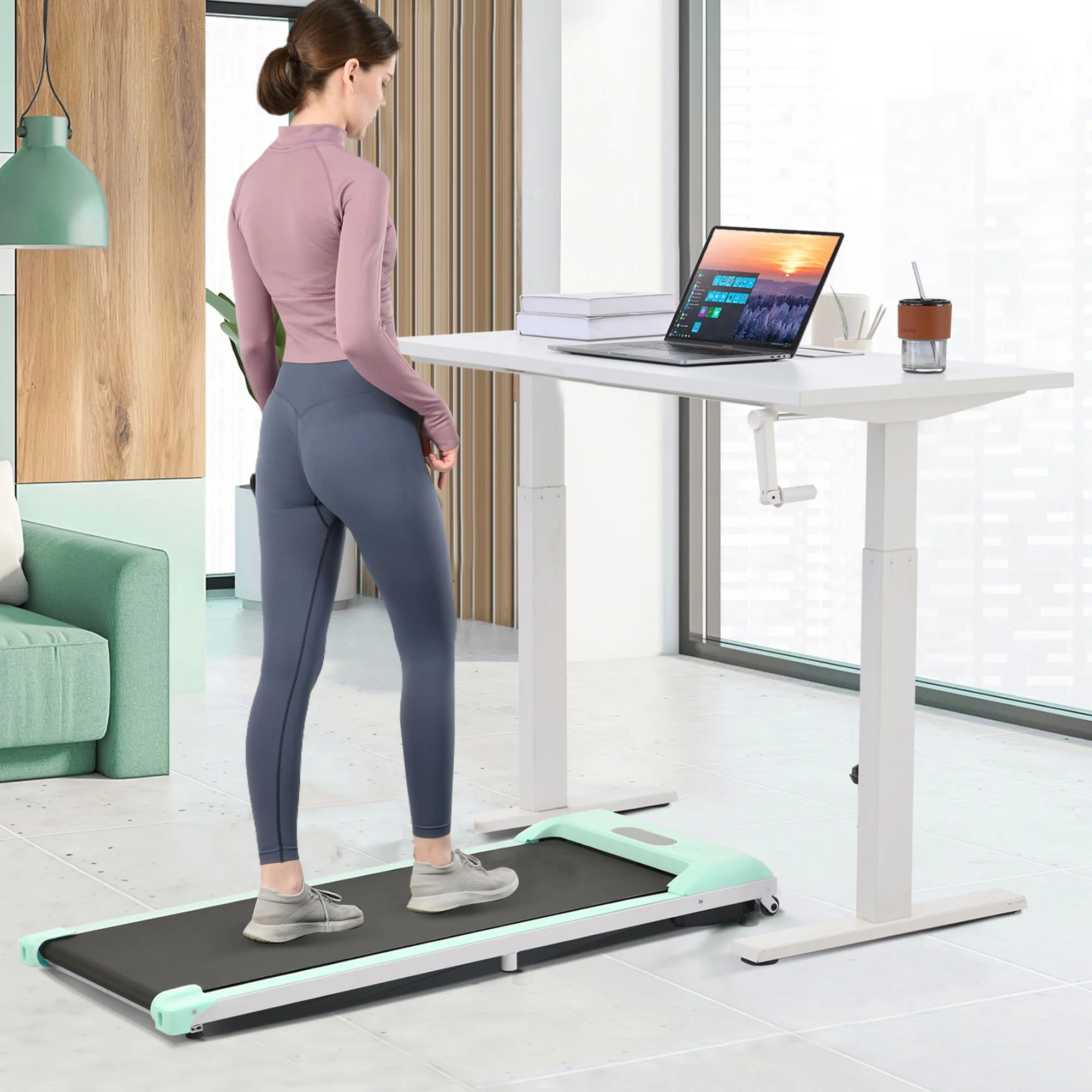
📷 Photo by saga.gamblingexposed.org
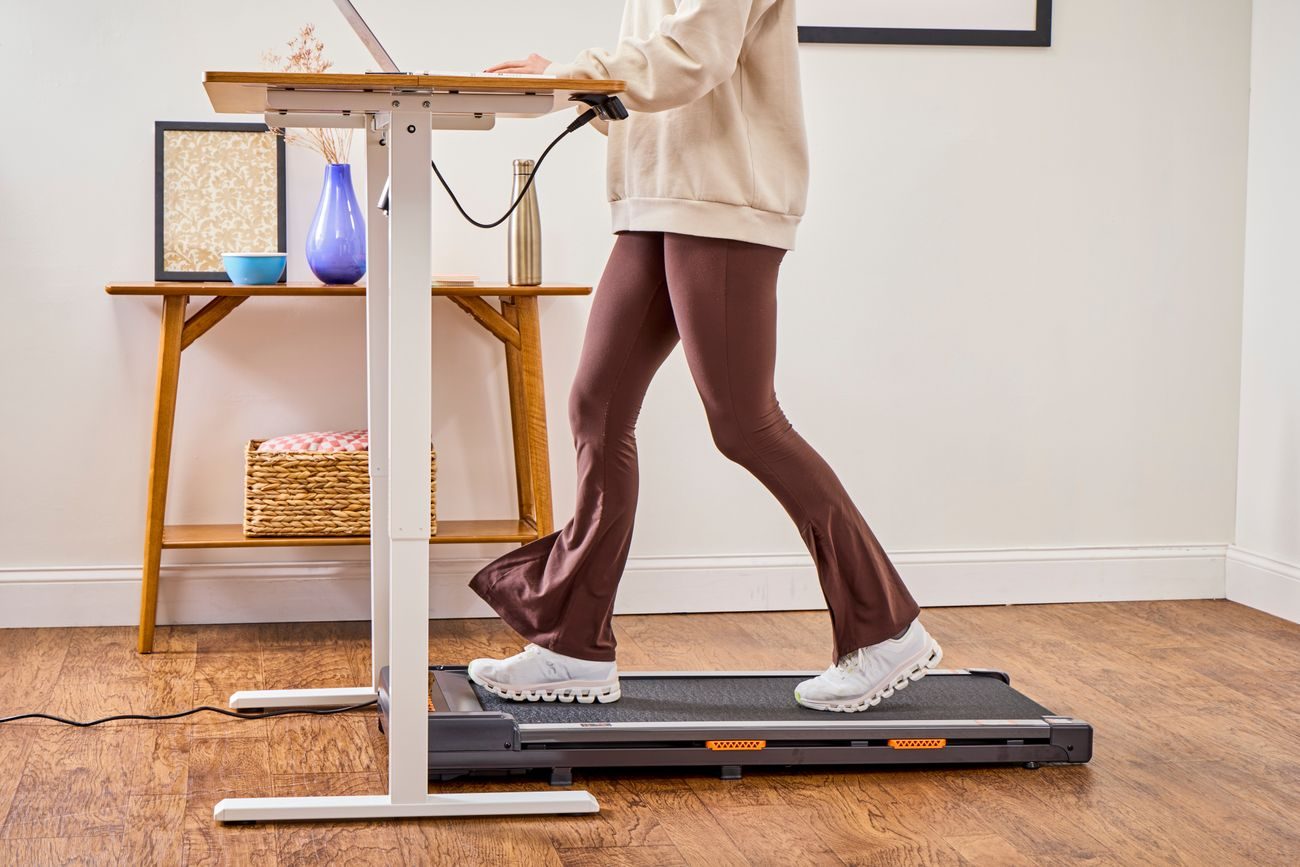
📷 Photo by verywellfit.com
Furthermore, many users overlook the importance of maintenance. Over time, dust and debris can accumulate inside the motor housing. This buildup can cause the cooling fan to work harder or create an unbalanced vibration. Cleaning the motor area with compressed air every six months is a simple habit that keeps the unit running smoothly and quietly.
Frequently Asked Questions
Q: Will using noise-cancellation headphones hide the treadmill noise from my coworkers?
A: Noise-cancellation headphones help you hear your colleagues better, but they do not stop the treadmill noise from entering your microphone. You need software-based noise suppression or a unidirectional microphone to prevent the sound from being transmitted to others.
Q: Is it better to buy a walking pad or a full-sized treadmill for quiet operation?
A: Walking pads are generally quieter because they are designed for low-speed use and have smaller motors that do not require the heavy-duty cooling fans found in full-sized treadmills. For a home office, a dedicated walking pad is almost always the superior choice for acoustic control.
Q: Why does my treadmill get louder after I have been using it for 30 minutes?
A: This is usually due to the internal components heating up, which can cause the belt to expand slightly or the lubrication to thin out. If the noise increases significantly, it may indicate that the motor is overheating or the belt requires adjustment to accommodate thermal expansion.
Ultimately, achieving a quiet Zoom environment while walking requires a combination of hardware selection and environmental modification. By keeping your treadmill well-lubricated, using a high-density mat, and managing your walking speed, you can successfully integrate movement into your workday without compromising your professional audio quality.
📷 Photo by snapklik.com