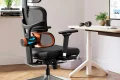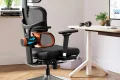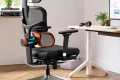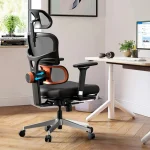


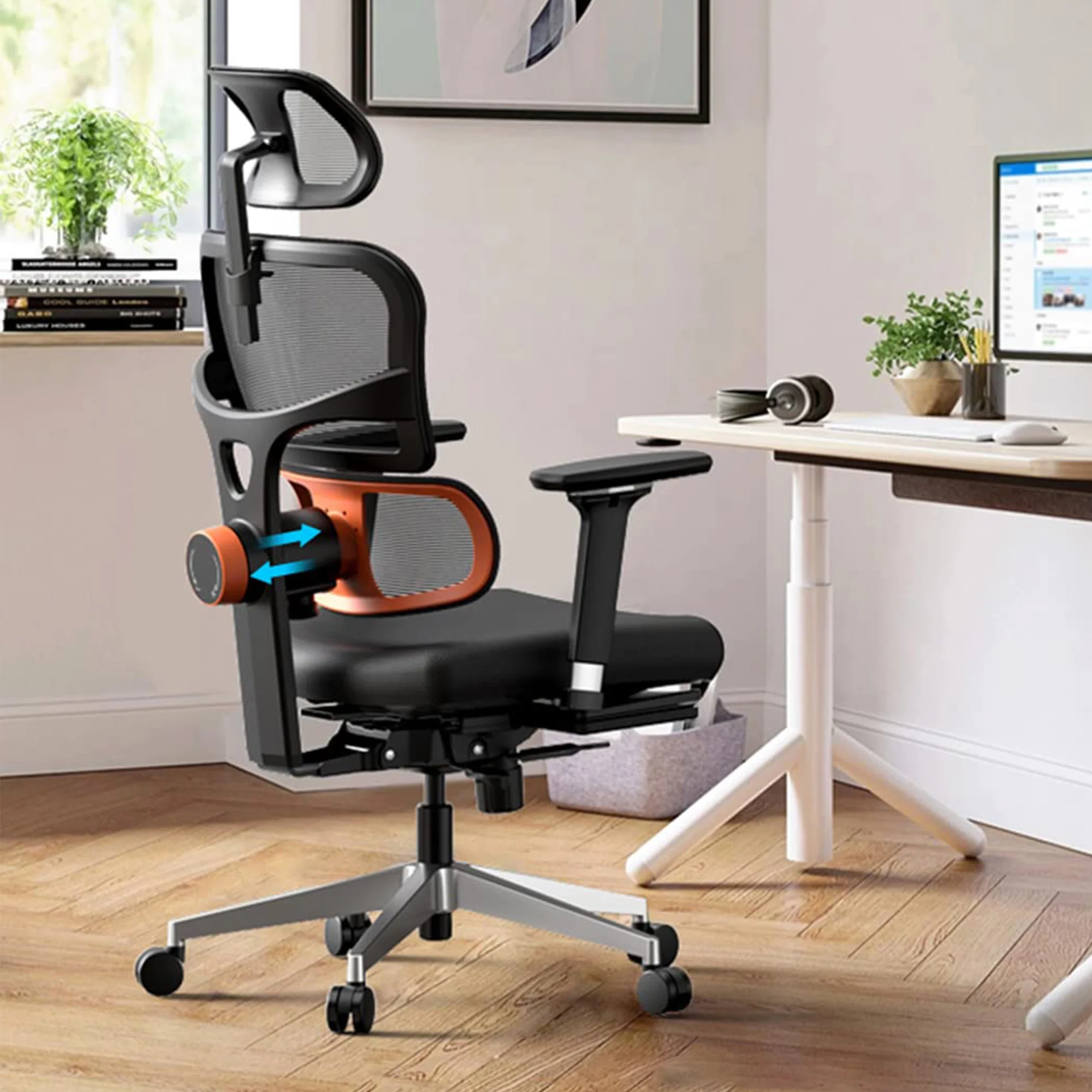
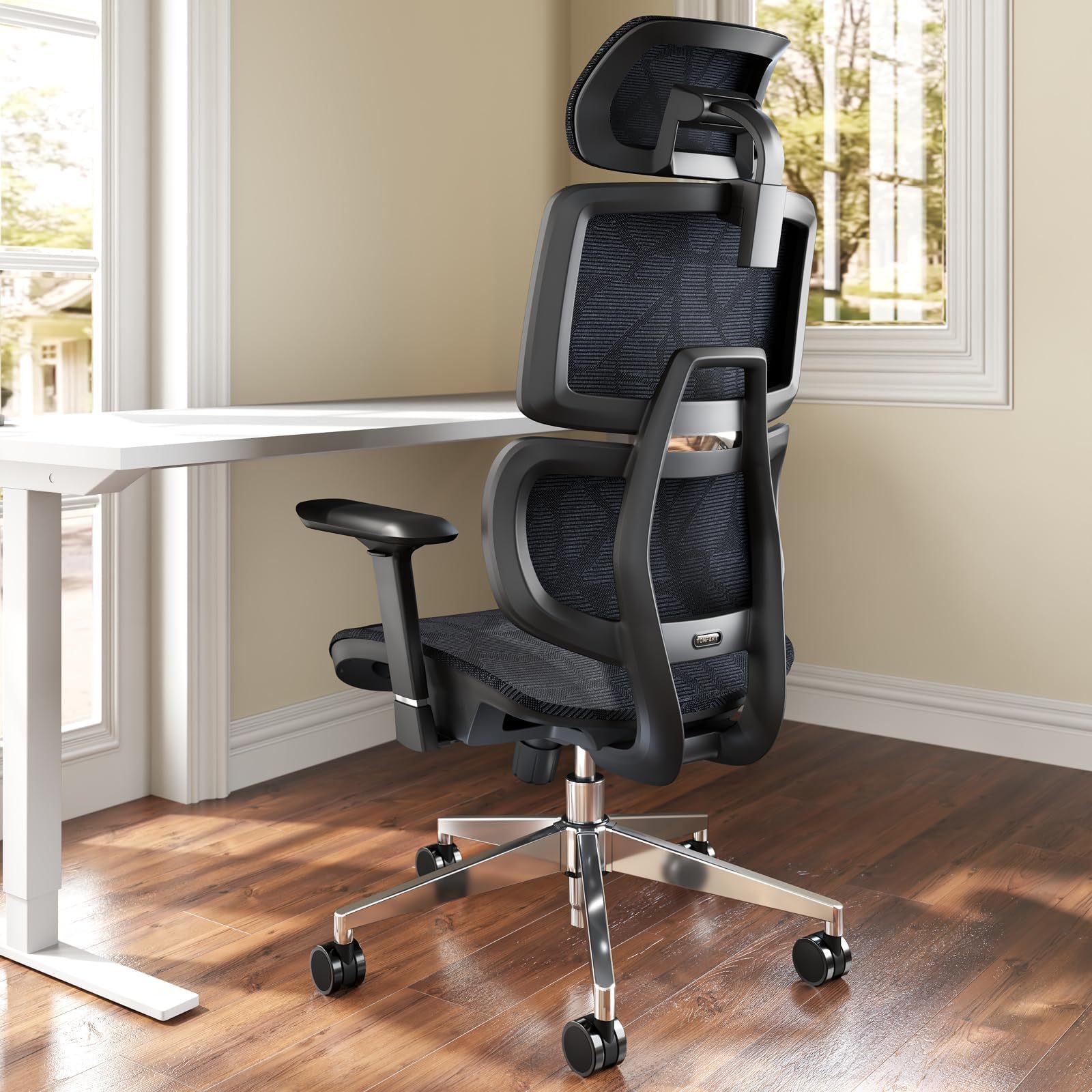
Aploda.com – A waterfall seat edge on an ergonomic office chair is a curved, downward-sloping front cushion design that reduces pressure on the back of the thighs, effectively preventing blood flow restriction and nerve compression during long periods of sitting.
Sitting for eight or more hours a day is a silent contributor to chronic health issues, particularly regarding lower limb circulation. Standard office chairs often feature a blunt, rigid edge that digs into the underside of your thighs. This constant pressure acts like a tourniquet, impeding blood flow and leading to the dreaded sensation of “pins and needles” or chronic swelling in the lower legs. The waterfall seat design is an engineering solution specifically crafted to mitigate this mechanical obstruction.
The Biomechanics of the Waterfall Seat
The core philosophy behind the waterfall design is the distribution of pressure. When you sit on a chair with a flat, hard edge, your weight is concentrated along a narrow line just above the back of your knees. This area is home to the popliteal artery and various superficial veins and nerves. By sloping the foam edge downward, the chair encourages a more natural distribution of weight across a larger surface area of your thighs.
This design also accommodates different sitting positions. Many users shift their weight or extend their legs throughout the day. A waterfall edge ensures that regardless of the angle of your knees—whether they are tucked under the desk or stretched out—the cushion does not create a sharp pressure point. This is particularly crucial for individuals who are shorter in stature, as they are often more prone to having the edge of their seat press painfully against the back of their calves.
📷 Photo by storage.googleapis.com
Key Benefits for Long-Term Health
Beyond comfort, the waterfall edge plays a vital role in preventing deeper vascular issues. When blood circulation is constricted, the heart has to work harder to circulate blood back from the lower extremities. Over time, this contributes to fatigue and can exacerbate conditions like varicose veins or deep vein thrombosis (DVT) in sedentary workers. By keeping the popliteal fossa clear of obstruction, the chair allows for unobstructed venous return.
Furthermore, the design promotes better posture. When the back of your legs feels uncomfortable, you are more likely to fidget, slouch, or sit on one leg to relieve the pressure. This shift in posture often leads to a misalignment of the spine. A waterfall seat removes the physical urge to compensate for leg discomfort, allowing your feet to remain flat on the floor and your back to stay firmly against the lumbar support.
Comparison of Seat Edge Designs
| Feature | Standard Flat Edge | Waterfall Edge |
|---|---|---|
| Pressure Distribution | Concentrated on popliteal area | Distributed across the thigh |
| Circulation Impact | Restricts blood flow | Promotes optimal blood flow |
| Nerve Compression | High risk of numbness | Minimal risk |
| Ideal User | Short-term use | Long-term professional use |
How to Optimize Your Seating Position
Even with an ergonomic chair, the benefits of a waterfall edge are lost if your overall setup is incorrect. Follow these steps to ensure you are maximizing the circulatory benefits of your equipment:
- Adjust your seat height so that your feet rest flat on the floor or a footrest, with your knees bent at a 90-degree angle.
- Ensure there is a two-to-three-finger gap between the waterfall edge of the chair and the back of your knees to allow for freedom of movement.
- Sit all the way back in the chair so your lower back makes firm contact with the lumbar support, preventing you from sliding forward and putting pressure back on your thighs.
- Take a micro-break every 45 minutes to stand up, stretch your calves, and reset your circulation, regardless of how ergonomic your chair is.
Common Mistakes to Avoid
A frequent error users make is purchasing a high-end ergonomic chair but failing to adjust the seat depth. If the seat depth is too long, the waterfall edge will sit too far forward, effectively rendering the design useless because it will press against your calves instead of the underside of your thighs. Always check if your chair has a “seat slide” function, which allows you to move the seat pan forward or backward to match your thigh length.
Another mistake is relying solely on the chair’s design while maintaining a sedentary lifestyle. While a waterfall edge is excellent for improving circulation, it is not a cure-all for physical inactivity. The human body is designed for movement; no matter how well-engineered the seat edge is, static sitting will always eventually lead to some degree of circulatory stagnation.
Signs Your Current Chair is Harming Your Circulation
If you experience persistent numbness in your feet or legs after only an hour of working, your chair is likely failing you. Other indicators include visible indentations on the back of your thighs after standing up, or a constant need to sit with one leg folded under you to find relief. If you notice these signs, it is time to prioritize an ergonomic solution that incorporates a proper waterfall edge.
Q: Is a waterfall seat edge necessary for everyone?
A: While it is highly recommended for anyone sitting for more than four hours a day, it is especially critical for individuals prone to leg swelling, those with shorter legs, or users who experience frequent numbness in their lower extremities.
Q: Does the waterfall edge affect lumbar support?
A: No, it is an independent feature. In fact, it complements lumbar support by ensuring you stay positioned correctly in the seat, allowing the lumbar support to do its job without you sliding forward to avoid leg pain.
Q: Can I add a waterfall cushion to my current chair?
A: You can purchase aftermarket ergonomic seat cushions that feature a sloped front. While they may not be as effective as a chair designed with this geometry from the ground up, they can provide significant relief if you are unable to replace your current office chair.
Investing in your workspace ergonomics is an investment in your long-term health. By choosing a chair that respects the anatomy of your legs and promotes healthy blood flow, you are removing a significant barrier to productivity and physical well-being. Focus on the mechanics of the seat, adjust your settings to your specific measurements, and never underestimate the impact of a simple curved edge on your daily vitality.
Read also: Collision Avoidance Sensors in Electric Standing Desks: Why You Need Them
📷 Photo by eurekaergonomic.com