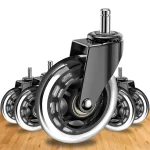
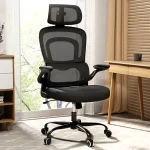


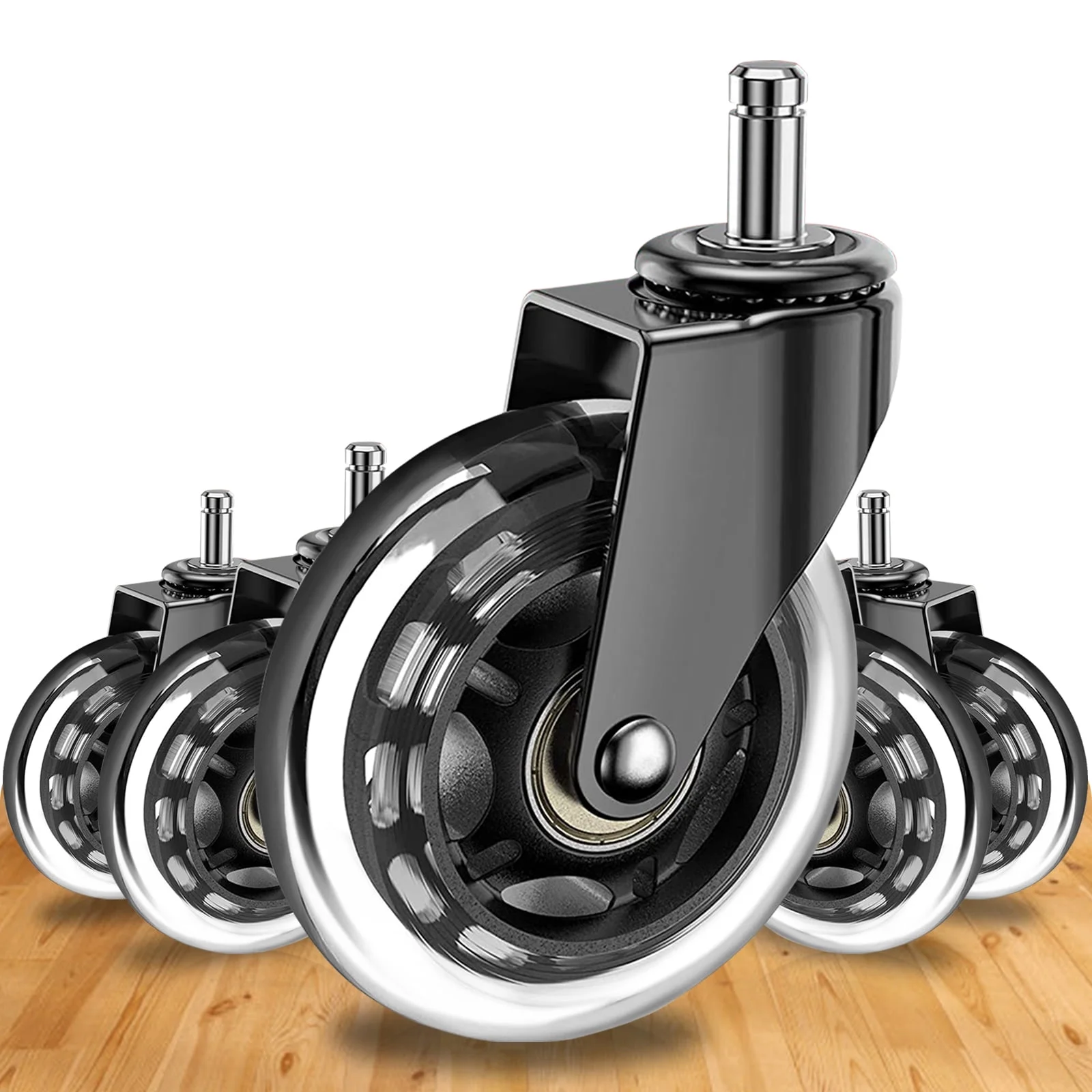
Aploda.com – Upgrading to rollerblade-style caster wheels is the most effective way to protect hardwood floors from scratches while ensuring smooth, silent movement for your ergonomic office chair. These polyurethane-coated wheels eliminate the need for bulky, unsightly plastic floor mats by providing a soft contact surface that glides effortlessly across delicate surfaces.
Why Standard Office Chair Wheels Damage Floors
Most standard office chairs come equipped with dual-wheel casters made of hard nylon or polypropylene. While these materials are durable and cheap to manufacture, they act like sandpaper on hardwood, laminate, or tile flooring. Over time, the pressure exerted by the chair’s weight, combined with dust and debris trapped under the wheels, creates permanent indentations and deep scratches in your floor finish.
Furthermore, standard plastic casters often trap hair and dust inside their internal mechanisms, causing them to seize up. When a wheel stops spinning, it drags across the floor rather than rolling, which accelerates damage. Replacing these stock casters with rollerblade-style wheels is a cost-effective investment that preserves the value of your flooring and enhances the overall comfort of your workspace.
Benefits of Transitioning to Rollerblade Wheels
Rollerblade wheels are constructed with a high-grade steel frame and a soft, shock-absorbing polyurethane outer layer. This design mimics the movement of inline skates, allowing the chair to roll over small obstacles like area rug edges or power cords without getting stuck. Because the material is softer than the floor surface, it prevents the grinding effect that leads to floor degradation.
Beyond floor protection, these wheels offer a noticeable improvement in ergonomics. The smooth, quiet glide reduces the physical effort required to reposition your chair, which minimizes strain on your lower back and legs. They also remove the irritating noise associated with plastic wheels rolling over hard surfaces, creating a quieter, more focused environment for your daily tasks.
Comparative Analysis: Standard Casters vs. Rollerblade Wheels
| Feature | Standard Nylon Casters | Rollerblade Polyurethane Wheels |
|---|---|---|
| Floor Safety | High risk of scratching | Safe for all hard surfaces |
| Noise Level | Loud and clunky | Silent and smooth |
| Movement | Often sticks or drags | Fluid 360-degree rotation |
| Durability | Low (prone to hair buildup) | High (sealed ball bearings) |
How to Install Your New Caster Wheels
Upgrading your chair is a straightforward process that typically takes less than ten minutes. You do not need professional tools or advanced mechanical skills to complete this swap successfully.
- Flip your office chair upside down or place it on its side to gain clear access to the caster stems.
- Grip the existing caster wheel firmly and pull it straight out of the socket. If the wheel is stuck, use a flat-head screwdriver to gently pry the stem away from the base.
- Clean the empty socket of any dust, hair, or debris to ensure the new wheel fits snugly.
- Align the stem of the new rollerblade wheel with the socket and push it in firmly until you hear a distinct click, confirming it is locked in place.
- Repeat the process for the remaining four wheels, then turn the chair upright and test the movement on your floor.
Common Mistakes and Practical Tips
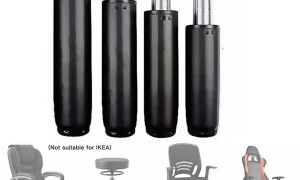
One common mistake users make is assuming all caster stems are universal. While most office chairs use a standard 11mm diameter stem, some brands, such as IKEA, use a proprietary 10mm stem size. Always measure your existing stem or check your chair manufacturer’s specifications before purchasing replacement wheels to avoid compatibility issues.
Another tip involves maintenance. Even though rollerblade wheels are designed to be low-maintenance, they can still accumulate dust over several months. Once or twice a year, wipe the wheels with a damp cloth to remove grit. If you notice the chair feels sluggish, check for hair wrapped around the axle; usually, a simple pull or a quick trim with scissors will restore the wheel’s performance immediately.
Consider the weight capacity of your new wheels as well. If you have an ergonomic chair with a heavy-duty base or if you are a larger individual, ensure you select wheels rated for higher weight capacities. Most quality rollerblade-style casters are rated for over 300 pounds, making them suitable for almost any standard home office setup.
Read also: How to Hide Wires on an Electric Standing Desk That Moves Constantly
Frequently Asked Questions
Q: Will these wheels work on carpeted floors?
A: While these wheels are specifically designed for hard surfaces, they perform well on low-pile carpets. However, they may still require more effort to roll on thick, plush carpets compared to standard casters.
Q: Do these wheels add height to my chair?
A: Yes, most rollerblade-style casters are slightly larger than standard wheels. Expect your chair to sit about 0.5 to 1 inch higher than it did previously, which may require you to adjust your desk height or footrest accordingly.
Q: Are these wheels compatible with all office chairs?
A: They are compatible with 95 percent of office chairs on the market. The main exception is the IKEA brand, which uses a smaller stem diameter, so be sure to verify your chair’s stem size before finalizing your purchase.
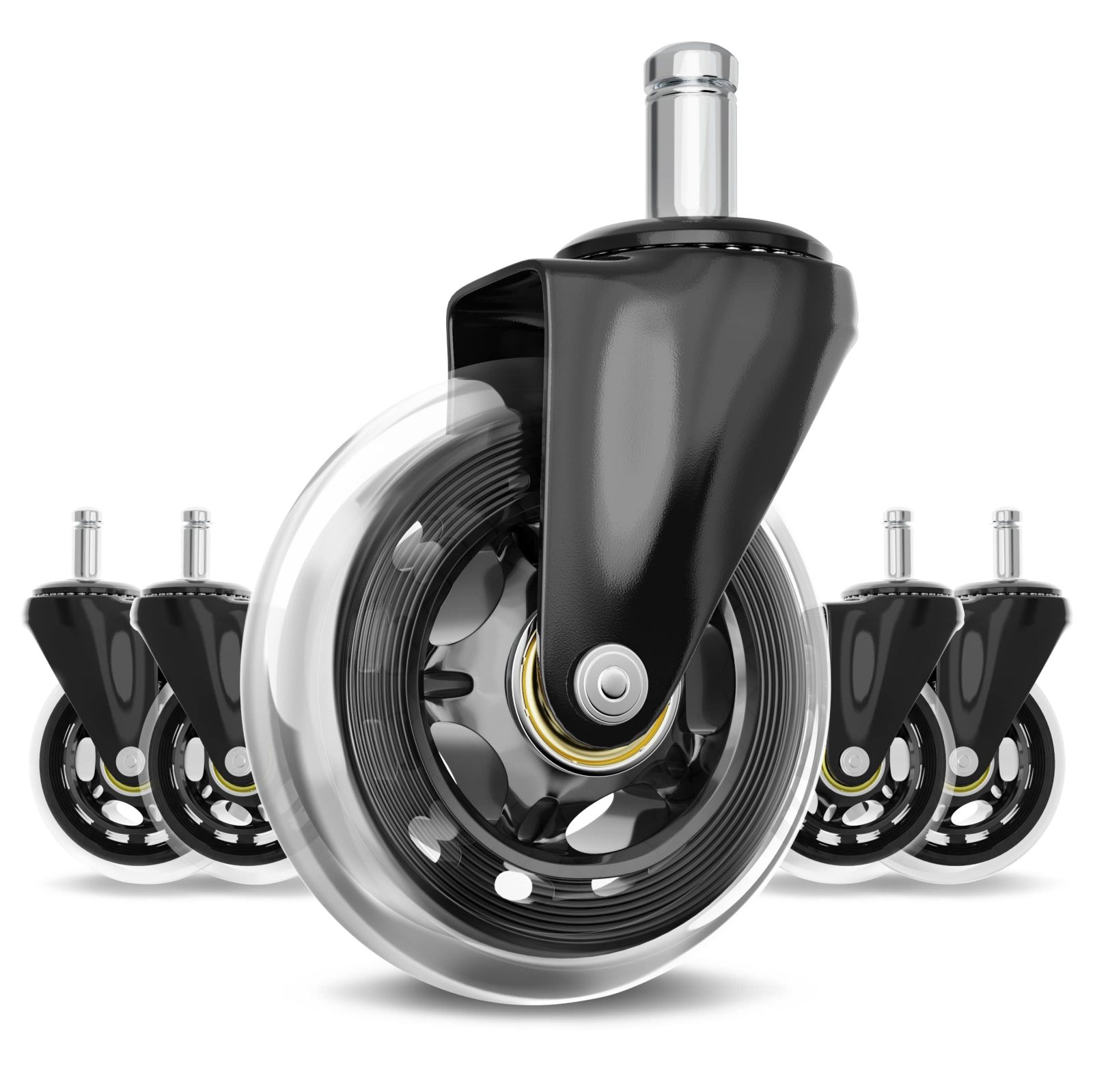
📷 Photo by desertcart.lk
By making the switch to rollerblade-style wheels, you are not just buying an accessory; you are investing in the longevity of your home office flooring. The combination of silent operation, floor protection, and superior gliding capability makes them an essential upgrade for anyone spending long hours at their desk.
📷 Photo by walmart.com