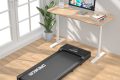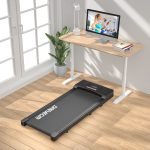



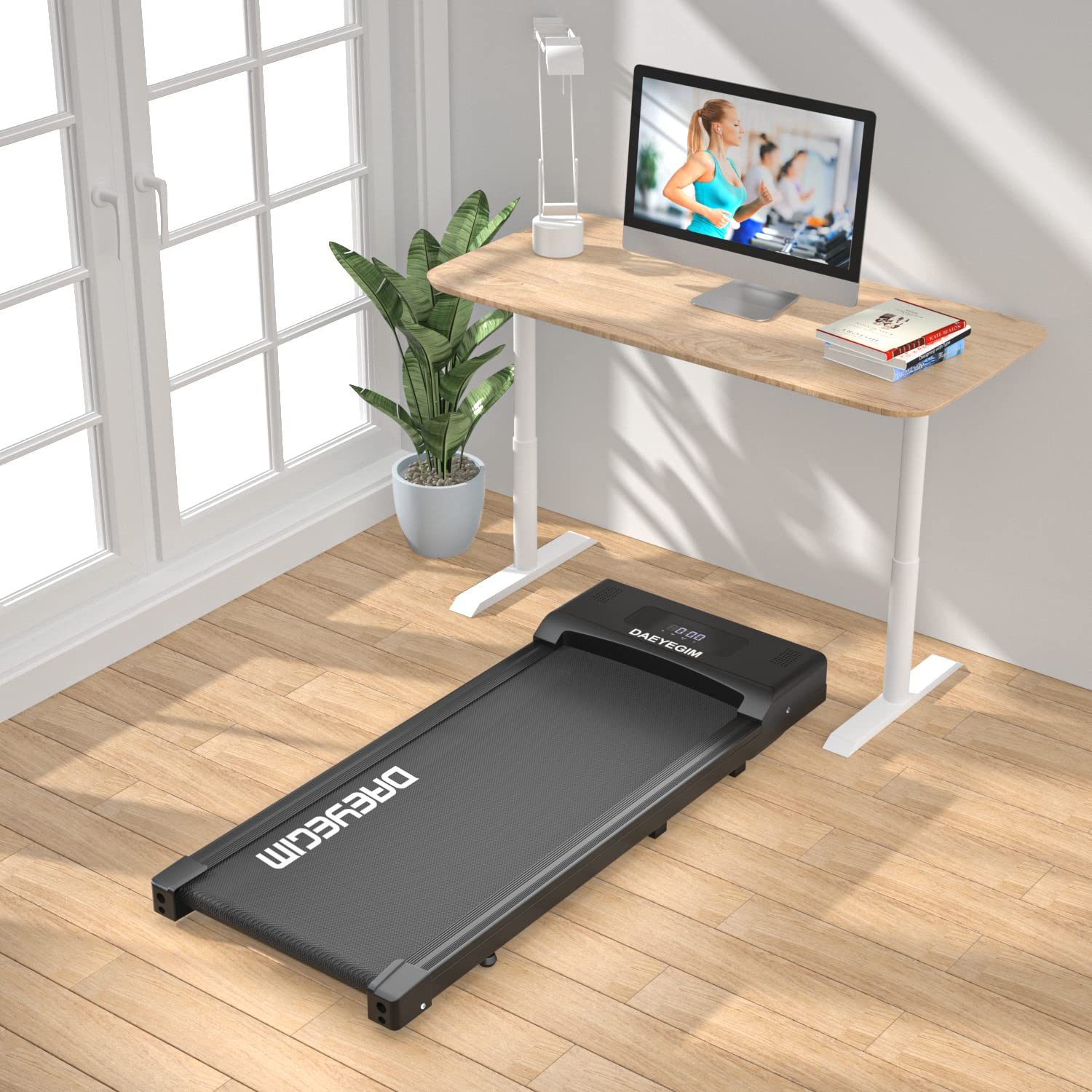
Aploda.com – Walking on an under desk treadmill can indeed cause plantar fasciitis if you increase your duration or intensity too rapidly without proper footwear or adequate recovery periods. The repetitive, non-varying nature of walking on a treadmill often places localized stress on the plantar fascia, leading to inflammation and heel pain.
Understanding the Mechanics of Under Desk Treadmills
Under desk treadmills are designed to keep you moving throughout the workday, but they operate differently than walking outdoors. When you walk on an office treadmill, you are typically walking at a slower, constant pace for extended periods. Unlike natural terrain, which changes under your feet and forces different muscle groups to engage, a treadmill provides a consistent, flat surface. This lack of variation means that the same tissues, specifically the plantar fascia, bear the brunt of the impact repeatedly without relief.
The plantar fascia is a thick band of tissue that connects your heel bone to your toes. When this tissue is overworked, micro-tears can occur. In an office setting, many users fail to account for the cumulative stress of standing or walking for several hours, assuming that because the intensity is low, the risk of injury is also low. This is a common misconception that often leads to chronic heel pain.
Common Causes of Treadmill-Induced Plantar Fasciitis
Several factors contribute to the development of this condition while using office equipment. First, the most significant risk factor is the sudden increase in volume. If you go from being sedentary for eight hours a day to walking four hours a day on a treadmill, your feet are not conditioned for that load. Second, the footwear used at work is often inappropriate for walking. Many people wear dress shoes, loafers, or thin-soled flat shoes that lack arch support and cushioning, which exacerbates the stress on the heel.
Third, posture plays a hidden role. When you are focused on typing or attending a meeting, your gait may change. You might shuffle your feet or lean heavily on one side, which puts uneven pressure on the bottom of the foot. Finally, the surface of many under desk treadmills is firmer than a high-quality outdoor running shoe on grass, providing less shock absorption for the heel strike.
Risk Factors and Warning Signs
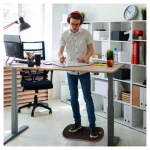
Read also: Balance Board Under Desk Footrest: Dual-Purpose Sitting and Standing Tool
Recognizing the early signs of plantar fasciitis is crucial for prevention. The most common symptom is a sharp, stabbing pain in the heel, particularly during the first few steps in the morning or after sitting for a long time. If you notice swelling or tenderness along the bottom of the foot during your workday, it is a clear signal that your body is struggling to adapt to the treadmill routine.
Comparison of Risk Factors
| Factor | High Risk Behavior | Low Risk Behavior |
|---|---|---|
| Footwear | Dress shoes or flat thin soles | Supportive athletic sneakers |
| Progression | Jumping to 4+ hours per day | Gradual increase of 15-30 min per week |
| Surface | Direct concrete floor under unit | Using a shock-absorbing mat |
| Gait | Constant, static, shuffling | Varying speed and taking breaks |
Practical Steps to Prevent Heel Pain
If you enjoy the health benefits of an under desk treadmill, you do not necessarily have to stop using it. Instead, you must implement a structured approach to protect your feet. Follow these steps to minimize your risk of developing plantar fasciitis while working.
- Invest in Proper Footwear: Never use your treadmill in dress shoes. Keep a pair of high-quality running or walking shoes with excellent arch support at your desk.
- Implement a Gradual Progression: Start by using the treadmill for only 15 to 20 minutes at a time. Increase your usage by no more than 10 percent each week to allow your tendons and fascia to adapt to the workload.
- Incorporate Standing Breaks: The goal is movement, not constant walking. Use the treadmill for 30 minutes, then switch to a standing position or sit down for 30 minutes to offload the pressure on your heels.
- Perform Stretches Mid-Day: Take two minutes every hour to stretch your calves and your feet. A tight calf muscle is a primary contributor to plantar fasciitis; keep them loose to reduce tension on your heel.
- Use an Anti-Fatigue Mat: Place a cushioned anti-fatigue mat on top of the treadmill belt if the manufacturer allows, or ensure your flooring is not excessively rigid to help absorb some of the kinetic impact.
The Role of Recovery and Maintenance
Recovery is just as important as the walking itself. If you feel soreness in your feet, do not push through the pain. Use a frozen water bottle to roll your foot over for 10 minutes at the end of the day; the combination of cold therapy and massage can help reduce inflammation before it becomes chronic. Additionally, ensure you are not slouching or leaning on your desk, as this shifts your center of gravity and can create abnormal pressure points on your feet.
Frequently Asked Questions
Q: Can I use my under desk treadmill barefoot to strengthen my feet?
A: It is generally not recommended. Walking barefoot on a hard, repetitive surface like a treadmill significantly increases the risk of plantar fasciitis and other foot strains because it lacks the necessary shock absorption and arch support.
Q: How long should I wait before seeking medical advice for heel pain?
A: If the pain persists for more than two weeks despite resting and using proper footwear, or if the pain is severe enough to cause you to limp, you should consult a podiatrist or physical therapist to prevent long-term damage.
Q: Does the speed of the treadmill affect the risk of injury?
A: Yes, very slow, shuffling speeds can sometimes lead to poor gait mechanics. It is often safer to walk at a natural, brisk pace that encourages a proper heel-to-toe roll rather than a slow, dragging gait that keeps the foot in a strained position.
Final Considerations
The transition to an active workstation is a positive health decision, but it requires mindfulness. Your feet are the foundation of your body, and treating them as an afterthought in your office setup is a recipe for injury. By choosing supportive footwear, pacing your usage, and listening to your body when it signals fatigue, you can enjoy the productivity and metabolic benefits of an under desk treadmill without suffering the consequences of plantar fasciitis.
📷 Photo by snapklik.com