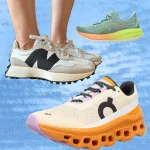


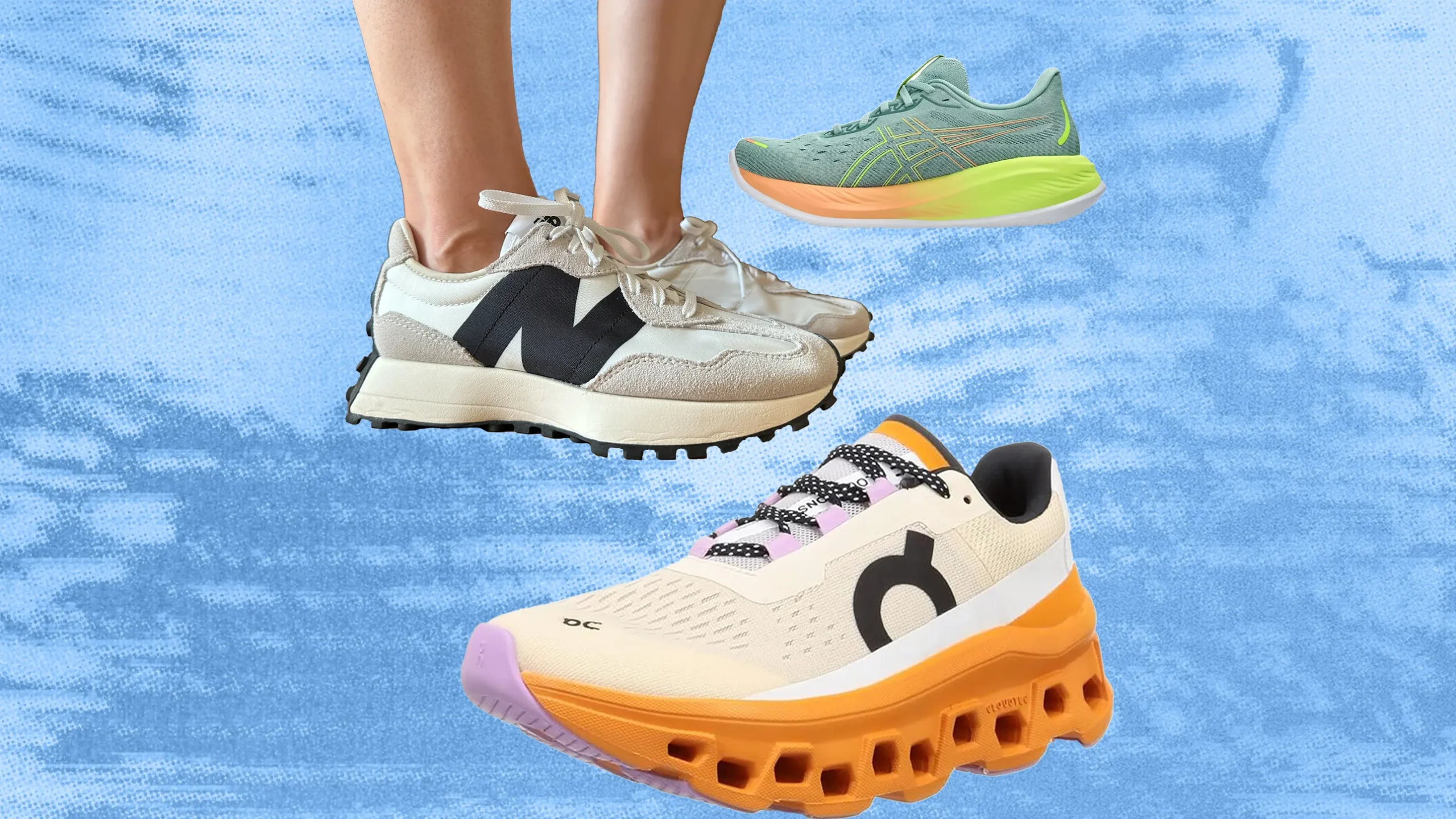
Aploda.com – The best shoes for walking on an under-desk treadmill all day are lightweight, neutral running or walking sneakers with high-density foam cushioning, a breathable mesh upper, and a flat, stable outsole to support your gait during long-duration, low-impact movement.
Walking while working has revolutionized the sedentary office lifestyle, but it introduces a specific set of physical requirements for your footwear. Unlike walking outside where terrain varies, treadmill walking involves a repetitive, high-frequency impact on a synthetic belt. If you wear the wrong shoes, you risk developing plantar fasciitis, shin splints, or lower back strain. The ideal shoe must balance comfort with structural integrity to keep you productive and pain-free.
Key Features to Prioritize
When selecting your dedicated “desk walking” shoes, do not simply grab your old gym trainers. You need a shoe that prioritizes arch support and heel stability. The repetitive nature of walking on a treadmill means that even minor alignment issues in your feet can be magnified over an eight-hour shift. Look for a moderate heel-to-toe drop, which helps distribute pressure away from the heel and onto the midfoot, reducing the likelihood of soreness during prolonged sessions.
Breathability is another non-negotiable factor. Because you are walking for extended periods, your feet will naturally generate heat. A shoe with a synthetic mesh upper allows for maximum airflow, preventing the moisture buildup that leads to friction and blisters. Furthermore, avoid heavy, rugged outsoles designed for hiking or trail running; these are too stiff and can cause tripping or awkward foot placement on a moving treadmill belt.
Comparative Analysis of Shoe Types
| Shoe Category | Best For | Key Advantage |
|---|---|---|
| Neutral Walking Shoes | General daily use | Balanced cushioning and stability |
| Performance Running Shoes | Long-duration, fast walking | Advanced energy return foam |
| Athleisure Sneakers | Light, intermittent walking | Style and ease of slip-on |
| Orthopedic Support Shoes | Chronic foot/back pain | Superior arch and structural support |
Common Mistakes When Choosing Desk Treadmill Shoes
One of the most common errors is wearing shoes that are too “cushy” or plush. While walking on a cloud feels great for ten minutes, shoes with excessive, soft foam lack the stability needed for hours of walking. This leads to ankle instability and can actually increase the workload on your stabilizer muscles, leading to fatigue. You want “responsive” cushioning—foam that compresses but snaps back quickly—rather than “sinking” cushioning.
Another mistake is ignoring the size. Your feet tend to swell slightly after standing or walking for several hours. If you wear your usual size, you might find that your toes feel cramped by the end of the day. It is often wise to go up a half-size compared to your dress shoes to accommodate this natural swelling, ensuring your toes have enough room to splay naturally with every step.
Steps to Optimize Your Walking Setup
To ensure you get the most out of your under-desk treadmill without compromising your health, follow these steps to integrate your footwear and posture correctly:
- Assess your arch type by performing a “wet test” to see if you have high, medium, or flat arches, then select a shoe that matches that profile.
- Dedicate a specific pair of shoes exclusively for your desk treadmill to prevent dirt and debris from your outdoor commute from damaging the treadmill belt.
- Start with short 30-minute intervals during your first week to allow your feet to adjust to the constant movement before attempting full-day walking.
- Check your posture by ensuring your monitor is at eye level, which naturally encourages you to stand straight and strike the treadmill with your heel first, then roll through to your toes.
- Replace your walking shoes every 300 to 500 miles. Since you are tracking time on a desk treadmill, keep a simple log of your total hours to know when the cushioning has lost its integrity.
Managing Fatigue and Recovery
Even with the best shoes, walking for six to eight hours is a significant change for your body. Your lower legs, specifically the calves and the muscles surrounding the shins, are working harder than they would in a standard office chair. Incorporate stretching into your routine. Every time you take a break, perform a simple calf stretch by pushing against your desk or a wall to release the tension built up from the repetitive motion.
Listen to your body. If you feel sharp pain in your heels or arches, it is a sign that your shoes may no longer be providing adequate support or that you are overdoing the duration. Do not hesitate to swap back to a supportive office shoe for a few hours if you feel discomfort. The goal of an under-desk treadmill is to improve health, not to cause injury, so maintain a balance between movement and rest.
Frequently Asked Questions
Q: Should I wear running shoes or walking shoes for my treadmill desk?
A: Running shoes are generally superior for under-desk treadmills because they are engineered for forward-motion impact and offer more advanced cushioning technology than standard walking shoes, which are often designed for shorter, casual distances.
Q: Can I wear slip-on shoes while walking on a treadmill?
A: It is generally discouraged. You need a secure fit to prevent your foot from sliding inside the shoe, which causes blisters and instability. Laced shoes provide the necessary lockdown to keep your foot secure during long-duration walking.
Q: Do I need special socks to go with my walking shoes?
A: Yes, prioritize moisture-wicking synthetic or merino wool socks. Cotton socks trap moisture and heat, significantly increasing the risk of friction-related blisters during long hours of treadmill use.
Ultimately, the best shoe is one that you forget you are wearing. When you invest in high-quality footwear that provides the right balance of support and breathability, the treadmill becomes a seamless part of your workday rather than a distraction. By paying attention to the fit, the type of cushioning, and the structural support, you ensure that your path to a healthier workday is smooth, comfortable, and sustainable for the long term.
Read also: Ultra-Wide Keyboard Tray for Standing Desk Converters
📷 Photo by youth.mosman.nsw.gov.au