


Aploda.com – Choosing the right desktop material depends on balancing your budget, aesthetic preferences, and the level of maintenance you are willing to perform, with solid wood offering the highest longevity and prestige, while bamboo provides a sustainable mid-range option and laminate serves as the most cost-effective, scratch-resistant choice.
Understanding Material Composition
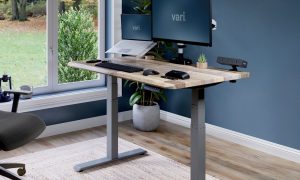
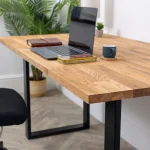
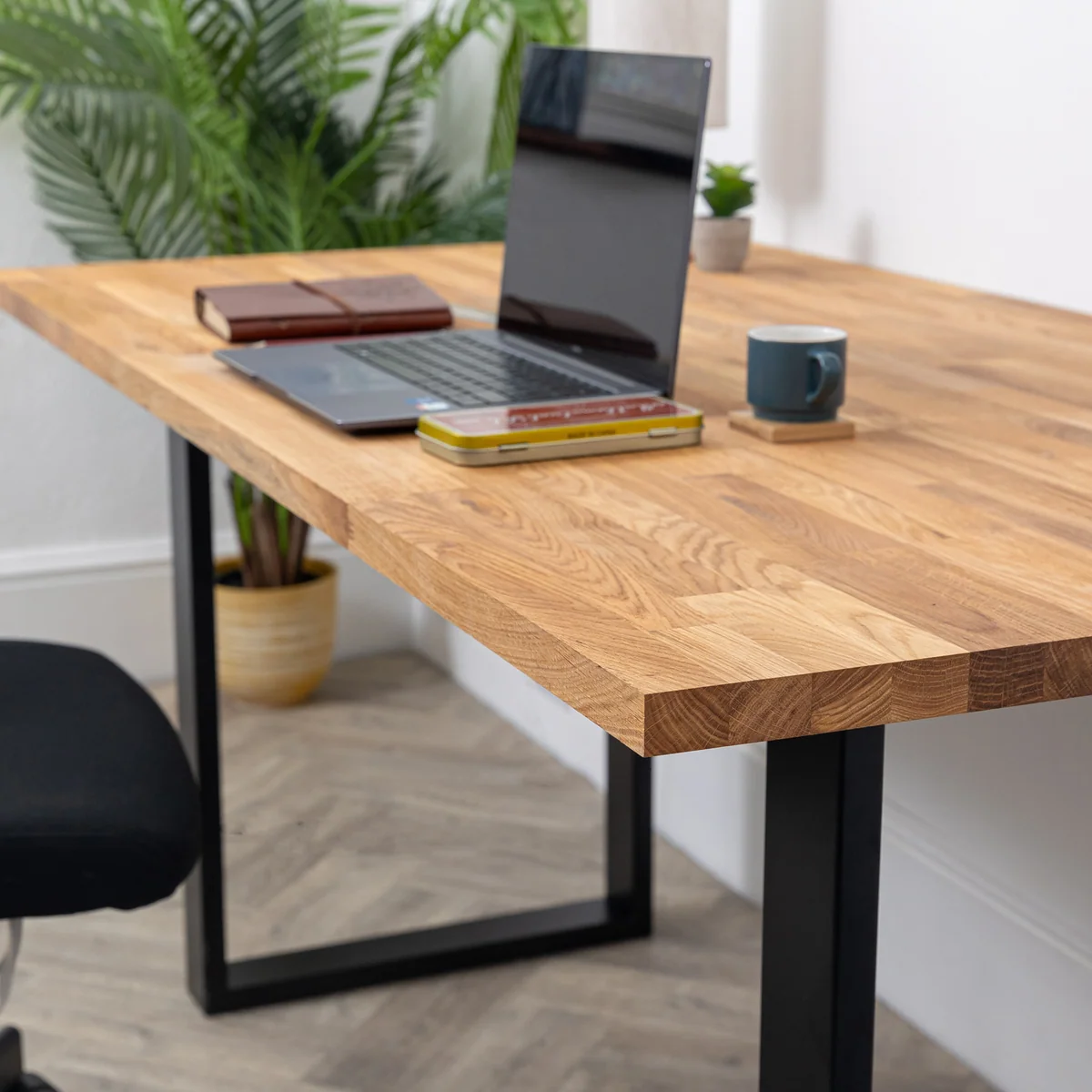
The primary difference between these three materials lies in their construction. Solid wood is a single, continuous piece of timber, often harvested from hardwoods like oak, walnut, or maple. It possesses a natural grain pattern that is unique to every single desk. Because it is organic, it is susceptible to humidity shifts, which can cause the wood to expand or contract over time.
Bamboo is technically a grass, not a wood, but it is processed into boards by slicing the stalks into strips, laminating them together, and pressing them under high heat. This construction method makes bamboo incredibly dense and stable. It is widely considered an eco-friendly alternative because bamboo grows much faster than traditional hardwood trees, allowing for rapid replenishment of resources.
Laminate desktops consist of a particleboard or medium-density fiberboard (MDF) core covered by a thin layer of resin-impregnated paper. This top layer is printed to mimic the look of wood, stone, or solid colors. While it lacks the tactile warmth of real wood, it is engineered for mass production, consistency, and extreme resistance to external wear and tear.
Durability and Maintenance Comparison
When evaluating durability, you must distinguish between structural longevity and surface resilience. Solid wood is the most durable in terms of repairability; if it gets scratched or dented, you can sand it down and refinish it, effectively resetting the desk to its original state. However, it requires periodic oiling or waxing to prevent the wood from drying out or cracking.
Bamboo is generally harder than many common hardwoods, making it resistant to dents from heavy monitors or equipment. Its main vulnerability is moisture. If the protective seal on a bamboo desk is compromised, the material can absorb water and warp. It requires similar care to solid wood but is often less forgiving if a deep gouge occurs, as the lamination layers can sometimes splinter.
Laminate is the king of surface durability. It is non-porous, meaning it is immune to liquid spills, stains, and heat marks that would ruin a wood finish. It does not require oiling or polishing. The downside is that once the laminate surface is chipped or cracked, it is nearly impossible to repair aesthetically. You are essentially stuck with the damage, making it a “disposable” long-term option compared to the heirloom quality of solid wood.
| Feature | Solid Wood | Bamboo | Laminate |
|---|---|---|---|
| Durability | High (Repairable) | High (Dense) | Medium (Scratch-resistant) |
| Maintenance | High (Oiling needed) | Medium (Sealing needed) | Low (Wipe clean) |
| Moisture Resistance | Low | Medium | High |
| Repairability | Excellent | Fair | Poor |
| Cost | Expensive | Moderate | Budget-friendly |
Practical Steps for Maintaining Your Desktop
Regardless of the material you choose, following a consistent maintenance routine will extend the life of your workspace significantly. Here is how to keep your desktop in top condition:
- Assess your environment: If you live in a highly humid or dry climate, use a humidifier or dehumidifier to keep the room stable, as extreme fluctuations are the primary enemy of solid wood and bamboo.
- Implement a spill-prevention policy: Always use coasters for drinks. Even on laminate, acidic liquids like coffee or soda can eventually eat through the resin finish if left for long periods.
- Clean with the right tools: For wood and bamboo, use a slightly damp microfiber cloth. Avoid harsh chemical cleaners or bleach, which can strip the protective varnish. For laminate, a mild soap solution is sufficient.
- Monitor for wear: Every six months, inspect the edges and corners. If you notice the protective finish fading on wood or bamboo, apply a fresh coat of furniture oil or wax to maintain the moisture barrier.
Common Mistakes and Risks
One of the most frequent errors users make is overloading a laminate desk. Because the core is made of particleboard, it lacks the structural integrity of solid wood. If you use a heavy monitor arm, ensure it is clamped correctly, or better yet, use a backing plate to distribute the pressure. Without this, the clamp can crush the particleboard core, leading to a permanent dent or a complete structural failure of the edge.
Another mistake is assuming that “waterproof” means “indestructible.” While laminate resists water on the surface, the edges are often sealed with PVC tape. If water seeps into the seams between the edge tape and the board, the inner core will swell, causing the laminate to bubble and peel. Always wipe up spills immediately, focusing specifically on the joints and edges.
Finally, avoid placing hot items directly on any of these surfaces. While some laminates are heat-resistant, they are not heat-proof. High heat can cause the adhesive underneath the laminate to fail, resulting in bubbling or peeling. Using a desk mat is a simple, low-cost solution that protects all three material types from heat, scratches, and daily friction.
Frequently Asked Questions
Q: Which material is best for a home office with pets?
A: Laminate is the best choice for pet owners because it is highly resistant to scratches from claws and is much easier to sanitize if accidents occur, whereas wood and bamboo are porous and can absorb odors.
Q: Can I use a heavy monitor arm on all three materials?
A: You can, but you must be careful with laminate and bamboo; use a steel reinforcement plate under the desk to distribute the weight and prevent the clamp from crushing the core material.
Q: Is bamboo really more sustainable than solid wood?
A: Yes, bamboo is a grass that reaches maturity in 3 to 5 years, whereas hardwoods can take 40 to 80 years to grow, making bamboo a significantly faster renewable resource.
Final Verdict
Choosing the right desktop is a matter of prioritizing your needs. If you want a desk that lasts a lifetime and can be refinished, invest in solid wood. If you prioritize environmental impact and a hard, durable surface, bamboo is the perfect middle ground. If you are on a budget and need a surface that will withstand heavy daily use without requiring any maintenance, laminate is the most practical solution for your office.
Read also: Best Under Desk Treadmill with Incline for Better Posture
📷 Photo by domli.co.uk