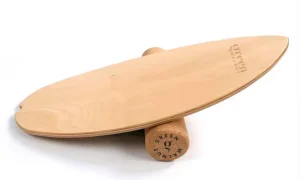
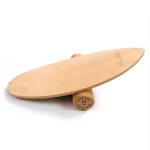


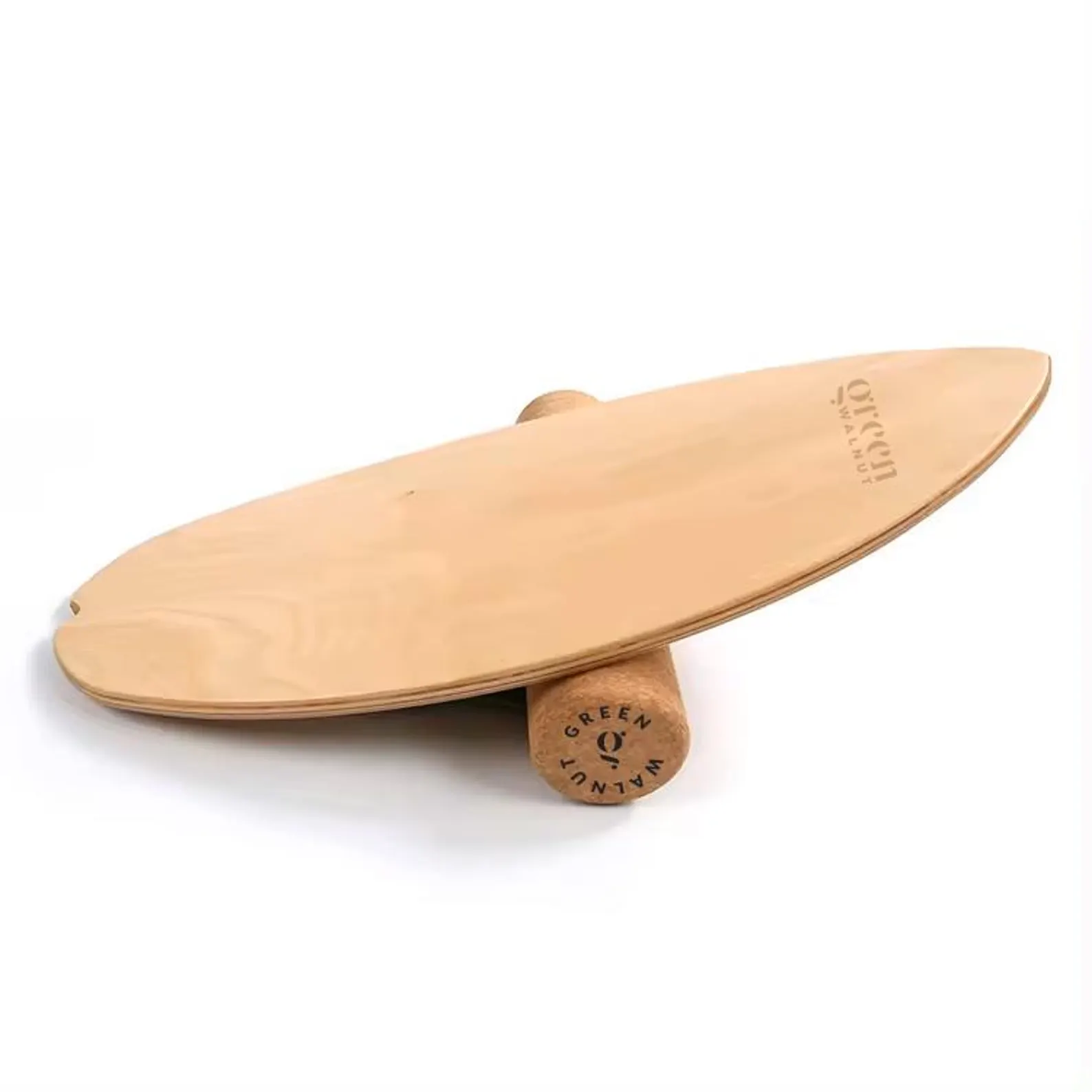
Aploda.com – Standing on a balance board with bare feet enhances proprioception and muscle engagement through direct surface feedback, whereas wearing tennis shoes provides arch support, cushioning, and stability for longer, less intense work sessions.
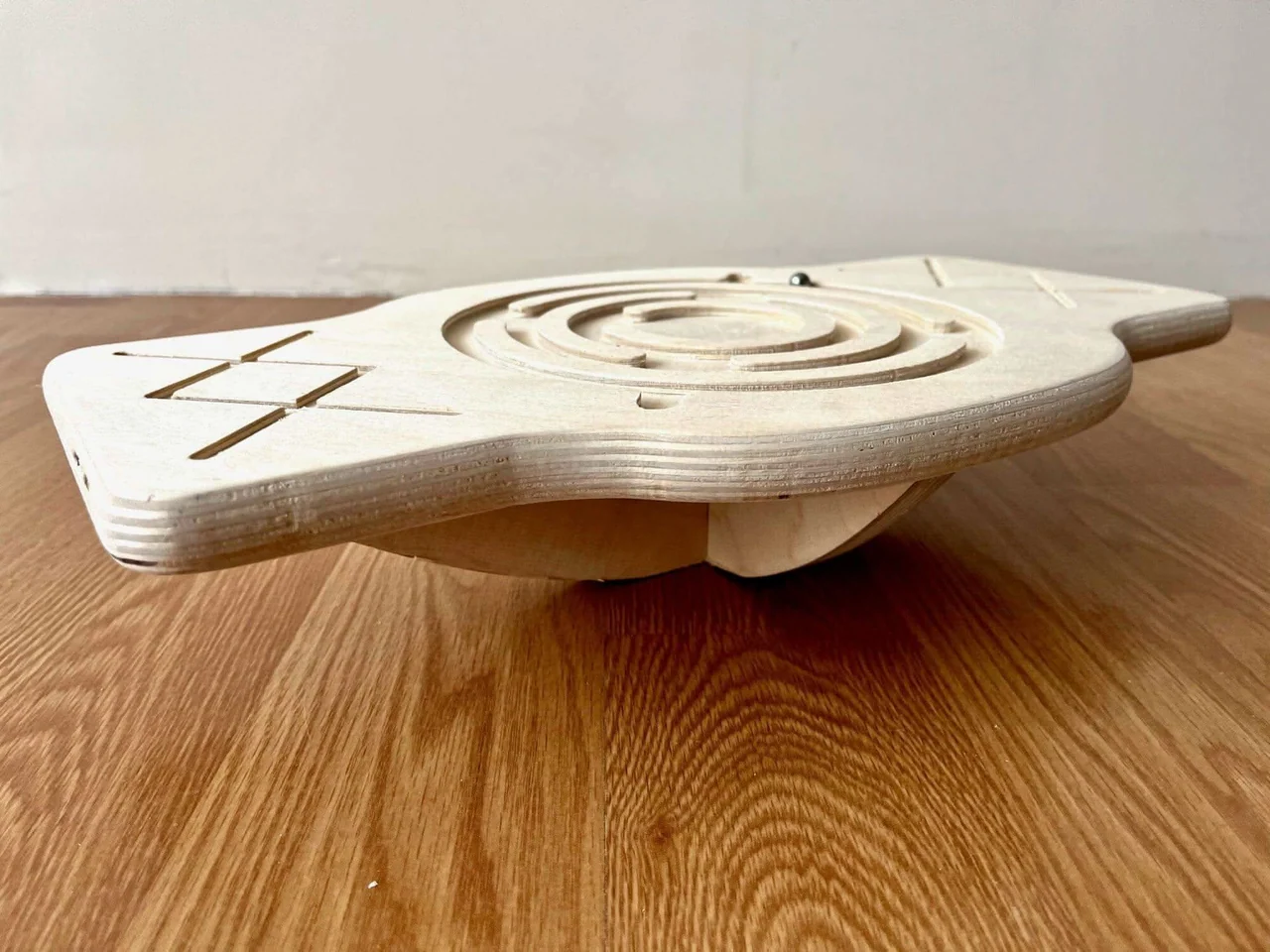
📷 Photo by kidodido.com
Choosing between bare feet and tennis shoes while using a balance board is a common dilemma for office workers aiming to improve their posture and health. The decision rests on your specific goals: are you looking for deep muscle activation, or are you trying to mitigate joint fatigue during an eight-hour shift? Understanding the biomechanical differences between these two approaches is essential for building a sustainable standing desk habit.
The Case for Bare Feet: Sensory Feedback and Stability
When you stand barefoot on a balance board, you remove the artificial buffer between your feet and the deck. This allows your nervous system to receive direct tactile feedback from the surface, which is crucial for developing better balance and core strength. By feeling the texture and tilt of the board, your brain can make micro-adjustments in your ankles, calves, and hips more efficiently.
Barefoot training on a balance board is essentially a form of functional corrective exercise. It forces the intrinsic muscles of the feet to work harder, which can help strengthen the arches over time. However, this high level of engagement is physically demanding. You cannot typically stand barefoot on a balance board for four hours straight without experiencing significant muscle fatigue, which is why it is often recommended for shorter, intentional bouts of movement.
The Role of Tennis Shoes: Support and Longevity
Tennis shoes, or athletic sneakers, are designed to provide structured support. They feature cushioned midsoles and rigid heel counters that help align the foot and distribute pressure away from sensitive joints. For someone new to standing desks, the transition from sitting to standing can be harsh on the plantar fascia and the Achilles tendon.
Wearing shoes while using a balance board dampens the sensory input, but it also reduces the shock on your feet. If your office floor is made of hard concrete or thin carpet, the added cushioning of a tennis shoe is often necessary to prevent lower back pain. Shoes also provide a better grip on the board’s surface, which can be safer if you are prone to slipping or if your balance board has a slicker finish.
Comparative Analysis: Bare Feet vs. Tennis Shoes
| Feature | Bare Feet | Tennis Shoes |
|---|---|---|
| Muscle Engagement | High (Intrinsic foot muscles) | Moderate (External support) |
| Proprioception | Maximum | Low |
| Joint Cushioning | None | High |
| Recommended Duration | 15–30 minutes | 60+ minutes |
| Best For | Strength and posture correction | Long work sessions |
Common Mistakes When Using a Balance Board
One of the most frequent errors users make is attempting to use a balance board for the entire workday. Whether you are wearing shoes or going barefoot, your body needs a transition period. Starting with two hours of continuous balancing can lead to foot cramps or overuse injuries. It is better to use the board in thirty-minute intervals, alternating with a standard flat anti-fatigue mat.
Another mistake is poor posture. Regardless of footwear, you must ensure your core remains engaged and your knees are slightly soft. Locking your knees while balancing on a board puts excessive pressure on the joint, which can lead to inflammation. Focus on keeping your weight evenly distributed across the ball and the heel of your foot, even when the board is tilting.
Steps to Safely Incorporate a Balance Board
Follow these steps to transition safely into using a balance board at your standing desk:
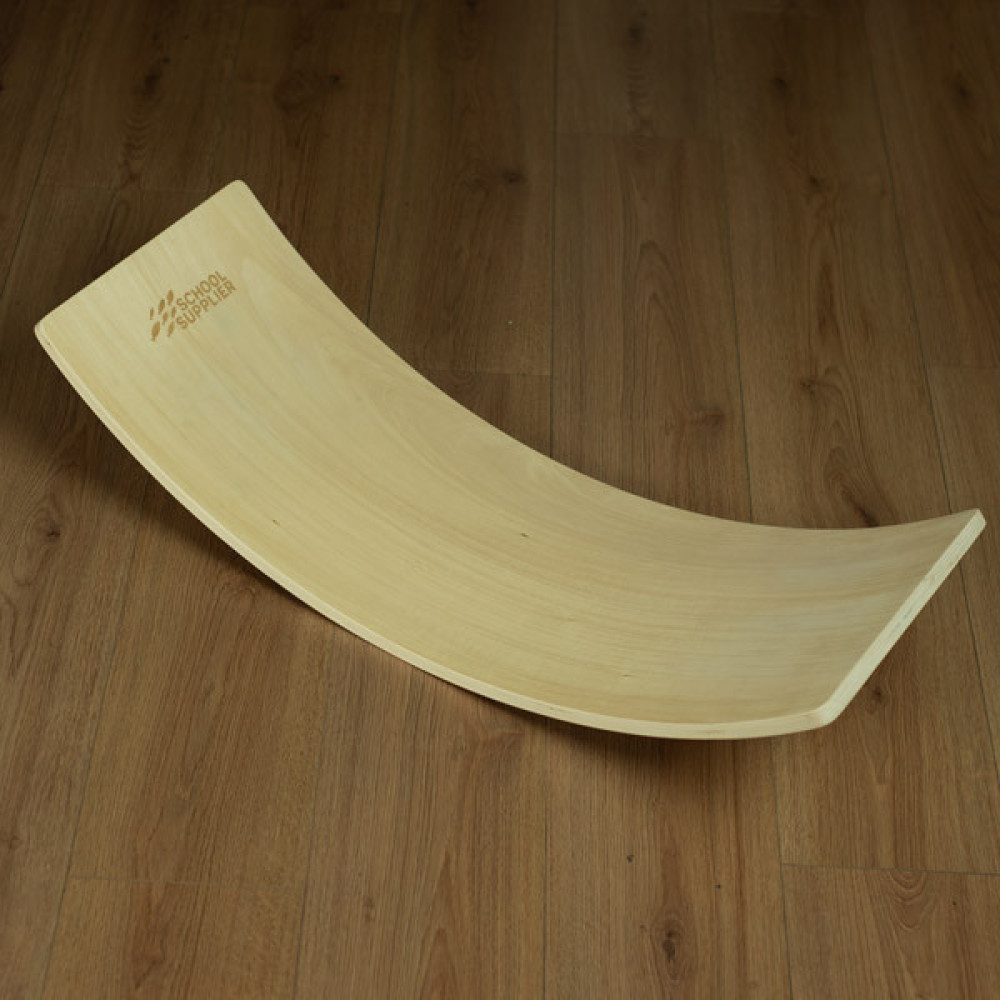
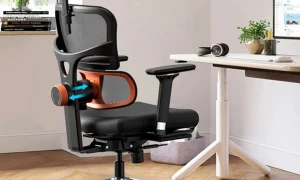
📷 Photo by shop.schoolsupplier.co.uk
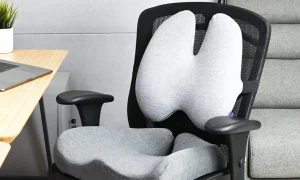
Read also: Lumbar Support Pillow vs Built-In Lumbar Adjustment in Office Chairs
- Start on a flat surface without the board for the first week to ensure your standing desk height is ergonomically correct.
- Introduce the balance board for 10-minute sessions while wearing supportive tennis shoes to get used to the instability.
- Once comfortable, attempt 5-minute sessions barefoot to build foot strength, ensuring you are on a non-slip surface.
- Gradually increase the duration of barefoot sessions by 2–3 minutes each day, stopping immediately if you feel sharp pain in the arch or heel.
- Always keep a pair of comfortable shoes nearby to switch back to if you notice your form breaking down or your legs shaking excessively.
Risk Factors and Considerations
If you have a history of plantar fasciitis, flat feet, or ankle instability, you should proceed with caution. Barefoot training can aggravate existing conditions if the muscles are not conditioned to handle the load. In these cases, it is often best to consult with a physical therapist before ditching your shoes entirely. You might find that a supportive shoe with an orthotic insert provides the best middle ground, offering the stability of a shoe with the arch support your specific foot structure requires.
Furthermore, the material of the balance board plays a role. Boards with grip tape are abrasive and can be uncomfortable for bare feet, while wooden or plastic boards with smooth surfaces are much more forgiving. If your board has aggressive grip tape, you might find that you prefer wearing socks or thin athletic shoes to avoid skin irritation.
Frequently Asked Questions
Q: Can I use socks instead of going completely barefoot?
A: Socks can be dangerous on many balance boards because they reduce friction and increase the risk of slipping. If you want to go without shoes, it is safer to be completely barefoot to maximize your grip on the board’s surface.
Q: How do I know if I am overdoing it?
A: Signs of overexertion include trembling legs that you cannot control, sharp pain in the heel or arch, or a noticeable slouch in your posture. If you experience these, switch back to a standard flat surface immediately.
Q: Does the type of tennis shoe matter?
A: Yes, avoid shoes with high, thick heels or unstable soles. A low-profile, flat-soled athletic shoe, such as a cross-trainer or a minimalist sneaker, provides the best balance of support and stability for board use.
Ultimately, the choice between barefoot and shoes is not binary. The most effective strategy for a healthy office environment is likely a hybrid approach. Use your shoes for the majority of your tasks to protect your joints, and dedicate specific blocks of time to barefoot balancing to keep your feet strong and your posture sharp. Listen to your body, and never push through sharp pain, regardless of what you have on your feet.
📷 Photo by etsy.com