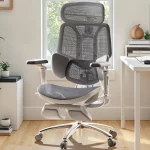
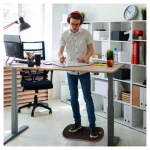



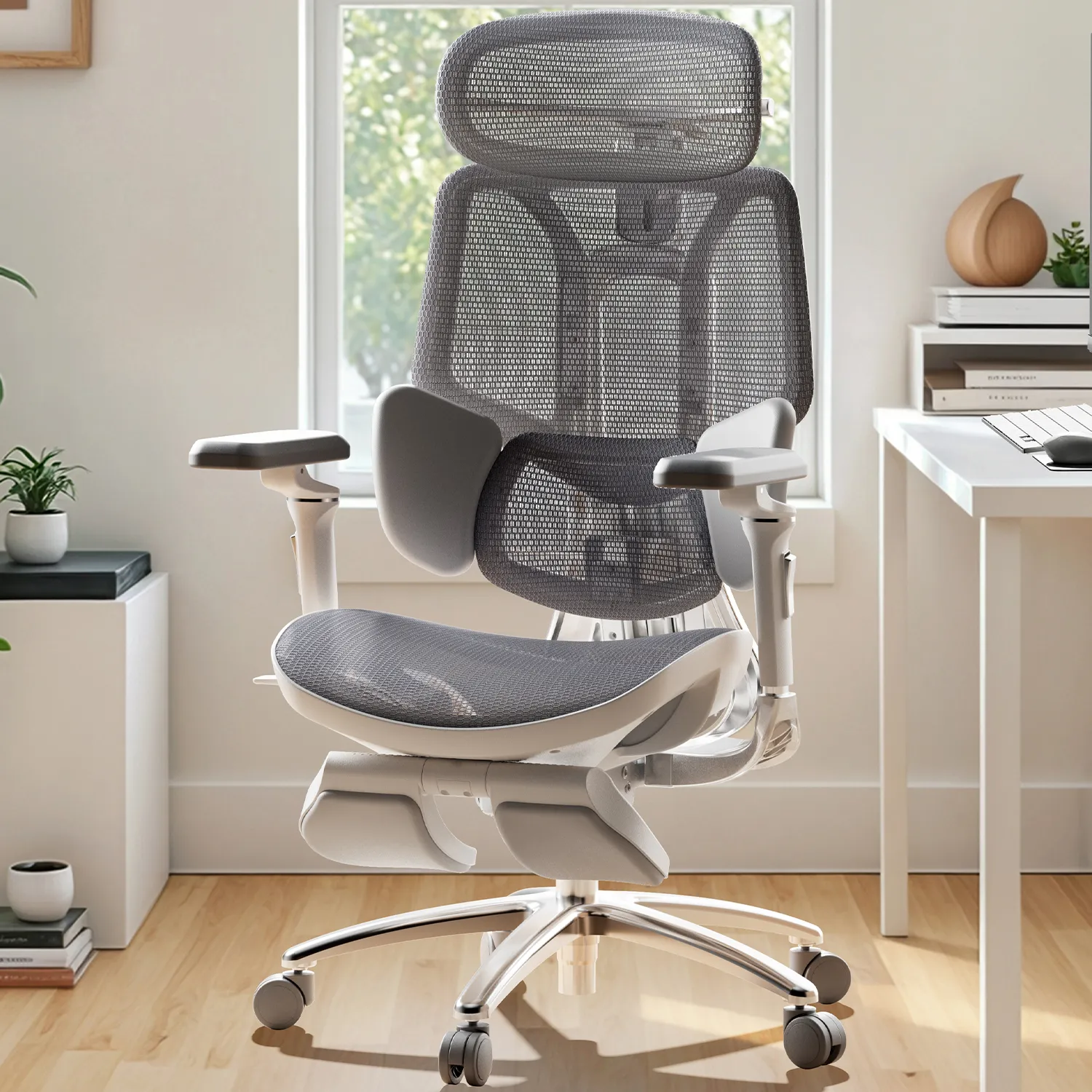
Aploda.com – An adjustable seat angle allows for dynamic posture changes that reduce lumbar pressure, whereas a fixed base provides a consistent, stable foundation that prevents slouching by locking the user into a neutral position.
Choosing the right office chair is a critical decision for anyone spending long hours at a desk. The debate between adjustable seat angle mechanisms and fixed base chairs often centers on personal work habits and physical health requirements. While both designs aim to provide support, they serve different physiological needs throughout the workday.
The Mechanics of Adjustable Seat Angles
Chairs with adjustable seat angles, often referred to as forward tilt or seat pan angle adjustment, are engineered to mimic the natural movement of the human pelvis. When you sit for extended periods, your hip flexors can tighten, pulling your pelvis into a posterior tilt, which leads to a rounded spine. An adjustable seat allows you to tilt the pan forward, opening the hip angle and encouraging the spine to maintain its natural S-curve.
This feature is particularly beneficial for users who perform tasks requiring intense focus at a desk, such as typing or drawing. By shifting the seat angle, you distribute body weight more evenly across your thighs and feet. This reduces the pressure on the underside of your thighs, which is a common site for circulation restriction and nerve compression.
The Stability of Fixed Base Chairs
A fixed base chair, characterized by a static seat pan that does not tilt independently of the backrest, offers a predictable seating experience. These chairs are often favored for their simplicity and durability. Because the seat remains in a locked position, the user is consistently supported in a neutral posture without the need for constant mechanical adjustments.
Fixed base chairs are often ideal for environments where multiple users share the same equipment. The lack of complex moving parts means there are fewer points of failure, making them a cost-effective and low-maintenance choice. However, the limitation of a fixed base is that it forces the user to adapt their body to the chair rather than allowing the chair to adapt to the user’s specific anatomical needs.
Comparative Analysis of Seating Mechanisms
| Feature | Adjustable Seat Angle | Fixed Base Chair |
|---|---|---|
| Postural Support | Dynamic; promotes active sitting | Static; promotes neutral alignment |
| Ease of Use | Requires adjustment knowledge | Plug-and-play simplicity |
| Circulation | Improves blood flow via hip opening | Standard; may cause pressure points |
| Complexity | High (more moving parts) | Low (sturdy construction) |
| Best For | Long hours of intensive desk work | General office use and shared desks |
Common Pitfalls and Practical Tips
One of the most common mistakes users make with adjustable seat angles is over-adjusting. If the angle is too steep, you may feel like you are sliding out of the chair, which forces your feet to grip the floor excessively and creates tension in your legs. The goal is a subtle tilt—usually between 3 to 5 degrees—that feels natural rather than forced.
When using a fixed base chair, the risk is often related to the height and depth of the seat rather than the angle. If your fixed base chair does not allow for seat depth adjustment, you might find that the edge of the seat digs into the back of your knees. Always ensure there is at least a two-finger gap between the edge of the seat and your popliteal space to maintain proper circulation.
How to Properly Adjust Your Seat for Ergonomic Efficiency
- Start by adjusting your seat height so that your feet rest flat on the floor and your knees are at a 90-degree angle.
- If you have an adjustable seat angle, unlock the mechanism and gently tilt the pan forward until you feel your pelvis rotate into a neutral position.
- Ensure your lower back is firmly pressed against the lumbar support of the chair backrest.
- Check the pressure behind your knees; if you feel constriction, adjust the seat depth or the tilt angle slightly until the pressure is relieved.
- Fine-tune the tension of the tilt mechanism so that it provides enough resistance to support your weight without feeling rigid.
Physical Indicators You Need a Change
Your body often provides warning signs when your current seating arrangement is insufficient. Persistent lower back pain, tightness in the hips, or a sensation of “pins and needles” in the legs are clear indicators that your current chair is not supporting your anatomy correctly. If you experience these symptoms, an adjustable seat angle chair may be necessary to facilitate better pelvic alignment and blood flow.
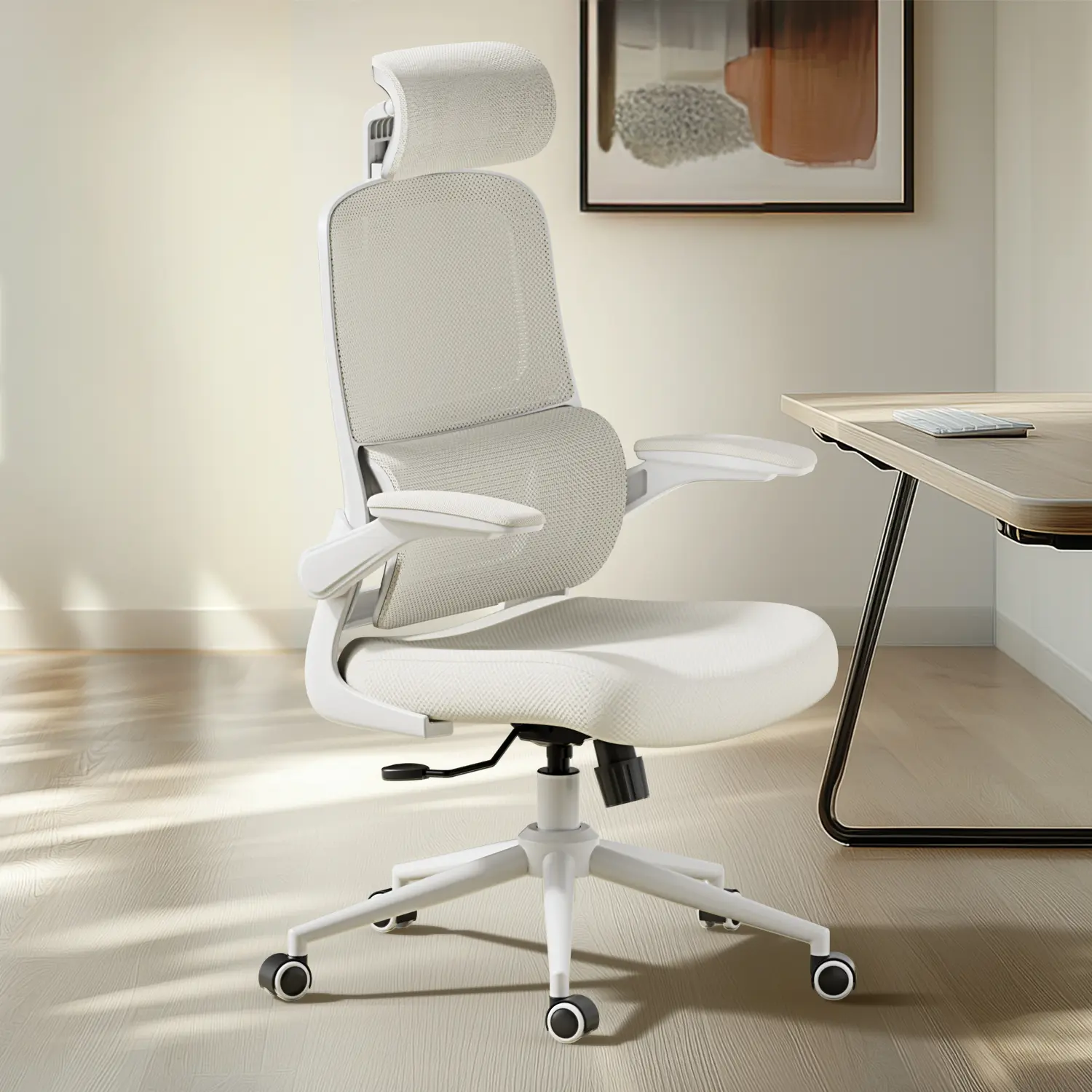
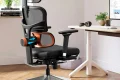
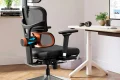
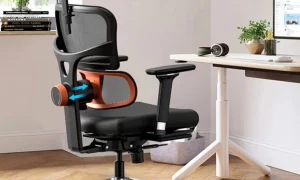
📷 Photo by hbada.com
Conversely, if you find yourself constantly fiddling with your chair levers without ever feeling comfortable, a fixed base chair might actually be better for you. Some users find that the constant micro-movements of adjustable chairs are distracting, and they prefer the absolute stability of a fixed seat to maintain focus.
Frequently Asked Questions
Q: Is a forward-tilting seat necessary for everyone?
A: No, it is most beneficial for individuals who perform prolonged desk-based tasks or those who suffer from chronic lower back tension. If you move around frequently, a fixed base chair may be perfectly adequate.
Q: Can an adjustable seat angle cause poor posture?
A: Yes, if adjusted incorrectly. Excessive forward tilt can cause the user to slouch or slide forward, which negates the ergonomic benefits and places unnecessary strain on the shoulders and neck.
Q: Does a fixed base chair lack ergonomic value?
A: Not necessarily. A fixed base chair can be highly ergonomic if it is paired with appropriate seat height, armrest adjustment, and lumbar support that fits your body type perfectly.
Ultimately, the choice between these two designs depends on your specific physical requirements and your work environment. If you suffer from discomfort, prioritizing adjustability is usually the safer bet. If you value consistency and simplicity, a high-quality fixed base chair remains a standard for a reason.
Read also: Commercial Grade vs Residential Electric Standing Desk Frames
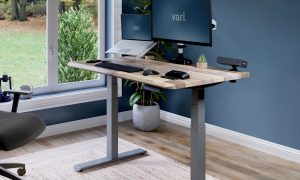
📷 Photo by hbada.uk