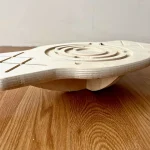


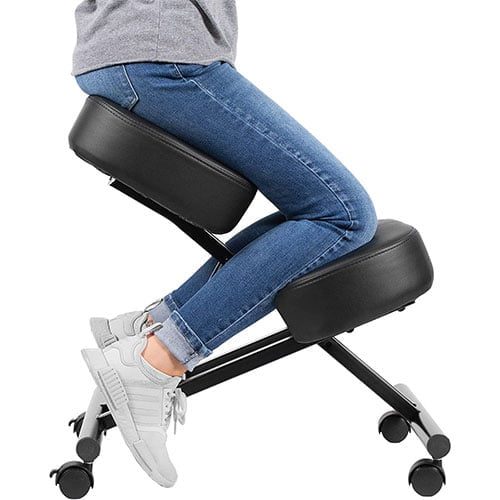
Aploda.com – An active sitting stool promotes constant micro-movements that engage the core muscles and improve posture, whereas a standard task chair provides static support that prioritizes long-term comfort and spinal stability during sedentary tasks.
The modern workplace has undergone a significant shift as researchers and ergonomists highlight the dangers of prolonged sitting. While the standard task chair has been the office staple for decades, the active sitting stool has emerged as a popular alternative for those looking to counteract the negative effects of a sedentary lifestyle. Understanding the biomechanical differences between these two options is essential for creating a workspace that supports both productivity and long-term musculoskeletal health.
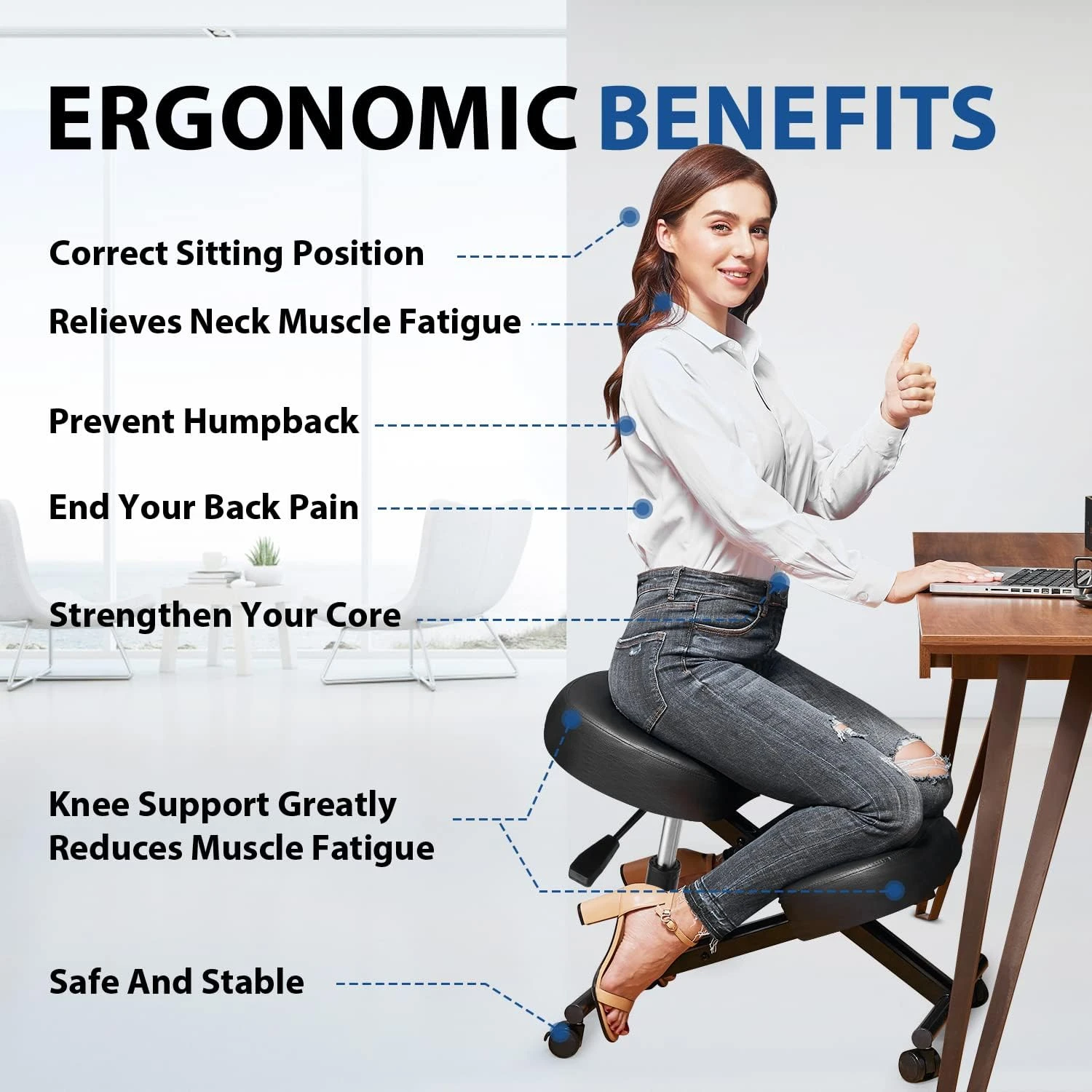
📷 Photo by seatingmind.com
The Mechanics of Active Sitting
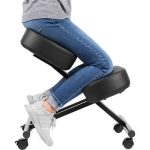
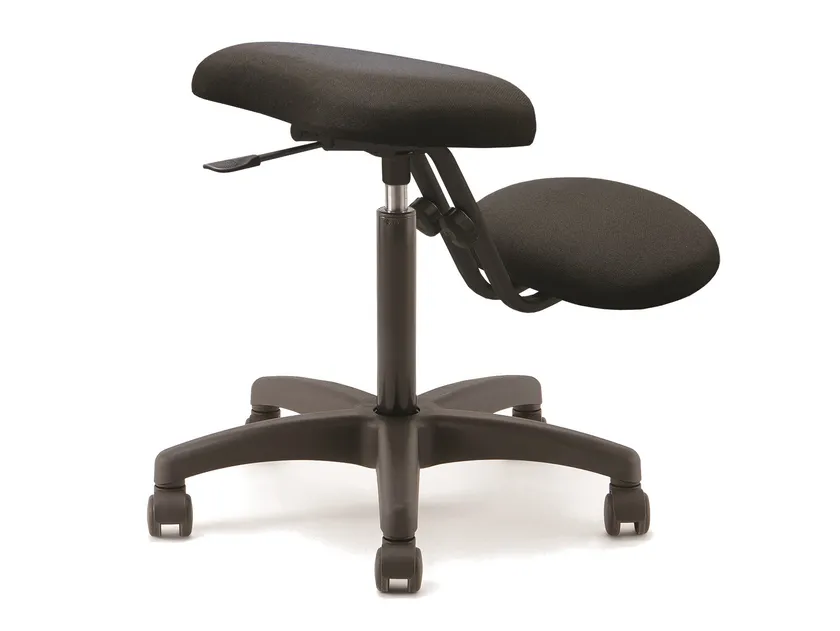
Active sitting refers to the practice of sitting in a way that requires the body to engage its stabilizing muscles to maintain balance. Stools designed for this purpose often feature a rounded or unstable base, or a mechanism that allows for multidirectional tilting. When you sit on a stool, your body cannot rely on a backrest or armrests to hold you upright. Consequently, your core—the group of muscles including the abdominals, obliques, and erector spinae—must activate to keep you centered.
This constant, low-level muscular engagement acts as a form of “fidgeting” that keeps the metabolism slightly elevated compared to traditional sitting. Many users report that this movement helps them stay more alert and focused, as the physical activity prevents the mental fog that often sets in during long hours of static posture.
The Role of the Standard Task Chair
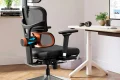
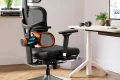
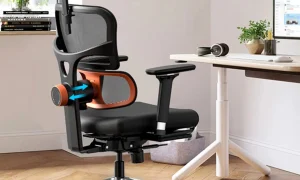
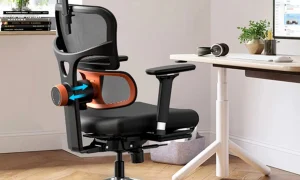
Conversely, a standard task chair is engineered to provide maximum support. High-quality chairs are designed with ergonomic features such as adjustable lumbar support, seat depth modification, and armrest height customization. The goal of these chairs is to offload the weight of the torso, reducing the strain on the spinal discs and the muscles of the lower back.
For individuals who suffer from chronic back pain or those who must remain seated for eight hours or more, a standard task chair is often the superior choice. The ability to recline and shift weight onto a backrest allows the muscles to rest, which is critical for preventing fatigue. However, the downside is that over time, the body may become “lazy,” leading to muscle atrophy or postural habits like slouching or forward head posture.
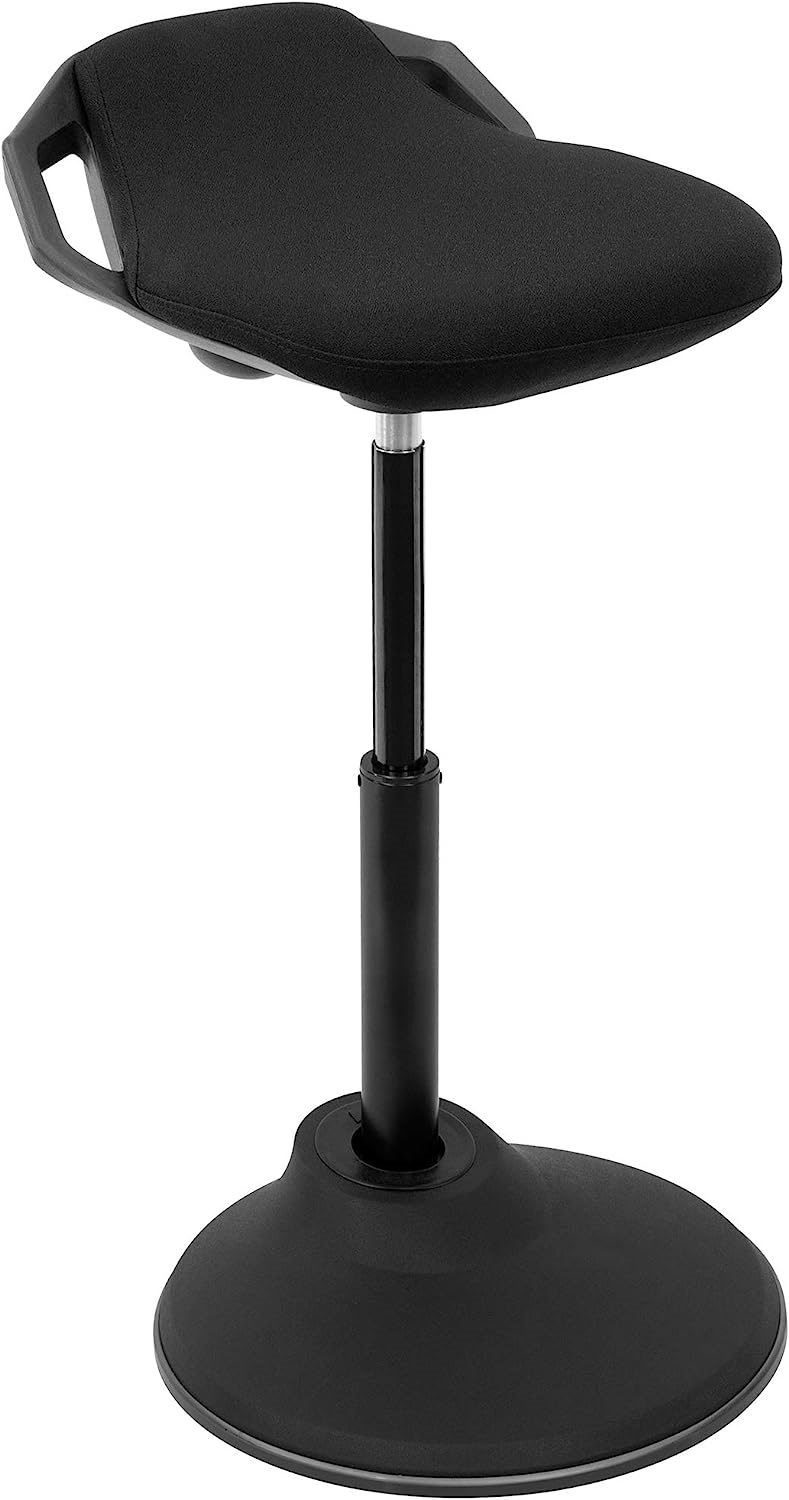
📷 Photo by sitbacklounge.com
Comparison of Ergonomic Benefits
| Feature | Active Sitting Stool | Standard Task Chair |
|---|---|---|
| Core Engagement | High (constant activation) | Low (passive support) |
| Posture Control | Self-regulated | Assisted by backrest |
| Ideal Duration | Short to medium intervals | Full-day support |
| Spinal Support | Dynamic | Static (lumbar focused) |
| Caloric Burn | Slightly elevated | Baseline |
Implementing Active Sitting Safely
Transitioning to an active stool should not be an overnight change. Because your core muscles may be unaccustomed to working while seated, jumping straight into a full day on a stool can lead to fatigue or even muscle strain. Follow these steps to integrate active sitting into your routine safely:
Read also: Child Lock and Safety Stop on Electric Standing Desk Controllers
📷 Photo by archiproducts.com
- Start with small intervals: Begin by using your active stool for only 30 to 60 minutes per day, preferably during tasks that require less intense concentration.
- Monitor your fatigue levels: If you notice yourself slouching or feeling significant discomfort, switch back to your standard chair immediately.
- Maintain proper height: Ensure your stool is adjusted so that your hips are slightly higher than your knees; this opens the hip angle and makes it easier to maintain a neutral spine.
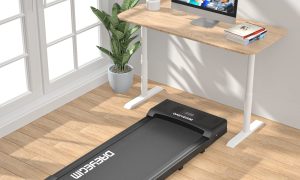
- Use a height-adjustable desk: Active sitting works best when your desk height can be adjusted to accommodate the different seat height of a stool compared to a chair.
- Listen to your body: If you experience sharp pain, discontinue use and consult an ergonomic specialist or physical therapist.
Common Mistakes and Risks
One of the most frequent mistakes users make is using an active stool without proper foot placement. When sitting on an unstable surface, your feet should be planted firmly on the floor to provide a stable foundation. Dangling feet or tucking them under the stool disrupts your center of gravity and can lead to hip strain.
Another risk is over-relying on the stool for too long. Even with “active” sitting, the human body is designed for movement, not for staying in any one position for hours. The best ergonomic setup often involves a hybrid approach. Many professionals find success by alternating between a standing desk, a standard task chair, and an active stool throughout the day to ensure that different muscle groups are engaged and rested at appropriate intervals.
The Verdict on Core Engagement
While an active stool is undeniably superior for core engagement and promoting micro-movements, it is not a replacement for exercise or a magic bullet for back health. It is a tool to be used in conjunction with a mindful approach to your workspace. If your goal is to reduce lethargy and improve postural awareness, an active stool is an excellent addition to your office. However, if you require intense focus on complex projects or have specific spinal conditions, the stability of a high-quality task chair remains the gold standard.
Q: Can an active stool completely replace my office chair?
A: For most people, no. While beneficial for short bursts of core activity, most users find that they require the back support of a standard chair for sustained, high-focus work sessions to prevent physical exhaustion.
Q: Will using an active stool help me lose weight?
A: While active sitting does burn slightly more calories than passive sitting due to muscular engagement, it is not a substitute for cardiovascular exercise or a healthy diet. The primary benefit is improved postural health and reduced sedentary fatigue.
Q: What should I look for when buying an active stool?
A: Look for a non-slip base, a seat with high-quality padding, and a wide range of height adjustability. Ensure the stool allows for a natural range of motion without feeling like it is going to tip over unexpectedly.
📷 Photo by ergonomicthings.com