



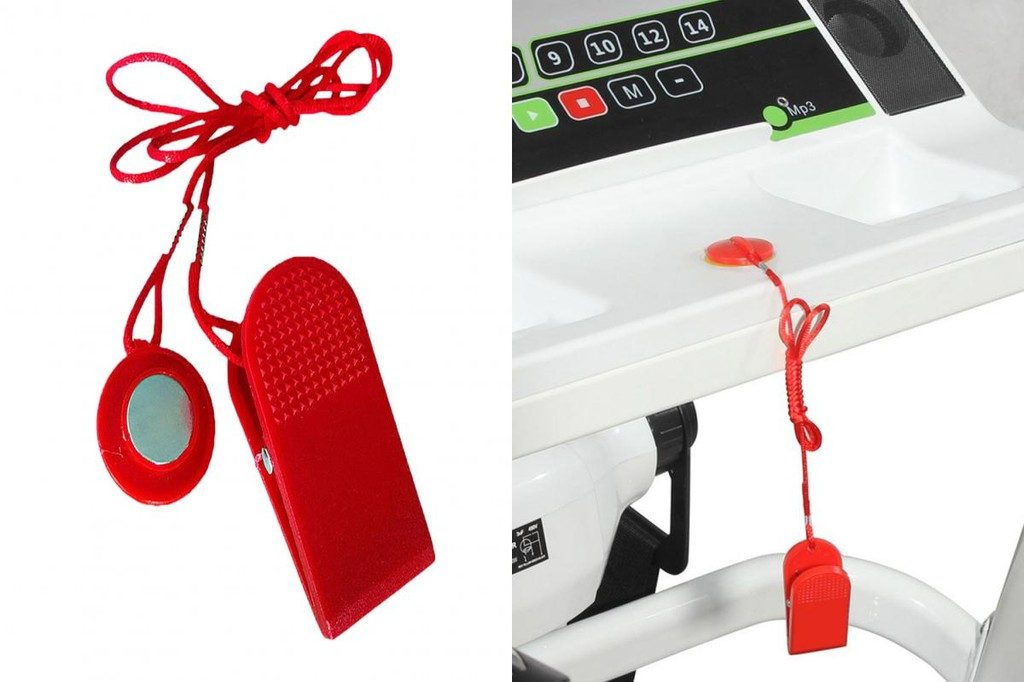
Aploda.com – An under desk treadmill emergency safety key is a critical kill-switch mechanism that instantly cuts power to the motor when the magnetic contact is broken or the clip is pulled, preventing serious injury during a fall. Choosing between a magnetic sensor and a physical clip setup depends primarily on your treadmill’s proprietary console design, though both serve the identical life-saving function of immediate motor cessation.
The Mechanics of Emergency Safety Keys
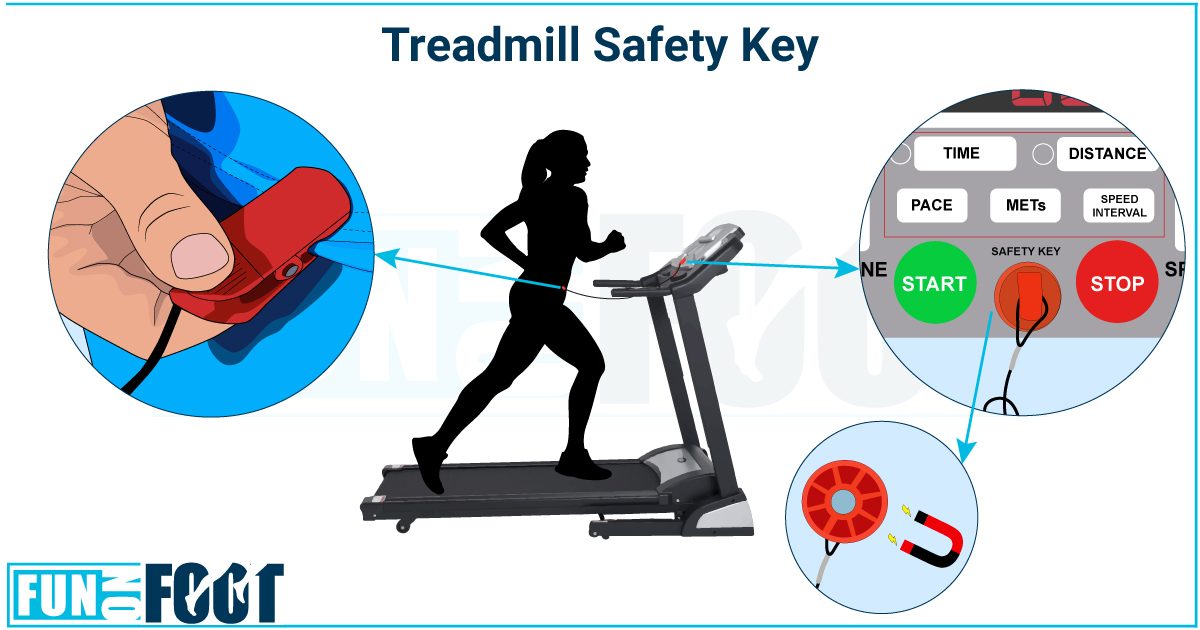
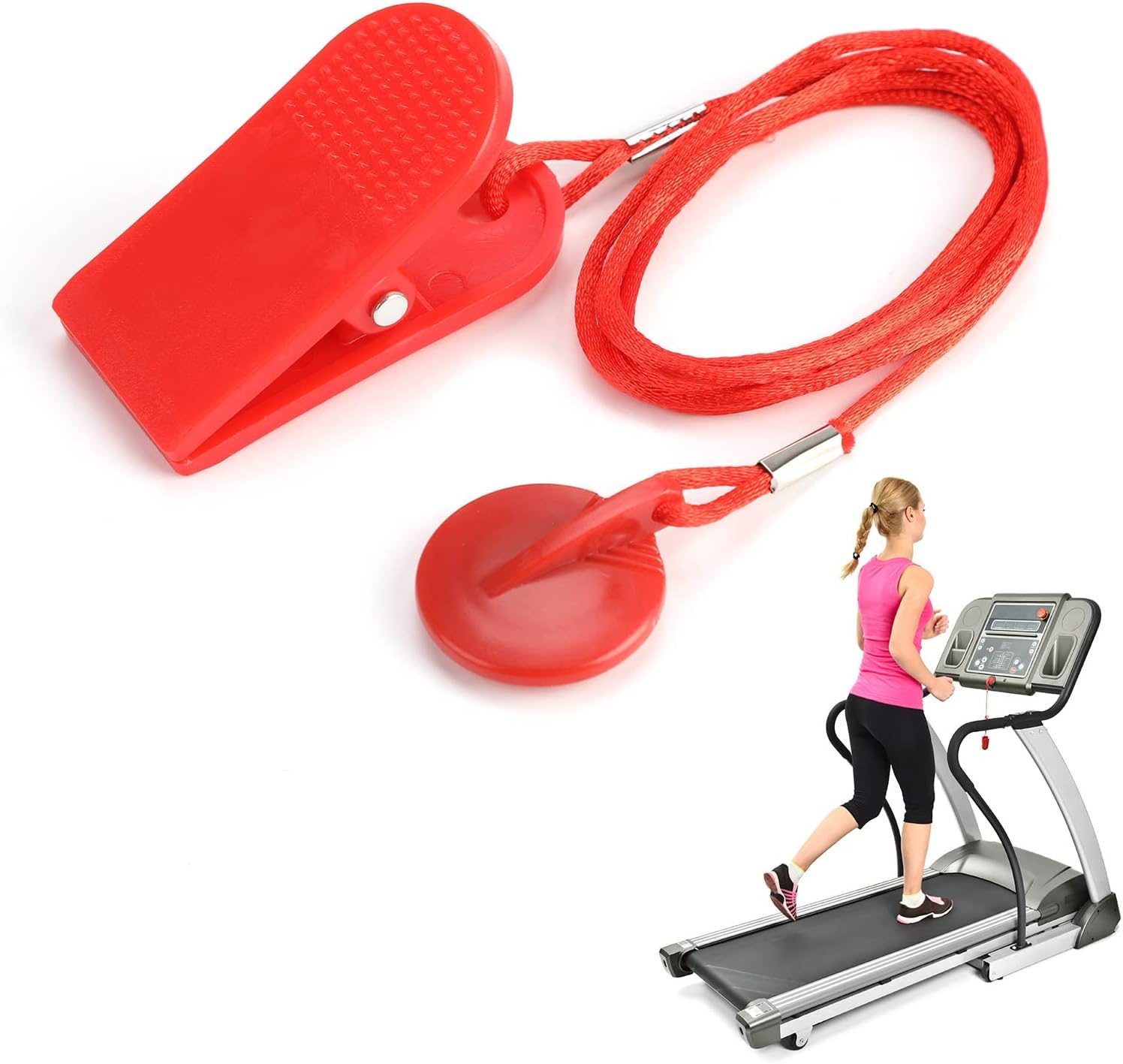
The safety key is the most important component of your treadmill’s ecosystem. Whether it is a magnetic disk or a plastic clip, its internal function remains the same: it acts as a bridge in an electrical circuit. When the key is firmly in place, the circuit is closed, allowing the treadmill motor to receive power. When the key is removed or displaced, the circuit opens, and the motor shuts down instantly. This mechanism is designed to protect users from the “conveyor belt effect,” where a person might stumble and be dragged by the belt if they lose their footing while working at a standing desk.
📷 Photo by funonfoot.com
Magnetic vs. Clip-Style Setups
📷 Photo by funonfoot.com
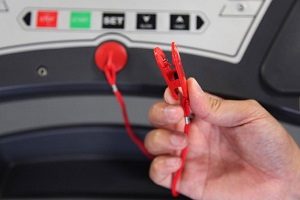
Magnetic keys are the industry standard for modern, slimline under-desk treadmills. These keys contain a small magnet that interacts with a reed switch hidden inside the treadmill console. Because they do not require a physical slot to be jammed into, they are often more durable and less prone to mechanical wear. They are aesthetically cleaner, sitting flush against the console, which is ideal for the minimalist design of under-desk models.
Clip-style keys, often found on older or more robust heavy-duty treadmills, function through a mechanical trigger. These keys usually have a plastic prong that physically depresses a button or lever inside the treadmill console. While these are highly reliable, they are more susceptible to physical breakage. If the plastic prong snaps, the treadmill becomes completely inoperable until a replacement is sourced. The advantage here is tactile feedback; you can clearly feel and hear when the key is locked into the correct position.
Comparison of Safety Key Mechanisms
| Feature | Magnetic Key | Clip/Prong Key |
|---|---|---|
| Mechanism | Magnetic Reed Switch | Mechanical Trigger |
| Durability | High (no moving parts) | Moderate (plastic can snap) |
| Replacement | Generic options available | Model-specific required |
| Maintenance | Minimal (keep clean) | Lubrication sometimes needed |
How to Properly Implement Your Safety Key
Many users working at standing desks make the dangerous mistake of ignoring the safety clip altogether, often leaving it dangling or bypassing it entirely. This is a severe safety risk. Follow these steps to ensure you are using your treadmill safely while working:
- Attach the safety key securely to the console according to the manufacturer’s indicator light.
- Fasten the alligator clip at the end of the safety lanyard to a piece of clothing near your waistline, such as your waistband or a shirt pocket.
- Ensure the lanyard has enough slack to allow for natural movement while walking, but is short enough that it will pull the key if you move more than a few inches backward.
- Test the system once a week by gently pulling the clip while the treadmill is moving at a slow speed to ensure it stops immediately.
- Never secure the safety key to the treadmill frame itself; it must be attached to your body to function as intended.
Common Safety Hazards and Mistakes
The most frequent error users make is miscalculating the distance between their desk and the treadmill. If the desk is positioned too far forward, the safety lanyard may be pulled taut against your body, causing the treadmill to shut off prematurely. Conversely, if the desk is too close, the lanyard may be too loose, failing to trigger the shutdown if you stumble backward. Always adjust your desk height and treadmill position so that you have a comfortable walking posture while maintaining the correct lanyard tension.
Another risk involves the “lost key” scenario. Because under-desk treadmills are often used in office environments, the small safety key can easily be misplaced. Do not be tempted to use a random household magnet to bypass the safety system. Third-party magnetic keys are rarely calibrated to the exact strength required by your specific treadmill brand, which could lead to intermittent power issues or, worse, a failure to stop during an emergency.
Maintenance and Troubleshooting
Over time, the area where the safety key connects can accumulate dust and debris, especially in home office environments. If your treadmill is displaying an “E01” or “Safety Key Missing” error despite the key being in place, the first step is to clean the contact area. Use a dry microfiber cloth to wipe the sensor area. For magnetic keys, ensure there is no metallic dust buildup, as this can interfere with the magnetic field.
If you find that the clip-style key is difficult to insert, check the internal spring mechanism of the treadmill console. Sometimes, a small piece of debris can get lodged in the slot, preventing the key from fully depressing the internal switch. A quick blast of compressed air is usually sufficient to clear this obstruction. Never force a key into the slot if you feel resistance, as you may damage the internal switch, leading to a costly repair.
Frequently Asked Questions
Q: Can I use a magnet from my fridge if I lose my treadmill safety key?
A: No. Treadmills require a specific magnetic strength and polarity to engage the internal reed switch. Using a random magnet can damage the sensor or cause the treadmill to stop unexpectedly while in use.
Q: Is it safe to tuck the safety lanyard away while walking?
📷 Photo by soscommunications.co.uk
A: Never tuck or shorten the lanyard to the point where it restricts your movement or bypasses the safety mechanism. The purpose of the lanyard is to create a physical tether between you and the machine, and it must be free to engage if you lose your balance.
Q: How often should I replace my safety key?
A: You do not need to replace the key on a schedule, but you should inspect it for cracks, fraying on the lanyard, or a weakened magnetic pull. If the key falls out of the console during normal walking, it is time to order a replacement from the manufacturer.
Ultimately, the safety key is not just a regulatory requirement; it is your primary defense against accidents. Whether your machine uses a magnet or a clip, treating the safety key with the same importance as your desk or your monitor will ensure that your walking-while-working routine remains productive and, most importantly, injury-free.
📷 Photo by shopee.ph