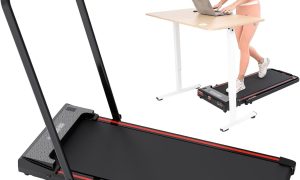
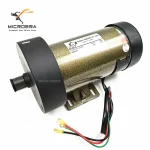




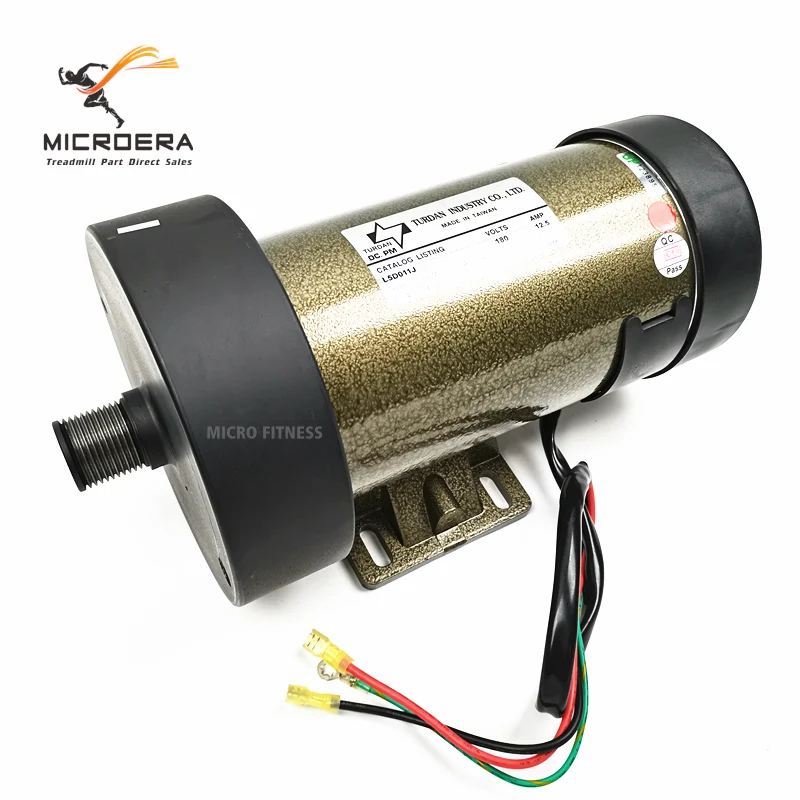
Aploda.com – Continuous Duty Rating (CHP) represents the actual, sustained horsepower a treadmill motor can deliver over extended periods, making it the most critical metric for determining the durability and performance of an under-desk treadmill. Unlike peak horsepower, which measures short-term bursts, a high continuous duty rating ensures the motor can handle your body weight and walking speed without overheating or burning out during long work sessions.
Understanding the Core Metric: Continuous vs. Peak Horsepower
When shopping for under-desk treadmills, you will often encounter two distinct measurements: Continuous Duty Horsepower (CHP) and Peak Horsepower. Many manufacturers emphasize peak horsepower because the numbers look higher on a spec sheet, but this metric is largely a marketing gimmick. Peak horsepower measures the maximum output a motor can achieve for a split second before it potentially stalls or suffers damage.
For an under-desk treadmill, which is designed for low-speed but long-duration use, CHP is the only number that matters. A motor with a high CHP rating is built with higher-quality internal components, better insulation, and more robust cooling systems. These features prevent the motor from straining under the weight of a user who is walking for two or three hours at a time.
Why CHP Matters for Under-Desk Use
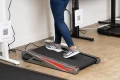
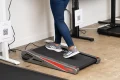
Under-desk treadmills operate differently than traditional gym treadmills. Because you are often walking at slower speeds (1.0 to 3.0 mph), the motor must work harder to overcome the friction of the belt and the weight of the user without the benefit of high-speed momentum. If the motor is undersized or lacks a proper continuous duty rating, it will generate excessive heat.
📷 Photo by alifitnessequipment.com
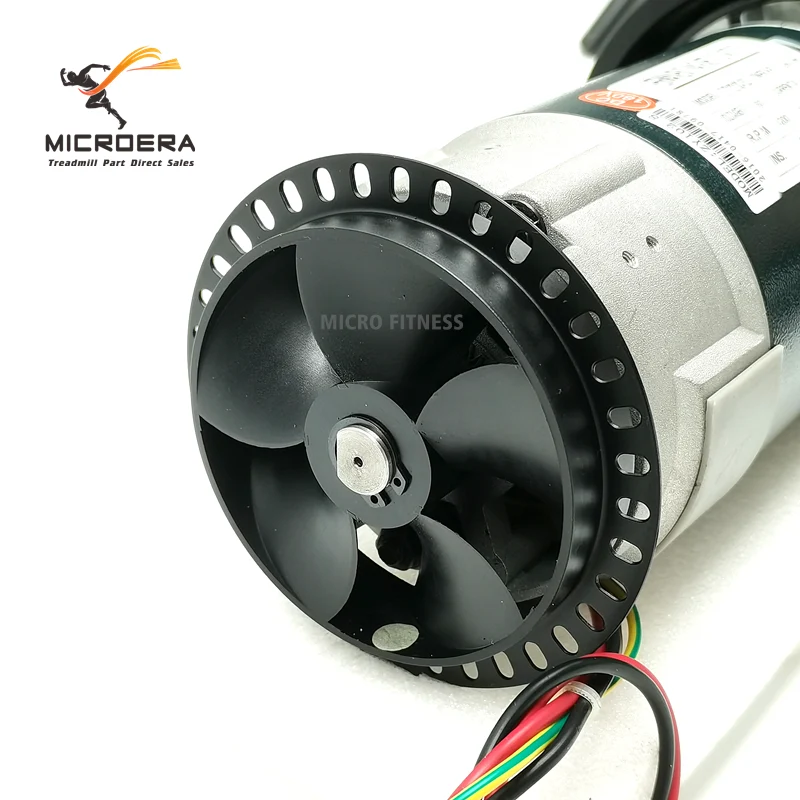
Heat is the primary enemy of electric motors. When a motor runs hot for extended periods, the internal wiring insulation begins to degrade, which eventually leads to a total motor failure. A treadmill with a strong continuous duty rating is engineered to run cool, extending the lifespan of the machine significantly.
Recommended Horsepower Specifications
Your body weight and the duration of your daily usage dictate the minimum CHP you should look for. Choosing a motor that is too weak for your weight class will result in a jerky belt movement and a significantly shorter product life.
| User Weight Range | Minimum Recommended CHP | Usage Context |
|---|---|---|
| Up to 150 lbs | 1.5 CHP | Light walking, 1-2 hours daily |
| 150 – 220 lbs | 2.0 CHP | Daily walking, 2-4 hours daily |
| Over 220 lbs | 2.5+ CHP | Heavy use, continuous daily sessions |
Signs of an Underpowered Treadmill
How do you know if your treadmill motor is struggling? The most common sign is a stutter or hesitation in the belt when you place your foot down. If the belt pauses or feels like it is dragging every time you take a step, the motor is likely struggling to maintain a constant speed under your weight.
Another warning sign is a burning smell or excessive heat coming from the motor housing. While a slight “new machine” smell is normal during the first few uses, a persistent plastic or electrical burning odor indicates that the motor is overheating and nearing a burnout point. Additionally, if you notice the treadmill speed fluctuating while you are walking, it is a clear indicator that the motor cannot handle the continuous load.
Steps to Evaluate and Maintain Your Treadmill Motor
To ensure your treadmill lasts for years, you must verify the motor specs before purchasing and maintain it properly after it arrives. Follow these steps to protect your investment:
- Check the product manual or manufacturer website for the specific “Continuous Duty” or “CHP” rating rather than “Peak Power.”
- Ensure the treadmill is placed on a level surface, as an uneven floor forces the motor to work harder to compensate for belt tension imbalance.
- Lubricate the treadmill belt according to the manufacturer’s schedule, as a dry deck creates friction that puts unnecessary strain on the motor.
- Clean the motor housing area periodically to remove dust, which can clog air vents and cause the motor to trap heat.
- Avoid wearing heavy footwear that creates extra drag, and always start the treadmill at the lowest speed before stepping onto the belt.
Common Mistakes When Choosing Horsepower
The most frequent error consumers make is assuming that all treadmills are built for the same level of intensity. Many people buy “budget” under-desk treadmills with 1.0 HP motors, thinking that because they are only walking, they do not need power. This is a mistake. Walking actually requires more torque from the motor than jogging at higher speeds, because the motor has to overcome the static weight of the user without the assistance of a faster-spinning flywheel.
Another mistake is ignoring the weight capacity versus the motor power. Even if you are within the treadmill’s maximum weight capacity, if you are at the upper end of that limit, you should always opt for a higher CHP rating. A motor running at 80 percent of its capacity will always outlast a motor running at 95 percent of its capacity.
The Role of Maintenance in Motor Longevity
Even a high-quality motor with a great CHP rating will fail if the treadmill is not maintained. Friction is the silent killer of treadmill motors. As the belt and the deck wear down, the friction increases exponentially. This forces the motor to draw more amperage to keep the belt moving. If you do not keep the deck lubricated, you are essentially forcing your motor to work harder every single day, which will eventually cause it to trip the internal circuit breaker or burn out entirely.
FAQ: Common Questions About Treadmill Power
Q: Can I use a treadmill with lower CHP if I am a light user?
A: Yes, but it is risky. Even if you are lightweight, a very low CHP motor (under 1.5) is often built with cheaper components that may struggle with the heat generated during hour-long sessions, leading to a shorter lifespan regardless of your weight.
Q: Does a higher CHP motor use more electricity?
A: Generally, a higher CHP motor is more efficient. Because it is not constantly running at its maximum capacity, it often operates cooler and more smoothly, which can actually lead to better energy efficiency compared to a smaller motor that is constantly straining to keep up.
Q: What should I do if my motor starts making a loud whining noise?
A: A high-pitched whine often indicates a motor that is under extreme stress or has a bearing issue. Stop using the machine immediately, check for belt friction, and ensure the machine is properly lubricated before attempting to run it again.
📷 Photo by alifitnessequipment.com