

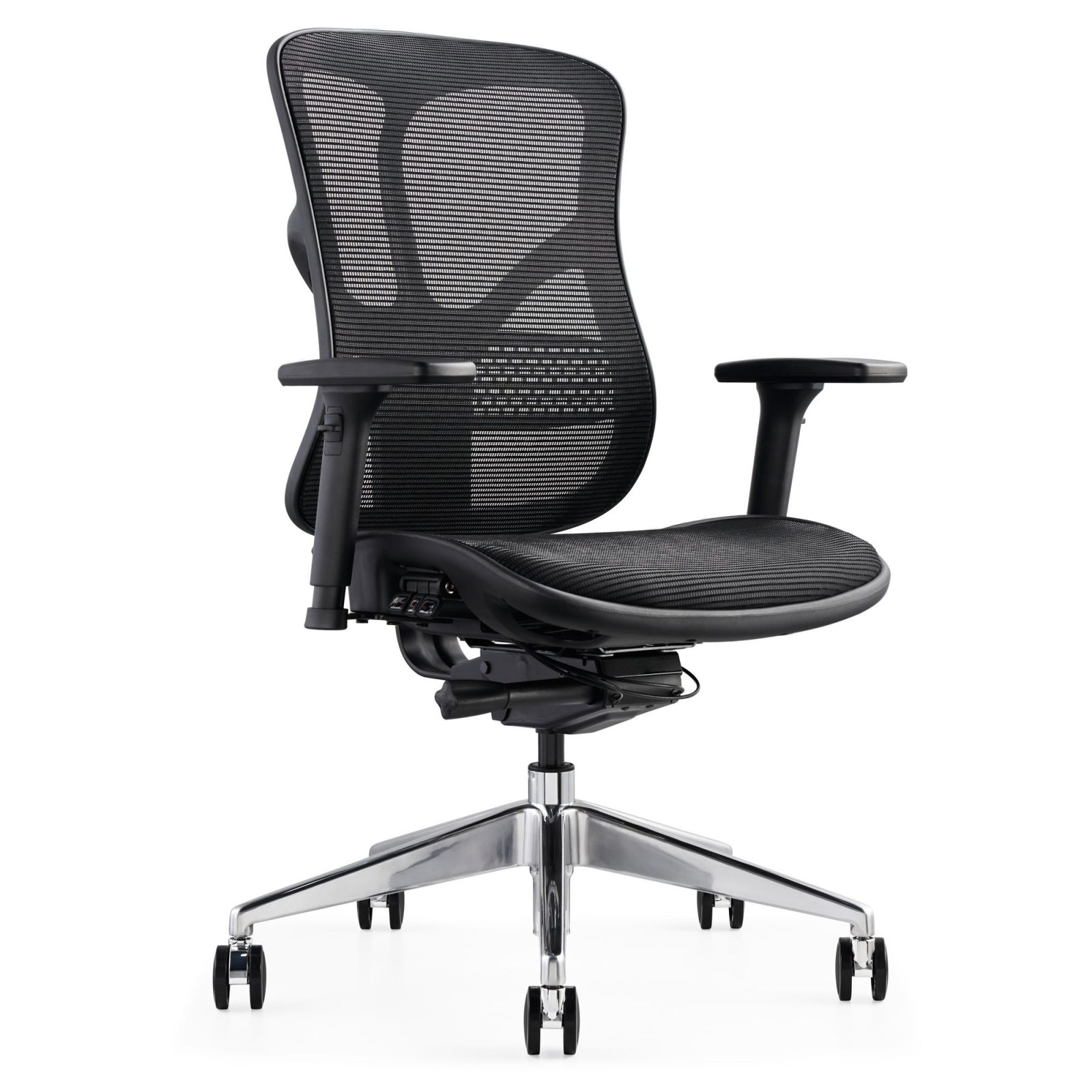
Aploda.com – Choosing between fabric and mesh for an ergonomic office chair depends on your priority between long-term structural tension and cushion comfort, as mesh offers superior breathability while fabric provides higher resistance to snagging and physical wear.
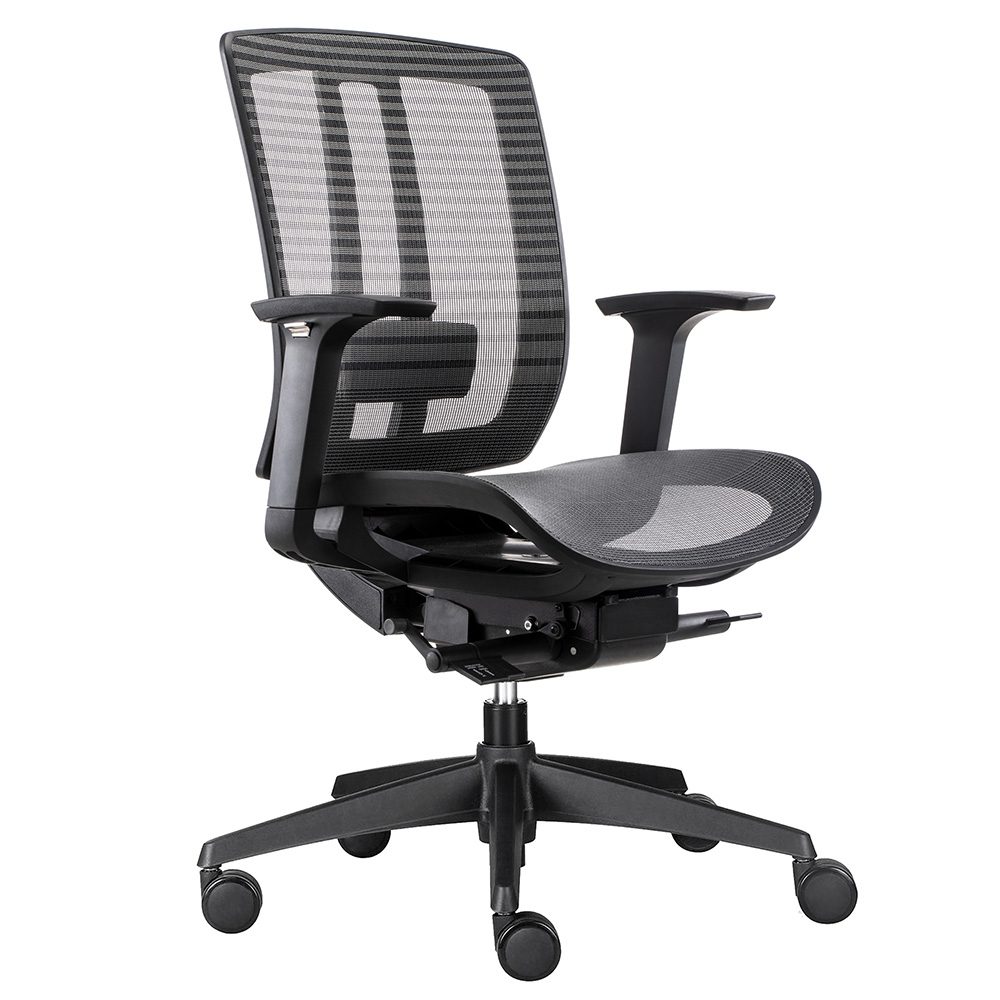
📷 Photo by epicofficefurniture.com.au
When investing in an ergonomic office chair, the upholstery material is often overlooked in favor of lumbar support or adjustability features. However, the material directly influences the chair’s lifespan, maintenance requirements, and overall comfort during extended work sessions. Understanding the mechanical differences between fabric and mesh is essential for making a durable choice.
The Mechanics of Mesh Durability
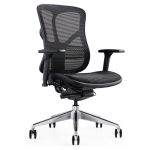
Mesh is a synthetic polymer-based material designed to distribute weight evenly while promoting airflow. High-quality elastomeric mesh is engineered to maintain its tension over years of heavy use. The primary durability concern with mesh is sagging. Over time, the constant weight of the user can stretch the fibers, leading to a loss of the original ergonomic curvature that supports the spine.
Furthermore, mesh is susceptible to environmental damage. Sharp objects, such as belt buckles, keys in pockets, or even pet claws, can easily puncture or fray the tight weave. Once a single strand snaps, the structural integrity of the entire panel begins to unravel, making it difficult to repair without replacing the entire seat or backrest component.
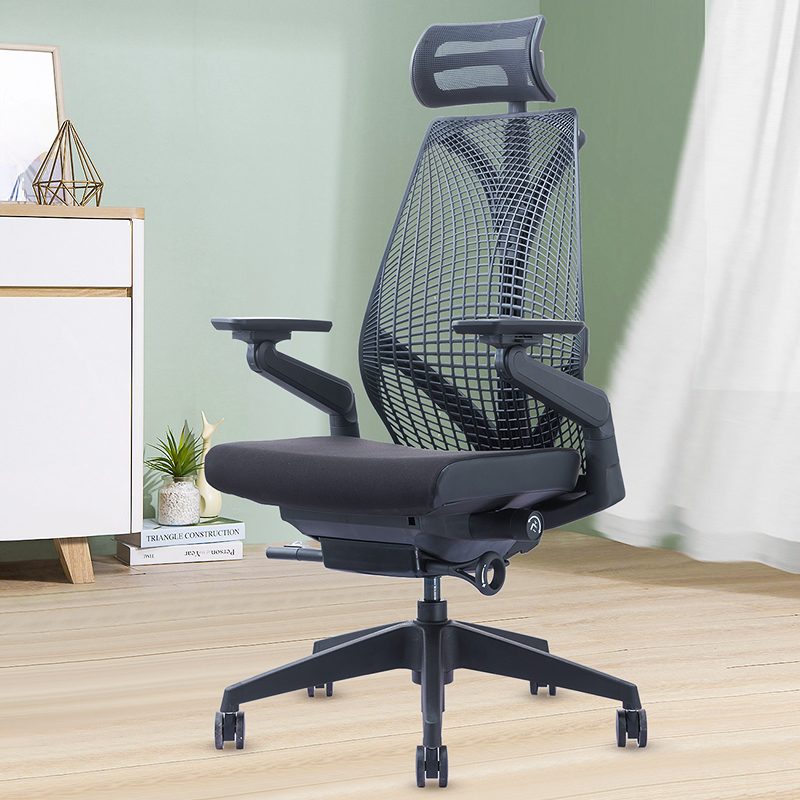
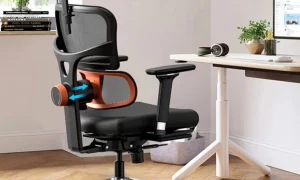
📷 Photo by meetco-furniture.ae
The Resilience of Fabric Upholstery
Fabric upholstery, typically made from polyester, wool blends, or high-grade synthetic textiles, is renowned for its abrasion resistance. Unlike mesh, fabric is usually stretched over a foam cushion. This combination provides a consistent, supportive surface that does not rely on the tension of the material itself to hold the user’s weight. This makes fabric chairs generally more forgiving regarding weight distribution.
The main challenge with fabric is its tendency to accumulate debris, dust, and body oils. While the fabric itself may be incredibly durable, the foam underneath can lose its density, leading to a “bottoming out” feeling. Additionally, fabric is prone to staining, which can make a chair look aged and worn long before the material itself actually fails or tears.
Comparative Analysis: Mesh vs. Fabric
| Feature | Mesh Upholstery | Fabric Upholstery |
|---|---|---|
| Breathability | Excellent (High airflow) | Low (Retains heat) |
| Cleaning | Easy (Vacuum/Wipe) | Moderate (Requires deeper cleaning) |
| Structural Longevity | Prone to sagging | High (Foam-dependent) |
| Repairability | Difficult (Requires replacement) | Easy (Can be reupholstered) |
| Comfort Profile | Firm/Supportive | Soft/Cushioned |
Maintenance and Longevity Steps
To extend the life of your office chair regardless of the material, you must implement a routine maintenance schedule. Neglect is the leading cause of premature material failure in office furniture.
- Vacuum the surface weekly using a soft brush attachment to remove abrasive dust particles that can wear down fibers over time.
- Rotate your seating position if possible to prevent uneven pressure, especially on mesh chairs, to keep the tension balanced across the backrest.
- Address spills immediately by blotting with a damp cloth; never rub the fabric, as this pushes liquids deeper into the cushioning or weave.
- Avoid sitting with sharp objects in your pockets, as these are the primary cause of snagging in mesh and tearing in delicate fabric weaves.
- Check the bolts and tension mechanisms every six months, as loose hardware can cause the frame to shift, putting unnecessary stress on the upholstery material.
Common Mistakes in Selection
A frequent error buyers make is choosing mesh solely for its modern aesthetic without considering the local climate. In environments with high humidity, mesh performs exceptionally well, but in cold office settings, users often find mesh chairs uncomfortable without additional layers. Conversely, users often choose fabric for comfort but fail to consider the quality of the foam underneath. A high-quality fabric on a low-density foam cushion will fail faster than a mid-range fabric on high-resiliency molded foam.
Another mistake is ignoring the “Double Rub” count. When looking at fabric specifications, the double rub rating indicates how many times the fabric can be rubbed before it shows wear. For an office chair, you should look for a rating of at least 30,000 double rubs for commercial use. If the rating is lower, the fabric will likely show signs of thinning within two years of daily use.
The Risk of Low-Quality Materials
The market is flooded with budget-friendly ergonomic chairs that utilize low-grade mesh. These materials often lack the elastomeric properties required to bounce back after compression. Within months, these chairs develop a permanent “hammock” shape, which forces the user into an unnatural posture, potentially leading to lower back pain. Always verify the warranty period; manufacturers who use durable, high-tension mesh typically offer warranties covering the material for five to ten years.
Fabric chairs carry a different risk: the “pilling” effect. Low-quality synthetic fabrics can develop small balls of fiber on the surface due to friction. While this does not compromise the structural integrity of the chair, it creates an unprofessional appearance and can be irritating to the skin. Investing in a chair with a high-quality weave ensures that the fabric remains smooth and functional for the duration of the chair’s mechanical life.
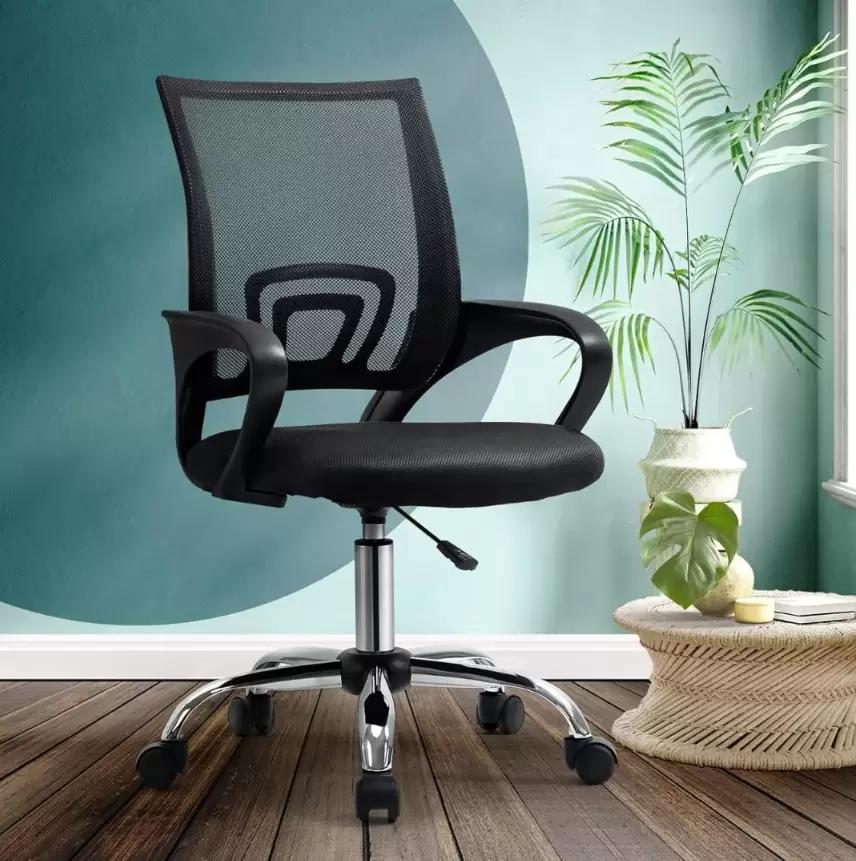
📷 Photo by pramukhfurniture.com
Choosing Based on Your Environment
If your workspace is prone to high temperatures or you tend to run warm, mesh is the superior choice for comfort, provided you invest in a premium model with high-tensile strength. If your priority is long-term durability and a softer, more traditional seating experience, high-grade fabric is the better investment. Remember that the best chair is one that supports your posture consistently; if the material fails, the ergonomic benefits are lost regardless of how sophisticated the frame design is.
Q: Which material is easier to keep clean in a dusty office environment?
A: Mesh is significantly easier to clean as it does not trap dust within fibers or foam, allowing for a quick vacuum or wipe-down to maintain hygiene.
Q: Does mesh eventually lose its support?
A: Yes, even high-quality mesh can experience “creep” or sagging over many years of heavy use, which may eventually require the replacement of the backrest or seat panel.
Q: Is fabric better for heavy-duty daily use?
A: Generally, yes. High-quality upholstery-grade fabric is more resistant to physical abrasion and punctures than mesh, making it more reliable for long-term, heavy-duty applications.
📷 Photo by bestbuy-officechairs.co.uk