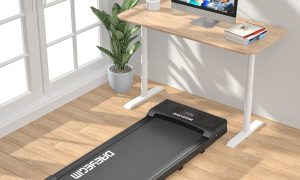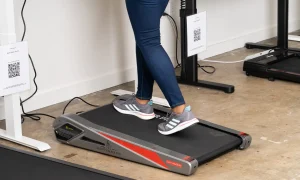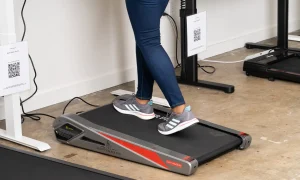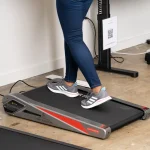


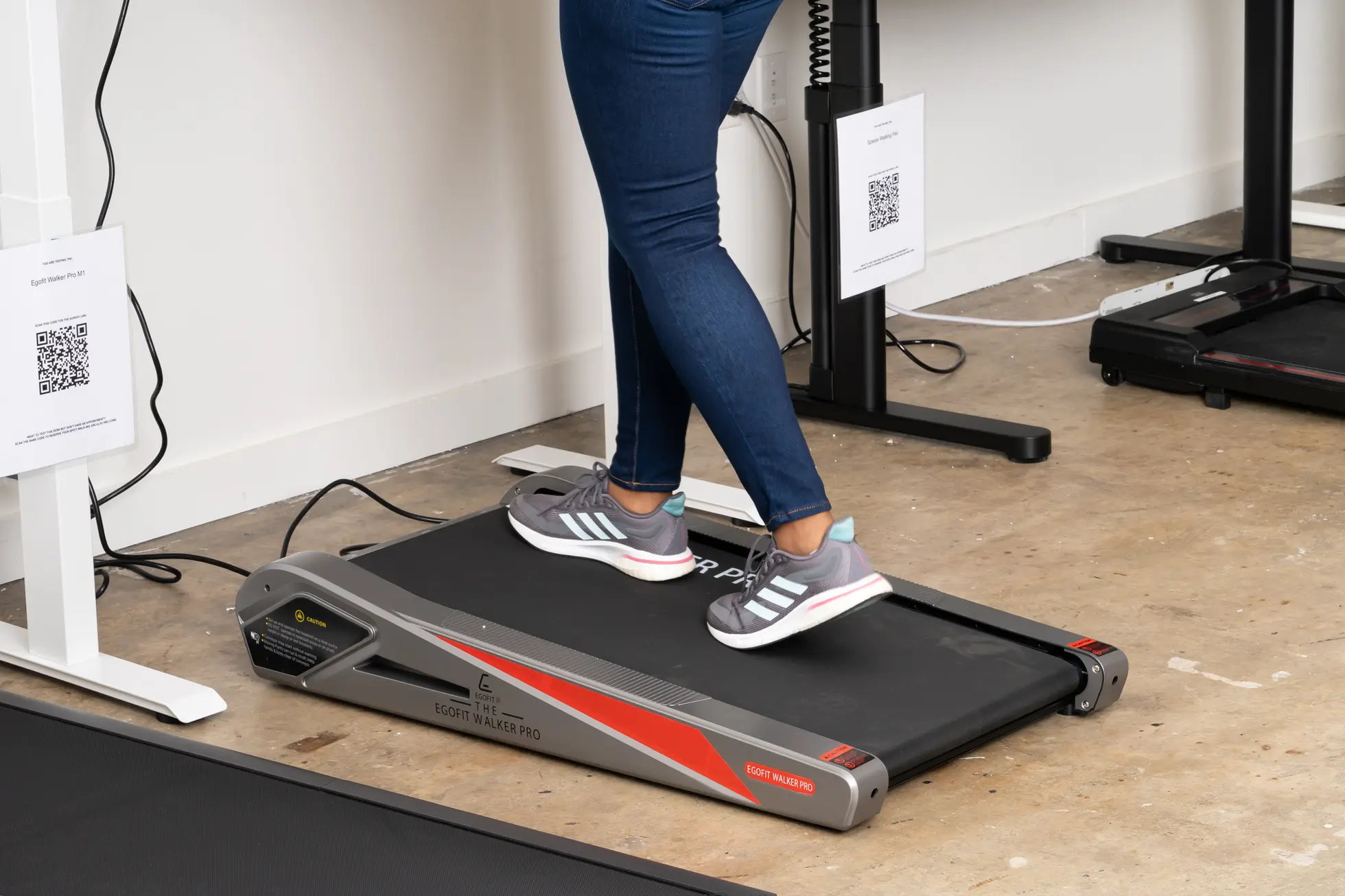
Aploda.com – Portable under desk treadmills are designed with slim profiles and integrated front-mounted transport wheels, allowing you to easily slide them under a couch by lifting the rear end and rolling them into place. This efficient storage method saves valuable floor space while keeping your fitness equipment accessible yet out of sight.
Understanding the Mechanics of Transport Wheels
Most modern under desk treadmills are engineered for mobility. The transport wheels are typically located at the front of the unit, near the motor housing. When the treadmill is lying flat, these wheels do not touch the ground, ensuring stability during use. To activate them, you must tilt the unit toward you until the weight shifts onto the wheels, lifting the rear section off the floor entirely.
The success of sliding your treadmill under a couch depends heavily on the clearance height of your furniture. Before attempting to move your machine, measure the distance from the floor to the bottom of your couch frame. Most standard under desk models range from 4 to 6 inches in height, which means your sofa must provide at least an extra half-inch of clearance to prevent scratching the fabric or damaging the machine’s casing.
Step-by-Step Guide to Storing Your Treadmill
Follow these steps to safely maneuver your treadmill into a tight storage space without causing injury to yourself or damage to your home:
- Clear the area: Remove any rugs, cables, or decorative items from underneath the couch to provide a clean path for the treadmill.
- Power down: Turn off the treadmill completely and unplug the power cord from the wall outlet to prevent accidental activation.
- Secure the cord: Use a cable tie or velcro strap to bundle the power cord against the side of the treadmill, ensuring it does not snag on the floor or the couch legs.
- Tilt and lift: Stand at the rear of the unit, grasp the frame firmly, and lift until the treadmill is at a 30 to 45-degree angle.
- Roll into position: Carefully push the unit toward the couch, allowing the front wheels to guide the movement until the entire machine is tucked underneath.
Checklist for Couch Compatibility
Not all couches are created equal when it comes to storage. Use this table to determine if your furniture is suitable for housing your treadmill.
| Feature | Requirements for Storage | Potential Risks |
|---|---|---|
| Floor Clearance | Minimum 5 inches | Scratches on the treadmill motor cover |
| Couch Depth | Must exceed treadmill length | Unit sticking out and causing a tripping hazard |
| Leg Stability | Solid wood or metal | Weak legs may collapse if bumped by the unit |
| Floor Surface | Hardwood or thin rug | Deep carpet causes wheels to sink and stick |
Common Mistakes to Avoid
One of the most frequent errors users make is attempting to push the treadmill into place without clearing the area first. If the treadmill wheels hit an obstruction, such as a stray toy or a thick carpet edge, the sudden stop can cause the treadmill to tip over or strain your back. Always ensure the path is completely clear before starting the move.
Another common mistake is ignoring the weight of the machine. While these treadmills are portable, they often weigh between 40 and 70 pounds. If you struggle with lifting, do not try to force the tilt. Instead, use a furniture dolly or ask a second person to help guide the unit. Never drag the treadmill across a hardwood floor without using the wheels, as the rubber feet or plastic housing will likely scratch or scuff your flooring permanently.
Maintenance Tips for Smooth Movement
If you find that your treadmill is becoming difficult to roll, check the wheels for debris. Over time, dust, pet hair, and carpet fibers can wrap around the wheel axles, causing them to seize up. Use a pair of tweezers or a small brush to clear any obstructions from the wheel housing once a month. A tiny drop of silicone lubricant on the wheel axle can also significantly reduce the force required to move the unit.
Additionally, check the rubber feet on the rear of the treadmill. These feet are designed to grip the floor during use, but they can sometimes become sticky or worn. If they drag during the sliding process, wipe them down with a damp cloth to remove any dust or grime that might be creating excess friction against your floorboards.
Maximizing Long-Term Storage
When storing the unit for extended periods, consider placing a thin piece of cardboard or a dedicated floor mat underneath the couch. This provides a smooth surface for the wheels to roll on and protects your flooring from any potential oil residue or heavy pressure marks. If your couch has a low center support leg, you may need to angle the treadmill slightly to one side to ensure it clears the obstruction.
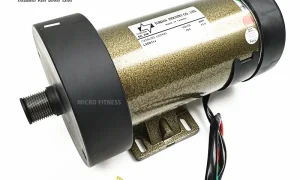
Remember that the motor housing is the most sensitive part of the treadmill. When sliding it under the couch, ensure you are not pushing directly on the console or the belt area, as this can put unnecessary stress on the internal components. Always apply pressure to the sturdy metal frame of the machine to ensure a safe and controlled movement.
Frequently Asked Questions
Q: Can I store the treadmill vertically if it won’t fit under my couch?
A: Yes, many under desk treadmills are designed to be stored vertically against a wall or in a closet, provided you secure them with a strap to prevent them from tipping over.
Q: Is it safe to leave the treadmill plugged in while stored under the couch?
A: It is generally recommended to unplug the unit when not in use to protect the electronics from power surges and to prevent accidental activation by pets or children.
Q: Will the weight of the treadmill damage my floor if left in one spot?
A: If you leave it in the same spot for months, it may leave slight indentations on carpet or scuffs on wood; using a thin protective mat is the best way to prevent this.
📷 Photo by nytimes.com