




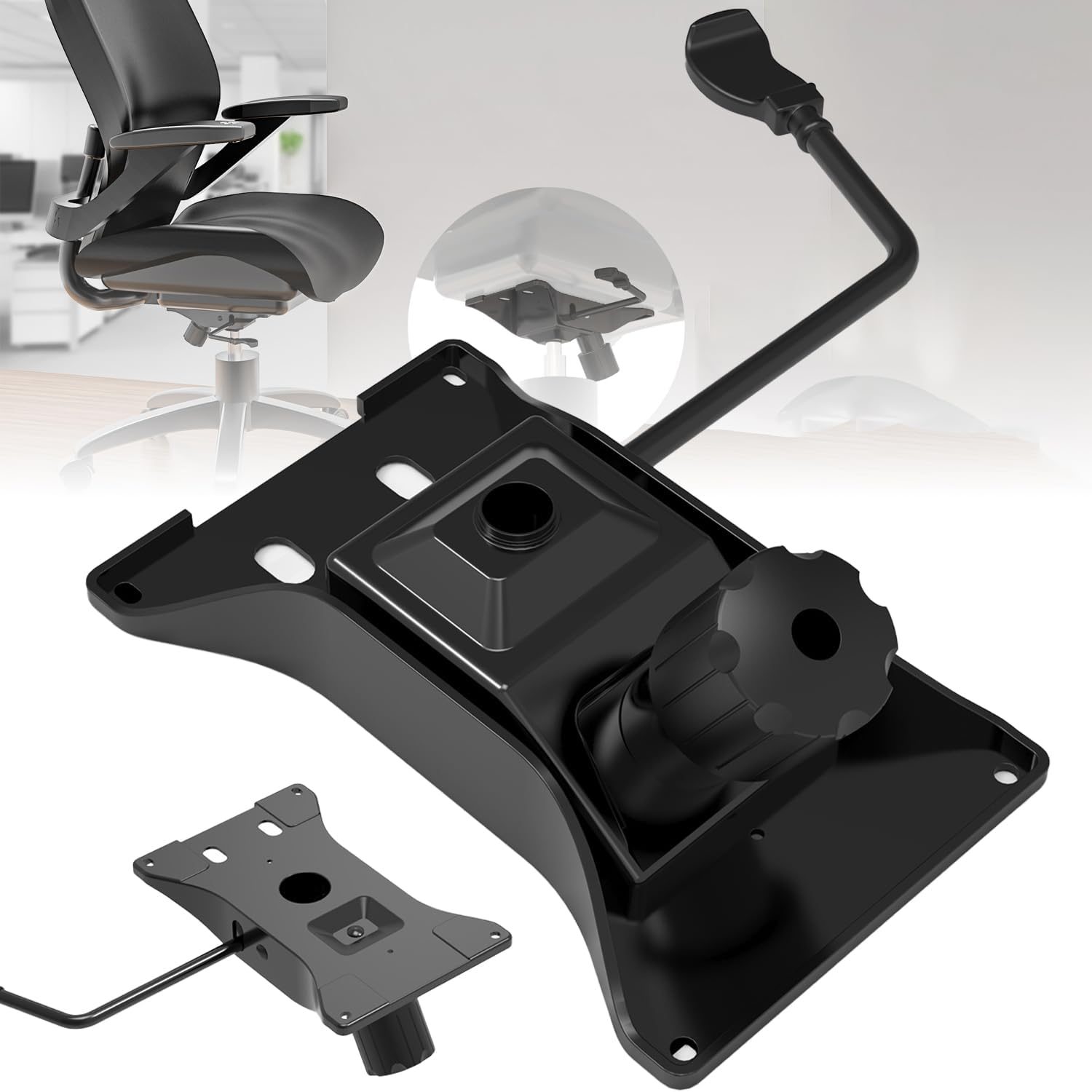
Aploda.com – An ergonomic office chair tilt lock becomes stuck primarily due to debris accumulation, lack of lubrication, or mechanical failure of the internal spring mechanism, which can be resolved by disassembling the seat base to inspect and reset the locking lever.
Dealing with a stuck tilt lock is a common frustration for office workers who rely on adjustable chairs for spinal support. When the chair refuses to recline or remains stuck in a reclined position, it disrupts your posture and can lead to long-term back pain. Understanding the anatomy of your chair is the first step toward fixing the issue without needing to invest in a replacement.
📷 Photo by s3.amazonaws.com
Identifying the Root Cause of Tilt Failure
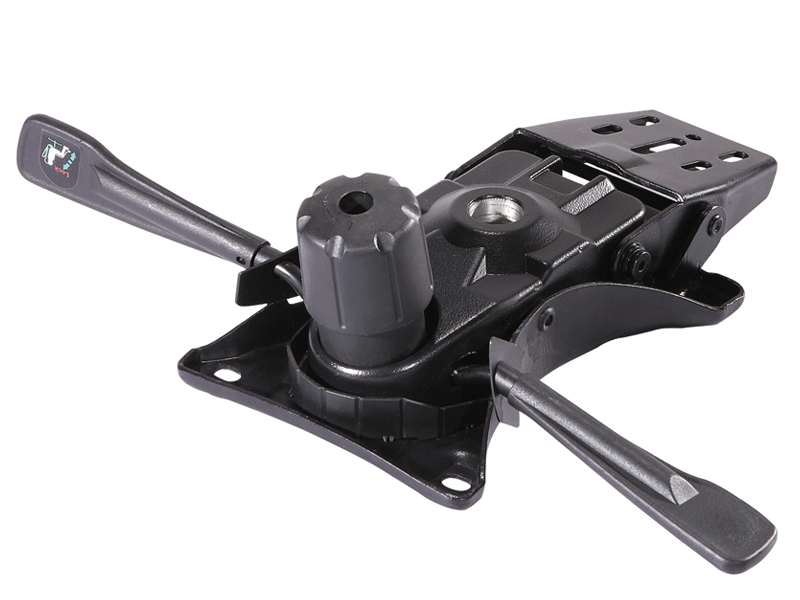
Before you begin the disassembly process, it is essential to determine why the mechanism is failing. In most ergonomic chairs, the tilt lock is controlled by a tension spring and a locking pin. Over time, dust and carpet fibers can infiltrate the housing, creating a jam that prevents the pin from retracting or engaging properly.
Another frequent culprit is the tension knob being tightened beyond its functional limit. If the tension is too high, the locking mechanism may struggle to release because of the extreme pressure exerted on the internal gears. Before taking the chair apart, always attempt to adjust the tension knob to its loosest setting to see if the lock regains functionality.
Tools Required for the Task
You do not need a professional workshop to repair a standard office chair. However, having the right tools ensures you do not strip the screws or damage the plastic casing of the mechanism. Most chairs use standard hex bolts, but some may require specific screwdrivers.
📷 Photo by manuals.plus
| Tool | Purpose |
|---|---|
| Allen Wrench Set | Removing bolts connecting the seat to the base. |
| Phillips Screwdriver | Removing plastic covers or tension control handles. |
| Silicone-based Lubricant | Freeing up rusted or dry internal metal parts. |
| Rubber Mallet | Gently tapping parts loose without damaging them. |
Step-by-Step Disassembly and Repair Guide
Follow these steps carefully to disassemble your chair and address the jammed tilt mechanism. Always place the chair on a clean, flat surface to avoid losing small hardware components.
- Flip the chair upside down to expose the underside of the seat base.
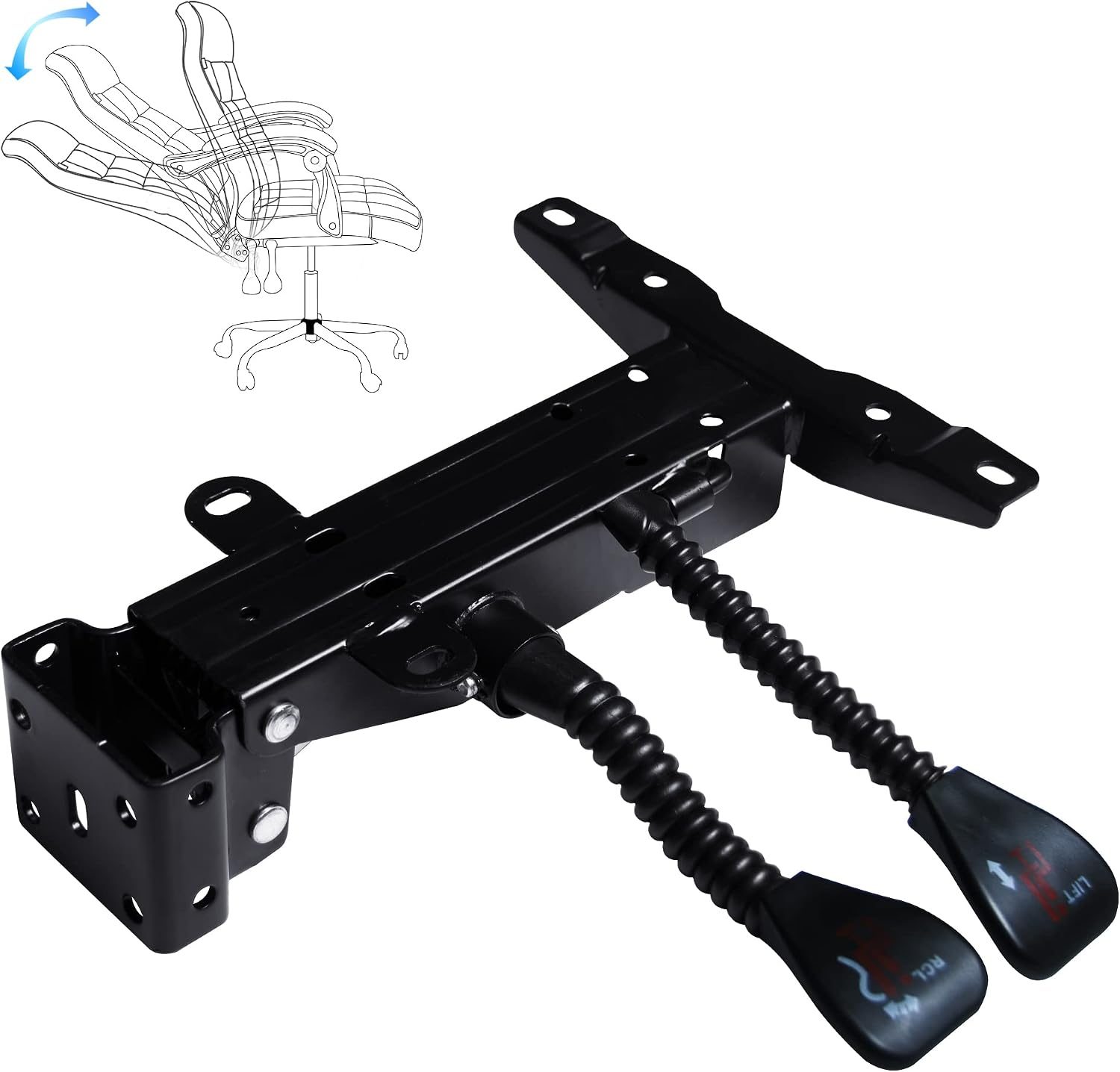
- Remove the plastic adjustment handles by pulling them outward or unscrewing the retaining bolts found at the base of the handle.
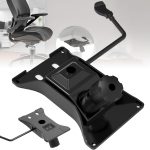
- Unscrew the main mounting bolts that attach the metal tilt mechanism to the bottom of the seat cushion.
- Carefully lift the mechanism away from the chair seat, noting the position of any springs or washers that might fall out.
- Inspect the internal locking pin and the spring-loaded gate for debris. Use compressed air to blow out any dust or hair.
- Apply a small amount of silicone lubricant to the moving parts of the locking lever and the tension spring.
- Manually actuate the lever several times to ensure the lubricant penetrates the joints.
- Reattach the mechanism to the seat, ensuring all bolts are tightened securely to prevent future wobbling.
Common Mistakes to Avoid
One of the biggest mistakes users make is forcing the lever when they feel resistance. If the lever does not move, pushing harder will often bend the metal internal linkage, turning a simple cleaning job into a permanent mechanical failure. If you feel extreme resistance, stop and re-evaluate the tension settings before applying more force.
Another error is using oil-based lubricants like WD-40 on plastic components. These can degrade certain types of plastics over time, making them brittle and prone to cracking. Always stick to silicone or lithium-based greases, which are safer for the plastic housings often found in office chair mechanisms.
When to Replace Instead of Repair
While most tilt locks can be fixed, some failures are structural. If you notice metal fatigue, such as cracks in the steel plate or a snapped spring, it is usually safer to replace the entire tilt mechanism rather than attempting a weld or a DIY repair. The seat base is under constant pressure from your body weight, and a failing metal part can cause the chair to collapse suddenly, leading to potential injury.
Regular maintenance is the best way to avoid these issues. Once every six months, take a few minutes to wipe down the underside of your chair and spray a light lubricant on the metal contact points. This simple habit will extend the lifespan of your ergonomic chair by several years.
Frequently Asked Questions
Q: Can I replace just the tilt mechanism, or do I need a new chair?
A: You can purchase universal tilt mechanisms online. As long as the bolt pattern on your chair seat matches the mounting plate of the new mechanism, you can swap it out without replacing the entire chair.
Q: Why does my chair make a squeaking sound when I tilt?
A: Squeaking is usually a sign of metal-on-metal friction. It indicates that the grease has dried up. A thorough cleaning and a fresh application of lithium grease will typically eliminate the noise.
Q: What if the tension knob is spinning without doing anything?
A: This indicates that the internal threading or the connection between the knob and the spring has stripped. This is a mechanical failure that usually requires replacing the tension control unit entirely.
By following these steps, you can restore the functionality of your ergonomic chair and maintain the healthy posture you require for long work sessions. Patience during the disassembly process is key to ensuring you don’t lose track of how the internal components fit together.
📷 Photo by grahamandco.org