



Aploda.com – An active sitting balance cushion forces your core muscles to engage through constant micro-movements to maintain stability, whereas a swivel ergonomic office chair provides structured lumbar support and static posture correction for long-duration desk work.
Choosing the right seating solution is essential for anyone spending more than six hours a day at a desk. The debate between using an active sitting balance cushion and a traditional swivel ergonomic office chair often comes down to the trade-off between muscular engagement and sustained structural support.
Understanding Active Sitting Balance Cushions
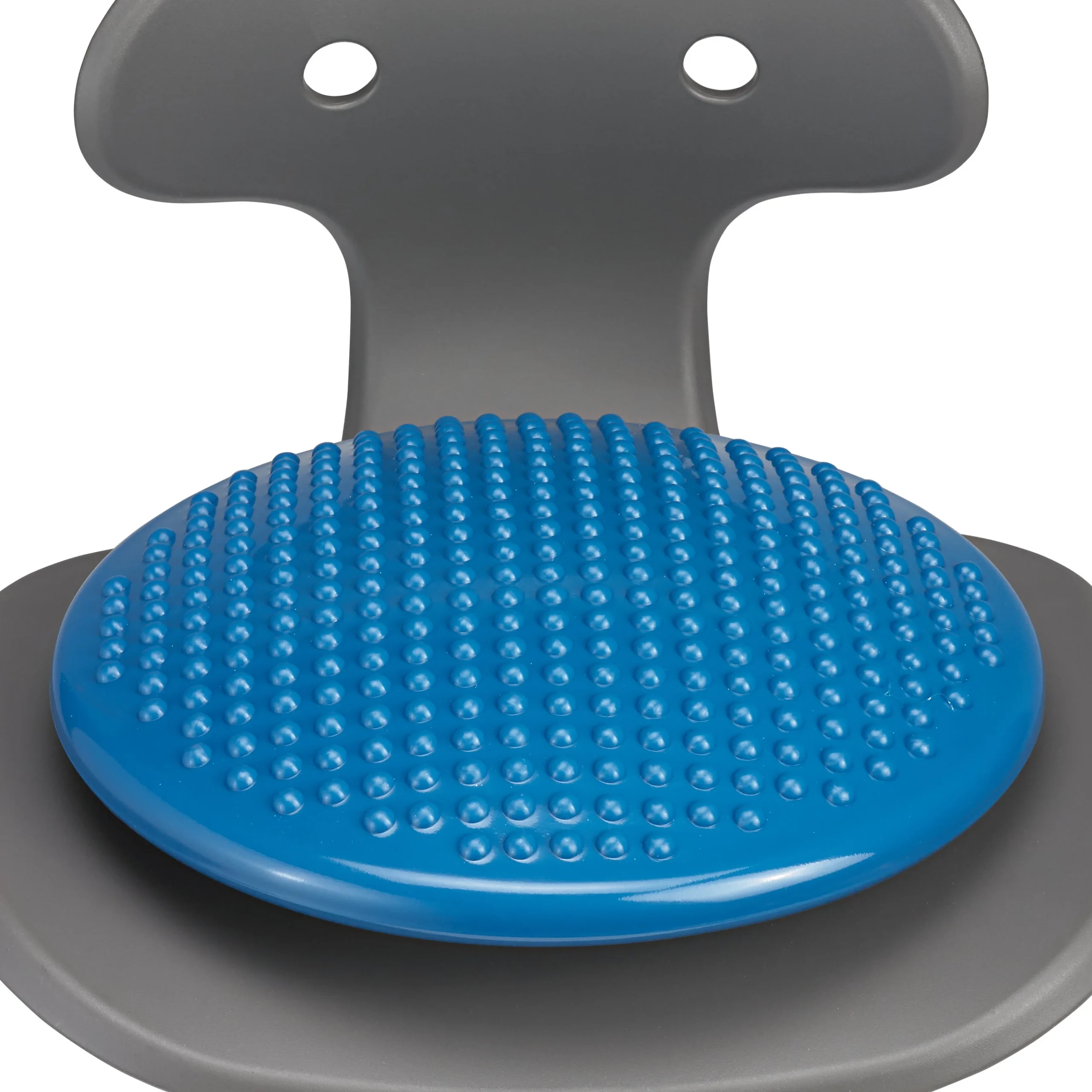
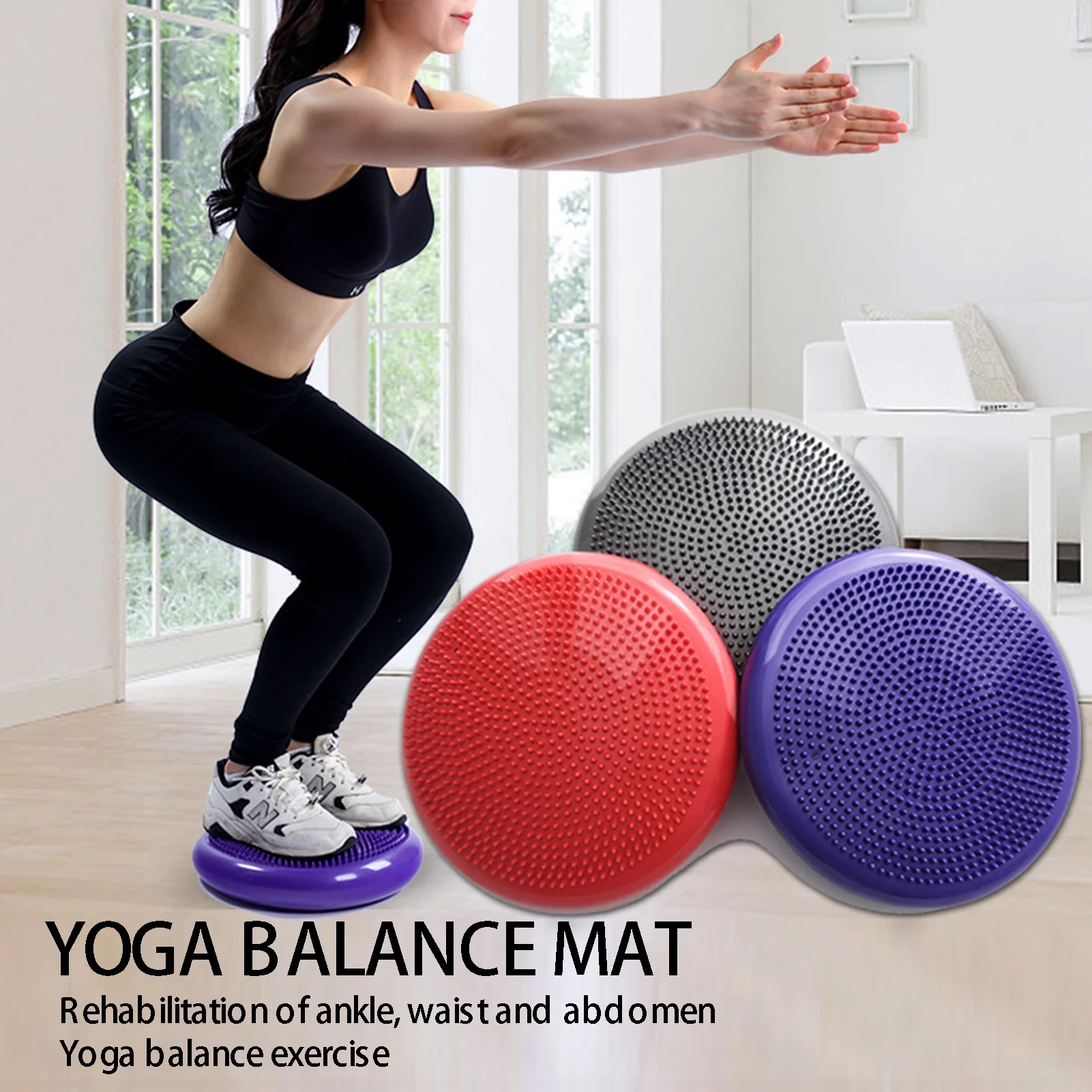
An active sitting balance cushion, often referred to as a wobble cushion, is an air-filled, disc-shaped device placed on top of a standard chair. Its primary function is to create an unstable surface. When you sit on it, your body must constantly adjust its center of gravity to remain upright. This process is known as active sitting.
The primary benefit here is the activation of the deep core stabilizers, including the transverse abdominis and the multifidus muscles. By preventing a static slump, these cushions help improve blood circulation in the lower extremities and reduce the stiffness associated with sitting in one position for too long. However, they are not designed for all-day use. Using a balance cushion for eight hours straight can lead to muscle fatigue, which might ironically cause you to slouch more once your core tires out.
The Role of Swivel Ergonomic Office Chairs
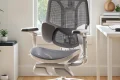
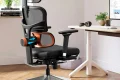
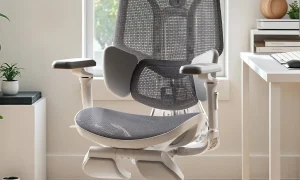
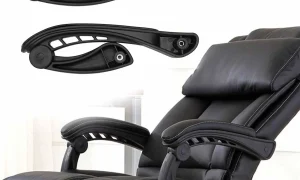
In contrast, a swivel ergonomic office chair is engineered for long-term comfort through static support. These chairs feature adjustable lumbar height, depth, and tension, which are designed to maintain the natural S-curve of the spine. The swivel mechanism allows for easy movement, while armrests and headrests provide relief for the shoulders and neck.
The main advantage of an ergonomic chair is consistency. It supports your skeletal structure, allowing your muscles to relax while you focus on deep work. The risk with these chairs is the tendency to “set and forget.” If the chair is poorly adjusted or if the user remains sedentary for hours without movement, the ergonomic benefits are negated by the sheer duration of inactivity.
Comparative Overview
| Feature | Balance Cushion | Ergonomic Office Chair |
|---|---|---|
| Primary Goal | Core engagement & movement | Structural support & comfort |
| Posture Type | Dynamic/Active | Static/Supported |
| Recommended Use | Short intervals (30-60 mins) | Full-day productivity |
| Setup Requirement | Requires a flat chair surface | Requires proper ergonomic adjustment |
| Muscular Fatigue | High | Low |
How to Integrate Both for Maximum Benefit
The most effective strategy is not to choose one over the other, but to alternate between them. You can use an ergonomic chair as your base and incorporate the balance cushion for specific sessions during the day to reset your posture. Follow these steps to implement a balanced sitting routine:
- Assess your baseline: Start your morning in your ergonomic chair to establish proper spinal alignment while your muscles are fresh.
- Introduce the cushion: Place the balance cushion on your chair during the mid-morning or mid-afternoon slump to boost alertness and blood flow.
- Limit the duration: Use the cushion for no more than 30 to 45 minutes at a time to prevent over-fatiguing your core stabilizers.
- Perform desk stretches: Regardless of the seat, stand up every hour to perform dynamic stretches to release hip flexor tension.
- Adjust the ergonomic chair: Every time you switch back to the main chair, ensure your lumbar support is still pressing against the small of your back.
Common Mistakes and Risks
One common mistake is expecting a balance cushion to fix chronic back pain overnight. If you have an existing spinal injury, the instability of a cushion might aggravate the condition rather than alleviate it. Always consult with a physical therapist before introducing unstable surfaces into your work routine. Another error is placing the cushion on an office chair that is already too high, which can force your feet to dangle, cutting off circulation and causing knee strain.
Conversely, the biggest mistake with ergonomic chairs is the “static trap.” Even the most expensive, top-tier ergonomic chair cannot compensate for a sedentary lifestyle. If you sit in an ergonomic chair for eight hours without moving, you are still at risk for metabolic issues and muscle atrophy. The “best” chair is the one that allows you to move, swivel, and change positions frequently throughout the day.
Identifying Your Needs
If your job requires intense focus and long periods of typing, the ergonomic chair is your priority. It provides the stability required for precision work. If you find yourself frequently fidgeting or feeling lethargic, the balance cushion is an excellent tool to wake up your body and improve circulation.
If you suffer from lower back pain, the ergonomic chair is generally the safer bet for daily use. If you are looking to tone your core and break the habit of slouching, the balance cushion acts as a great training device. Most productive professionals find that a hybrid approach—a high-quality chair paired with an occasional cushion session—yields the best results for long-term spinal health.
FAQ
Q: Can I use a balance cushion for 8 hours a day?
📷 Photo by walmart.com
A: No, it is not recommended. Long-term use can lead to muscle fatigue and eventually poor posture as your body seeks to collapse rather than stay active.
Q: Will a balance cushion help with my herniated disc?
A: You should consult a medical professional first. The instability of a balance cushion can sometimes exacerbate disc issues by increasing pressure on the spine if your core is not strong enough to stabilize it.
Q: Is an expensive ergonomic chair actually worth it?
A: Yes, if it offers multiple adjustment points like seat depth, armrest height, and dynamic lumbar support. These features allow the chair to fit your specific body measurements, which is critical for preventing chronic strain.
Ultimately, your chair is merely a tool. Whether you choose the dynamic challenge of a balance cushion or the reliable support of an ergonomic chair, the most important factor remains your own movement. Change your position often, stand up frequently, and listen to your body’s signals of discomfort before they turn into chronic pain.
📷 Photo by walmart.ca