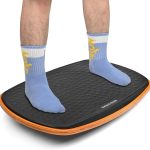


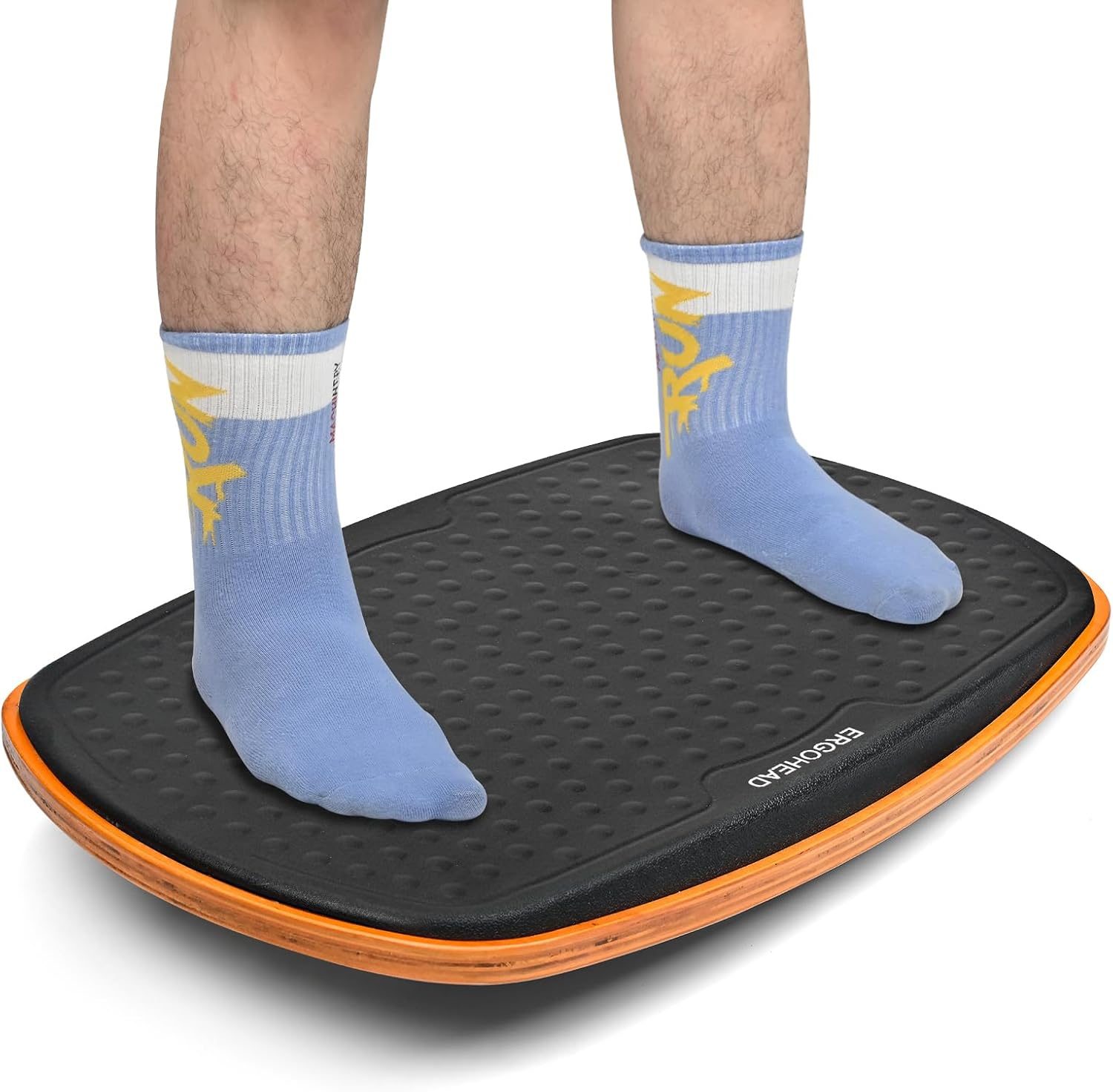
Aploda.com – A balance board standing desk mat hybrid solution combines the ergonomic cushioning of an anti-fatigue mat with the micro-movement benefits of a balance board, effectively reducing static posture fatigue while engaging core muscles. This dual-purpose setup prevents the long-term joint strain associated with standing on hard surfaces while simultaneously combating the lethargy caused by stationary desk work.
The Evolution of Standing Desk Ergonomics
The traditional standing desk setup often leads to “static standing,” where an individual remains in one position for hours. This posture can lead to blood pooling in the lower extremities, lower back pain, and joint stiffness. While an anti-fatigue mat provides a soft surface to reduce pressure on the heels and balls of the feet, it does not address the lack of movement. Conversely, a balance board forces constant engagement but can be physically exhausting for a full eight-hour workday. The hybrid solution bridges this gap by offering a surface that is soft enough for comfort but unstable enough to trigger active standing.
Why Micro-Movements Matter
The human body is designed for movement, not for prolonged periods of stillness. When you stand on a hybrid balance solution, your calf muscles, glutes, and core are in a state of constant, subtle contraction. This process, often called active standing, promotes blood circulation and prevents the musculoskeletal system from locking into a rigid, damaging position. By keeping your muscles slightly engaged, you reduce the risk of venous insufficiency and minimize the compression of spinal discs that often occurs when standing perfectly still.
Comparing Standing Solutions
Choosing the right equipment depends on your daily desk habits and physical endurance levels. The following table illustrates the differences between traditional standing surfaces and hybrid options:
| Feature | Standard Mat | Balance Board | Hybrid Solution |
|---|---|---|---|
| Cushioning | High (Gel/Foam) | Minimal/None | Moderate |
| Core Engagement | None | High | Moderate |
| All-Day Comfort | Excellent | Low | High |
| Movement Type | Static | Dynamic | Micro-movement |
How to Integrate Hybrid Standing into Your Workflow
Transitioning to a hybrid solution requires a gradual approach to avoid muscle soreness. If you have been standing on a flat, hard surface for years, your stabilizer muscles may be underdeveloped. Follow these steps to safely incorporate a hybrid board into your routine:
- Start with 15-minute intervals of active standing followed by 45 minutes of sitting to allow your body to adapt.
- Ensure your desk height is adjusted so that your elbows remain at a 90-degree angle, even when the board shifts your height slightly.
- Use the board without shoes for the first week to improve proprioception and strengthen the arches of your feet.
- Gradually increase the duration on the board by 10 minutes each week until you reach a comfortable 50/50 split between sitting and standing.
- Listen to your body; if you feel sharp pain in your lower back or knees, immediately return to a flat surface or sit down to recover.
Common Mistakes and Risks
One of the most frequent errors users make is over-exertion. Because the balance board aspect is engaging, users often try to use it for the entire workday. This can lead to localized muscle fatigue in the calves and arches, which may cause you to compensate by locking your knees—a dangerous habit that can lead to joint damage. Always prioritize a slight bend in the knees while on the board.
Another common mistake is ignoring the importance of footwear. While being barefoot is excellent for strengthening foot muscles, some hybrid boards have textured surfaces that can be abrasive. If you prefer wearing shoes, opt for flat, supportive footwear rather than heels or stiff-soled dress shoes, which can interfere with the balancing mechanism and reduce the ergonomic benefits.
Identifying the Signs of Fatigue
Your body will signal when your standing session has gone on too long. Telltale signs include a “heavy” feeling in your legs, the urge to shift your weight constantly to one side, or a dull ache in the lumbar region. If you experience these symptoms, it is a clear indicator that your stabilizer muscles have reached their limit. At this point, the hybrid mat has done its job by keeping you active, and it is time to transition to a seated position or take a short walk to reset your posture.
Practical Maintenance Tips
To ensure your hybrid mat lasts, perform a weekly inspection of the base. Dust and debris can accumulate between the board and the floor, which may cause sliding or loss of grip. Wipe the surface with a damp cloth and mild soap to maintain the integrity of the cushioning. If the board uses a rocker or wobble mechanism, ensure that all moving parts are free of obstruction to maintain a smooth, safe range of motion.
Frequently Asked Questions
Q: Can I use a hybrid standing desk mat if I have chronic back pain?
A: While active standing can alleviate some types of postural back pain, you should consult with a physical therapist first to ensure the instability of the board does not aggravate existing disc or spinal issues.
Q: How long does it take to get used to the balance aspect?
A: Most users find that they feel comfortable and stable on a hybrid board within three to five days of consistent, short-interval use.
Q: Does a hybrid mat provide the same cushioning as a high-end anti-fatigue mat?
A: Generally, no. Hybrid boards prioritize the balance mechanism, so the cushioning is usually thinner to ensure stability; therefore, it is best to view them as a tool for movement rather than purely for shock absorption.
Final Thoughts
The hybrid standing solution is an investment in long-term musculoskeletal health. By turning a sedentary workstation into an environment that encourages subtle, healthy movement, you effectively mitigate the dangers of static standing. Balance the use of your hybrid board with proper hydration, ergonomic desk adjustments, and regular breaks, and you will likely see a significant improvement in your daily energy levels and physical comfort.
📷 Photo by bidfta.com