

Aploda.com – Finding a neutral spine in an ergonomic chair requires aligning your ears, shoulders, and hips in a vertical line while maintaining the natural inward curve of the lower back, typically supported by the chair’s lumbar adjustment.
The lumbar spine is naturally designed with a slight inward curve, known as lordosis. When sitting for extended periods, this curve often flattens, leading to excessive pressure on the intervertebral discs and strain on the surrounding muscles. Achieving a neutral spine is not about sitting perfectly still; it is about providing the necessary structural support to minimize muscular effort and prevent long-term spinal misalignment.
The Mechanics of Neutral Spine
A neutral spine position distributes weight evenly across the vertebrae and reduces the stress placed on the posterior ligaments. When you sit in a chair that lacks proper lumbar support, the pelvis tends to tilt backward—a movement called posterior pelvic tilt. This action forces the lumbar spine to round out, effectively reversing your natural curvature and creating the “C” shape posture common in office workers.
To counteract this, you must engage the pelvis to maintain a slight forward tilt, which encourages the lumbar region to rest against the chair’s backrest. This position allows the musculoskeletal system to remain in balance, where the muscles of the core and back do not need to overcompensate to hold the torso upright.
Key Components of Ergonomic Lumbar Support
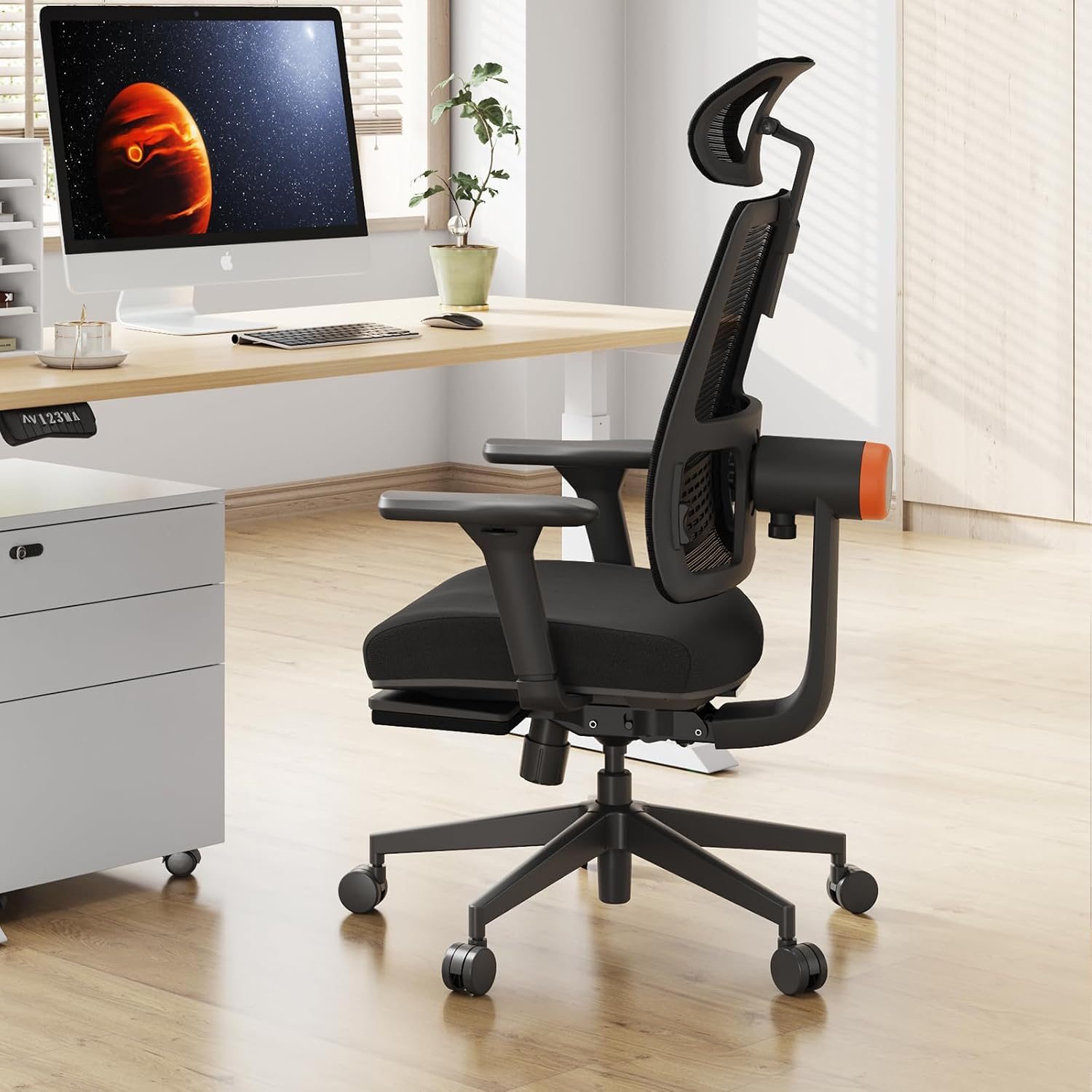
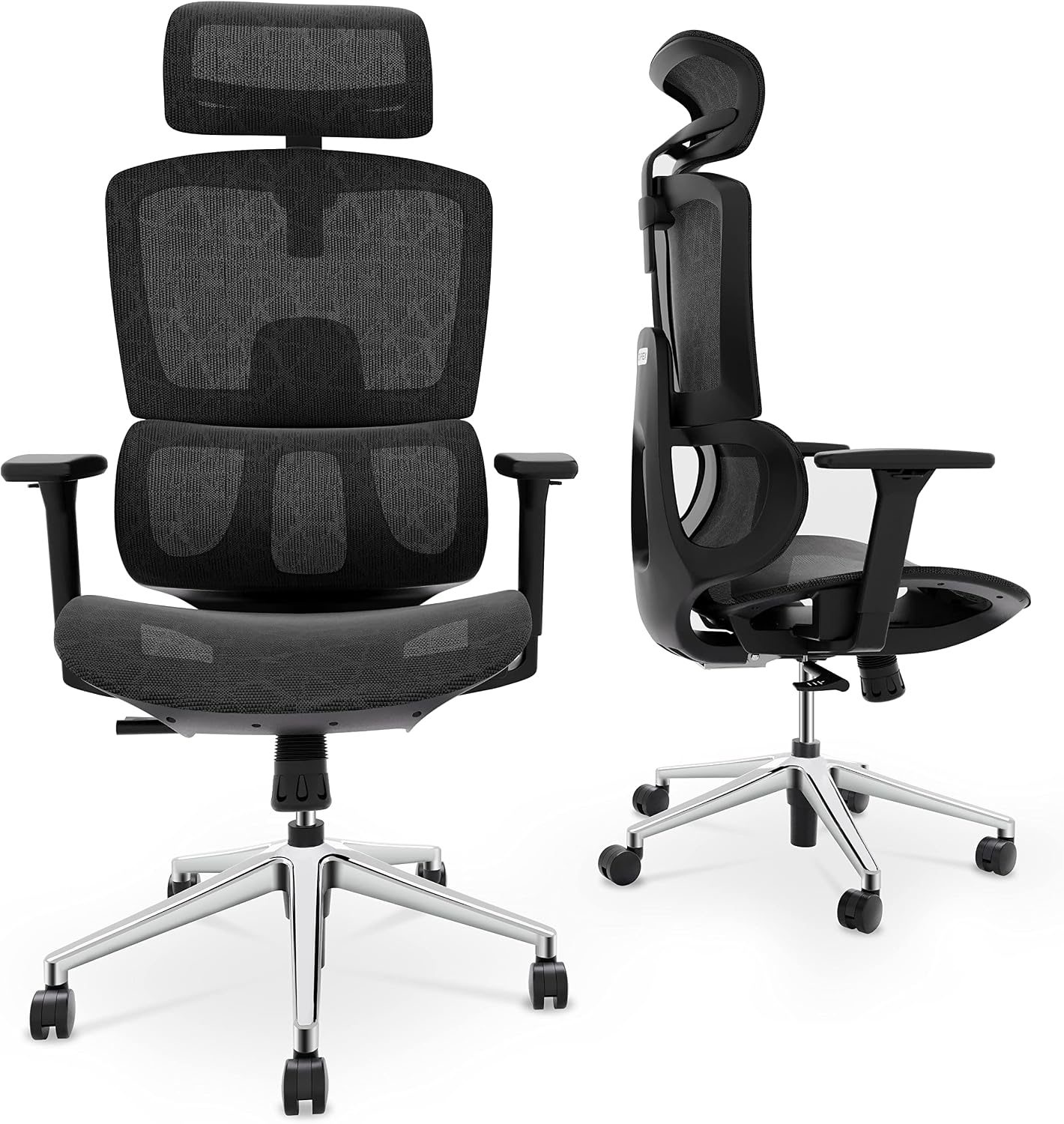
Not all chairs provide the same level of support. An effective ergonomic chair should offer adjustable depth and height for the lumbar cushion. If the support is too low, it pushes the sacrum forward; if it is too high, it hits the thoracic spine. The goal is to fill the void between your lower back and the backrest without creating excessive pressure.
| Feature | Optimal Setting | Purpose |
|---|---|---|
| Lumbar Height | At the level of the belt line | Targets the L3-L5 vertebrae |
| Lumbar Depth | Moderate pressure | Maintains natural lordosis |
| Seat Depth | 2-3 fingers from knee | Prevents pressure on blood vessels |
| Recline Angle | 100-110 degrees | Reduces disc pressure compared to 90 degrees |
Step-by-Step Guide to Finding Your Neutral Position
Follow these steps to recalibrate your sitting posture and ensure your lumbar spine is properly supported throughout the workday:
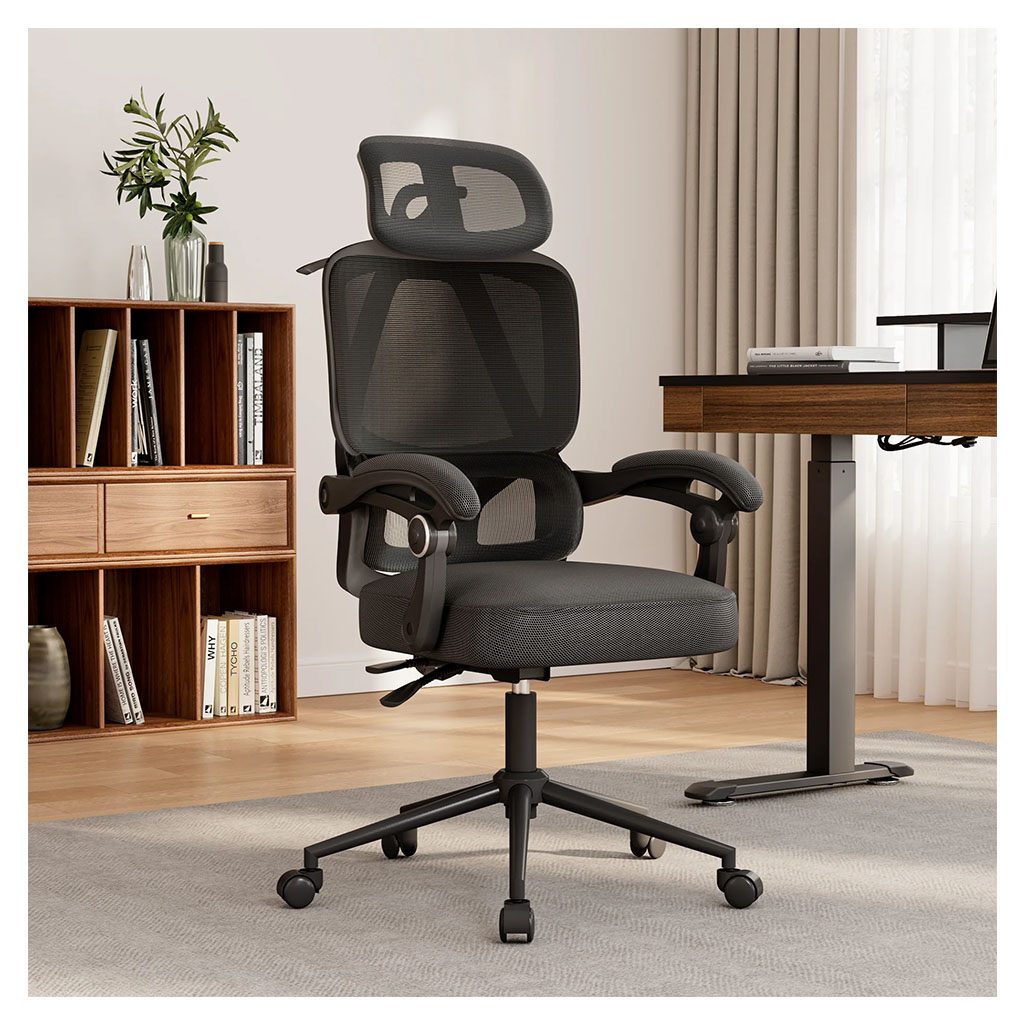
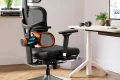
📷 Photo by mwave.com.au
- Sit as far back in the chair as possible so your hips are firmly against the backrest.
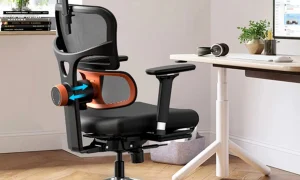
- Adjust the height of the lumbar support so the apex of the cushion rests comfortably in the hollow of your lower back, usually around your belt line.
- Modify the depth of the support until you feel a gentle, firm pressure against your spine, preventing the urge to slouch.
- Adjust your seat height so that your feet are flat on the floor and your knees are at a 90-degree angle or slightly lower.
- Relax your shoulders away from your ears and ensure your screen is at eye level to prevent the head from jutting forward, which pulls the spine out of alignment.
Common Mistakes That Sabotage Spinal Health
One of the most frequent errors is the “perch” position, where the user sits on the edge of the chair. While this may feel active, it removes all support from the lumbar spine, forcing the lower back muscles to work continuously to keep the torso upright. This leads to early fatigue and eventual slouching.
Another common issue is improper screen placement. If your monitor is too low, you will inevitably look down, causing the thoracic spine to round. This upper-back rounding triggers a chain reaction that flattens the lumbar curve, regardless of how good your chair is. Ergonomics is a systemic approach; the chair is only one piece of the puzzle.
Risks of Neglecting Lumbar Curvature
Ignoring your posture can lead to chronic conditions such as lumbar disc herniation, where the soft center of a disc pushes through the exterior. Additionally, chronic muscle tightness in the lower back is a common precursor to sciatica, where the nerve is compressed due to poor pelvic positioning. By maintaining the natural curvature, you ensure that the load is borne by the skeletal structure rather than the soft tissues and discs.
Practical Tips for Long-Term Maintenance
Even with a perfect chair, static posture is the enemy. The human spine is designed for movement. Incorporate “micro-breaks” every 30 to 45 minutes. Stand up, walk to get water, or perform a gentle back stretch. These movements rehydrate the spinal discs and prevent the muscles from locking into a shortened, tense state.
Furthermore, check your chair settings weekly. As you shift throughout the day, knobs and levers can drift. A quick physical check ensures that your support system remains consistent with your body’s needs.
Q: Does a firmer lumbar support provide better spinal health?
A: Not necessarily. The support should be firm enough to provide a physical reminder to maintain your posture, but not so aggressive that it causes discomfort or forces your spine into an unnatural arch.
Q: Can I use a rolled-up towel if my chair doesn’t have lumbar support?
A: Yes, a rolled-up towel placed at the small of your back is a highly effective, cost-efficient way to simulate ergonomic support and maintain your neutral spinal curve while working.
Q: Why do my legs feel tingly when I sit with good lumbar support?
A: This is likely due to the seat pan being too high or too deep, which compresses the nerves and blood vessels behind your knees. Ensure your feet are flat and there is a gap between the seat edge and the back of your knees.
Ultimately, finding your neutral spine is a dynamic process of awareness and adjustment. By utilizing the features of your ergonomic chair and staying mindful of your pelvic alignment, you can significantly reduce the physical toll of a desk-bound lifestyle and support long-term musculoskeletal health.
📷 Photo by manuals.plus
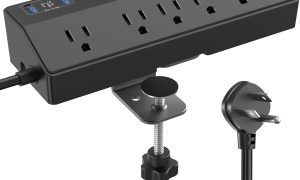
📷 Photo by exotdjtsu.blob.core.windows.net
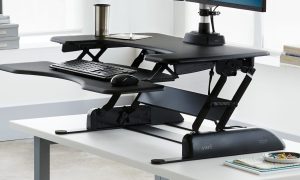
📷 Photo by ubuy.pe