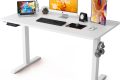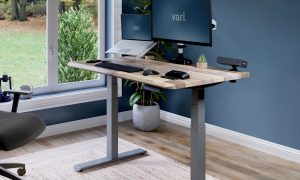
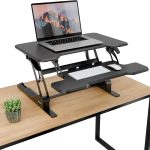


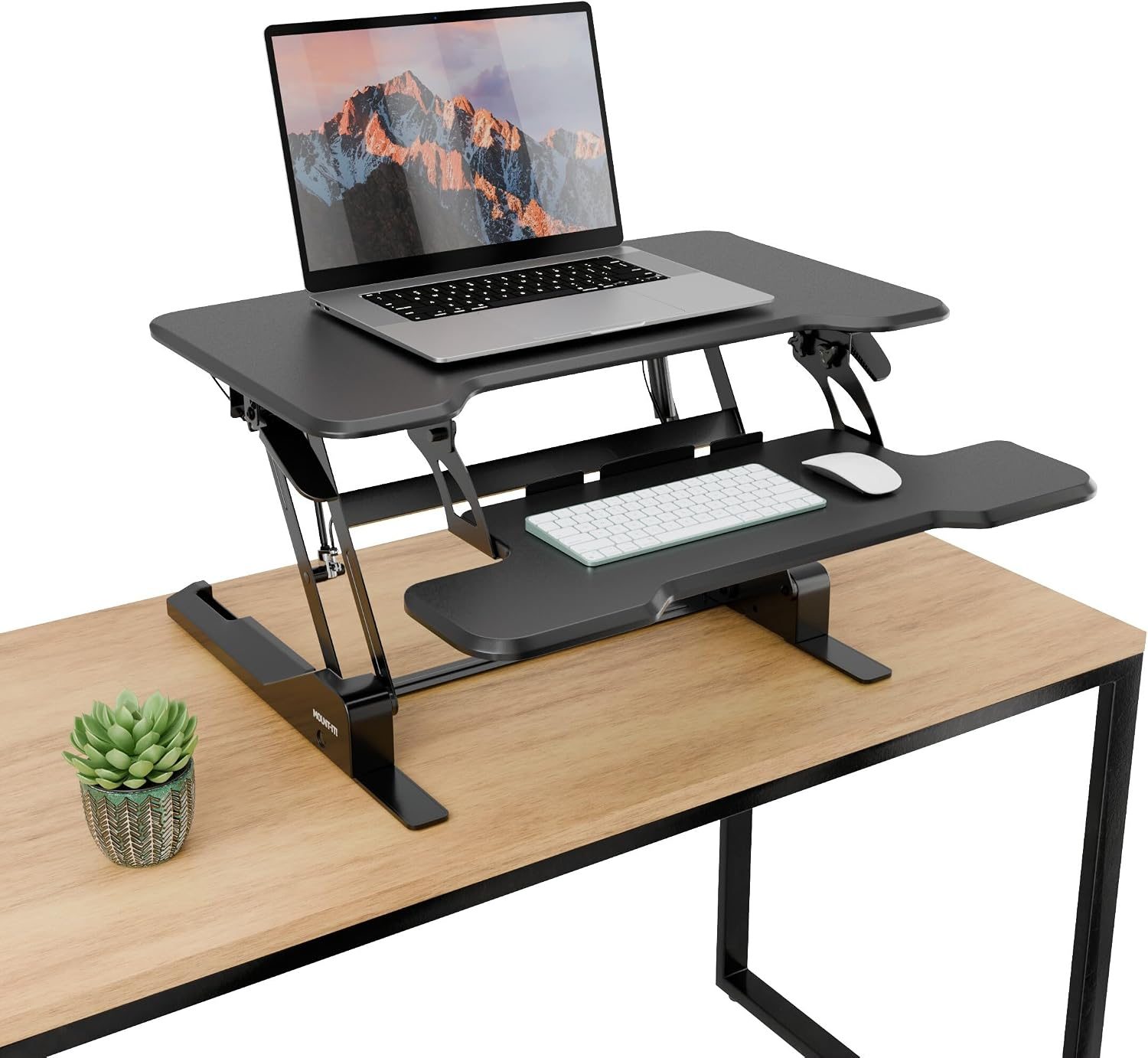
Aploda.com – A standing desk converter with built-in USB ports and tablet slots is an ergonomic workstation upgrade that integrates device connectivity and mobile workspace organization directly into your adjustable desk surface.
The modern workspace has shifted from traditional static desks to dynamic, health-conscious setups. As professionals spend more time toggling between laptops, tablets, and smartphones, clutter becomes the primary enemy of productivity. A standing desk converter equipped with electronic integration and dedicated docking spaces serves as a central hub, reducing cable mess and ensuring your essential tools are always within reach.
Why Integrated Connectivity Matters
Most standard converters provide height adjustability but fail to account for the “power-hungry” nature of modern workflows. When you raise your desk, cables often pull tight or become disconnected if they are plugged into a distant wall outlet. By having USB ports built directly into the front or side of the converter, you maintain a consistent power source for your peripherals regardless of how high you set your desk.
Furthermore, the inclusion of a tablet slot transforms the converter into a multi-screen environment. Instead of leaning your tablet against a stack of books or a flimsy stand, a dedicated slot keeps the device at an ideal viewing angle. This is particularly useful for professionals who use their tablets as secondary displays, digital notepads, or dedicated communication screens during video calls.
Key Features to Evaluate
Before investing in a standing desk converter, you must understand the technical specifications that differentiate premium models from budget alternatives. The following table highlights the essential criteria for choosing the right unit for your home or office.
| Feature | Importance | What to Look For |
|---|---|---|
| USB Connectivity | High | Look for USB 3.0 or USB-C ports for fast charging and data transfer. |
| Tablet Slot Width | Medium | Ensure the slot is at least 0.5 inches wide to accommodate cases. |
| Weight Capacity | Critical | Confirm the deck can support your laptop, monitor, and accessories. |
| Adjustment Mechanism | High | Gas-spring systems are smoother than manual locking levers. |
Optimizing Your Workflow
Simply buying a high-tech converter is not enough to reap the benefits of an ergonomic setup. You must integrate it correctly into your daily routine. Follow these steps to maximize your new workstation efficiency:
- Clear your existing desk surface completely to ensure the converter has a stable, flat foundation.
- Place the converter in the center of your desk and test the height adjustment range before loading it with heavy equipment.
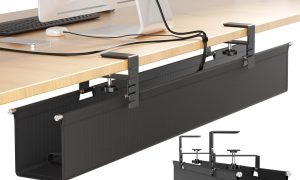
- Route your device cables through the integrated management clips provided by the manufacturer to prevent tripping hazards.
- Connect your primary power strip to the wall and the converter’s USB hub to ensure a constant power supply for your mobile devices.
- Adjust the monitor height so that the top third of your screen is at eye level, ensuring your neck remains in a neutral position.
Common Mistakes to Avoid
One of the most frequent errors users make is overloading the converter. Every unit has a maximum weight capacity, usually ranging from 15 to 35 pounds. Exceeding this limit can cause the gas-spring mechanism to fail prematurely, making it difficult to lift the desk. Always check the manufacturer’s documentation before mounting dual monitors or heavy all-in-one computers.
Another mistake is ignoring cable slack. Even with built-in USB ports, you will likely have a power cable running from the converter to the wall. If this cable is too short, it will stretch when you switch to standing mode, creating a potential fire hazard or damaging your ports. Always use a cable sleeve or a longer cord to ensure there is enough “give” during vertical movement.
Health and Ergonomics Considerations
While the convenience of USB ports and tablet slots is undeniable, the primary goal of a standing desk converter is to improve your posture. Prolonged sitting is linked to cardiovascular issues and back pain. By alternating between sitting and standing, you increase blood flow and engage your core muscles throughout the day.
However, avoid “standing fatigue.” Many people make the mistake of standing for hours on end, which can lead to foot and joint pain. Use an anti-fatigue mat to cushion your feet, and aim for a 30-minute rotation cycle. If your feet begin to ache, it is time to lower the converter and sit for a while.
Maintenance and Longevity
To keep the electronic components of your converter functioning, keep the USB ports free of dust and debris. Compressed air is an excellent tool for cleaning the ports periodically. Additionally, check the pivot points and screws on the converter frame every six months. Tightening these components ensures the unit remains stable and does not wobble during typing sessions.
Q: Can I use the built-in USB ports for my monitor power?
A: Most integrated USB ports on standing desk converters are designed for charging mobile devices or powering low-draw peripherals like keyboards and mice, rather than high-power monitors. Always check the wattage output of the ports against your monitor’s requirements.
Q: Will the tablet slot fit my device if I have a rugged case?
A: Many modern converters feature “universal” slots, but they typically accommodate devices up to 0.5 to 0.75 inches thick. If you use an extra-thick protective case, verify the slot dimensions provided in the product specifications before purchasing.
Q: Is it difficult to assemble a converter with USB integration?
A: Most of these units come pre-assembled or require minimal effort, such as attaching the keyboard tray. The USB hub is usually pre-wired, meaning you only need to plug the main power cord into a wall outlet to get started.
Investing in a high-quality standing desk converter is an investment in your long-term health and daily efficiency. By choosing a model that prioritizes cable management and device accessibility, you create a streamlined environment that allows you to focus entirely on your work rather than managing your workspace clutter.
📷 Photo by amazon.com